州の政策立案者が、医師への支払いを削減する健康保険プランの「ダウンコーディング」慣行の改革に乗り出す
- 健康保険プランが医師への払い戻しを削減するためにダウンコーディングプログラムに依存している現状を受け、州レベルでの改革が進められていることが、AMA(アメリカ医師会)の2026年3月27日付「州アドボカシー・アップデート」で強調されました。
- これらの慣行は医師の収入と患者ケアの質を損なうため、より公正な支払いシステムの構築に向けて政策立案者が介入しています。
- このアップデートでは、現在進行中の払い戻しを巡る争いの中で、医師の保護を重点的に扱った2026年3月の主要なアドボカシー事例について報告しています。
出典・引用
1 件の出典もっと記事を見る
新薬の約70%が、わずか1つの試験のみでFDAの承認を獲得
• 新しい研究により、2016年から2024年の間にFDA(米国食品医薬品局)によって承認された新薬の約70%が、単一の臨床試験に基づいて承認されたことが明らかになった。 • 研究チームはFDAの記録とClinicalTrials.govのデータベースを分析し、根拠となる試験の数、資金源、および結果の公表速度を追跡した。
元記事を読む · studyfinds.com StudyFinds
FDA、2026-2027年向け更新版COVIDワクチンを承認
• FDAは、2026-2027年シーズンに向けて、特にXFG変異株を標的として設計された更新版のCOVID-19ワクチンを承認しました。 • 進化する株に対して最大限の保護を提供するため、新しいワクチンの導入が進められており、接種資格や最適な接種タイミングに関するガイダンスが提供されています。
元記事を読む · aarp.org AARP
AARPロイター・ヘルスニュース・サマリー
• FDAは、皮膚と筋肉に影響を及ぼす希少疾患を対象とした、RoivantおよびPriovant Therapeuticsによる初となる経口治療薬を承認しました。 • 木曜日の発表を受けて、Roivantの株価は2%上昇し、午後の取引で37.58ドルで引けました。
元記事を読む · devdiscourse.com Devdiscourse
薬価合意、新たながん治療薬の承認などに関する最新ニュース
• ホワイトハウスは、製薬会社のBayer、Takeda、およびCSL Behringとの薬価合意を最終調整しています。 • これらの合意は、製薬会社との直接交渉を通じて、より手頃な薬剤コストを確保するという米国政府による広範な取り組みの一環です。
元記事を読む · statnews.com Statnews
NanoViricides, Inc. (NASDAQ:NNVC) |
• NanoViricides, Inc. (NASDAQ:NNVC) は、麻疹(はしか)治療薬プログラムの最新情報を発表し、「NV-387」と呼ばれる新たな治療薬候補を導入しました。 • NV-387の開発は、世界的な麻疹症例の増加に対応したものであり、アウトブレイクに対する実行可能な治療選択肢を提供することを目的としています。
元記事を読む · webdisclosure.com米国および世界的に麻疹(はしか)症例が増加し続ける中、NanoViricides社は画期的な広域スペクトル候補薬「NV-387」の麻疹治療に向けた臨床試験の準備を開始
• NanoViricides, Inc. (NYSE American: NNVC) は2026年8月31日、広域スペクトル候補薬であるNV-387の臨床試験に向けた準備を進めていることを発表しました。 • この薬剤は、米国および世界的に症例数が増加している麻疹を治療するために設計された、ホスト模倣ナノメディシン技術を利用しています。
元記事を読む · investingnews.com Investing News Network
FDAが進行膵がん向けの画期的な経口薬「Archyde」を承認
• 2026年8月31日、FDAは初の経口投与による1日1回服用薬であるdaraxonrasib(製品名:Rasonque)を優先的に承認しました。 • 本剤は、進行した転移性膵管腺がんを患う成人患者を対象として特に適応されています。
元記事を読む · archyde.comXFG変異株に対応した最新のCOVIDワクチンが薬局に届くも、連邦政府の接種資格ガイダンスは未定のまま
• FDAは8月27日、XFG変異株を標的とした2026-2027年度用の最新COVID-19ワクチンを承認し、直ちに薬局、病院、クリニックへの配送を開始した。 • ワクチンはすでに全国的に物理的に供給されているが、連邦政府の接種資格に関するガイダンスが未定であり、誰が接種対象となるのかについて不透明な状況が続いている。
元記事を読む · medicaldaily.com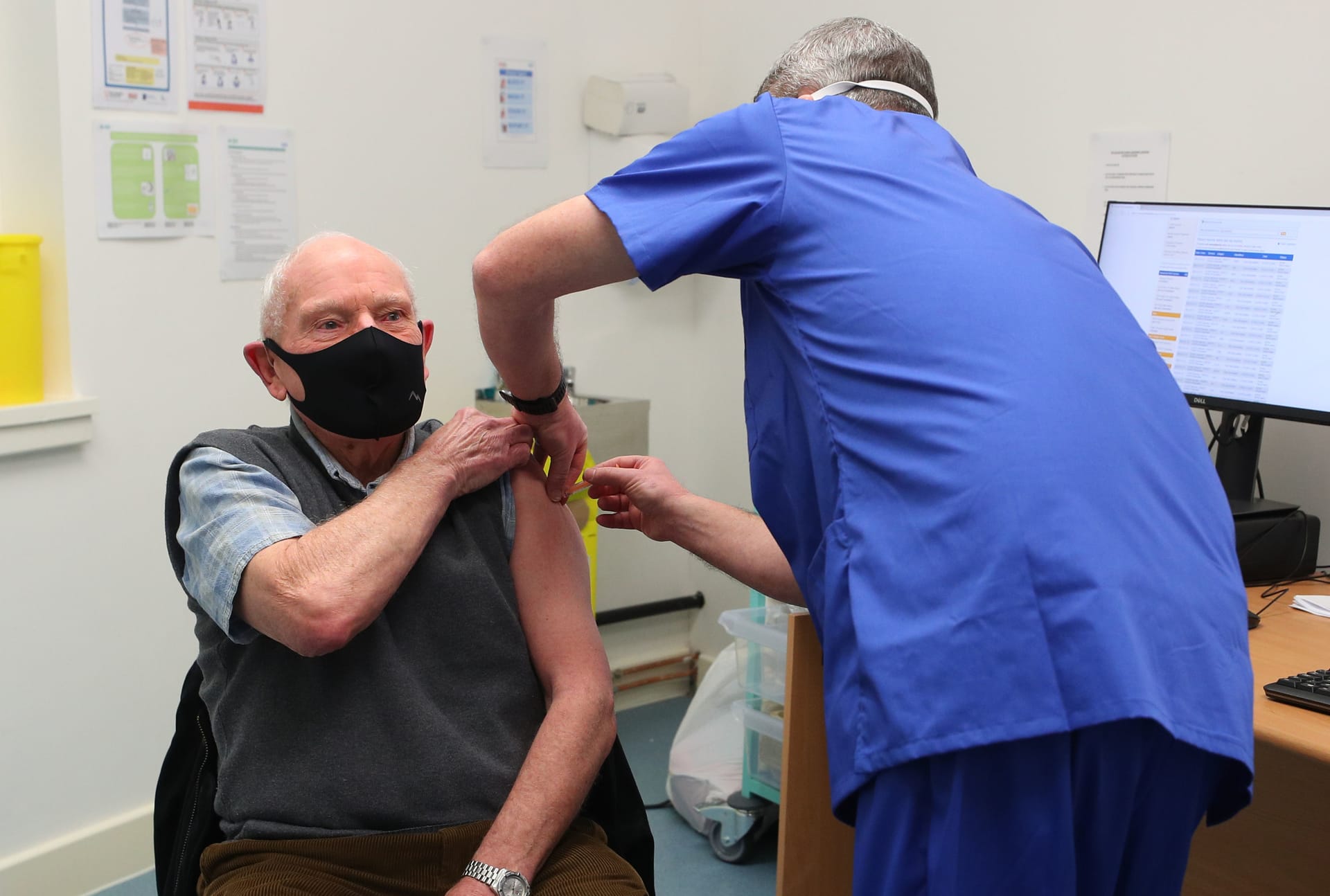 Medical Daily
FDA、2026-2027年シーズン向けの新COVID-19ワクチンを承認
• FDAは、XFG変異株を標的として特別に設計された2026-2027年シーズン向けの新しいCOVID-19ワクチンを承認しました。 • これらのワクチンは65歳以上の成人向けに承認されており、ワクチンの種類に応じて、ハイリスク群に属するより若い年齢層にも適用範囲が拡大されています。
元記事を読む · everydayhealth.com Everyday Health
最近のFDAによる薬剤承認は、研究数の減少と業界資金への依存度増加が顕著に - Cancer Therapy Advisor
• 研究者は、FDAが複数の研究ではなく単一のピボタル試験に基づいて新薬を承認することを可能にする「21世紀治験法(21st Century Cures Act)」の影響を分析した。 • 分析結果によると、2016年以降、米国における新薬承認を裏付ける研究数は着実に減少している。
元記事を読む · cancertherapyadvisor.comFDA、画期的な膵臓がん新薬を迅速承認 | がん研究
• 米国食品医薬品局(FDA)は、最も一般的な形態の膵臓がんを治療するために設計された初の経口薬であるdaraxonrasibを迅速承認しました。 • Revolution Medicines社によって開発されたこの薬剤は、Rasマルチセレクティブ阻害剤として機能し、疾患の特定の遺伝的要因を標的にします。
元記事を読む · theguardian.com2024年にFDAが承認した新薬の3分の2以上が、単一の試験に基づいた結果であったことが判明
• 新しい分析により、2024年にFDAが承認した新薬の3分の2以上が、単一の試験結果に基づいて承認されたことが明らかになりました。 • 同報告書は、2016年以降、薬事承認に必要な試験数などが着実に減少していることを示しており、審査プロセスの厳格さに対する懸念が高まっています。
元記事を読む · cidrap.umn.edu