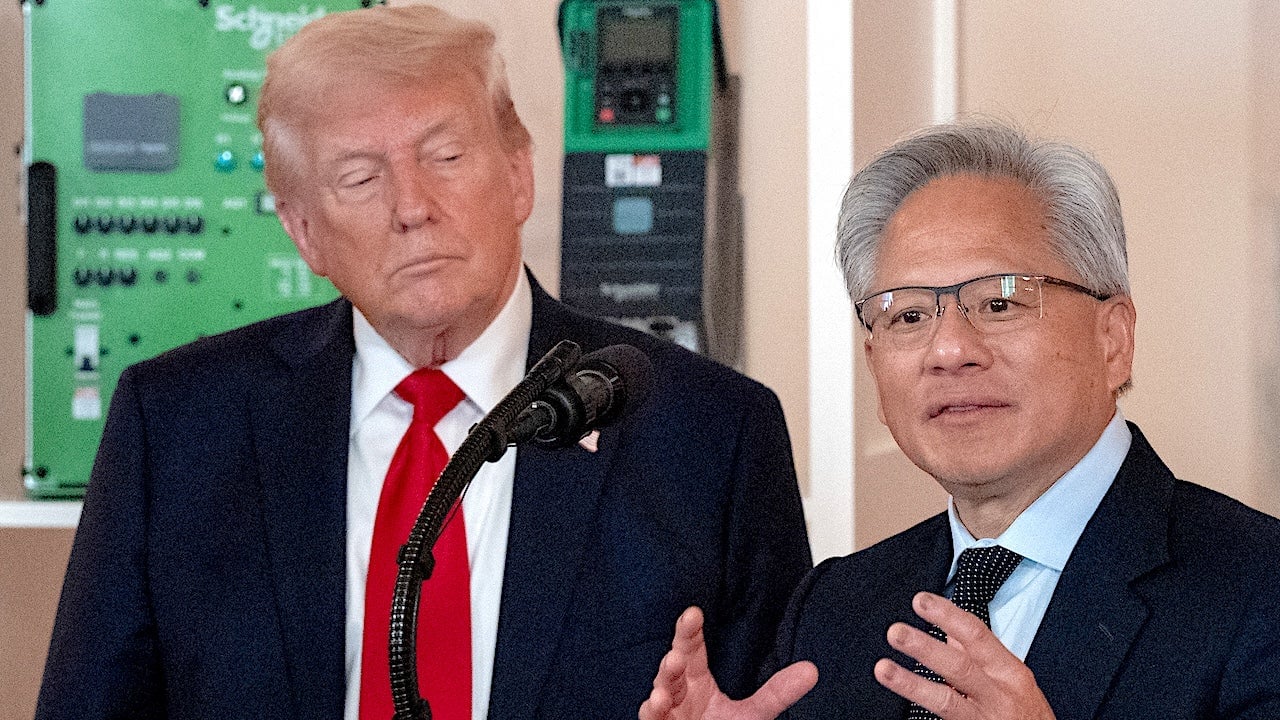
 画像:Fox News
超党派および大手テック企業がAI規制を推進する一方、トランプ氏は「作り話」と主張
• OpenAI、Google AI、Anthropicなどのテック企業幹部がAI規制を推進している一方で、トランプ大統領は同技術への懸念を「作り話(hoax)」として退けている。 • トランプ氏は、人工知能に関する警告を過去の気候変動詐欺になぞらえた。 • この分断は、米国がAI競争で中国と競い合う中、テクノロジー市場に不確実性をもたらしている。
foxnews.comトレンドトピック
Bipartisanに関する最新報道と分析。
35 件の記事
画像:Fox News• OpenAI、Google AI、Anthropicなどのテック企業幹部がAI規制を推進している一方で、トランプ大統領は同技術への懸念を「作り話(hoax)」として退けている。 • トランプ氏は、人工知能に関する警告を過去の気候変動詐欺になぞらえた。 • この分断は、米国がAI競争で中国と競い合う中、テクノロジー市場に不確実性をもたらしている。
foxnews.com• 米国でFlock社の技術に対する反対の声が高まる中、右派と左派の両陣営の政治家が反撃に出ている。 • 分断が激しく、大統領が揺るぎない親テック路線を推進する米国において、単一企業の監視カメラに対するこのような超党派の反発は稀な反応である。 • Flock Safety社のカメラに対する超党派の反発は、人工知能(AI)を支える大規模データセンターの建設に対する全米的な怒りに似ている。世論調査では、約75%の米国人が自身の居住地域における新しいデータセンターの建設に反対している。
theguardian.com• インド議会は、試験問題の漏洩と採用不正に対処するため、「公的試験(不正手段の防止)法2024」を可決した。 • 新法では、最大10年の禁錮刑や1億ルピーを超える罰金など、違反者に対する厳格な処罰が導入される。 • モディ首相は、コタの学生の遺書を引用して法案を支持し、人口の70%以上を占める国の若者を保護する必要性を強調した。
indianexpress.com• 人工知能(AI)ブームによって職を失った、あるいは影響を受けた米国の労働者を再教育するため、5億ドルの資金を投じた超党派グループが木曜日に発足した。 • この取り組みは、OpenAI、Anthropic、Amazon、Microsoft、Bank of Americaなどの主要企業ドナーから支持を得ている。 • これは、AIによる広範囲な雇用喪失に対する社会的な不安を軽減させるための、民間部門による最大規模の取り組みの一つとなる。
politico.comドナルド・トランプ氏は、下院で358対32の賛成で可決された、住宅価格の手頃さを改善するための稀な超党派の取り組みに署名する意向を示した。火曜日、下院は住宅コストの削減を目的とした包括的な超党派法案を最終承認した。両党の議員は、今年の中間選挙を前に、住宅価格の手頃さという課題に対する進展を示したい考えだ。この358対32という投票結果により、法案はドナルド・トランプ氏に送られ、水曜日に連邦議会議事堂で署名され法律となる見込みである。なお、上院は月曜日に85対5で同法案を可決していた。続きを読む...
theguardian.com• 供給拡大と投資家による住宅買い占めの阻止を目指す「21st Century Road to Housing Act」が下院へ送付される。 • 月曜日、上院は建設と許可手続きの簡素化により住宅コストを削減することを目的とした超党派の措置を可決した。これにより、11月の中間選挙を前に両党にとって優先事項となっていた数ヶ月にわたる困難な交渉に終止符が打たれた。 • 「21st Century Road to Housing Act」は、投資家による住宅購入能力を制限し、新築住宅の建設を容易にするために一部の連邦許可規則を免除し、住宅改善への助成金や手頃な価格の住宅計画を促進するためのパイロットプログラムを承認するものである。同法案は上院で85対5という圧倒的多数で可決され、現在は下院へと送られている。
theguardian.com• イランがレバノンにおける代理勢力を抑制しない場合、攻撃を再開させるとトランプ氏が脅迫する中で、批判の声が上がっている。 • 日曜、米国の政治家たちは左右両陣営から、ドナルド・トランプ大統領によるイランとの暫定合意に対し、改めて反対を表明した。その一方で、トランプ大統領が新たな脅迫を行う中、JD Vance副大統領はスイスで行われた第1回直接和平交渉の進展を歓迎した。 • 先日の再選に向けた予備選挙で敗れたテキサス州の共和党員、ジョン・コーニン上院議員は、ならず者国家がどのように米国の経済戦を回避しているかというWall Street Journalの記事の一節をXに投稿した。そこには、「これまでイランが制裁に耐えてきた能力は、ワシントンにとって厳しい現実を露呈させている。すなわち、ならず者国家が米国の制限をかいくぐる方法をさらに模索するため、経済的圧力は彼らを屈服させることに概ね失敗したということだ」と記されていた。
theguardian.com• 訴訟では、和解基金は「裁判所に対する詐欺」であり、納税者の資金がトランプ氏の支持者に流用されることになると主張されている • 数十人の元連邦判事が、ドナルド・トランプ氏による17.76億ドルの「武器化防止基金(anti-weaponization fund)」の創設を阻止する動きに加わった。この基金は、納税者の資金を大統領の政治的同盟者に流用することを目的としている。 • 超党派の判事35名からなるグループは水曜日、フロリダ州南部地区の裁判所に訴訟を提起した。これは、内部告発者によって自身の納税情報が漏洩したとして、トランプ氏が内国歳入庁(IRS)を相手取った法的紛争(内部告発者は後に禁錮5年の判決を受けた)を再開させることを求めるものである。
theguardian.com• セクシュアルハラスメント疑惑に伴う議員2名の辞任を受け、タスクフォースの設置が発表された。 • 米下院のマイク・ジョンソン議長とハキーム・ジェフリーズ少数党代表は水曜日、連邦議会内でのセクシュアルハラスメントに対処するための超党派の取り組みを発表した。 • 共和党および民主党の女性議員連盟の議長である、フロリダ州のキャット・キャマック議員とニューメキシコ州のテレサ・レジャー・フェルナンデス議員が主導するこの「パートナーシップ」は、「女性およびすべての生存者にとって議会をより安全な職場環境にするための改革と解決策を特定すること」を目的としていると、指導部は共同声明で述べた。
theguardian.com• 政治的野心を持つコネチカット州の民主党議員が、党内からより深い関与を求める声が上がったことを受け、超党派の政府予算交渉から撤退した。 • この離脱により、6月1日の政府閉鎖を回避するために不可欠な1.2兆ドルの支出計画に関する協議が混乱している。 • この動きは高まる党派間の緊張を浮き彫りにしており、中間選挙を前に財政的な行き詰まりを招くリスクがある。
politico.com• リサ・マカウスキー上院議員は、連邦レベルで独立した区割り委員会を設置し、連邦下院選挙における政党によるゲリマンダー(恣意的な選挙区割り)を削減することを目指す上院の超党派的な取り組みを主導しています。 • 提案された法案は、下院の選挙区画定において、政党主導の立法府ではなく独立した委員会を使用することを州に義務付けるもので、競争力のある選挙戦の増加と有権者の代表性の向上に重点を置いています。 • 支持者は、この法案が僅差で分かれている州の政治権力構造を塗り替える可能性があると主張する一方、反対者は、選挙に関する州の権限を侵害する可能性があると警告しています。
politico.com• 2026年5月8日に発表されたPOLITICO-Citrin Center-Possibility Labの新しい調査により、両党の大多数が、独立したパネルによる下院選挙区の境界線策定を支持していることが分かった。 • この世論調査データは、政治的スペクトラム全般にわたる有権者が、党派的なゲリマンダリングに不満を募らせており、再画定における党派的優位性を制限する改革措置を支持していることを示唆している。 • この超党派的な感情は、共和党と民主党が連邦議会議員の境界線を巡って争い続けている、現在進行中の州レベルの再画定バトルとは対照的である。
politico.com• POLITICO、Citrin Center、Possibility Labによる新しい共同調査で、共和党・民主党の両党の圧倒的多数が、独立したパネルによる下院選挙区の境界決定を支持していることが明らかになった。 • この超党派的な結果は、政治的に偏りの強い区画再編プロセスの改革に対する国民の意欲を示唆している。 • 同調査は、ゲリマンダリング(恣意的な区割り)に対する有権者の不満を浮き彫りにし、公正な代表性を確保するための制度的変更を求めている。
politico.com• 金曜日に発表された新しい POLITICO‑Citrin Center‑Possibility Lab の調査によると、共和党と民主党の両方の大多数が、連邦下院の選挙区を画定するための独立委員会の設置を支持しており、党派的なゲリマンダリングの廃止に反対する議論を弱めている。 • Trump 政権は、独立した選挙区割り委員会を導入する州に連邦資金を紐付けることで、これらの委員会を法制化する提案を検討している。これは、2026年以降の激戦区の勢力図を塗り替える可能性のある戦略である。 • 民権団体や投票権擁護団体はこの調査結果を歓迎し、独立委員会は、現在両党に有利に偏っている区割り地図の党派的な操作を減らすことになると主張している。
politico.com• 政治的野心を持つコネチカット州の民主党議員が、参画を求める党内の圧力により、政府資金調達に関する超党派交渉を打ち切った。 • この離脱は、連邦予算の優先事項や支出削減をめぐる緊張をエスカレートさせている。 • これにより、目前に迫った財政期限にとって極めて重要な資金調達法案が停滞する可能性がある。
politico.com• 2026年3月17日に発表されたAxios/Ipsos American Health Indexによると、大多数の米国人が医療費の上昇に懸念を抱いており、これらの課題に対処するための連邦税による支出増額を支持している。 • この世論調査は、医療費の負担能力に対する政府の対応への超党派的な支持を示しており、医療費の高騰に対する米国民の広範な不安を反映している。 • また、米国人は子供のワクチン接種に関する政府の判断への信頼を高めており、保健政策上の介入に対する公衆の信頼が広がっていることを示唆している。
ipsos.com• 最新のPOLITICO-Citrin Center-Possibility Labによる調査で、下院の選挙区画定に独立したパネルを導入することに対し、両党で強い支持があることが明らかになった。 • 中間選挙を前に、ゲリマンダリングを防ぐための非党派的なアプローチを支持する民主党員と共和党員は70%を超えている。 • この合意は、議会に対して選挙区再画定プロセスの改革を促し、党派的な区割り争いを軽減させる圧力となる可能性がある。
politico.com• 2026年3月25日、下院やり方・手段委員会(Ways and Means Committee)は、自然災害の被害者、性的暴行の生存者、および幼稚園・保育所の教師への税制救済を提供し、あわせてIRS(内国歳入庁)のカスタマーサービスと内部告発者保護を強化する5つの超党派法案を全会一致で承認した。 • 主な措置には、Doug LaMalfa Federal Disaster Tax Relief Certainty Act(H.R. 5366、41対0で可決)およびSupporting Early-childhood Educators’ Deductions Act(SEED Act, H.R. 5334、43対0で可決)が含まれており、後者は標準控除を選択した納税者に対し、教室運営費として年間最大350ドルの控除を認めるものである。 • IRS Whistleblower Program Improvement Act(H.R. 7959)は、脱税の情報提供者に対する保護を強化する。これらの法案は、現在進行中の税制提案に関する議論の中で、超党派の強い支持を得た。
waysandmeans.house.gov• ニッキー・ブザインスキー議員(民主党・イリノイ州)とエイドリアン・スミス議員(共和党・ネブラスカ州)が2026年3月25日、「リアルタイムの不当利用および欺瞞的な内部議会取引防止法(Preventing Real-time Exploitation and Deceptive Insider Congressional Trading Act)」を提出した。同法は、国会議員、大統領、副大統領、その配偶者および扶養家族、ならびに行政機関の上級職員が、政治的出来事や政策決定に関する予測市場で取引することを禁止するものである。 • PolymarketやKalshiなどのプラットフォームへの超党派の懸念が高まる中、この法案は違反取引額の10%の民事罰に加え、得られた利益の全額を米国財務省に返納することを課している。 • ブザインスキー議員は、「アメリカ国民は政治家が個人の利益に影響力を行使することに疲れ果てており、予測市場の台頭によってその懸念はさらに切実なものとなった」と述べた。
politico.com• 予測市場運営会社が州レベルで厳しい監視にさらされる中、月曜日に上院で法案が提出された。 • KalshiやPolymarketなどの企業が、オンライン賭博を規制しようとする州主導の取り組みに抗い続ける中、米上院において予測市場に対する超党派の新たな監視が進んでいる。 • 月曜日に米上院に提出された法案は、連邦政府の規制下にあるプラットフォームがスポーツイベントへの賭付けを許可することを禁止する内容となっており、Super BowlやNCAAのMarch Madnessなどの主要イベントで数十億ドルが取引されてきた市場にとって大きな打撃となる可能性がある。
theguardian.com• トム・ティリス上院議員(共和党、ノースカロライナ州)とアンジェラ・オルスブルックス上院議員(民主党、メリーランド州)は金曜日、ステーブルコインの利回り支払いを巡る銀行とデジタル資産企業の対立に対処する暗号資産法案について、ホワイトハウス当局と暫定合意に達したと発表した。 • この合意は、「パッシブ・バランス(受動的残高)」への利回り支払いを禁止することで、伝統的な銀行口座から暗号資産プラットフォームへの預金流出を防ぐことを目的としており、顧客資本の移行に対するウォール街の懸念に対処している。 • この進展により、1月以来上院銀行委員会で停滞していた画期的な暗号資産規制法案の停滞が解消される可能性があり、包括的なデジタル資産枠組みに向けた前進となる。
politico.com• New York Timesの報道によると、イランへの初回攻撃から約3週間が経過したが、共和党議員は政府高官を議会に召喚し証言させるという案に抵抗している。 • この抵抗は、現政権のイラン軍事作戦およびより広範な外交戦略をめぐる共和党内の意見的分裂を反映している。 • 共和党が主導する議会が軍事行動への公式調査に難色を示しているため、民主党による攻撃の調査への取り組みは困難に直面している。
youtube.com 画像:American Podiatric Medical Association
• American Podiatric Medical Associationは、2026年3月13日に下院、3月17日に上院で提出された超党派法案「Diabetes Foot Health Access and Modernization Act」への強力な支持を表明した。 • 本法案は、足および足首のケアに影響を与える時代遅れの政策を近代化することで、糖尿病を抱えるMedicare患者の約3人に1人、およびMedicaid患者の7人に1人の健康状態を改善することを目的としている。 • 主なスポンサーには、下院のJohn Joyce (R-PA)、Diana DeGette (D-CO)、Mike Rulli (R-OH)、Kim Schrier (D-WA)、Mike Kennedy (R-UT)、Darren Soto (D-FL)各議員、および上院のTodd Young (R-IN)、Raphael Warnock (D-GA)各上院議員が含まれる。
apma.org• 米連邦議会は2026年3月19日、議会内で懸念が高まっていることを受け、米国連邦裁判所におけるAI利用を精査するためのガイドラインを策定する超党派法案を提出した。 • 司法府における明確な連邦AI基準は依然として不在であり、本措置は政府業務におけるより広範なテクノロジーリスクに対処することを目的としている。 • 関連する最新動向として、上院委員会によるDHS(国土安全保障省)長官指名候補マークウェイン・マリン氏への投票、およびバーニー・サンダース上院議員による6億5,800万ドルのイスラエルへの武器売却に関する強制投票が行われた。
politico.com 画像:Morningstar
• StagwellのHarris Pollによる調査で、共和党員の88%、民主党員の92%が厳格な科学を前進に不可欠であると考えており、80〜90%が生活の質の向上を米国科学者の功績であるとしている。 • 米国が中国に研究でリードしていると考えているのはわずか19%で、33%が後れを取っていると回答。また、党派を問わず90%以上が米国の世界的なリーダーシップを望んでいる。 • 政府の資金提供が不足した場合、米国人は企業(23%)や非営利団体(19%)がその欠員を埋めることを支持している。
morningstar.com• エイミー・クロッチャー上院議員(民主党・ミネソタ州)、テッド・バッド上院議員(共和党・ノースカロライナ州)、キャサリン・コルテス・マスト上院議員(民主党・ネバダ州)が、全米の次世代9-1-1システムの連邦資金調達を加速させる法案を提出した。 • 同法案は、公共安全と第一対応者の能力を向上させるため、デジタルで相互運用可能な9-1-1インフラの導入に取り組む州および地方自治体を支援するものである。 • Intradoや全米州911管理者協会(National Association of State 911 Administrators)などの業界リーダーは、サイバー攻撃からの保護と人命救助に不可欠な取り組みであるとして高く評価した。
klobuchar.senate.gov• トランプ大統領による前年度の40%削減要求が失敗したことを受け、共和党と民主党の両陣営は、今後2週間以内に予定されている2027年度予算案において、国立衛生研究所(NIH)の予算を削減することに強い反対を示した。 • 先月、議会はNIHに対し4億1500万ドルの増額を承認し、生物医学研究のために487億ドルを割り当てた。超党派の議員らは、NIHのジェイ・バッタチャリア(Jay Bhattacharya)所長に対し、各選挙区や米国人の健康を改善するプロジェクトに資金を分配するよう促している。 • 歳出委員会の幹事であるローザ・デラウロ(Rosa DeLauro)議員は、「NIHの研究は人命を救うものであるため、議員らは引き続き研究予算の削減を拒否し続ける」と述べ、研究支援を維持する決意を強調した。
politico.com 画像:Forvis Mazars US
• 上院は2026年3月12日、住宅供給とコミュニティ投資策を組み合わせた法案H.R. 6644「21st Century ROAD to Housing Act」を、超党派による89対10の投票で可決した。 • 同法案には、銀行によるコミュニティ開発投資の上限引き上げ、モジュール式およびプレハブ住宅を包含するための「製造住宅」の定義の更新、および大手機関投資家による単一家族向け住宅の購入を制限する規定が含まれている。 • ホワイトハウス予算管理局(OMB)は声明を出し、上院の修正案を強く支持し、現状のまま提示されれば大統領顧問が署名して法律化することを推奨する意向を示した。
forvismazars.us• 2人の主要な民主党議員が、トランプ政権によるNvidia製チップの中国への輸出承認について国家安全保障上の懸念を表明し、この決定が米国の技術的リーダーシップを損なうリスクがあると警告した。 • 議員らは、米国の技術が中国に渡り不正に利用されることを防ぐため、超党派の法整備を求めており、これは技術移転やAIコンピューティングにおける競争優位性に関する広範な懸念を反映している。 • Nvidiaは、トランプ政権の輸出承認決定に対する批判に反論し、国際貿易と技術の可用性に関する自社の立場を擁護した。
youtube.com