• SpaceX secured an option to purchase AI coding startup Cursor for $60 billion USD, signaling aggressive expansion into artificial intelligence development tools.
• The acquisition option reflects Cursor's prominence in AI-assisted software development, a rapidly consolidating market attracting major technology conglomerates.
• The deal underscores SpaceX's strategic pivot toward internal AI capabilities to accelerate software development for space exploration and satellite internet infrastructure.
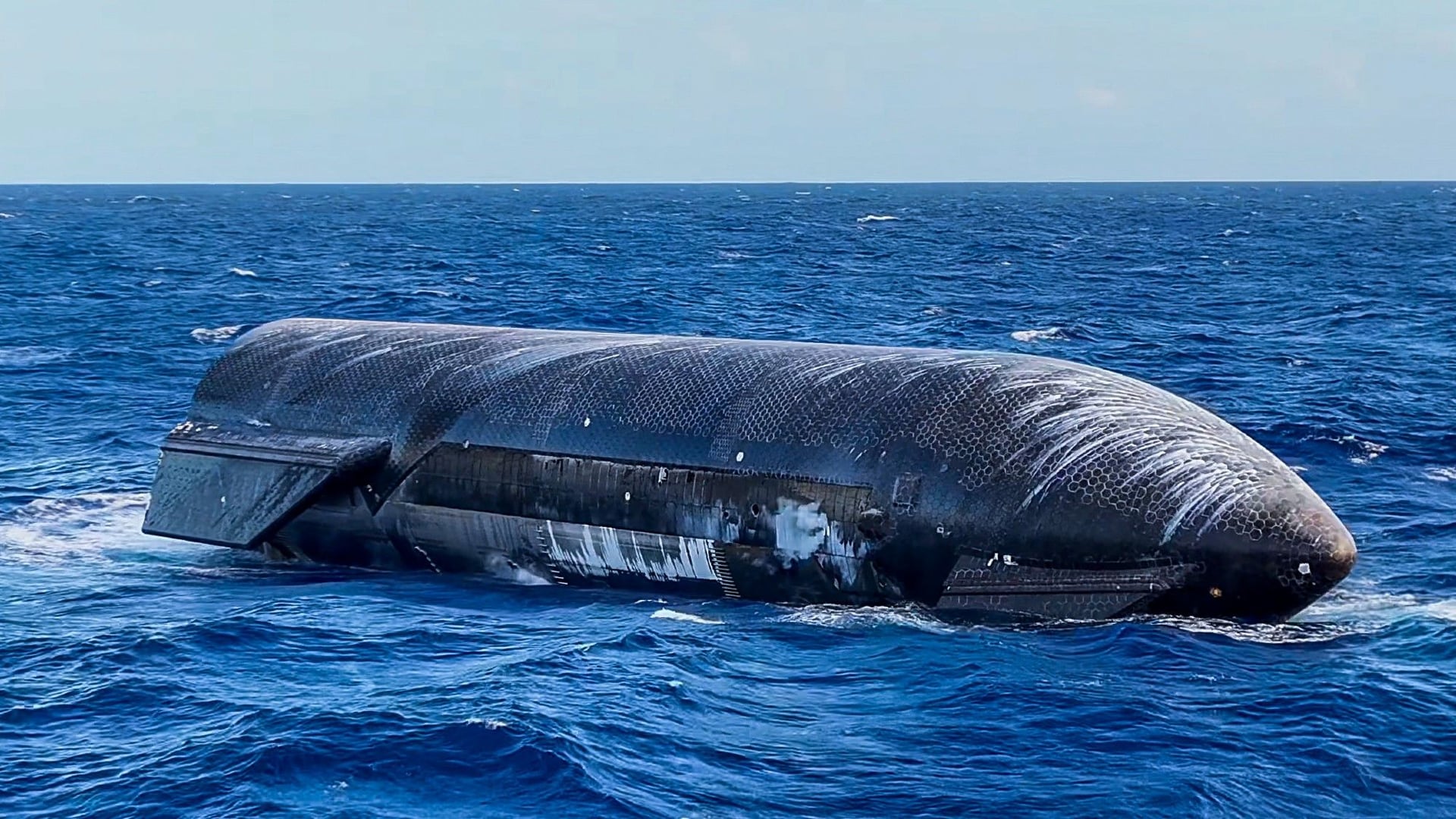
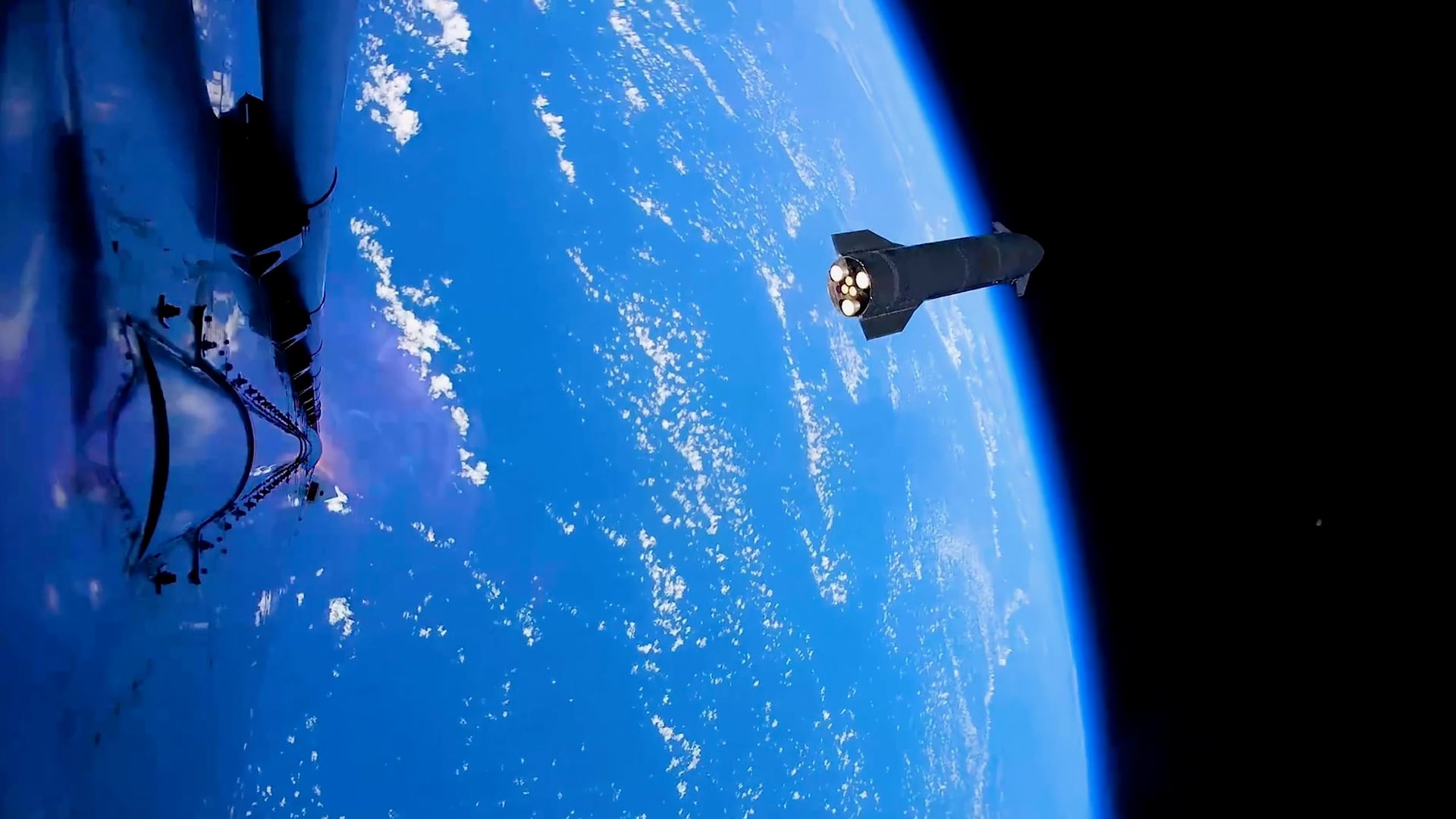
• SpaceX's Starship completed its 15th integrated flight test on April 21, achieving full-stack booster catch at Starbase, Texas, and a controlled splashdown in the Indian Ocean for the Super Heavy upper stage.
• The mission marked the first successful reentry and splashdown of Starship with active thermal management systems, demonstrating technological readiness for crewed lunar missions planned for 2027.
• Flight duration extended to 68 minutes with multiple payload bay experiments conducted, including deployment of prototype satellite constellations and in-space refueling demonstrations.
Cursor is aSilicon Valley startup using AI to automate coding as Elon Musk’s firm seeks foothold in the AI marketSpaceX said it has secured an option to either acquire code-generation startup Cursor for $60bn later this year, or pay $10bn for their new partnership, as it pushes deeper into the lucrative market for AI developer tools.Along with OpenAI and Anthropic, Cursor is one of several Silicon Valley startups that has drawn waves of developers by using artificial intelligence to automate coding, a business where AI companies have found early commercial traction. Continue reading...
• SpaceX's Starlink division announced commercial availability of direct-to-cell satellite service to US carriers including T-Mobile, Verizon, and AT&T beginning May 1, 2026, expanding beyond its existing emergency SOS functionality.
• The service enables SMS and data connectivity in rural and remote areas where terrestrial networks are unavailable, with initial pricing set at $5 per month for basic coverage and $15 monthly for premium data tiers.
• Industry observers note this development challenges traditional carrier infrastructure investments and could accelerate satellite communications adoption, though regulatory approval from the FCC is still pending final confirmation.
Elon Musk’s aerospace to AI company will host summer event to try to convince buyers it is worth $2 trillionBusiness live – latest updatesSpaceX will kick off the marketing for its highly anticipated stock exchange debut by hosting an event in June for 1,500 retail investors, as executives set out to convince buyers that the aerospace-to-artificial-intelligence group should be valued at $2 trillion.In an unusual move, the company has earmarked a large portion of its shares – potentially up to 30% – for non-professional, non-institutional investors, banking on the popularity of its chief executive, Elon Musk, to help it raise $75bn (about £56bn) in what is expected to be the largest public offering in history. Continue reading...
• SpaceX confidentially filed for a U.S. initial public offering on Wednesday, April 2, 2026, signaling major movement toward going public.
• The aerospace company is targeting a $1.75 trillion valuation in the IPO, reflecting investor confidence in the commercial space sector.
• The filing comes as Elon Musk's companies face increased market scrutiny, with analyst focus expected to intensify on SpaceX developments.
Elon Musk’s rocket company could go public as early as June, Bloomberg reportsSpaceX has confidentially filed for an initial public offering on the US stock market, according to reports from Bloomberg and the Wall Street Journal. The IPO is set to be one of the most closely watched and highly valued listings in market history.Elon Musk’s company, which has become a dominant power in both space travel and satellite communications, could potentially seek a valuation upwards of $1.75tn. The confidential filing will give regulators a period to review and discuss the company’s financial disclosures before investors and the public are able to view them. Continue reading...
• SpaceX captured 97% of US launch activity during Q4 2025, according to analysis by Bryce Tech, with 83% of the global market share.
• China ranked a distant second with 8% of global launches, while Russia took 4% of the global market during the same period.
• The data underscores SpaceX's growing dominance in commercial space launch services as competitors struggle to match its capabilities and operational cadence.
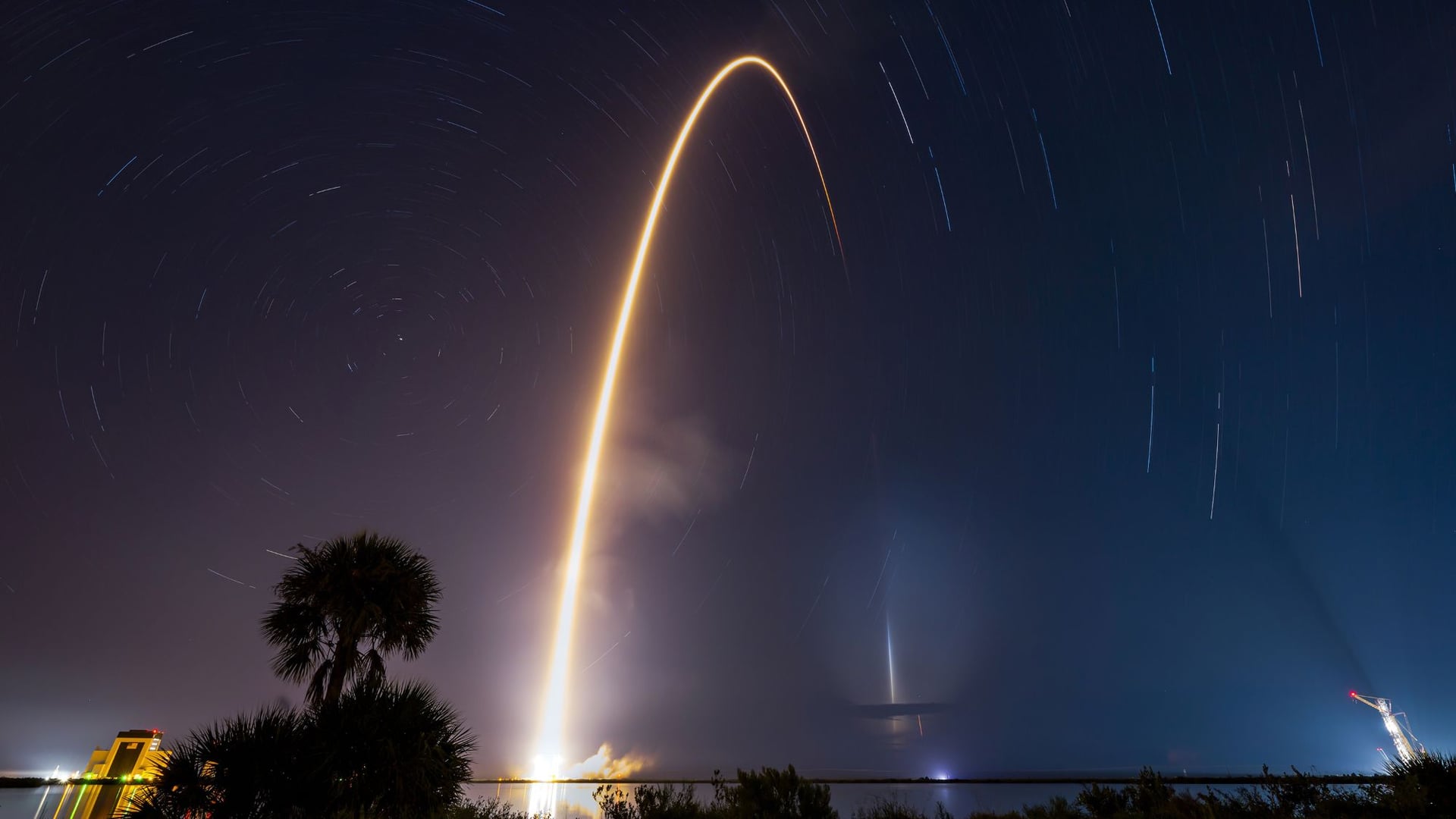
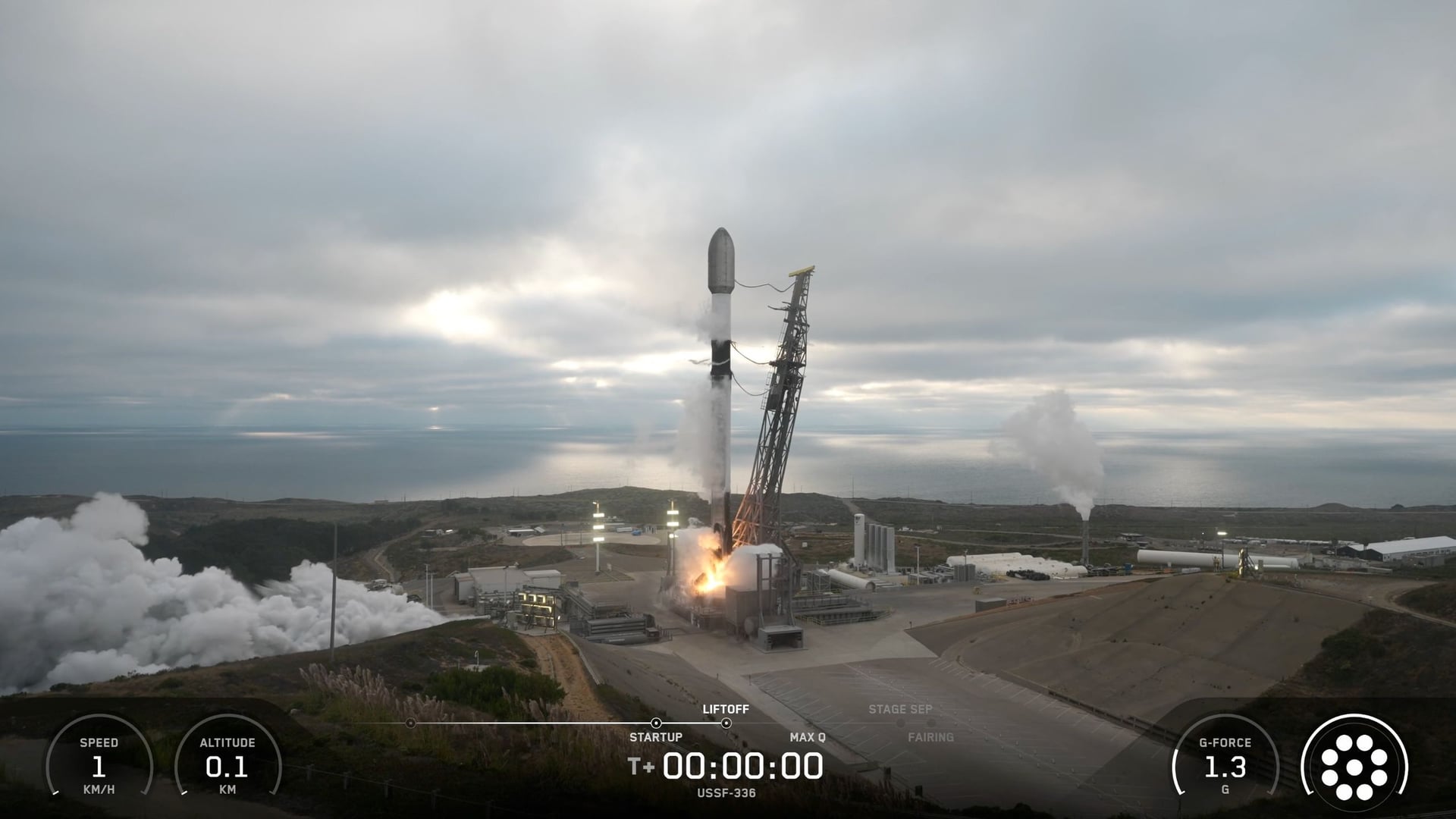
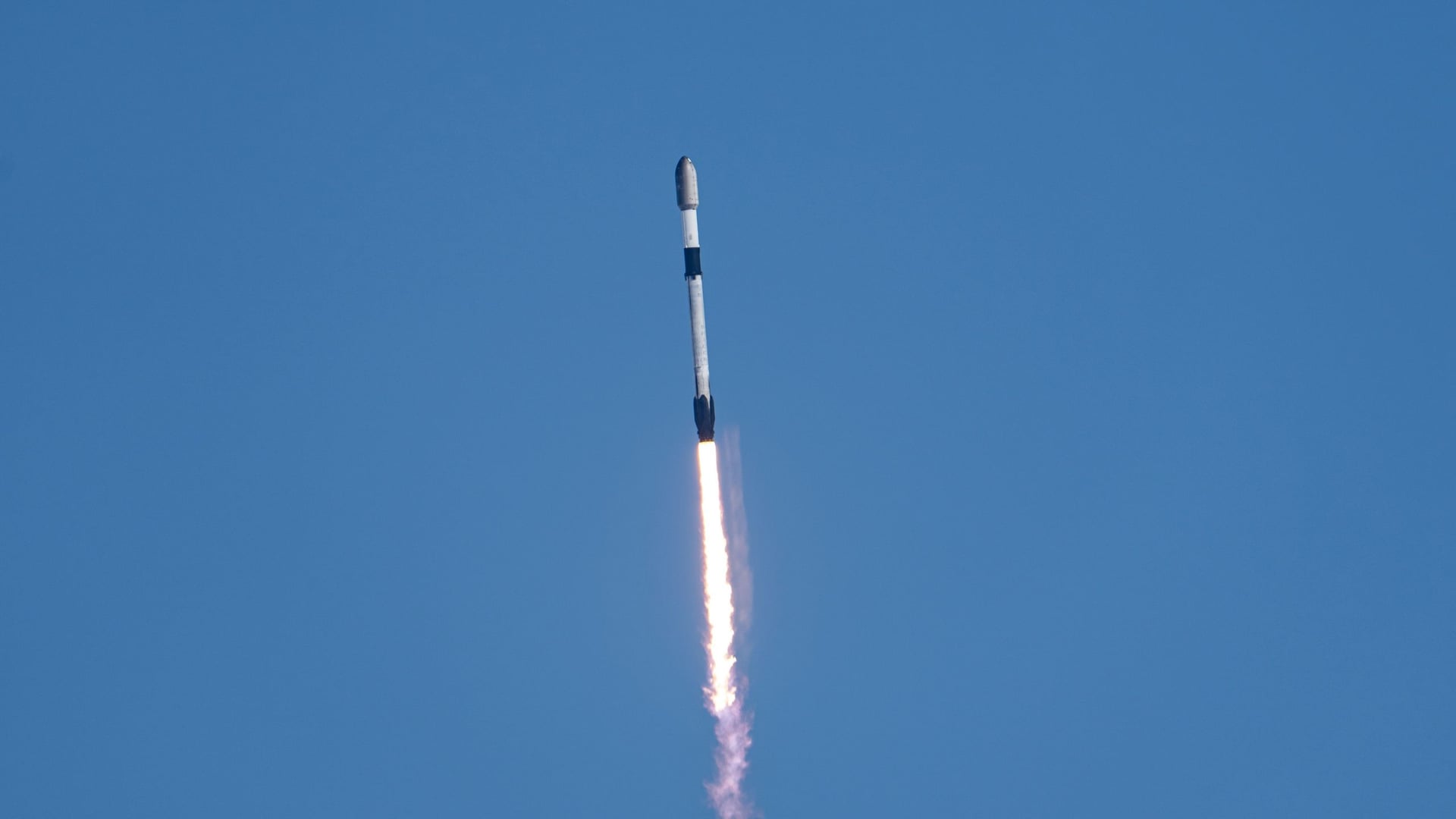
• SpaceX launched 83 Starlink satellites across March 2026, including 29 from Cape Canaveral on March 4, 25 from Vandenberg Space Force Base on March 8, and 29 from SLC-40 on March 19.
• These deployments increased the Starlink constellation to over 6,700 operational satellites, targeting internet access for remote regions, aviation, and maritime sectors.
• The expansion bridges the digital divide in underserved areas and enhances U.S. Space Force defense infrastructure amid evolving aerospace demands.
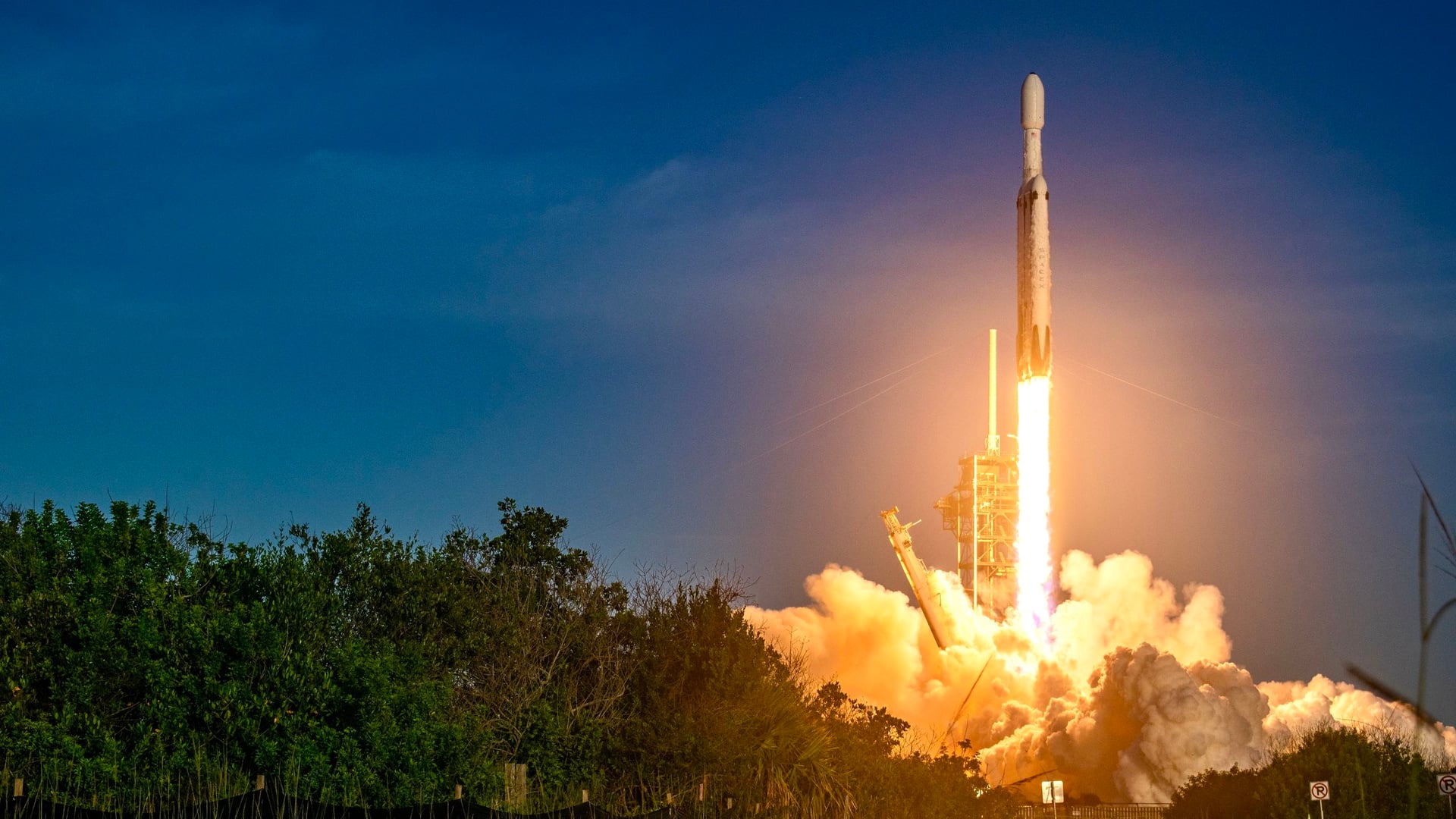
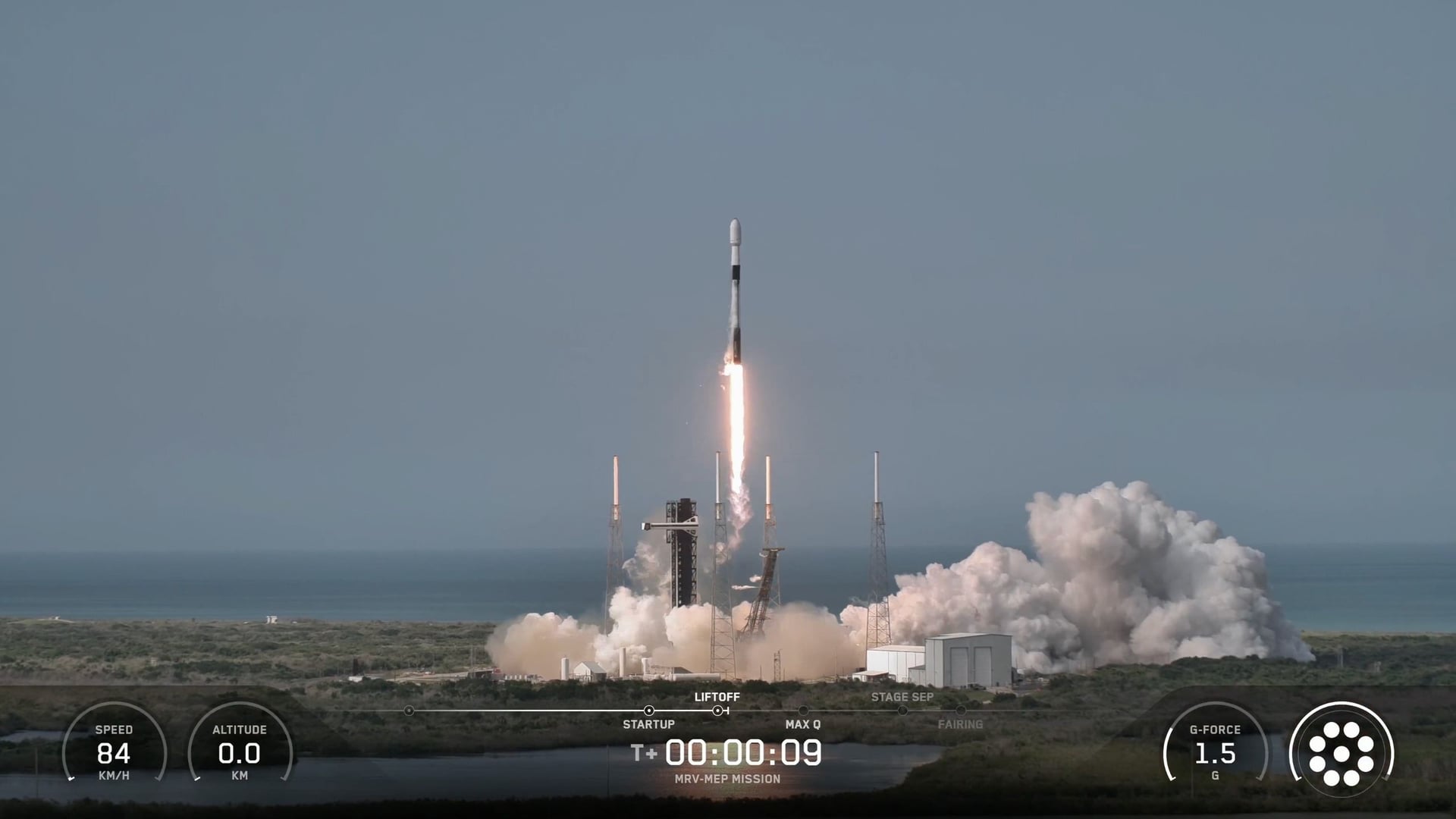
• NASA is launching multiple technology and science demonstrations to low Earth orbit aboard a SpaceX Falcon 9 rocket on Monday, March 30, 2026, as part of the Transporter-16 commercial rideshare mission.
• The payload includes the AEPEX CubeSat for studying high-energy particle effects on the upper atmosphere, magnetic field measurement CubeSats, the R5-S10 CubeSat for proximity operations and formation flying, a power processing system from CisLunar Industries, and a heat shield experiment from Varda Space Industries.
• The experiments aim to test thermal protection systems, advance in-space communications, and deepen understanding of Earth's atmosphere to support NASA's exploration and research goals.
• Elon Musk launched Terafab, a $20 billion-plus semiconductor fab in Austin, Texas, jointly developed by Tesla, SpaceX, and xAI to produce custom chips for EVs, Optimus robots, and AI computing.
• The facility targets terawatt-scale power output, addressing global chip shortages constraining Musk's AI and robotics timelines amid TSMC capacity limits.
• This vertical integration bolsters U.S. domestic manufacturing self-sufficiency amid geopolitical tensions and accelerates competition in AI hardware where compute is the key bottleneck.
• Elon Musk stated Tesla and SpaceX AI will continue large Nvidia chip purchases even as Tesla advances its AI5 chip, optimized for edge compute in Optimus and Robotaxi.
• Tesla's Terafab AI chip manufacturing facility is set to launch within seven days from March 14, potentially by March 21.
• Musk praised Nvidia CEO Jensen Huang, noting AI5's efficiency in half-reticle format could halve fab needs, with AI6 potentially matching dual AI5.
S&P Dow Jones Indices proposed updates to its inclusion criteria on March 13, 2026, potentially allowing SpaceX to join the S&P 500 shortly after its anticipated IPO. The revisions aim to accommodate high-valuation tech firms by relaxing profitability thresholds, reflecting SpaceX's $350 billion valuation and Starship milestones. This development could boost SpaceX's liquidity and investor access, signaling Wall Street's embrace of space tech amid AI and satellite growth. Final rules are expected by Q2 2026, with SpaceX IPO targeted for late 2026.