Cal.com 警告開源安全在 AI 威脅下崩潰,呼籲關閉程式碼
- Cal.com 共同創辦人 Peer Richelsen 於 2026 年 4 月 15 日在舊金山表示,AI 顛覆了開源安全,迫使商業應用程式必須關閉程式碼以保護數據。
- Anthropic 的 Mythos 模型在 4 月初展示了如何突破 OpenBSD 等安全系統,揭露了開源軟體的漏洞。
- Hex Security 執行長 Huzaifa Ahmad 等第三方專家指出,開源應用程式比閉源應用程式更容易被利用 5 到 10 倍。
- 在 AI 驅動的攻擊面前,這一轉變挑戰了傳統上開源軟體依賴社群修復的模式。
來源與引用
1 個來源更多故事
OECD 秘書長表示:歐洲無法承受錯過 AI 轉型的代價,財政紅利已在觸手可及之處
• OECD 秘書長 Mathias Cormann 表示,歐洲必須加速採納人工智慧,以避免錯過關鍵的經濟轉型。 • 該領導人主張,AI 為整個地區提供了提高生產力、薪資和普遍生活水準的直接機會。
閱讀原文 · euronews.com Euronews
AI 生成的「專家」構成德國政治影片的大型網絡
• 研究人員發現了 47 個 YouTube 頻道,利用 AI 生成的主持人製作關於地緣政治和德國政治的影片。 • 這些虛擬主持人已觸及廣大受眾,其影片累計觀看次數超過 750 萬次。
閱讀原文 · euronews.com Euronews
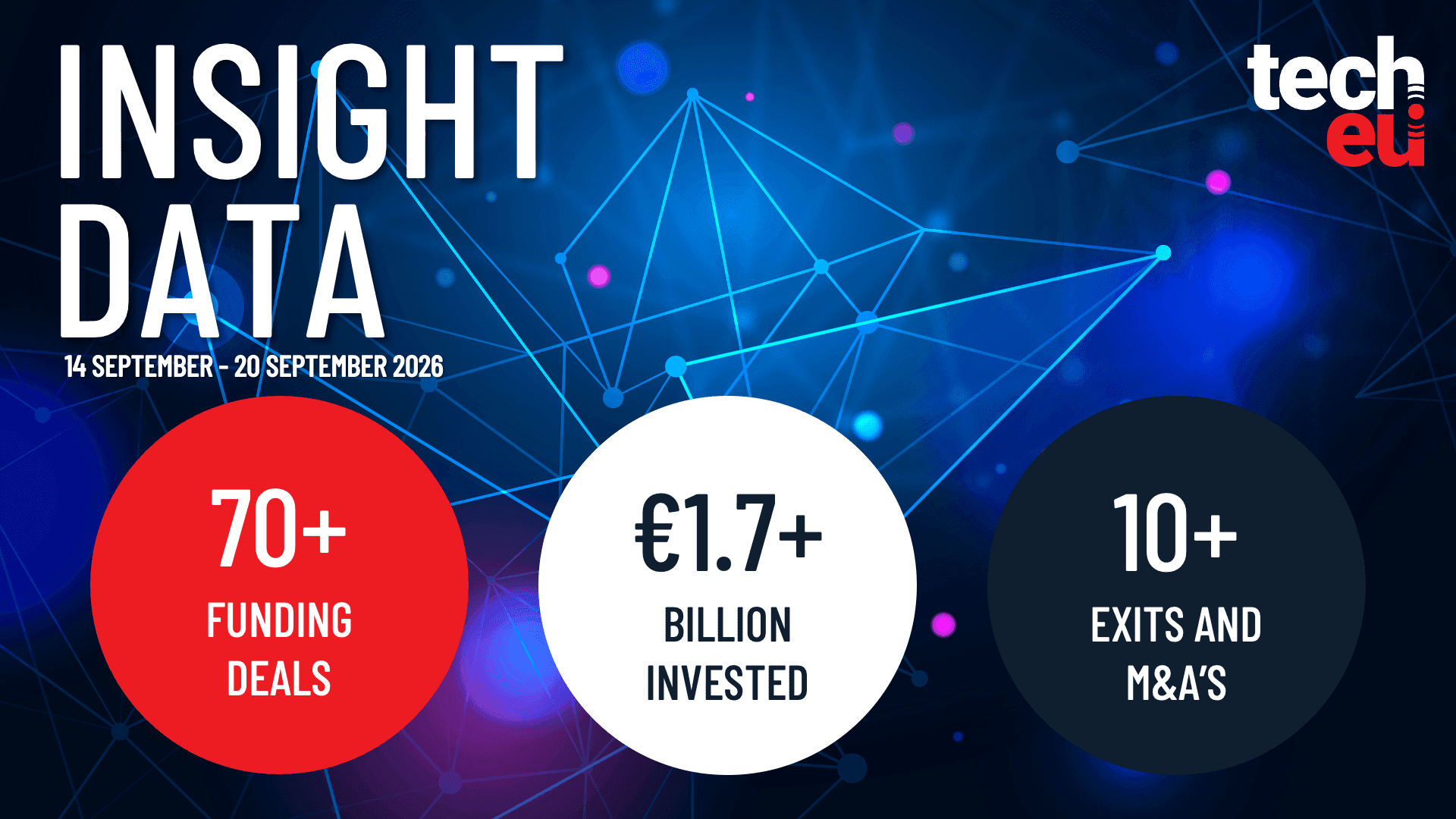
歐洲科技週報:超過 70 筆交易投資額突破 17 億歐元 - Tech.eu
• 上週歐洲科技公司在超過 70 筆融資交易中獲得了超過 17 億歐元的資金。 • 義大利的 Exein 以 17 億美元的估值籌集了 2.7 億美元,成為歐洲最具價值的網路安全規模化企業(scaleup)。
閱讀原文 · tech.eu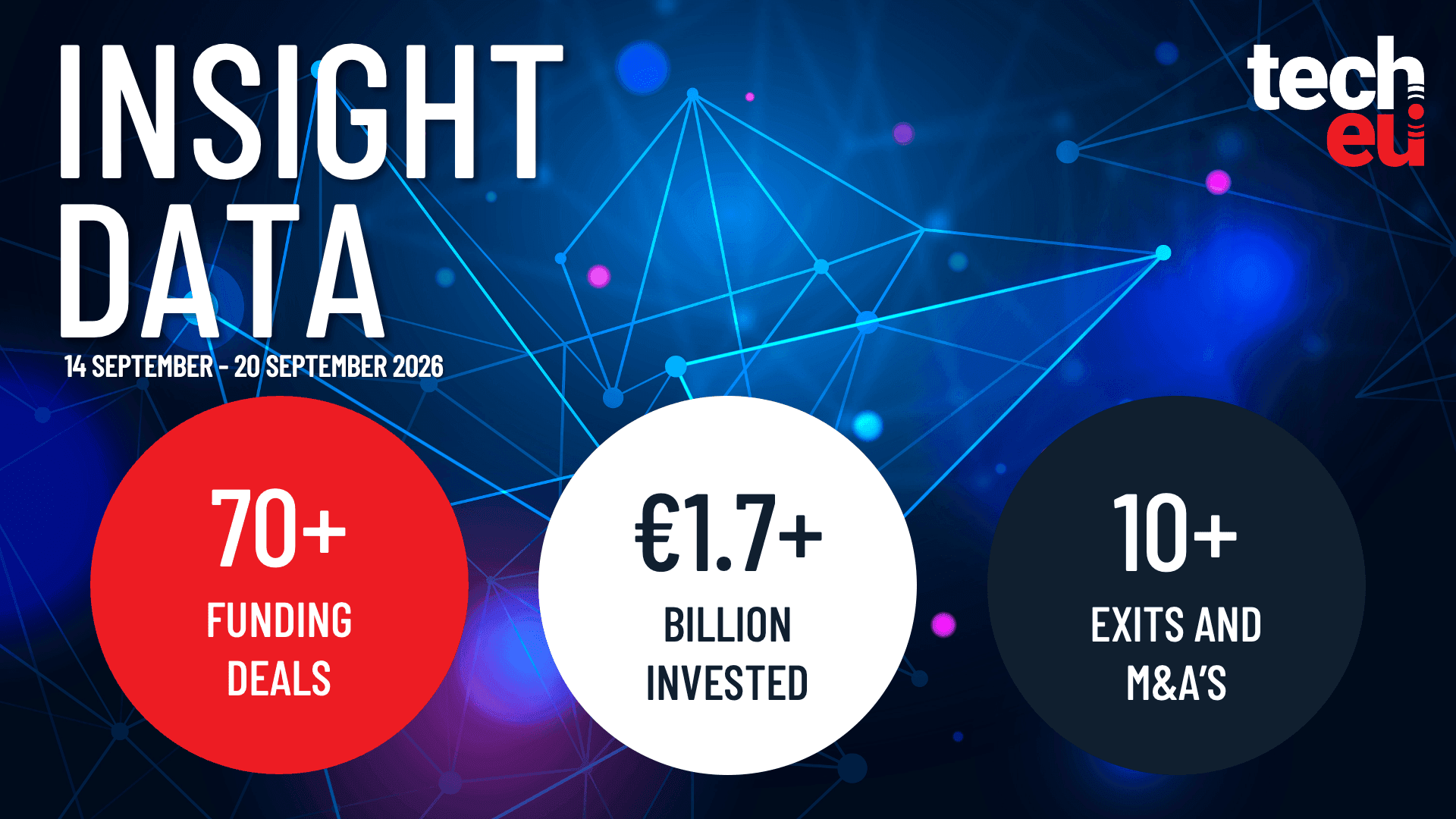 Tech.eu
解析東南亞能源轉型中的 AI 應用 - The China-Global South Project
• 基於 AI 的分析引擎目前正被用於管理東南亞各地的微電網以及巡檢太陽能電廠。 • 在 Thailand,自主飛行無人機利用電致發光 (electroluminescence) 影像(其作用類似 X 光),用以識別天氣事件後太陽能面板的裂紋與缺陷。
閱讀原文 · chinaglobalsouth.comASML 正式啟動印度業務,將擴張與 Tata Electronics 晶圓廠掛鉤
• 半導體設備製造商 ASML 正於印度展開營運,以支持 Tata Electronics 在 Dholera 建設的晶片製造廠。 • 該公司計劃初步招募 20 至 30 名工程專業畢業生,為其新設立的在地分支機構提供人力。
閱讀原文 · analyticsindiamag.com歐洲 AI 公司警告:放緩前沿 AI 開發將鞏固美國領先地位,反對呼籲採取剎車措施
• 歐洲主要 AI 公司正反對美國實驗室呼籲放緩前沿 AI(指最先進且強大的 AI 模型)開發的建議。 • Prosus 的數據顯示投資差距顯著,2023 年美國佔全球 AI 風險投資的 77%,而歐洲僅佔 11%。
閱讀原文 · digitaltoday.co.kr數位變革提案引發人工智能數據「圈地運動」隱憂
• 活動人士警告,歐盟擬議的數位修正案可能會將私人 AI 公司的利益置於公民的隱私權之上。 • 其中一項具體修正案允許,若符合數據控制者或第三方的合法利益,則可用於開發 AI 模型的個人數據處理。
閱讀原文 · irishtimes.com The Irish Times
高解析觸感:光學觸覺感測的機制
• Forbes 於 2026 年 9 月 20 日報導,機器人夾爪正透過光學觸覺感測(optical tactile sensing)實現高解析觸感與通用靈活性。 • 此技術將電腦視覺與彈性體薄膜(一種柔軟且類似橡膠的材料)相結合,用以感測物理接觸。
閱讀原文 · science-technology.news-articles.net科技股領漲亞洲股市,油價回落 - CNA
• 由於對人工智慧數據晶片的需求強勁,亞洲股市於 9 月 21 日星期一上漲。 • 由於市場預期 Saudi Arabia 可能增加供應,抵消了 Houthi 攻擊 Riyadh 的消息,導致油價下跌。
閱讀原文 · channelnewsasia.com CNA
CNA科技股領漲亞洲股市,原油價格下跌 - CNA
• 由於對人工智慧(AI)晶片的需求強勁,亞洲股市在 9 月 21 日星期一上漲。 • 儘管海灣地區衝突持續,但有報導指出中東地區的供應流出量高於此前預期,導致原油價格下跌。
閱讀原文 · channelnewsasia.comCNA科技板塊帶動亞洲股市上漲,油價下跌 — Channel NewsAsia
• 由於對微晶片製造商股票的需求增加,亞洲股市在 9 月 21 日(週一)大多上漲。 • 南韓以科技股為主的指數上漲 1.1%,不含日本的 MSCI 亞太綜合指數上漲 0.3%。
閱讀原文 · ua.news Ua
UaAI 驅動晶片需求推升科技股,亞洲股市小幅走高
• 由於人工智慧晶片的需求增加帶動科技股上漲,亞洲股市週二全面上升。 • 南韓科技權重指數上漲 1.1%,日本 Nikkei 期貨上漲 0.5%,而除日本外的 MSCI Asia-Pacific 指數則上漲 0.3%。
閱讀原文 · business-standard.com