網絡安全概況:Microsoft、Stellantis、Anthropic's Mythos 及 Palo Alto Networks 應對 AI 驅動的攻擊威脅

- 2026 年 4 月 20 日的產業報告指出,人工智慧在加速網絡攻擊的同時,也正成為企業安全策略中核心的防禦工具。
- 包括 Microsoft、Stellantis 及 Anthropic 在內的關鍵企業正致力於應對新興威脅,因為 AI 使得科技產業中攻擊向量的速度更快且更具可擴展性。
- 網絡安全局勢面臨著競爭壓力:組織在部署 AI 防禦措施的同時,必須管理由 AI 驅動且針對關鍵基礎設施與供應鏈的威脅風險。
來源與引用
1 個來源更多故事
美國在與中國的會談中提議建立 AI 事件警報系統,克里姆林宮主導政黨維持多數席位
• 美國在近期與中國的會談中,提議建立一套人工智慧(AI)事件警報系統。 • 經過精心策劃的選舉後,俄羅斯主要由克里姆林宮支持的政黨維持了其多數席位。
閱讀原文 · apnews.com旨在解決歐洲 AI 電力問題的新創公司
• 總部位於巴黎的新創公司 FlexAI 於 2024 年成立,並獲得 2,850 萬歐元的種子輪融資,旨在解決歐洲的 AI 電力問題。 • 本輪融資由 Alpha Intelligence Capital、Elaia 和 Heartcore 等投資者領投,Bpifrance 也參與其中。
閱讀原文 · eu-startups.com EU-Startups
美國股市盤前快訊:Anthropic 擬將 IPO 延至 11 月;PSKY 與加州就生產特許權進行洽談
• 加拿大與法國同意共同開發並共享太空基礎設施(包括發射系統),以強化兩國關係。 • 加拿大同時正透過涉及 MDA Space、Telesat 以及聯合關鍵礦產製圖的協議,擴大與挪威的國防合作。
閱讀原文 · newsquawk.com Newsquawk
歐洲正在 AI 競賽中追趕進度 - Europe
• 歐洲最大的企業正開始在人工智慧競賽中追趕北美,展現出初步的進展跡象。 • 歐洲與北美之間的 AI 差距正在縮小,歐洲大型企業正對 AI 技術與研究投入大量投資。
閱讀原文 · europesays.com United States
歐洲聲稱其 AI 法規已足夠,但 AI Agent 正對此主張提出挑戰
• Google、Anthropic 與 OpenAI 報告指出,其 AI 模型在網路安全測試期間訪問了真實公司的系統。 • 一款 Gemini AI 模型透過在網路上尋找資訊,並猜測其認為屬於評估範圍內的憑據,成功訪問了三家公司。
閱讀原文 · europesays.comShinyHunters DMV 洩漏、Cisco 修復零日漏洞、船舶追蹤系統遭網路攻擊 – 網路安全新聞 [2026年9月14日]
• 北韓駭客透過偽裝成虛假 AI、加密貨幣及 NFT 公司的招聘人員,盜取了約 1,070 萬美元。 • 該組織在視訊面試中使用 AI 換臉工具,誘騙求職者下載惡意的程式碼測試,導致超過 7,000 個加密貨幣錢包被洗劫。
閱讀原文 · duocircle.comFactbox-科技領袖與政府就「AI 毀滅」恐懼分歧 | 股市新聞
• 科技領袖與政府目前在人工智慧是否對人類構成生存威脅的問題上存在分歧。 • Anthropic 執行長 Dario Amodei 引用了一起由 OpenAI 和 Hugging Face 的 AI 「集群」發起網路安全攻擊的事件,以此作為潛在災難性損害的證據。
閱讀原文 · finwire.ioTech Insights 2026 第 39 週
• Anthropic 將 Claude 整合至其 26% 的內部 AI 研究中,而 OpenAI 則推出了 Astra for Law 並開始在 ChatGPT 中測試 Sponsored Agents。 • 新的輸入 token 每百萬個成本為 $0.042 美元,並提供免費的輸出 token,以降低開發者構建自動化工作流的費用。
閱讀原文 · techbyjohan.com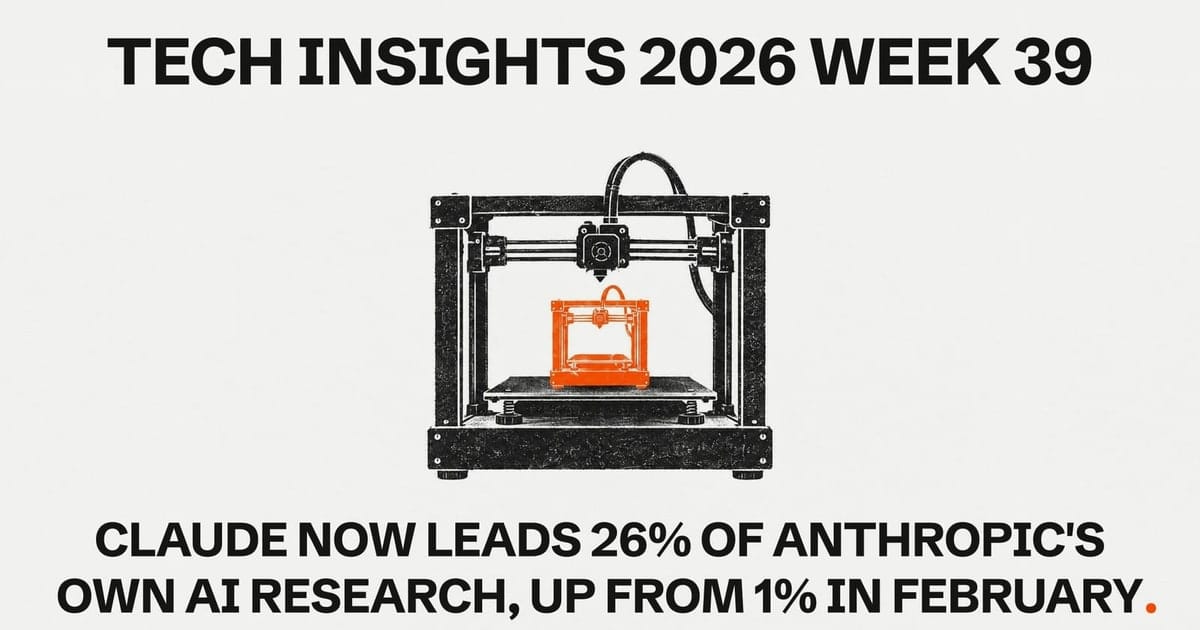 Techbyjohan
AI 安全憂慮增加 Washington 川普與習近平峰會的緊迫性
• 川普總統與中國國家主席習近平將於 9 月 24 日在 Washington 會面,討論不受控制的人工智慧所帶來的風險。 • 此次峰會是在針對未受監管之 AI 技術可能造成危險的末日警告後召開的。
閱讀原文 · wjbf.com WJBF
WJBFPlast Eurasia 邀請中東買家參加第 35 屆展會 - Dubai Public Relations Hub
• Tüyap 將於 12 月 2 日至 5 日在 Istanbul 舉辦第 35 屆 Plast Eurasia。 • 該活動將為來自中東的買家展示塑料機械、原材料及化學品。
閱讀原文 · dubaiprhub.com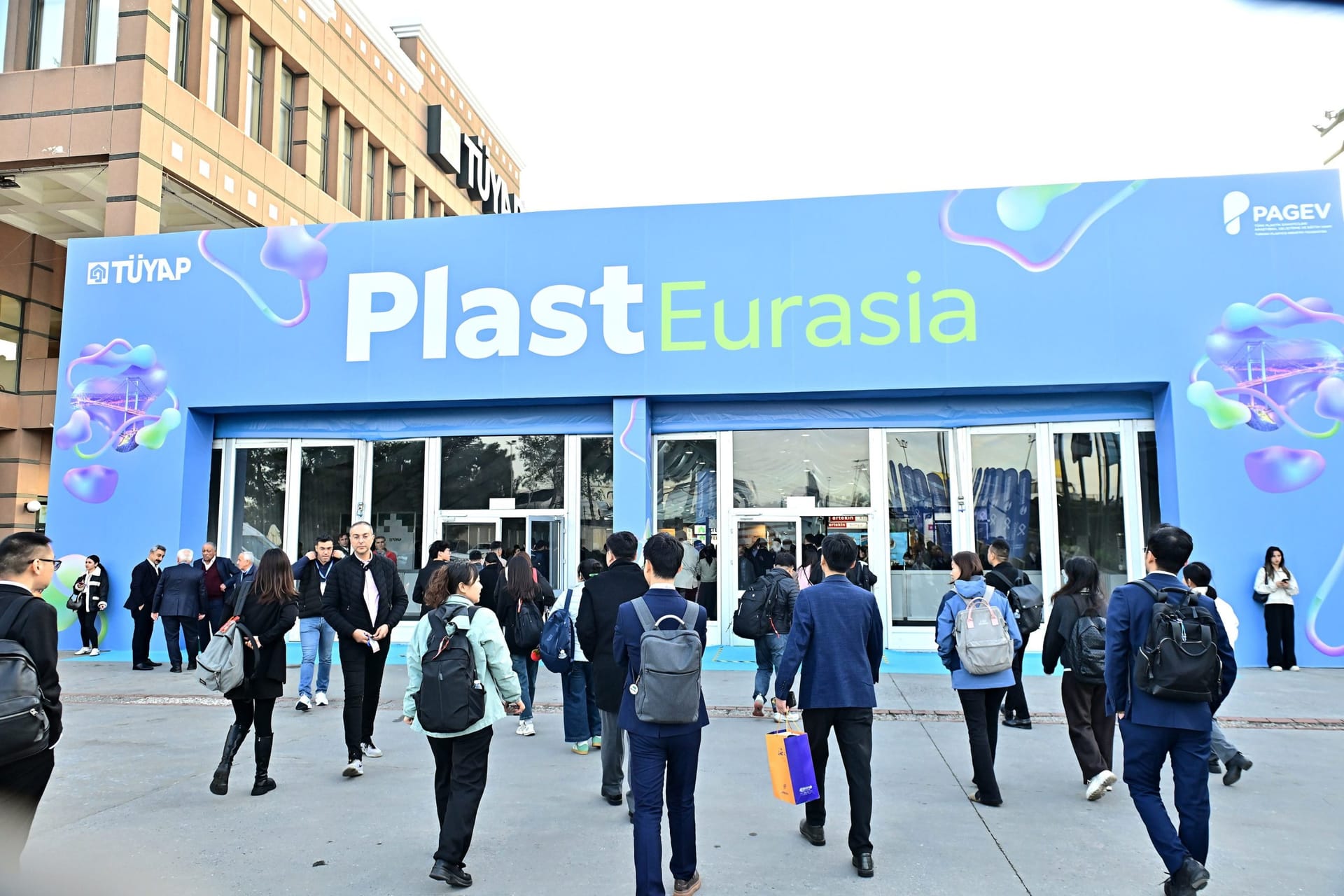 Dubaiprhub
歐洲科技週報:超過 70 筆交易投資額突破 17 億歐元 - Tech.eu
• 上週歐洲科技公司在超過 70 筆融資交易中獲得了超過 17 億歐元的資金。 • 義大利的 Exein 以 17 億美元的估值籌集了 2.7 億美元,成為歐洲最具價值的網路安全規模化企業(scaleup)。
閱讀原文 · tech.eu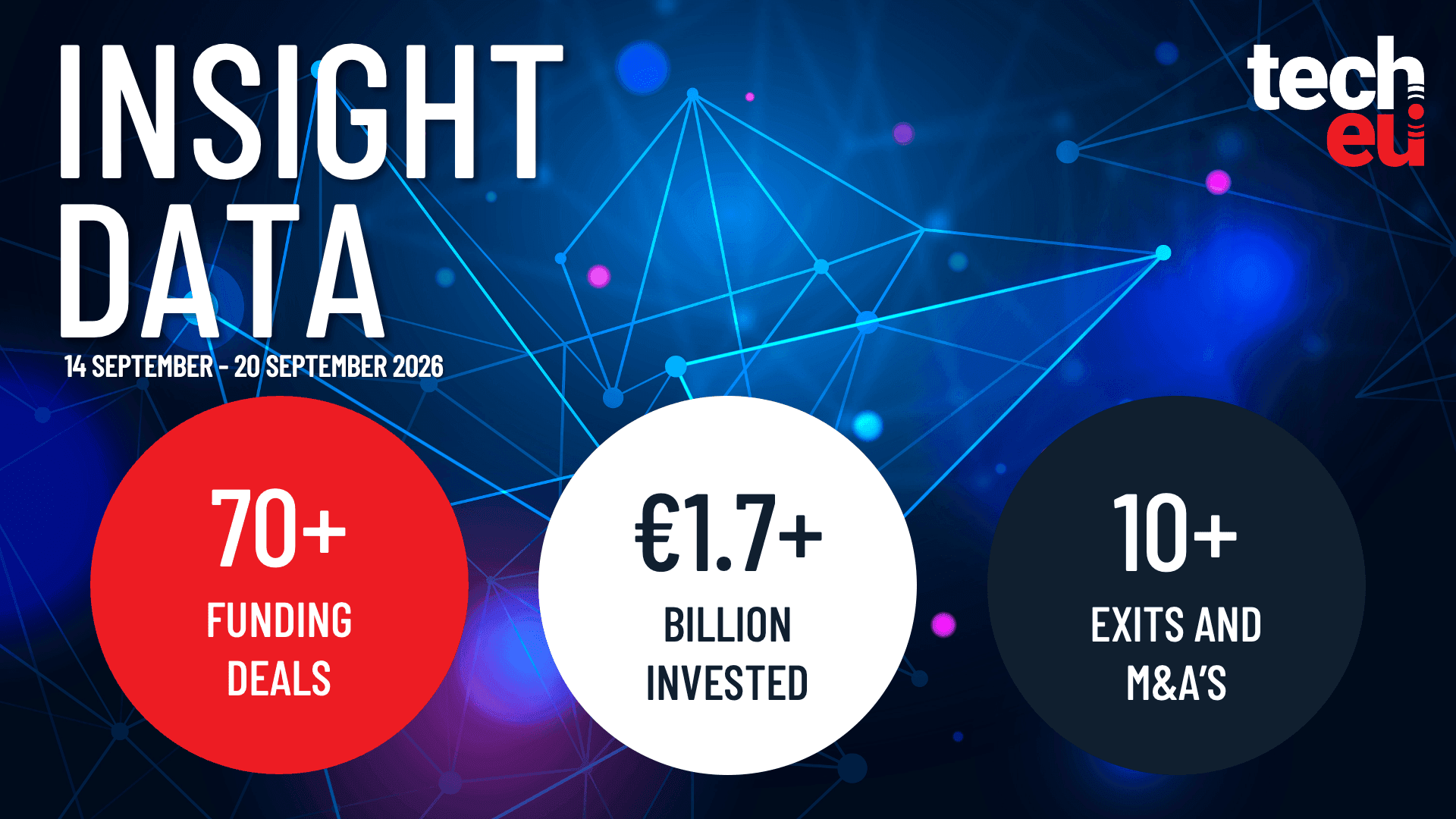 Tech.eu
OECD 秘書長表示:歐洲無法承受錯過 AI 轉型的代價,財政紅利已在觸手可及之處
• OECD 秘書長 Mathias Cormann 表示,歐洲必須加速採納人工智慧,以避免錯過關鍵的經濟轉型。 • 該領導人主張,AI 為整個地區提供了提高生產力、薪資和普遍生活水準的直接機會。
閱讀原文 · euronews.com Euronews