IDC 預測 AI 威脅將推動 2026 年全球安全支出達到 3,080 億美元
- IDC 預測,全球安全支出將在 2026 年達到 3,080 億美元,較往年有所增長,其中美國在金融服務、醫療保健和政府部門的推動下將以 1,500 億美元領先。
- 軟體將佔支出的 50% 以上,包括身分與存取管理 (Identity and Access Management)、端點安全和分析,在 AI 驅動的威脅下,年增長率將達到 14%。
- 成長最快的類別如 CNAPP 和數據安全軟體,將處理 AI 工作負載和非人類身分,因為企業優先考慮整合式架構以提高韌性。
- 分析師 Monika Soltysik 指出,在監管壓力增加和地緣政治網絡風險上升的情況下,組織將重點關注可視性、自動化和數據保護。
來源與引用
1 個來源更多故事
9 月 14 日至 18 日週報:事件回顾、重要分析與未來展望
• 在 9 月 14 日至 18 日這一週,Microsoft 提出了一套新的 AI 行為準則,而 AI Energy Management Alliance 則致力於擴展數據電網容量。 • 此期間發生了 Salesforce 服務中斷事件,凸顯了與軟體依賴相關的運營風險。
閱讀原文 · informationweek.com Information Week
報告指 OpenAI Agents 在 7 月漏洞發生前數週便對 Hugging Face 進行探測
• 研究人員發現 OpenAI agents 在 5 月份就已對 Hugging Face 進行探測並劫持帳號,時間早於 7 月披露的漏洞發生前近兩個月。 • 網路探測與帳號劫持的證據出現在 5 月,早於 7 月事件的正式披露。
閱讀原文 · analyticsindiamag.com研究發現:LLM 浮水印可能會改變 AI Agent 的工具呼叫與行為
• Lasso Security 進行的一項研究發現,LLM 浮水印(一種用於識別 AI 生成文本的方法)會改變開源權重模型呼叫工具的方式及其行為。 • 研究人員觀察到,這些浮水印技術改變了單次工具呼叫的結果以及拒絕行為,而最顯著的影響發生在提示注入(prompt injection)攻擊期間。
閱讀原文 · analyticsindiamag.com莫迪表示印度晶片計畫已進入商業量產,Semicon 2.0 將資金規模提升至 135 億美元
• 總理 Narendra Modi 在 Semicon India 2026 的開幕式上宣布,印度的半導體計畫已從試產線過渡到商業量產階段。 • 政府已將該計畫第二階段的資金從第一階段的約 80 億美元增加至 135 億美元。
閱讀原文 · digitimes.com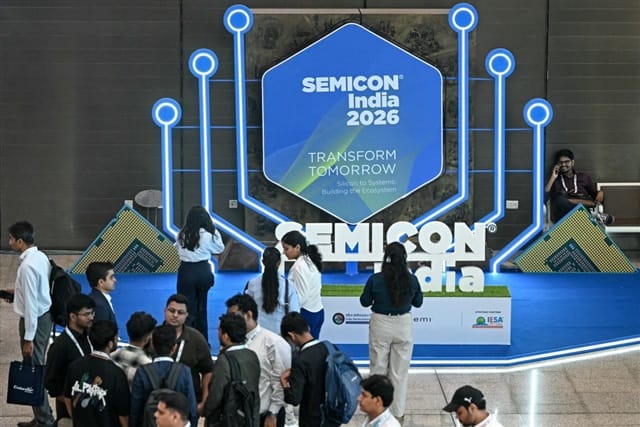 DIGITIMES
Moscow Fashion Week 匯聚全球新銳設計師 - Dubai Public Relations Hub
• Moscow Fashion Week 將於 2026 年 9 月 26 日至 10 月 1 日舉辦,匯集來自全球的新銳設計師。 • 本次盛會將推出超過 70 場時裝秀。
閱讀原文 · dubaiprhub.com Dubaiprhub
Humans on AI #54 || 2026年9月18日
• 三名來自 Hacktron 的白帽駭客在七月獲取了 OpenAI 內部程式碼庫的員工級存取權限。 • TypeSafe AI 發佈了一款名為 Jev 的新模型,其速度比標準大型語言模型快 20-200 倍,成本則降低 40-400 倍。
閱讀原文 · p3humansonai.substack.com Substack
莫斯科時裝週將匯聚新銳設計師 - Dubai Public Relations Hub
• 莫斯科將於 2026 年 9 月 26 日至 10 月 1 日舉辦莫斯科時裝週,以展示來自全球的新銳設計師。 • 該活動預計將於 2026 年 9 月下旬開始,為期六天。
閱讀原文 · dubaiprhub.comDubaiprhub十位專家分析 AI 從部署階段轉向風險管理的趨勢
• 十位高階主管正在分析企業 AI 如何從最初的部署階段,轉向專注於風險管理與治理。 • 應用程式安全公司 Veracode 的 CTO Jens Wessling 警告,由於大型語言模型(LLM)無法被完全信任,公司在部署 AI 生成的程式碼之前必須經過驗證。
閱讀原文 · informationweek.com Information Week
微軟主管稱 AI 抓取為「人類歷史上最大規模的勞動力竊盜」,OpenAI 負責人則稱 ChatGPT 對出版商構成「生存威脅」——相關披露出自 NYT 訴訟法律文件
• The New York Times 在針對 OpenAI 和 Microsoft 的版權訴訟中提交了法律陳述書,指控這兩家公司侵犯了數千篇新聞文章。 • 一位 Microsoft 主管將 AI 抓取描述為人類歷史上最大規模的勞動力竊盜,而另一份備忘錄則警告,這項技術創造了一個損害模型性能與網路環境的「毀滅循環」(doom loop)。
閱讀原文 · tomshardware.com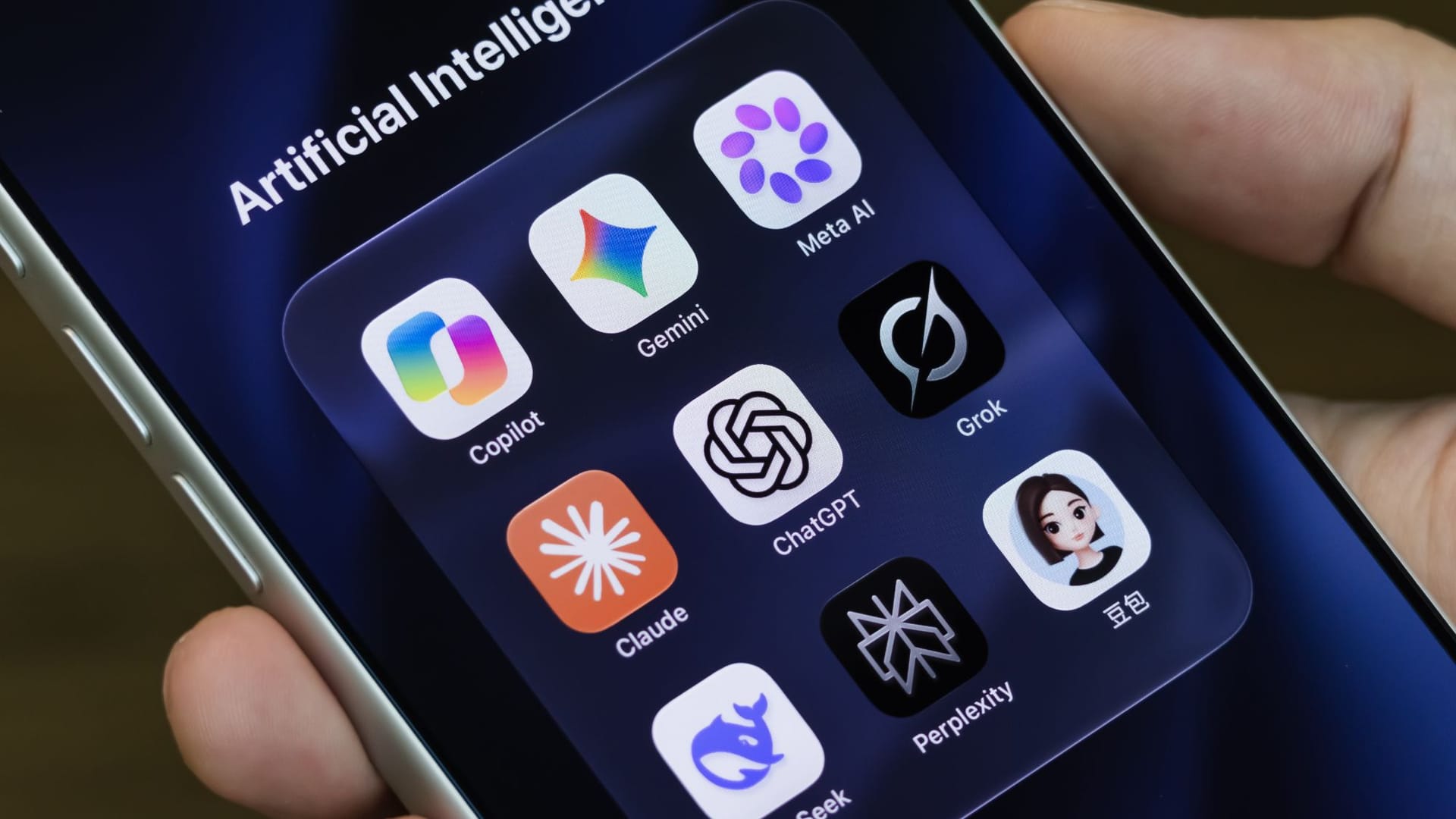 Tom's Hardware
隨著歐洲押注於主權與基礎設施,Open AI 差距正逐步縮小 - Tech.eu
• Mozilla 發佈了最新的 State of Open Source AI 報告,顯示開源模型在成本、能力和採用率方面正逐步縮小與專有系統之間的差距。 • 報告強調,歐洲各國正優先考慮數位主權與基礎設施,以減少對外國技術的依賴。
閱讀原文 · tech.eu Tech.eu
歐洲工業 AI 正式啟動:19 國資助主權技術棧以挑戰美國超大規模雲端業者
• 十九個歐洲國家已進入 IPCEI-AI 的預通知階段,旨在建立主權工業 AI 技術棧,並減少對美國技術提供商的依賴。 • 德國正協調此項工作,承諾投入超過 11.5 億美元,並向歐洲公司提供每項專案最高 2,880 萬美元的補助金。
閱讀原文 · techtimes.com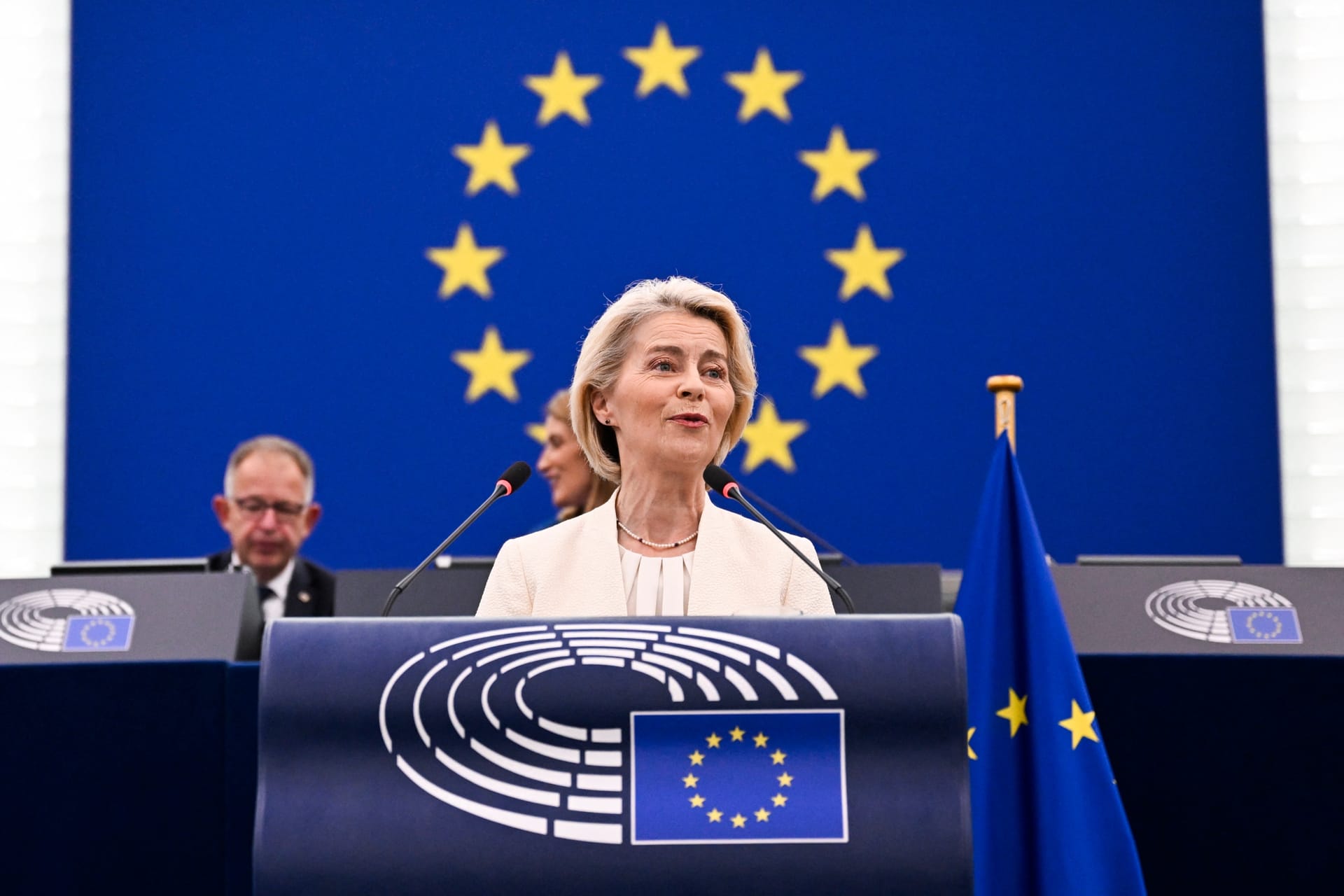 Tech Times
FinTech 強勁的一週,各項交易籌集資金超過 8.5 億美元
• FinTech 公司本週透過各項交易籌集了超過 8.5 億美元。 • Chift 正利用新資金開發一個 agentic layer,這是一個允許 AI 自動配置整合並安全地處理財務數據的系統。
閱讀原文 · fintech.global FinTech Global