田納西大學科學家破解金元素生成過程中長達 20 年的核物理之謎

田納西大學的物理學家利用中子探測器,測量了沿 r-process 路徑異種原子核中的 β 延遲雙中子發射(beta-delayed two-neutron emission),這是首次針對此對金等重元素形成至關重要的過程進行詳細研究。該團隊在經過 20 年的搜尋後,還在錫-133(tin-133)中發現了長期尋找的單粒子中子狀態,並觀察到挑戰現有核模型的非統計分佈。這些研究結果由 National Science Foundation 資助,強化了恆星核合成模型並開闢了核物理的新領域。接下來的步驟將包括優化中子星合併中 r-process 事件的理論計算。
更多故事
部分家用煙霧報警器含有約 0.3 微克的 americium,這是一種在核反應爐中製造的放射性元素。它首次產於 1940 年代,現在被用於一種價格約十美元的設備中 - ScienceBlog.com
• 許多家用煙霧報警器使用在核反應爐中產生的放射性元素 americium 來偵測煙霧。 • 這些設備通常含有約 0.3 微克該元素,購買價格約為十美元。
閱讀原文 · scienceblog.com ScienceBlog
首個卵巢 3D 地圖揭示隱藏系統控制卵子激活 - NewsBreak
• 研究人員開發了首個卵巢 3D 地圖,以研究卵母細胞(未成熟的卵子)如何以及何時被激活。 • 該研究結果發表在《Nature Aging》期刊上。
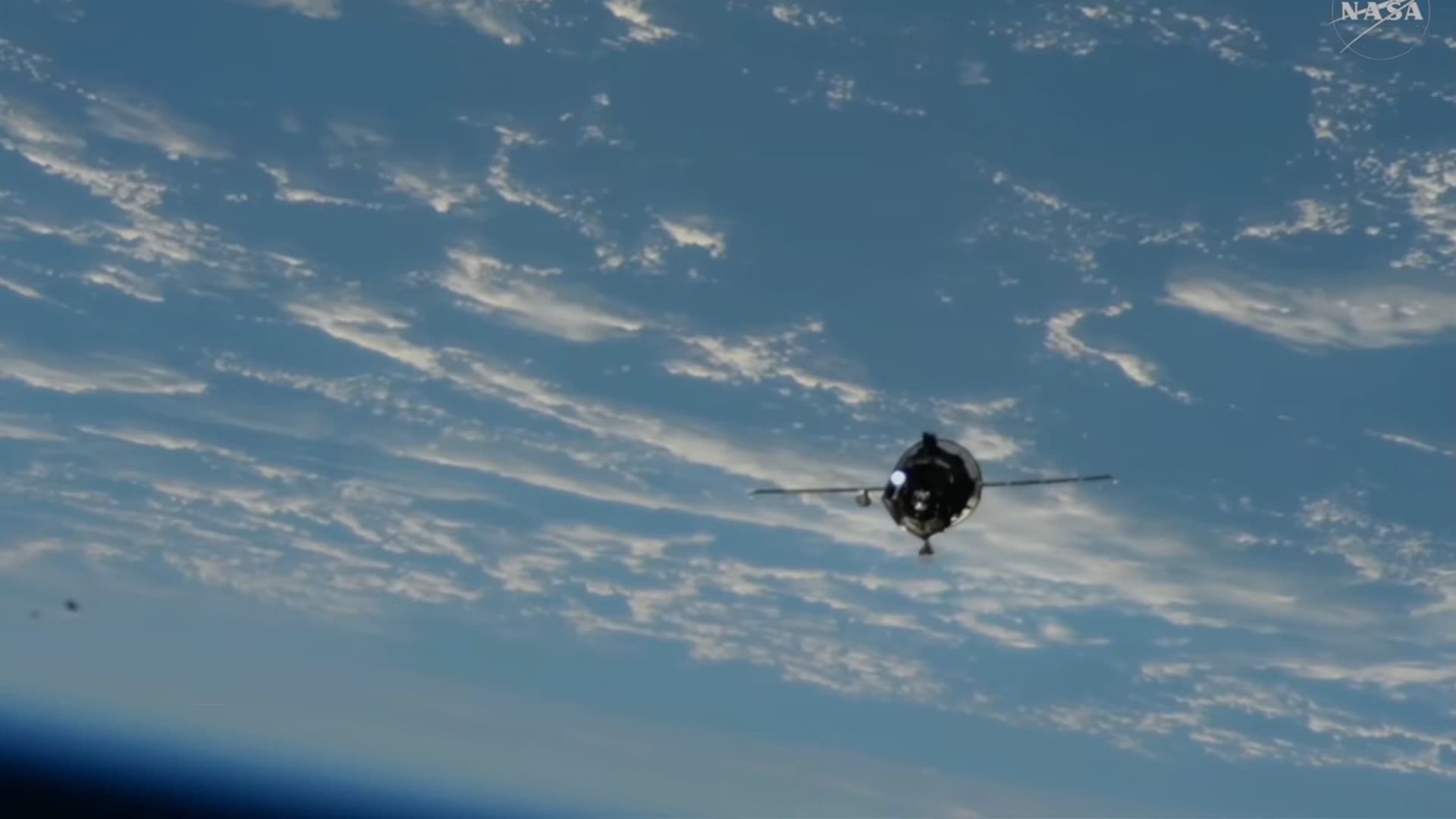
閱讀原文 · newsbreak.com俄羅斯 Progress 貨運飛船向 ISS 運送 3 噸物資 (影片)
• 俄羅斯的 Progress 96 貨運飛船於 9 月 19 日與國際空間站 (International Space Station) 對接。 • 該貨運飛船於美東時間上午 9:44 向軌道實驗室運送了 3 噸的貨物與物資。
閱讀原文 · space.com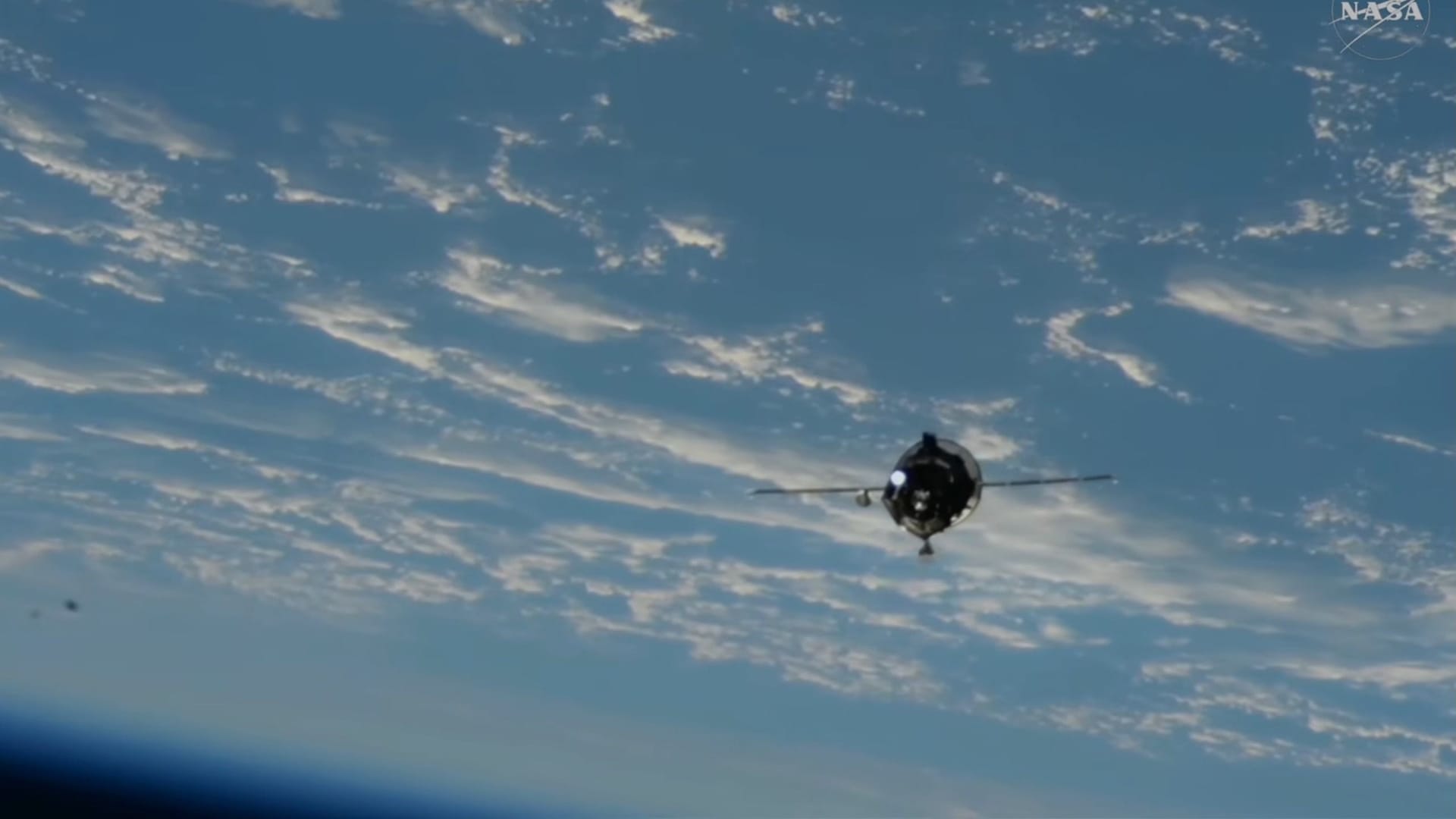 Space.com
圖坦卡門之墓或隱藏秘密密室,重新燃起對奈費爾提提王后的搜尋 - NewsBreak
• 1922年,Howard Carter 發現了圖坦卡門之墓的入口,這是埃及考古學的一項重大發現。 • 該墓地的發現促使人們重新搜尋奈費爾提提王后,部分人士認為她可能被埋在圖坦卡門之墓內部的秘密密室中。
閱讀原文 · newsbreak.com智利發現 900 萬年前的水豚牙齒,揭示古代 Atacama 沙漠曾有出人意料的潮濕環境 - NewsBreak
• 研究人員在智利的 Atacama 沙漠發現了一枚 900 萬年前的水豚牙齒。 • 這種半水棲齧齒動物的出現,表明該地區在那個時代擁有出人意料的潮濕環境。
閱讀原文 · newsbreak.com金星可能曾將自己的衛星拉回並撕碎,隨後將其殘骸吞噬 - NewsBreak
• 天文學家 Stephen Kane 建立電腦模型,用以模擬金星可能曾擁有的一顆衛星被其拉回、撕裂並吞噬的可能性。 • 根據其研究,Kane 的模型納入了不同質量的假設性衛星以及金星不同的自轉速度,以預測各種可能的結果。
閱讀原文 · newsbreak.com科學家在太陽系遙遠邊緣發現 27 個神秘天體
• 科學家在海王星之外的太陽系遙遠邊緣,發現了 27 個神秘的冰凍天體在運行軌道上。 • 這些微小的世界位於太陽系遙遠的外圍區域。
閱讀原文 · independent.co.uk The Independent
星際彗星 3I/ATLAS 可能形成於其恆星光芒無法觸及之區域
• 科學家判定,星際彗星 3I/ATLAS 可能形成於其原屬太陽系中,其母恆星光線無法到達的區域。 • 研究人員透過該天體的成分分析得出結論,證明其起源於遠離母恆星的地方。
閱讀原文 · space.com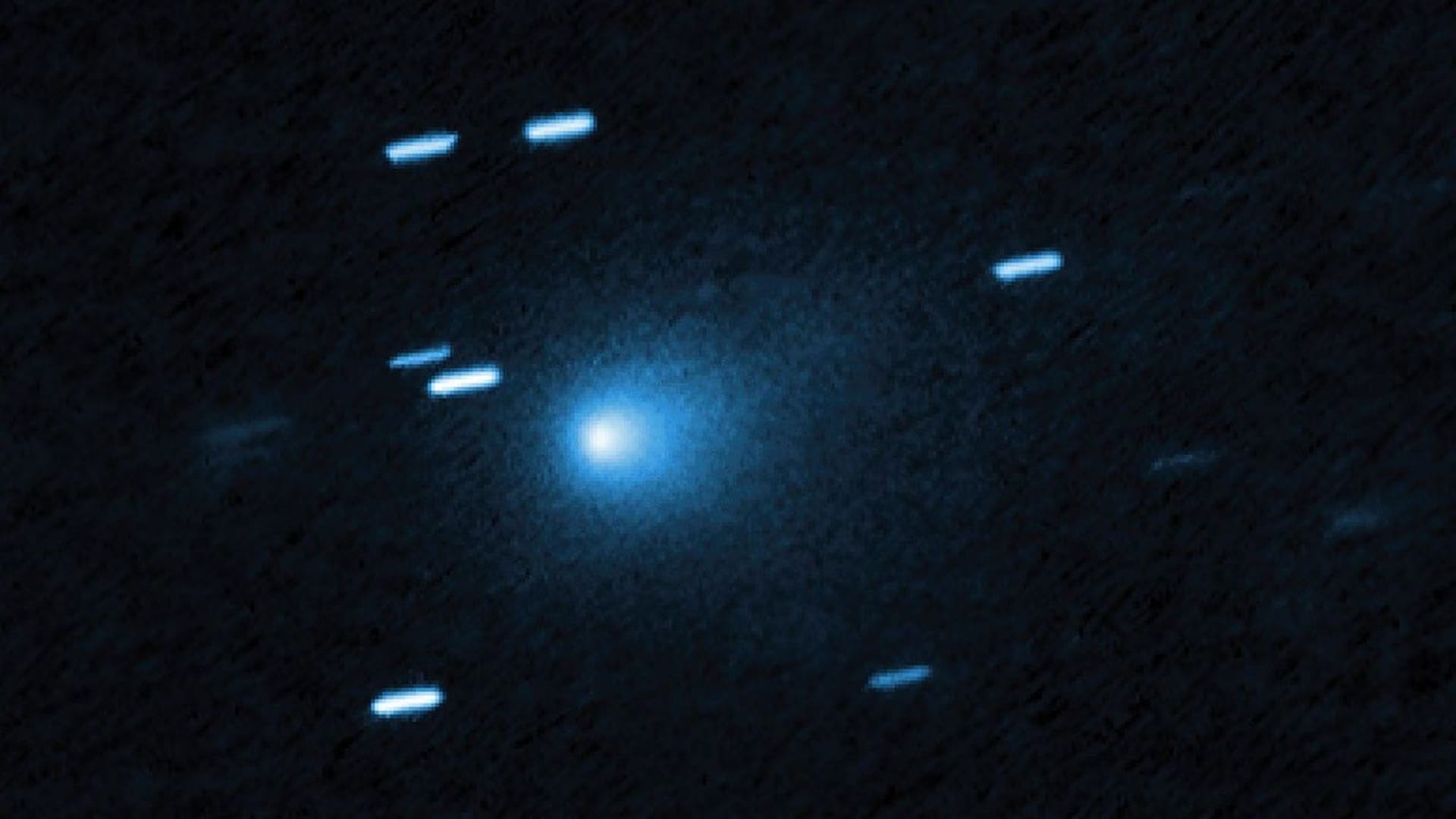 Space.com
最新科學新聞與研究發現解析 – ICO Optics
• ICO Optics 正在探索前沿的科學發展,並將複雜的突破轉化為易於理解的見解。 • 量子物理學和深空天文學等領域的近期研究正在重新定義我們對自然世界的認知,且新發現不斷湧現。
閱讀原文 · ico-optics.org ICO Optics
考古學家在奧勒岡州洞穴發現 55 件冰河時代文物,年代比埃及大金字塔早四倍
• 考古學家在奧勒岡州的洞穴中,發現了埋在火山灰下的 55 件冰河時代文物。 • 這些發現可追溯至 15,000 多年前,比埃及大金字塔的年代早四倍。
閱讀原文 · dailygalaxy.com Daily Galaxy
太空科學家發現前所未見的「神秘天體」 | 世界 | 新聞
• 太空科學家發現了 84 個「超軟 X 射線源」(hypersoft X-ray sources),這些是與先前觀測到的任何天體都不同的神秘物體。 • 研究人員正在調查這些天體是否為最終演變成 Ia 型超新星(Type Ia supernovae)的恆星;這類爆炸被用來證明宇宙的膨脹正在加速。
閱讀原文 · express.co.uk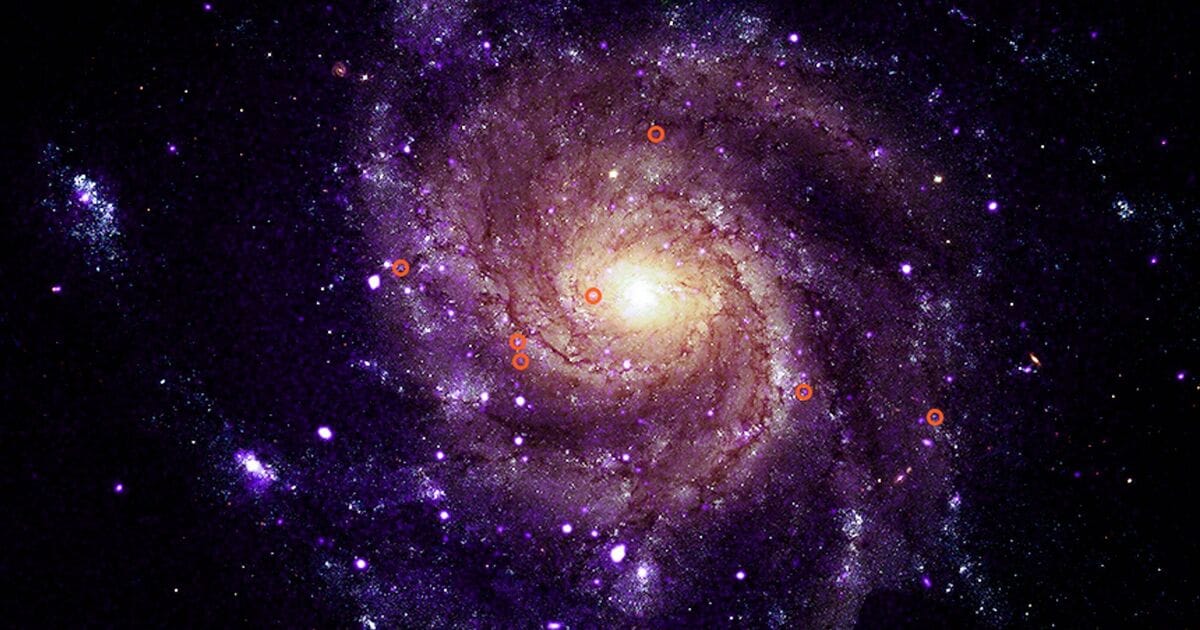 Express.co.uk
科學可能永遠無法回答的問題
• 科學界最大的謎團可能永遠無法解決,使得某些問題始終沒有答案。 • 科學家與記者正致力於講述真實且重要的科學故事,而編輯與記者通常也是其領域的專家。
閱讀原文 · scientificamerican.com Scientific American