 圖片:IANS News
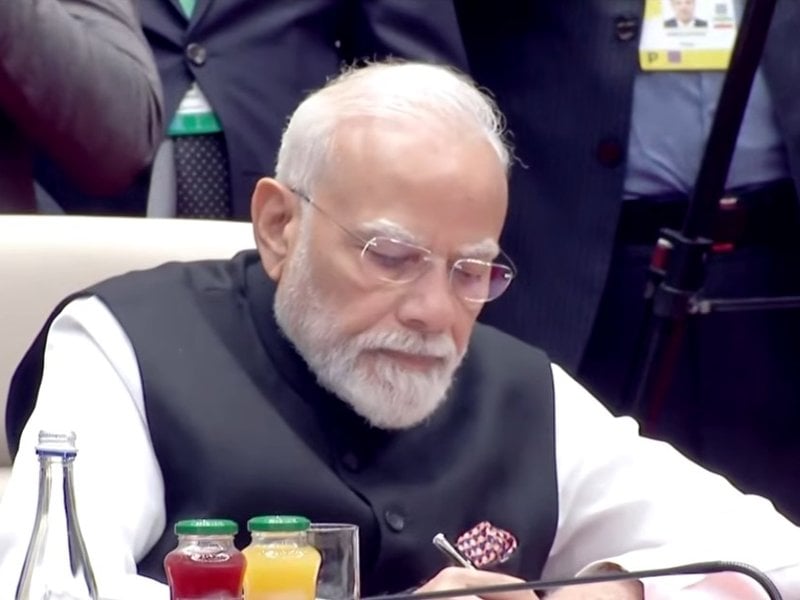
莫迪總理在 SCO 峰會上表示:所有戰爭應透過對話而非戰場解決
• 總理 Narendra Modi 強調,所有全球衝突與戰爭應透過外交與對話解決,而非在戰場上解決。 • 總理於 9 月 1 日在比什凱克舉行的 SCO 峰會上發言,重申了 India 對和平解決方案的承諾。 • Modi 特別強調 India 持續致力於提供人道主義援助,並支持 Afghanistan 人民的發展。
ianslive.in熱門話題
關於 Resolve 的最新報導和分析。
17 篇文章
圖片:IANS News• 總理 Narendra Modi 強調,所有全球衝突與戰爭應透過外交與對話解決,而非在戰場上解決。 • 總理於 9 月 1 日在比什凱克舉行的 SCO 峰會上發言,重申了 India 對和平解決方案的承諾。 • Modi 特別強調 India 持續致力於提供人道主義援助,並支持 Afghanistan 人民的發展。
ianslive.in• 美國司法部於 2024 年 8 月起訴 TikTok 及其前母公司,指其未能保護兒童隱私並收集相關資訊。 • TikTok 及其中國前母公司 ByteDance 週五同意支付 4 億美元的和解金,以解決美國司法部關於該短影音應用程式違反兒童在線隱私的指控。 • 司法部在 2024 年起訴 TikTok 和 ByteDance,指控其未能保護兒童隱私並非法收集其資訊。被告被指違反了一項法律,該法律要求針對兒童的在線服務在收集 13 歲以下用戶的個人資訊前必須獲得父母同意。
theguardian.com• 經濟學家警告,持續的衝突可能會將油價推高至每桶 100 美元以上,增加 RBA 進一步升息的機率。 • 經濟學家警告,若 Donald Trump 與伊朗之間重新爆發的衝突在一週內未能解決,油價與燃料價格的回升可能會促使今年第四次升息。 • 美國對伊朗的飛彈襲擊以及 Trump 昨夜宣布的新海上封鎖,已將油價推至兩國達成和平協議以來該月份的最高點。閱讀更多...
theguardian.com• Kathleen Williams 制裁總統的律師,並表示針對 IRS 的 100 億美元訴訟是出於「不當目的」而提出。 • 一名聯邦法官週一廢止了政府與 Donald Trump 及其兒子們就其稅務申報單洩露問題所達成的協議。該法官痛斥政府與總統的律師利用司法程序,試圖為總統編造一份有利的安排。 • 佛羅里達南區美國地方法官 Kathleen Williams 的這項裁決,封鎖了政府與總統律師於今年早前達成的一項備受批評的安排;該安排旨在解決 Trump 及其兒子就總統稅務申報單洩露而提出的 100 億美元訴訟。
theguardian.com• 印度總理 Narendra Modi 週四強調,全球衝突只能透過外交參與和建設性談判來解決,而非採取侵略行動。 • 此番言論發表之際,西亞地緣政治緊張局勢升溫,且美國與伊朗之間持續存在敵對狀態。 • 莫迪對外交手段的呼籲,凸顯了印度在危險升級期間維護國際和平與穩定的立場。
newkerala.com 圖片:Welland Tribune
• 美國與伊朗正試圖協商以永久結束目前的衝突,距離達成協議的時間僅剩不到 60 天。 • 兩國在臨時協議上仍處於僵局,對於關鍵的分歧點以及黎巴嫩的戰鬥狀況存在重大分歧。 • 缺乏共識凸顯了該地區的波動性,以及在兩大對立強權之間建立穩定停火協議的困難程度。
wellandtribune.ca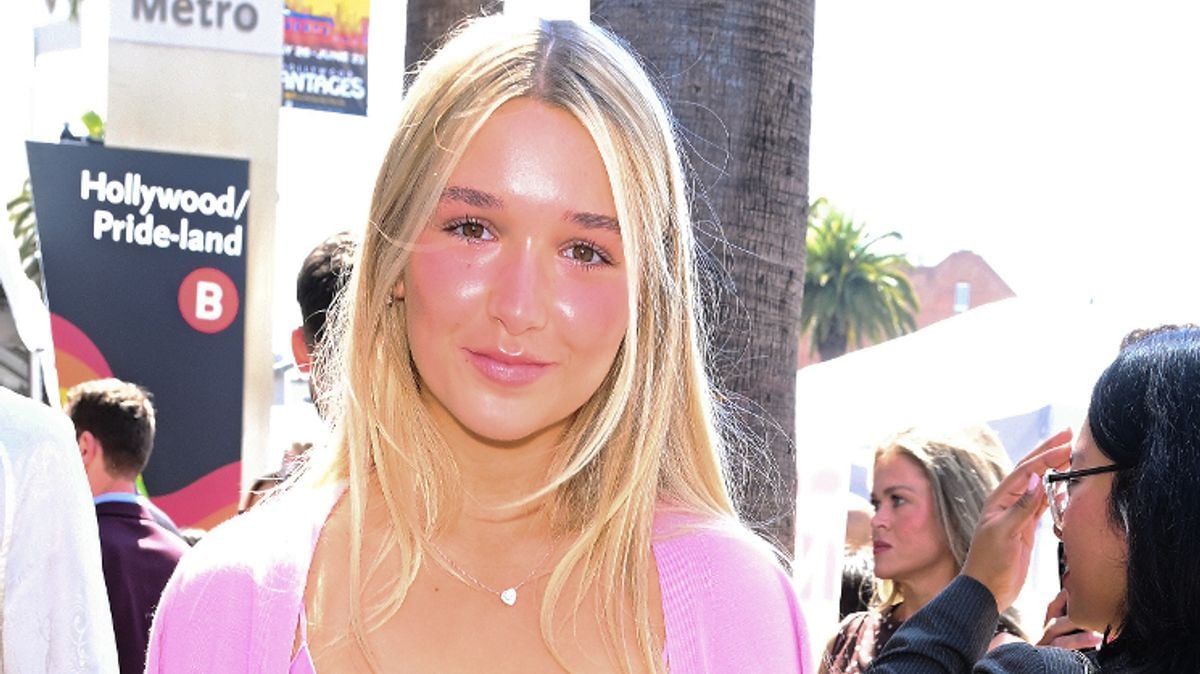 圖片:Mirror Online
• 14 歲的 Harper Beckham 試圖前往其哥哥 Brooklyn 位於美國的家中,以化解持續中的家族不和。 • 此訪適逢 Harper、Victoria、Romeo 和 Cruz 來到城中,慶祝 Sir David Beckham 在 Hollywood Walk of Fame 獲頒星光大道之星。 • 這一舉動凸顯了 Harper 在高調的公開活動期間,為修復家族內緊張關係所做的個人努力。
mirror.co.uk 圖片:Kyiv Post
• 歐盟擴員委員 Marta Kos 週一在訪問 Kyiv 時宣布,波蘭對烏克蘭加入歐盟談判的異議已獲得解決。 • 波蘭、法國及其他成員國提出的障礙被認定為國內政治問題,而非烏克蘭未能達到歐盟會員資格的官方標準。 • 此項解決方案消除了重大外交障礙,為本月晚些時候預定進行的關鍵談判步驟掃清了道路。
kyivpost.com 圖片:The Week
• 美國貿易代表署 (USTR) 正考慮根據 301 條款調查,對印度及其他 53 個國家徵收 12.5% 的額外關稅。 • 為了應對這些潛在的關稅,印度正尋求透過策略性貿易談判與協定來解決爭端。 • 此舉正值整體經濟緊張局勢,以及在可能的第二任 Trump 政府下保護主義增加的風險之中。
theweek.in• 民主黨試圖在 New Jersey 和 Iowa 擊敗共和黨,而其他重要選區的結果仍未可知 • 歡迎來到美國政治即時部落格。在三位領先候選人測試選民對經驗豐富的政治家或全面變革承諾的偏好後,California 競爭激烈的州長初選結果仍未定。 • Karen Bass 在週二激烈的 Los Angeles 市長初選中領先,但由於得票率低於 50%,她必須在 11 月的大選中捍衛其席位。她的對手可能是前實境節目明星 Spencer Pratt 或市議員 Nithya Raman。
theguardian.com 圖片:Center for Strategic and International Studies (CSIS)
• 在成功接管委內瑞拉總統 Nicolás Maduro 的「絕對決心行動」(Operation Absolute Resolve)後,白宮正加大對古巴的壓力以促使其進行政治變革。 • 美軍正在拉丁美洲和加勒比海地區擴大部署,重點打擊由 Mexican Cartels、MS-13、Tren de Aragua 及海地幫派等跨國犯罪組織主導的毒品販運,這已成為 2026 年年度威脅評估的重點。 • 厄瓜多 presidencial Daniel Noboa 在 2025 年關於外國基地的公投失敗後,尋求加強與美國的軍事聯繫;而巴拉圭則批准了一項軍隊地位協定,允許美軍為了訓練而進行臨時部署。
csis.org 圖片:Tech Buzz
• 總部位於矽谷的 Resolve AI 獲得 4000 萬美元的 A 輪延伸融資,將其估值推高至 15 億美元,旨在成立 Resolve AI Labs,專注於優化生產環境的 AI 模型。 • 此筆資金將支持開發可靠的 AI 系統,旨在滿足美國科技部門企業級規模部署的需求。 • 本輪融資凸顯了投資者對 Resolve AI 基礎設施的信心,該設施在 AI 需求激增的背景下,致力於填補 AI 研究與實際生產之間的鴻溝。
techbuzz.ai• 伊朗首席談判代表表示,在美國表示不會結束封鎖,而德黑蘭再次關閉 Hormuz 海峽後,雙方分歧依然巨大。 • 全文報導:伊朗再次關閉 Hormuz 海峽「直到美國解除封鎖」。 • 歡迎關注我們的中東事件即時報導。
theguardian.com• 歐盟委員會主席在坎培拉簽署貿易協定後發表講話,警告全球能源供應的「情況至關重要」。 • 歐盟委員會主席表示,美國與伊朗必須回到談判桌前,立即結束事實上對霍爾木茲海峽的封鎖,並停止中東地區的敵對行動。 • Ursula von der Leyen 指出,伊朗企圖透過攻擊非武裝商船及關鍵基礎設施來封鎖這條戰略水道的行為「必須受到譴責」。
theguardian.com 圖片:India Today
Signal 總裁 Meredith Whittaker 在 India Today Conclave 2026 上表示,美國政府與 Anthropic 等 AI 公司之間的衝突遠未結束,並主張「我並不認為那場對決已經有了定論」。Whittaker 解釋,在政府系統上部署 AI 模型會產生依賴性,且至關重要的是,美國法律禁止聯邦政府收集私人公司用來訓練 AI 系統的大量用戶數據。她指出,美國政府缺乏累積此類數據集的法律權限,並表示:「這些並非國家能夠創造的技術。無論他們有多少錢都沒有用,因為美國政府收集私人產業所能收集的那類數據是不合法的。」這些言論反映了政府機構與商業 AI 開發者之間持續存在的監管與運作緊張關係。
indiatoday.in