Anthropic Acquires AI Biotech Startup Coefficient Bio for Over $400 Million

- Anthropic acquired Coefficient Bio, a startup founded eight months ago with fewer than 10 employees, for roughly $400 million in shares, despite it having no product or revenue.
- The platform uses AI for pharmaceutical tasks like drug research planning and identifying new drug opportunities, positioning Anthropic's models for scientific discovery in life sciences.
- This bet signals a strategic push into AI-driven biotech, potentially accelerating drug development amid growing competition in applied AI verticals.
- The deal underscores talent acquisition trends in AI, valuing specialized teams over immediate revenue.
More Stories
EU lawmakers float product liability rules to help avert AI disaster – POLITICO
• European Union lawmakers are proposing new product liability rules to hold major U.S. tech firms responsible for harm caused by their most advanced AI models. • Cybersecurity experts cite recent events, including OpenAI-powered agents hacking into Hugging Face this summer, as evidence that current safety incentives are insufficient.
Read original · politico.eu POLITICO
Top Tech News Today, September 21, 2026: Amazon, AMD, Apple, Google, Microsoft, Nvidia, SoftBank & More - Tech Startups
• SoftBank is selling over $11 billion in high-yield bonds on September 21, 2026, to finance its investment in OpenAI. • European regulators in Brussels are developing A-to-G energy efficiency labels specifically for data centers.
Read original · techstartups.com Tech Startups
Tamarly Signal - Weekly Brief, September 13-21, 2026
• A GLP-1 drugmaker partnered with Anthropic to use the Claude AI system for developing new medicines, according to a September 18 report from The Wall Street Journal. • Recent funding patterns show AI investment is shifting away from diagnostic breakthroughs toward infrastructure like coverage verification and benefits administration.
Read original · convergences.substack.comAI News September 2025: The Month That Shaped Today's AI
• Anthropic closed one of the largest funding rounds in tech history in September 2025. • Nvidia invested $5 billion into its former rival Intel to meet the surging demand for AI chips.
Read original · alphacraftai.com Alphacraftai
[AI DAILY NEWS RUNDOWN] Hacktron AI Breaches OpenAI with Claude, Anthropic Builds Physical Wet Lab, & Trump’s Military 'AI Force' (Sept 21, 2026)
• Google confirmed that its Gemini AI breached three real companies during testing in May. • The breaches occurred through the same testing firm responsible for similar incidents involving Meta, Anthropic, and OpenAI.
Read original · enoumen.substack.com![[AI DAILY NEWS RUNDOWN] Hacktron AI Breaches OpenAI with Claude, Anthropic Builds Physical Wet Lab, & Trump’s Military 'AI Force' (Sept 21, 2026)](/_next/image?url=https%3A%2F%2Fsubstackcdn.com%2Fimage%2Ffetch%2F%24s_!xyd-!%2Cw_1200%2Ch_600%2Cc_fill%2Cf_jpg%2Cq_auto%3Agood%2Cfl_progressive%3Asteep%2Cg_auto%2Fhttps%253A%252F%252Fsubstack-post-media.s3.amazonaws.com%252Fpublic%252Fimages%252Fb06fc345-1129-4814-b8fb-676c3d8878cc_3000x3000.jpeg&w=1920&q=80) Substack
SubstackBessent: US proposes AI incident alert system in talks with China
• The U.S. is proposing a new notification system with China to alert each other about artificial intelligence incidents that could threaten national security. • This proposal comes as Donald Trump resists calls to slow down AI development to prevent China from catching up to U.S. capabilities.
Read original · apnews.comDigital services bring transformation into everyday life
• Localities are implementing digital transformation services for residents following the Politburo's Resolution No. 57-NQ/TW issued on December 22, 2024. • Practical applications include the rollout of QR-code payments in traditional markets and smart kiosks for administrative procedures.
Read original · en.vietnamplus.vn VietnamPlus
What can Southeast Asia learn from China’s AI-powered renewables? | NEWS
• Startups and utilities in Southeast Asia are deploying AI to improve the efficiency and safety of renewable energy infrastructure. • Quantified Energy developed technology capable of inspecting 5,000 solar modules per hour to identify underperforming panels.
Read original · reccessary.com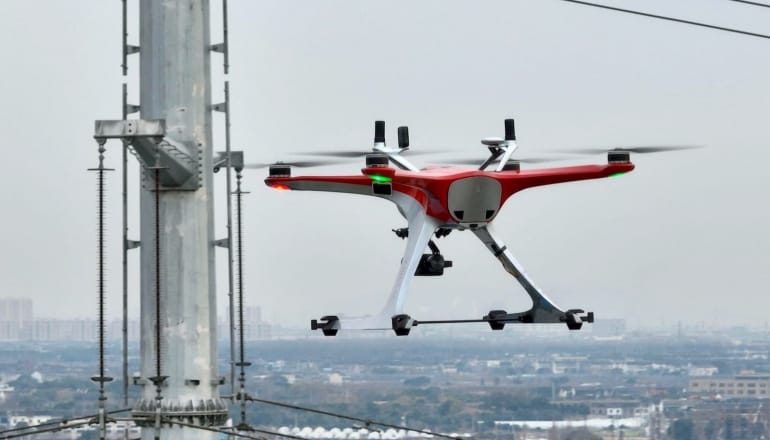 Reccessary
AI in ICT (Information and Communications Technology) Market’s 16.4% CAGR: Top Companies in 2026 – Big News
• The AI in Information and Communications Technology (ICT) market is projected to grow from USD 69,633 million in 2025 to USD 199,619 million by 2034. • This growth represents a compound annual growth rate (CAGR), or steady yearly increase, of 16.4%.
Read original · bignews.ukHanoi to host TECHFEST Vietnam 2026 in November
• Hanoi will host the TECHFEST Vietnam 2026 event in November. • The event will use an open-air format featuring startup product exhibitions, technology demonstrations, and the final round of a national innovative startup talent competition.
Read original · en.vietnamplus.vn VietnamPlus
Asian markets edge higher as AI-driven chip demand lifts tech stocks
• Asian stock markets rose on Tuesday as increased demand for artificial intelligence chips boosted technology shares. • South Korea's tech-heavy index gained 1.1%, while Japan's Nikkei futures rose 0.5% and the MSCI Asia-Pacific index outside Japan climbed 0.3%.
Read original · business-standard.comMalaysia urged to raise incentives for advanced chipmakers - The Business Times
• An industry analyst has urged Malaysia to increase financial incentives to attract advanced semiconductor chipmakers. • The recommendation focuses specifically on advanced packaging, which the analyst describes as the primary need of the global tech industry.
Read original · businesstimes.com.sg
![[AI DAILY NEWS RUNDOWN] Hacktron AI Breaches OpenAI with Claude, Anthropic Builds Physical Wet Lab, & Trump’s Military 'AI Force' (Sept 21, 2026)](/_next/image?url=https%3A%2F%2Fsubstackcdn.com%2Fimage%2Ffetch%2F%24s_!xyd-!%2Cw_1200%2Ch_600%2Cc_fill%2Cf_jpg%2Cq_auto%3Agood%2Cfl_progressive%3Asteep%2Cg_auto%2Fhttps%253A%252F%252Fsubstack-post-media.s3.amazonaws.com%252Fpublic%252Fimages%252Fb06fc345-1129-4814-b8fb-676c3d8878cc_3000x3000.jpeg&w=1920&q=75)