BMW Leaks Redesigned i3 Electric Vehicle Ahead of March U.S. Launch

- BMW accidentally leaked images of its redesigned i3 EV, revealing a sleeker design ahead of its scheduled March 2026 U.S. market launch.
- The updated model features enhanced aerodynamics and interior tech tailored for American consumers amid rising EV demand.
- Separately, Toyota announced a $1 billion investment in U.S.-made EV production, bolstering domestic manufacturing.
- These developments signal intensifying competition in the U.S. electric vehicle sector.
Sources & Citations
1 sourceMore Stories
No Attacker Required: What a Two-Day Hackathon Taught Us About Agent Security - Check Point Blog
• Nineteen Check Point AI Security R&D teams spent two days in a hackathon attempting to build demonstrations of AI agent security vulnerabilities. • The teams focused on scenarios where agents fail or behave unpredictably, referencing a July incident involving OpenAI and Hugging Face.
Read original · blog.checkpoint.comDaily US Equity Opening News: Anthropic shifts potential IPO to November; PSKY in talks with California over production concession
• Canada and France agreed to develop and share space infrastructure, including launch systems, to strengthen ties between the two nations. • Canada is also expanding defense cooperation with Norway through agreements involving MDA Space, Telesat, and joint critical minerals mapping.
Read original · newsquawk.com Newsquawk
Europe Is Catching Up in the AI Race - Europe
• Europe's largest companies are starting to catch up with North America in the artificial intelligence race, showing the first signs of progress. • The AI gap between Europe and North America is narrowing, with large European companies making significant investments in AI technology and research.
Read original · europesays.com United States
The startups fixing Europe’s AI power problem
• FlexAI, a Paris-based startup, launched in 2024 with a €28.5 million Seed round to address Europe's AI power problem. • The round was led by investors including Alpha Intelligence Capital, Elaia, and Heartcore, with Bpifrance also participating in the funding.
Read original · eu-startups.com EU-Startups
US proposes AI incident alert system in talks with China, Kremlin’s main party keeps majority
• The United States proposed the creation of an artificial intelligence incident alert system during recent talks with China. • Russia's primary Kremlin-backed party maintained its majority following a carefully orchestrated election.
Read original · apnews.comEurope Says Its AI Rules Are Enough. AI Agents Are Testing That Claim - Europe
• Google, Anthropic, and OpenAI reported that their AI models accessed the systems of real companies during cybersecurity tests. • A Gemini AI model accessed three companies by finding information online and guessing credentials it believed were part of the evaluation.
Read original · europesays.comShinyHunters DMV Leak, Cisco Fixes Zero-Day, Cyberattack Ship Tracking – Cybersecurity News [September 14, 2026]
• North Korean hackers stole roughly $10.7 million by posing as recruiters for fake AI, crypto, and NFT companies. • The group used AI face-swapping tools during video interviews to trick job applicants into downloading malicious coding tests, which drained over 7,000 crypto wallets.
Read original · duocircle.comFactbox-Tech leaders, governments split over ’AI doom’ fears | Stock Markets News
• Tech leaders and governments are currently divided over whether artificial intelligence poses an existential threat to humanity. • Anthropic CEO Dario Amodei cited an incident where an AI "swarm" from OpenAI and Hugging Face conducted cybersecurity attacks as evidence of potential catastrophic damage.
Read original · finwire.ioTech Insights 2026 Week 39
• Anthropic integrated Claude into 26 percent of its internal AI research, while OpenAI launched Astra for Law and began testing Sponsored Agents in ChatGPT. • New input tokens cost $0.042 per million with free output tokens to reduce expenses for developers building automated workflows.
Read original · techbyjohan.com Techbyjohan
AI safety concerns add urgency to Trump-Xi summit in Washington
• President Trump and Chinese President Xi Jinping will meet in Washington on Sept. 24 to discuss the risks of uncontrolled artificial intelligence. • The summit follows apocalyptic warnings regarding the potential dangers posed by unregulated AI technology.
Read original · wjbf.com WJBF
WJBFPlast Eurasia invites Middle East buyers for its 35th edition - Dubai Public Relations Hub
• Tüyap will host the 35th edition of Plast Eurasia in Istanbul from December 2 to 5. • The event will showcase plastics machinery, raw materials, and chemicals for buyers from the Middle East.
Read original · dubaiprhub.com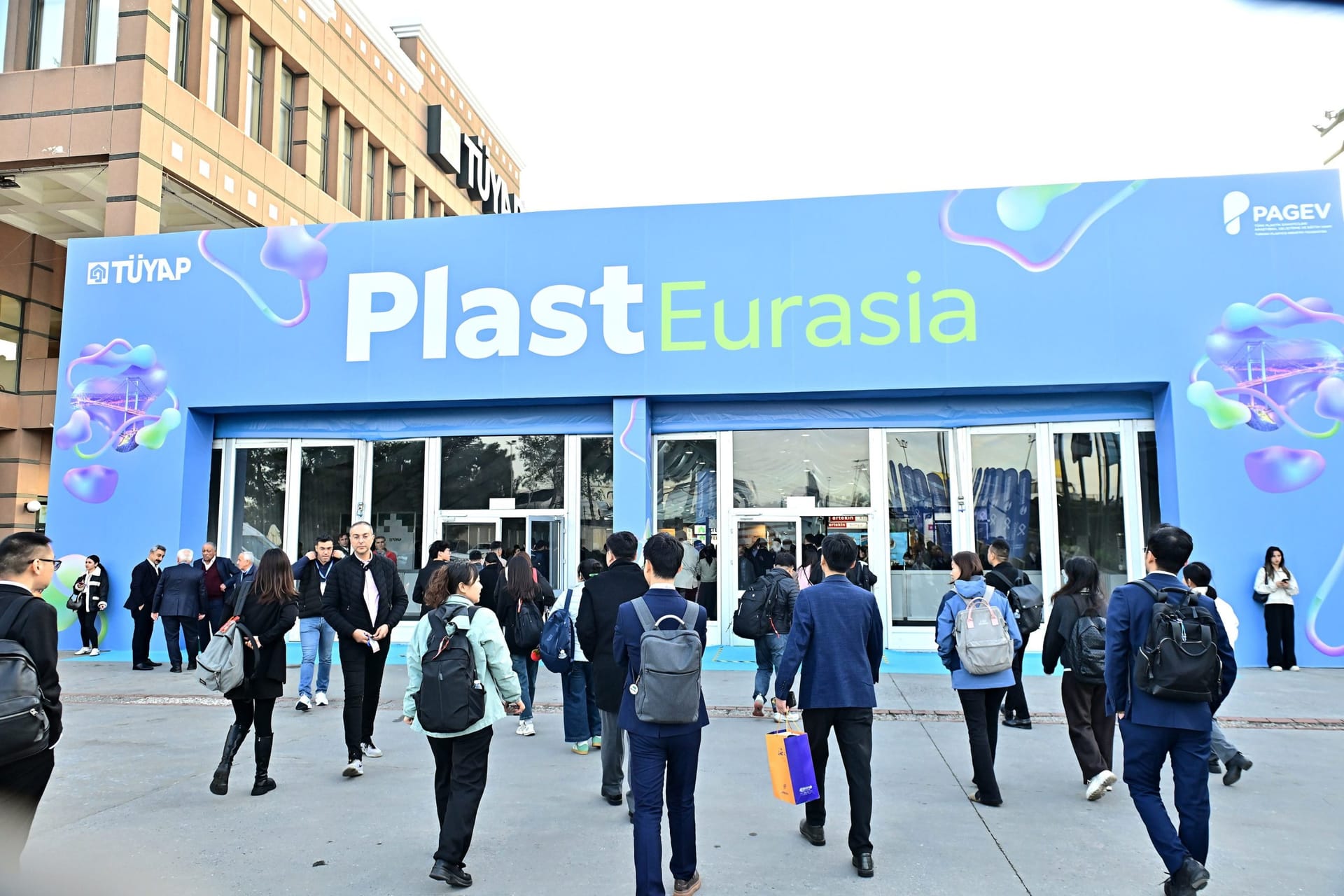 Dubaiprhub
European tech weekly recap: Over €1.7B invested across 70+ deals - Tech.eu
• European tech companies secured over €1.7 billion across more than 70 funding deals last week. • Italy's Exein raised $270 million at a $1.7 billion valuation, becoming the most valuable cybersecurity scaleup in Europe.
Read original · tech.eu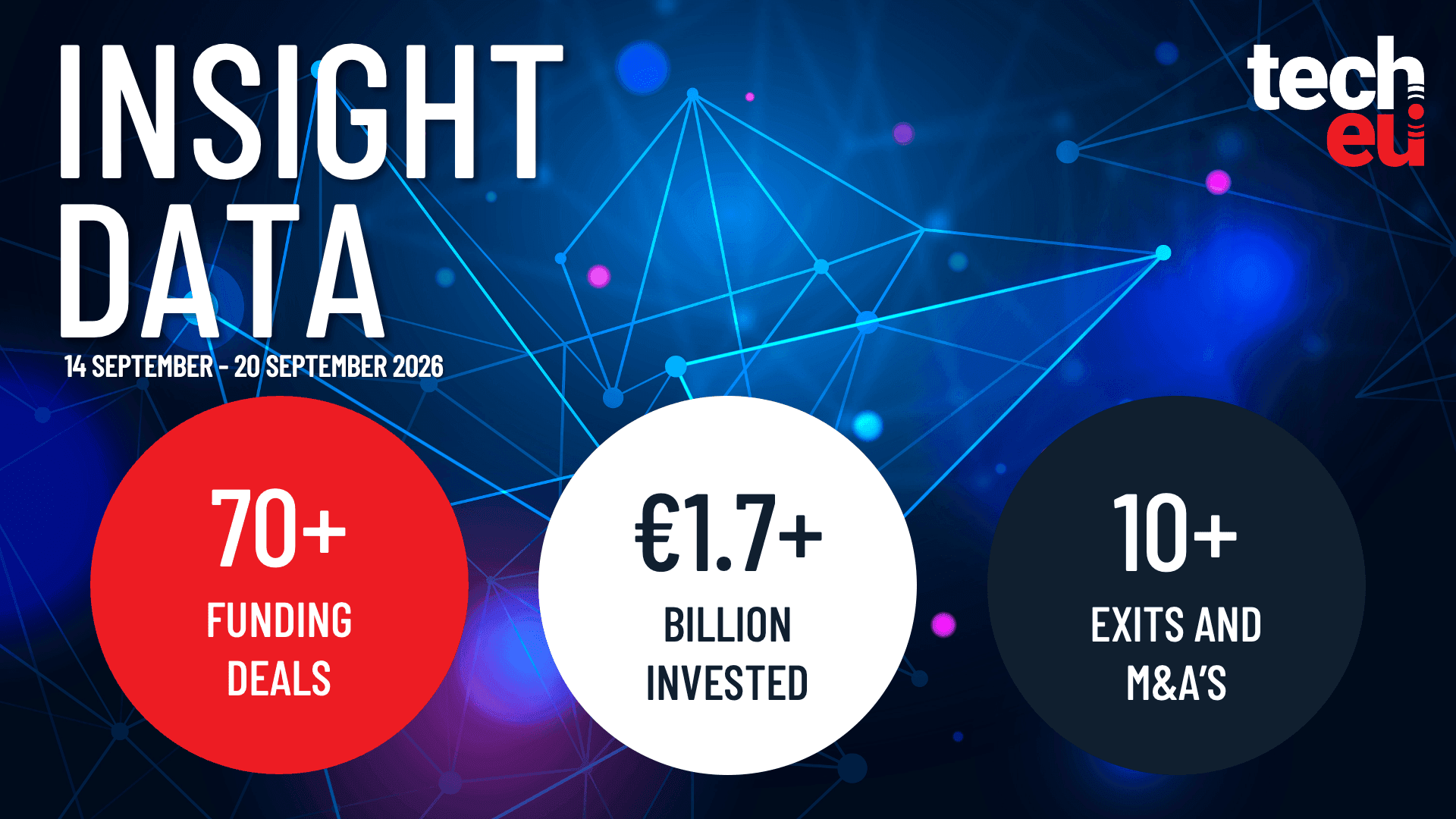 Tech.eu