CDC cuts leave US less prepared for disease outbreaks, former officials warn
As measles, hantavirus and cyclospora spread, experts say lost staff and expertise are slowing the responseA series of health challenges – hantavirus, screwworm, Ebola, cyclospora, measles, whooping cough, bird flu – are exposing the widening gaps in America’s ability to prevent, identify and halt infectious disease outbreaks.The rapid dismantling of the US public health system at all levels means the US is in worse shape than it was before the Covid pandemic, former top CDC officials say. Continue reading...
Sources & Citations
1 sourceMore Stories
Whiplashed middle powers seek new alliances as Trump rages on world stage
• Chinese President Xi Jinping called for international cooperation and an end to power politics during this month's Shanghai Cooperation Organisation meeting in Bishkek, Kyrgyzstan. • Xi stated that most countries do not want conflict or confrontation and instead seek an equal place on the world stage through their own development.
Read original · theguardian.comShrink the UN
• The United Nations is facing severe operational dysfunction as world leaders gather in New York for the annual General Assembly high-level week. • Veto-wielding powers including China, Russia, and the United States have blocked the Security Council from acting on conflicts in Ukraine, Iran, Myanmar, and Sudan.
Read original · foreignaffairs.comTrump weighs fresh demands from Iran ahead of UN visit
• President Donald Trump is considering new demands from Iran to end a conflict that has lasted seven months. • Trump returned from Camp David on Saturday before his scheduled address to the General Assembly on Tuesday.
Read original · foxnews.com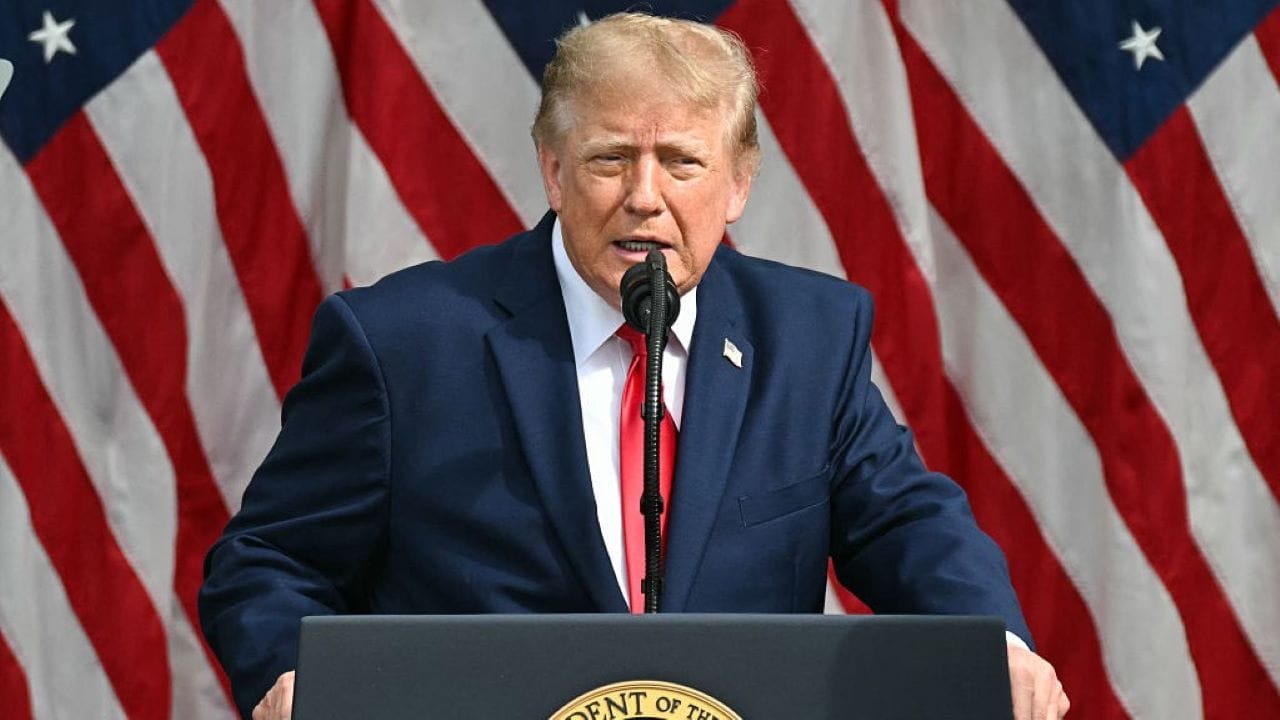 Fox News
Iran warns against new escalation by US and allies - The Economic Times
• Iran issued a warning of severe retaliation against the United States and its allies after claiming to have intelligence about an impending attack. • Iranian Parliament Speaker Mohammad Baqer Qalibaf stated that the country must continue fighting and negotiating to push back enemies and consolidate gains.
Read original · economictimes.indiatimes.comMobilizing middle powers in a multi-directional world - Academia - The Jakarta Post
• Middle powers are focusing their influence on the United Nations and the prevention of mass atrocities to stabilize a multi-directional world. • Various UN General Assembly and Human Rights Council resolutions are currently targeting the revitalization of the UN system to make it more coherent.
Read original · thejakartapost.com The Jakarta Post
World leaders return to UN amid wars in Middle East and Ukraine
• World leaders are returning to the United Nations for an assembly featuring potential high-level Security Council meetings on Ukraine, the Middle East, and artificial intelligence. • AI industry leaders recently called for a coordinated slowdown of technology development to prevent systems from improving on their own and escaping human control.
Read original · straitstimes.comSecurity forces preparing ‘extensive’ Yom Kippur operations in West Bank after terror attack
• Israeli security forces are preparing extensive operations in the West Bank following a deadly shooting attack at a local spring. • National Security Minister Itamar Ben Gvir has demanded that the terrorist responsible for the attack be executed.
Read original · timesofisrael.comUAE advances peace efforts through mediation, humanitarian action - The Gulf Time Newspaper
• The UAE is advancing international peace and stability efforts through a combination of diplomacy, dialogue, and humanitarian action. • The government is prioritizing conflict prevention and the protection of civilians to resolve existing global crises.
Read original · gulftime.ae Gulftime
In a world of wars and climate crisis, a new leader could save the UN. But would Trump allow it? | Steve Bloomfield
• A UN commission of inquiry recently accused Israel of committing genocide in Gaza while the organization struggled to maintain its global influence. • Donald Trump’s Board of Peace has effectively pushed the UN into a bystander role during current international conflicts.
Read original · theguardian.comWorld News | Guterres Calls for Global Unity, Cooperation Ahead of ‘last UNGA’ as UN Secretary-General
• UN Secretary-General Antonio Guterres called on world leaders this Sunday to prioritize peace, dignity, justice, and humanity. • The appeal comes as leaders prepare to gather in New York for the United Nations General Assembly, which will be Guterres' final assembly as Secretary-General.
Read original · latestly.comWorld leaders return to UN amid wars in Middle East and Ukraine
• World leaders are returning to the United Nations assembly to address ongoing wars in Ukraine and the Middle East. • The 80-year-old organization is currently facing a combined crisis of morale and finance alongside questions regarding its next leader.
Read original · rappler.com RAPPLER
Nvidia boss says there is ‘0% chance’ AI destroys the world by 2030
Jensen Huang dismisses warnings from former Anthropic researcher and others as ‘doomsday narratives’Business live – latest updatesThe boss of the chipmaker Nvidia has said AI will not develop to a point that will lead to the extinction of the human race within a few years, rejecting such assertions as overblown “doomsday narratives”.Jensen Huang, the co-founder and chief executive of the $5tn AI chipmaker, said the claims made on social media by the former Anthropic researcher Jacob Coxon that AI could become “superhuman” and kill off humanity within the decade was “irresponsible”. Continue reading...
Read original · theguardian.com