DC Mayor Bowser Vetoes Federal Transparency Legislation on Arrest Reporting

- On March 25, 2026, Washington D.C. Mayor Muriel Bowser vetoed the Full Accountability in Arrest Reporting Amendment Act of 2026, unanimously passed by the Council on March 3, which required Metropolitan Police to document arrests involving federal agents.
- The ACLU of DC expressed deep disappointment, arguing the emergency legislation was essential for transparency during federal-local law enforcement interactions.
- This veto highlights tensions over federal oversight in the capital, potentially affecting accountability in joint operations.
Sources & Citations
1 sourceMore Stories
Midterm Elections: The Battle For 2028 Begins
• Dana and Axios co-founder Mike Allen analyzed the shifting U.S. political landscape in preparation for the 2026 midterm elections. • The discussion highlighted emerging political flashpoints, including growing public backlash regarding the construction and impact of AI data centers.
Read original · radio.foxnews.com FOX News Radio
Congress averts a government shutdown ahead of midterms : NPR
• The U.S. House of Representatives voted on Tuesday to approve legislation extending government funding, successfully averting a potential shutdown. • The approved funding measure ensures that government operations will continue through mid-December, pushing the next deadline past the upcoming midterm elections.
Read original · npr.orgHouse passes short-term funding bill to avoid a shutdown before the election - News9.com
• The House of Representatives passed a short-term funding bill in a 370-48 vote to keep the government operational into early December. • This legislative action was taken specifically to prevent a government shutdown from occurring before the upcoming midterm elections.
Read original · news9.comHow The 2026 Midterm Elections Could Shape Retirement Policy
• The 2026 midterm elections are expected to significantly influence the future direction of U.S. retirement policy and federal legislation. • Beyond federal laws, the retirement landscape will be shaped by executive actions, regulatory guidance, and various state-level programs.
Read original · seekingalpha.comCongress votes to avert government shutdown ahead of midterm elections
• The House of Representatives passed a bill on Tuesday to extend government funding until December 11, successfully averting a potential shutdown before the upcoming midterm elections. • The final measure differs from the initial House proposal by omitting funding for Customs and Border Protection and Immigration and Customs Enforcement, as both agencies remain funded through the end of the Trump administration's term.
Read original · cnn.com CNN
CNNWATCH LIVE: House returns after August recess to tackle stopgap spending bill and more
• House lawmakers returned to Washington on Monday following a five-week August recess to address a short legislative agenda. • The primary objective is a vote on a stopgap spending bill intended to maintain full federal government funding through early December.
Read original · pbs.org PBS NewsHour
House passes short-term funding bill to prevent a shutdown before the election
• The House of Representatives voted Tuesday to pass a short-term funding bill, preventing a government shutdown that would have occurred at the end of September. • The legislation, which had already been approved by the Senate, maintains current spending levels through December 11.
Read original · nbcnews.com NBC News
House passes funding bill to avoid shutdown before midterms | US politics
• The House of Representatives passed a continuing resolution with a 370-48 vote to approve government spending and avoid a shutdown before the midterms. • The bill extends funding until December 11 and includes a delay on a White House Office of Management and Budget rule that Democrats feared would allow the Trump administration to cancel grants arbitrarily.
Read original · theguardian.comLive Updates: Trump says new U.S. strikes on Iran in retaliation for Strait of Hormuz sea mines, targeting base
• President Trump announced new U.S. military strikes against an Iranian base in retaliation for the deployment of sea mines in the Strait of Hormuz. • The escalation follows attacks on two oil tankers, marking a return to hostilities in a six-month conflict that has largely remained in a stalemate.
Read original · cbsnews.comGovernment shutdown AVERTED after House passes stopgap funding bill... kicking spending fight until after the midterm elections
• House Republicans passed a stopgap funding bill to avert a government shutdown that was scheduled to occur at the end of the month. • The measure effectively delays the broader spending fight until after the upcoming midterm elections, allowing lawmakers to return to their home states.
Read original · dailymail.com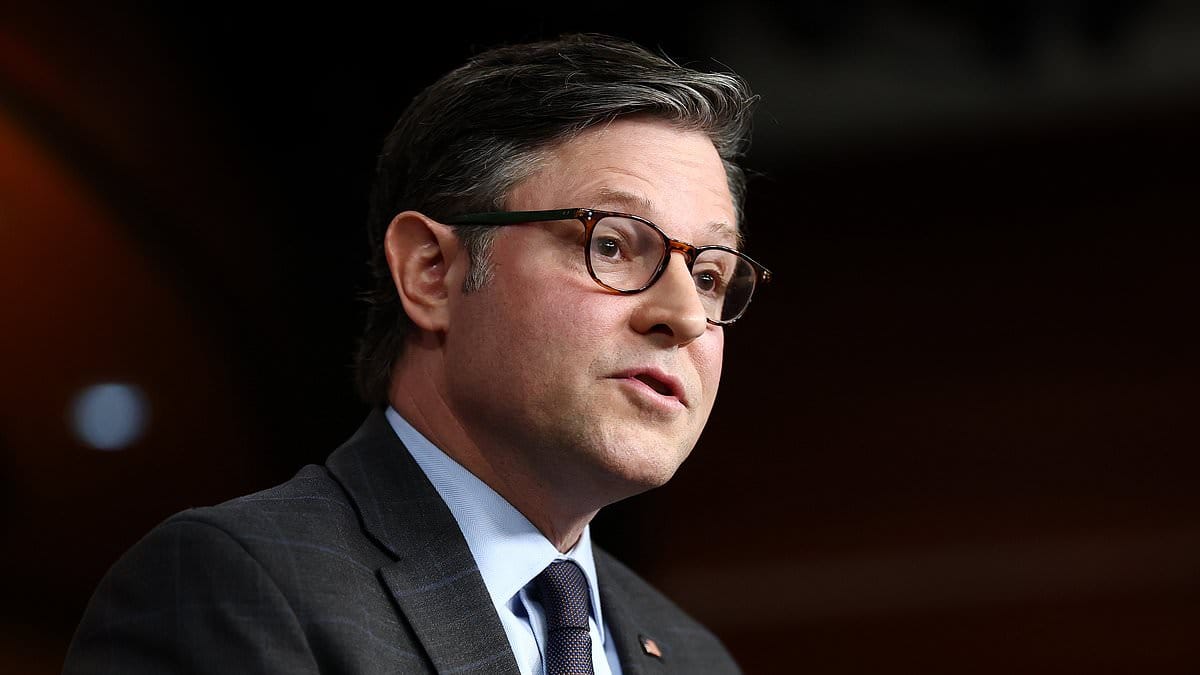 Mail Online
The Federalist's Guide To The 2026 Supreme Court Term
• The Supreme Court announced in June 2026 that it will hear a case regarding Arizona's voter registration requirements during its 2026-2027 term. • The Court must determine if the National Voter Registration Act (NVRA) prohibits Arizona from requiring proof of U.S. citizenship for registration or canceling non-citizen registrations within 90 days of an election.
Read original · thefederalist.com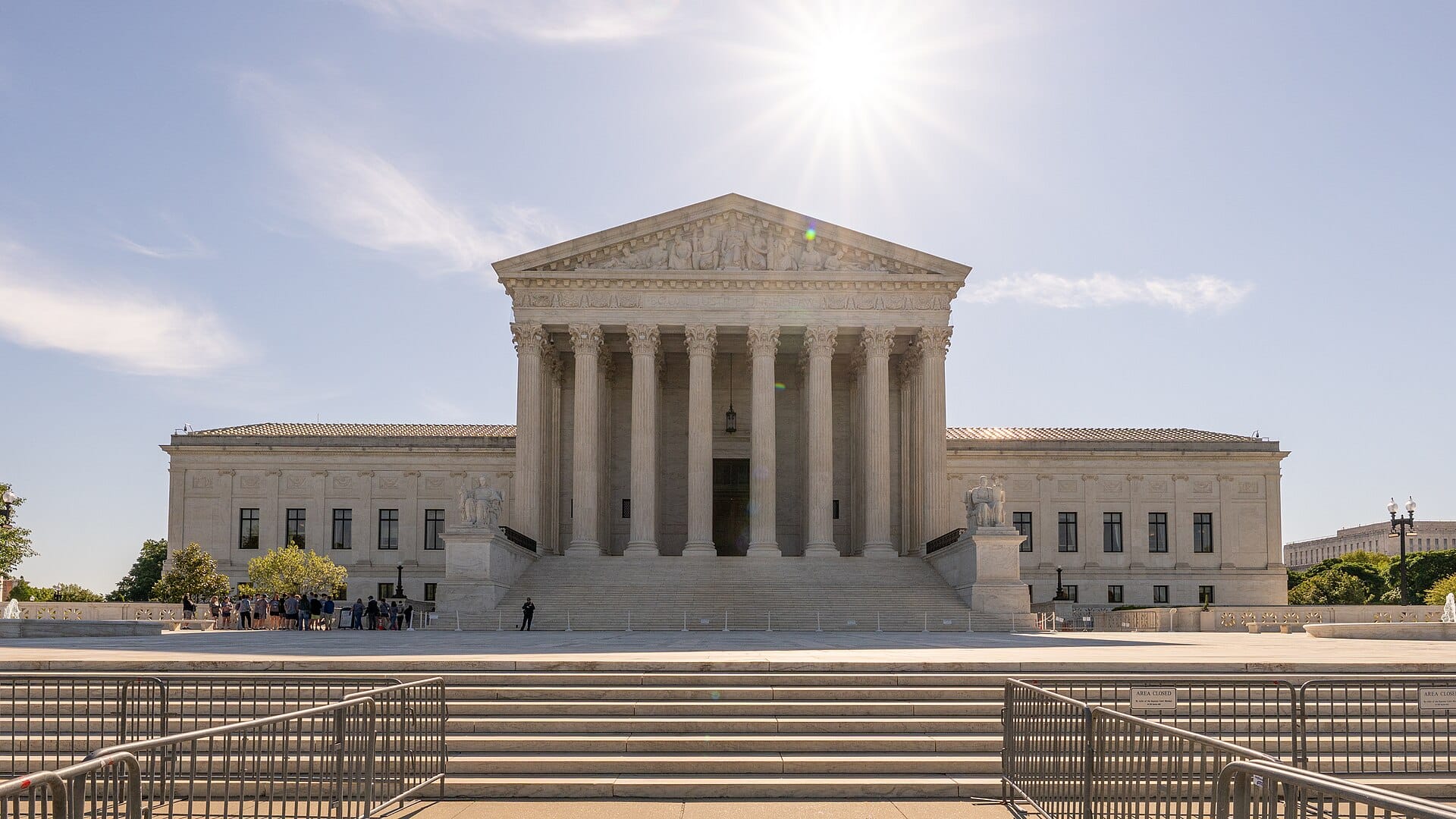 The Federalist
U.S. House aims to avoid government shutdown amid GOP hard-liner resistance
• The U.S. House is expected to vote this Tuesday on a short-term spending measure designed to prevent a government shutdown. • The proposal aims to keep the government operational through the November midterm elections, allowing members of both parties to focus on their campaigns.
Read original · cnbc.com
