DOJ Loosens Legal Restrictions on Medical Marijuana to Boost Research
- The Department of Justice announced last week it loosened legal restrictions on medical marijuana, aiming to expand research and treatment options across the US.
- This policy shift is expected to facilitate more clinical studies and access for patients in states with medical programs.
- The change addresses longstanding barriers to federally approved marijuana research, potentially accelerating therapeutic developments.
Sources & Citations
1 sourceMore Stories
Nearly 70% Of New Drugs Now Win FDA Approval With Just One Study
• A new study reveals that nearly 70% of new drugs approved by the FDA between 2016 and 2024 were granted approval based on a single clinical trial. • Researchers analyzed FDA records and the ClinicalTrials.gov database to track the number of supporting studies, funding sources, and the speed of public result releases.
Read original · studyfinds.com StudyFinds
FDA Approves Updated COVID Vaccines for 2026-2027
• The FDA has approved updated COVID-19 vaccines specifically designed to target the XFG variant for the 2026-2027 season. • The new shots are rolling out to provide maximum protection against the evolving strain, with guidance available on eligibility and optimal timing for administration.
Read original · aarp.org AARP
AARPReuters Health News Summary
• The FDA approved a first-of-its-kind oral treatment from Roivant and Priovant Therapeutics for a rare disease affecting skin and muscles. • Following the announcement on Thursday, Roivant shares saw a 2% increase, closing at $37.58 in afternoon trading.
Read original · devdiscourse.com Devdiscourse
We're reading about drug pricing deals, a new cancer therapy approval, and more
• The White House is finalizing drug pricing agreements with pharmaceutical companies Bayer, Takeda, and CSL Behring. • These deals are part of a broader initiative by the U.S. government to secure more affordable medication costs through direct negotiations with drugmakers.
Read original · statnews.com Statnews
NanoViricides, Inc. (NASDAQ:NNVC) |
• NanoViricides, Inc. (NASDAQ:NNVC) has announced an update to its Measles Drug Treatment Program, introducing a new potential treatment candidate called NV-387. • The development of NV-387 comes in response to a global rise in measles cases, aiming to provide a viable therapeutic option for outbreaks.
Read original · webdisclosure.comWhile Measles Cases Continue to Increase in The USA and Globally, NanoViricides is Getting Ready for Clinical Trials of Its Revolutionary Broad-spectrum Drug Candidate NV-387 as A Treatment for Measles
• NanoViricides, Inc. (NYSE American: NNVC) announced on August 31, 2026, that it is preparing for clinical trials of its broad-spectrum drug candidate, NV-387. • The drug utilizes host-mimetic nanomedicine technology designed to treat measles, a disease currently seeing a rise in cases both within the USA and globally.
Read original · investingnews.com Investing News Network
FDA Approves Groundbreaking Oral Drug for Advanced Pancreatic Cancer – Archyde
• On August 31, 2026, the FDA granted expedited approval to daraxonrasib (marketed as Rasonque), a first-of-its-kind daily oral medication. • The drug is specifically indicated for adults suffering from advanced metastatic pancreatic ductal adenocarcinoma.
Read original · archyde.comUpdated COVID Shots Matched to the XFG Variant Reach Pharmacies While Federal Eligibility Guidance Remains Unsettled
• The FDA approved updated 2026-2027 COVID-19 vaccines targeting the XFG variant on August 27, with doses shipping immediately to pharmacies, hospitals, and clinics. • While the vaccines are now physically available across the country, federal eligibility guidance remains unsettled, leaving uncertainty regarding who qualifies for the shots.
Read original · medicaldaily.com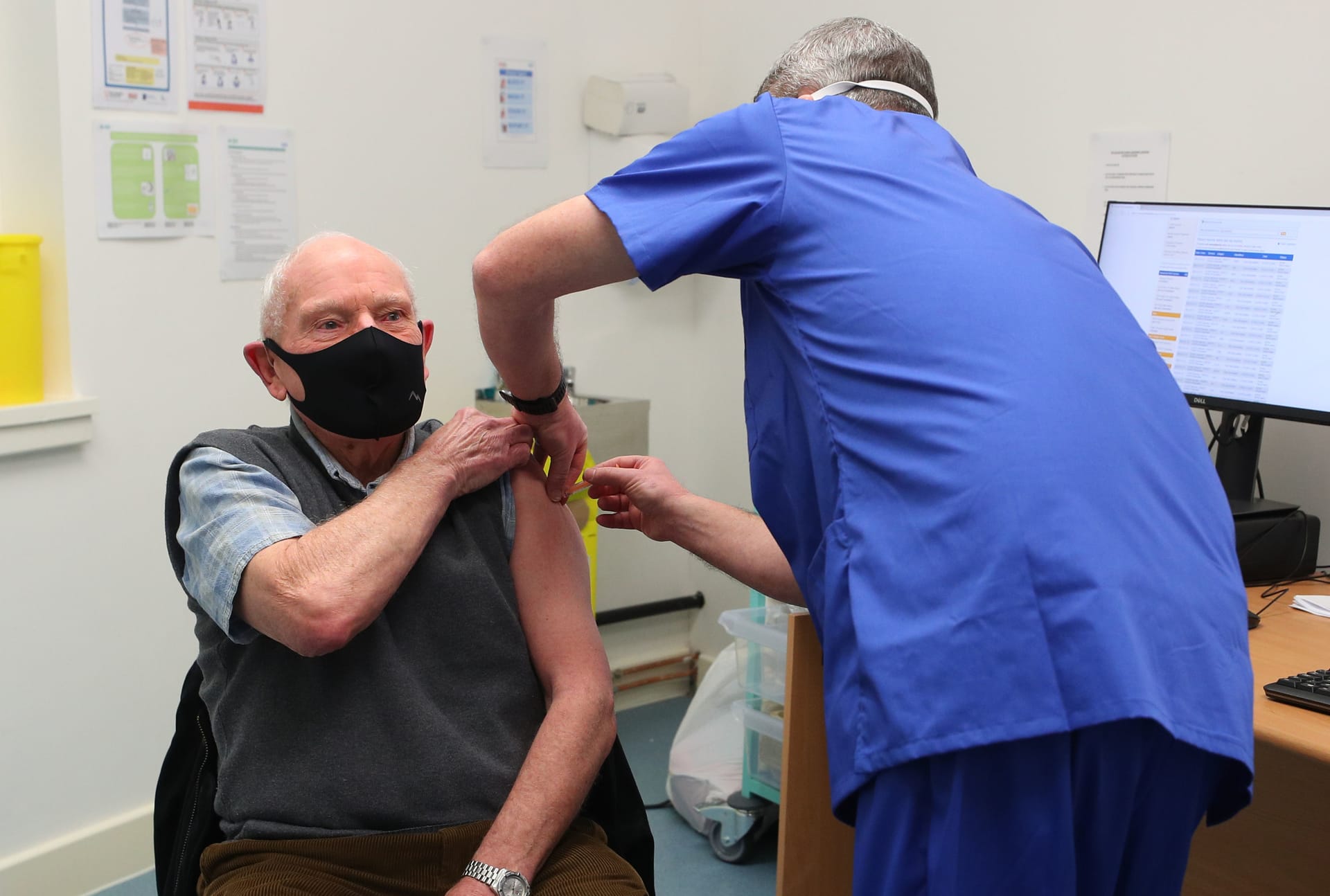 Medical Daily
FDA Approves New COVID-19 Vaccines for the 2026-2027 Season
• The FDA has approved new COVID-19 vaccines for the 2026-2027 season, specifically designed to target the XFG variant. • The vaccines are approved for adults aged 65 and older, with eligibility extended to younger individuals in high-risk groups depending on the specific shot.
Read original · everydayhealth.com Everyday Health
Recent FDA Drug Approvals Rely on Fewer Studies, More Industry Funding - Cancer Therapy Advisor
• Researchers analyzed the impact of the 21st Century Cures Act, which allows the FDA to approve novel drugs based on a single pivotal trial rather than multiple studies. • Findings indicate that since 2016, the number of studies supporting new drug approvals in the US has steadily decreased.
Read original · cancertherapyadvisor.comFDA gives expedited approval to new groundbreaking pancreatic cancer drug | Cancer research
• The US Food and Drug Administration (FDA) has granted expedited approval to daraxonrasib, a first-of-a-kind oral medication designed to treat the most common form of pancreatic cancer. • Developed by Revolution Medicines, the drug functions as a Ras multiselective inhibitor, targeting specific genetic drivers of the disease.
Read original · theguardian.comMore than two-thirds of new drugs approved by FDA in 2024 were based on a single study
• A new analysis reveals that more than two-thirds of new drugs approved by the FDA in 2024 were sanctioned based on the findings of a single study. • The report indicates a steady decline in the number of studies required for drug approval since 2016, raising concerns about the rigor of the process.
Read original · cidrap.umn.edu