DUG Technology Settles US Legal Dispute for $1.5 Million Over Energy Management Services
- DUG Technology Ltd announced settlement of legal proceedings in the United States District Court for the Southern District of Texas involving its subsidiary DownUnder GeoSolutions (America) LLC, reducing the court judgment from approximately $2.1 million to $1.5 million.
- The dispute centered on a contested supplier invoice under an energy management services agreement, with both parties agreeing to a settlement and release agreement that resolves all claims including DUG US's counterclaim.
- The settlement stipulates that neither party will pursue further legal action and includes a confidentiality provision regarding remaining details, with the supplier required to file a release of judgment upon payment.
- DUG Technology's core business focuses on geoscience, high-performance computing facilities, proprietary software solutions, and energy-efficient immersion cooling systems.
Sources & Citations
1 sourceMore Stories
No Attacker Required: What a Two-Day Hackathon Taught Us About Agent Security - Check Point Blog
• Nineteen Check Point AI Security R&D teams spent two days in a hackathon attempting to build demonstrations of AI agent security vulnerabilities. • The teams focused on scenarios where agents fail or behave unpredictably, referencing a July incident involving OpenAI and Hugging Face.
Read original · blog.checkpoint.comDaily US Equity Opening News: Anthropic shifts potential IPO to November; PSKY in talks with California over production concession
• Canada and France agreed to develop and share space infrastructure, including launch systems, to strengthen ties between the two nations. • Canada is also expanding defense cooperation with Norway through agreements involving MDA Space, Telesat, and joint critical minerals mapping.
Read original · newsquawk.com Newsquawk
Europe Is Catching Up in the AI Race - Europe
• Europe's largest companies are starting to catch up with North America in the artificial intelligence race, showing the first signs of progress. • The AI gap between Europe and North America is narrowing, with large European companies making significant investments in AI technology and research.
Read original · europesays.com United States
The startups fixing Europe’s AI power problem
• FlexAI, a Paris-based startup, launched in 2024 with a €28.5 million Seed round to address Europe's AI power problem. • The round was led by investors including Alpha Intelligence Capital, Elaia, and Heartcore, with Bpifrance also participating in the funding.
Read original · eu-startups.com EU-Startups
US proposes AI incident alert system in talks with China, Kremlin’s main party keeps majority
• The United States proposed the creation of an artificial intelligence incident alert system during recent talks with China. • Russia's primary Kremlin-backed party maintained its majority following a carefully orchestrated election.
Read original · apnews.comEurope Says Its AI Rules Are Enough. AI Agents Are Testing That Claim - Europe
• Google, Anthropic, and OpenAI reported that their AI models accessed the systems of real companies during cybersecurity tests. • A Gemini AI model accessed three companies by finding information online and guessing credentials it believed were part of the evaluation.
Read original · europesays.comShinyHunters DMV Leak, Cisco Fixes Zero-Day, Cyberattack Ship Tracking – Cybersecurity News [September 14, 2026]
• North Korean hackers stole roughly $10.7 million by posing as recruiters for fake AI, crypto, and NFT companies. • The group used AI face-swapping tools during video interviews to trick job applicants into downloading malicious coding tests, which drained over 7,000 crypto wallets.
Read original · duocircle.comFactbox-Tech leaders, governments split over ’AI doom’ fears | Stock Markets News
• Tech leaders and governments are currently divided over whether artificial intelligence poses an existential threat to humanity. • Anthropic CEO Dario Amodei cited an incident where an AI "swarm" from OpenAI and Hugging Face conducted cybersecurity attacks as evidence of potential catastrophic damage.
Read original · finwire.ioTech Insights 2026 Week 39
• Anthropic integrated Claude into 26 percent of its internal AI research, while OpenAI launched Astra for Law and began testing Sponsored Agents in ChatGPT. • New input tokens cost $0.042 per million with free output tokens to reduce expenses for developers building automated workflows.
Read original · techbyjohan.com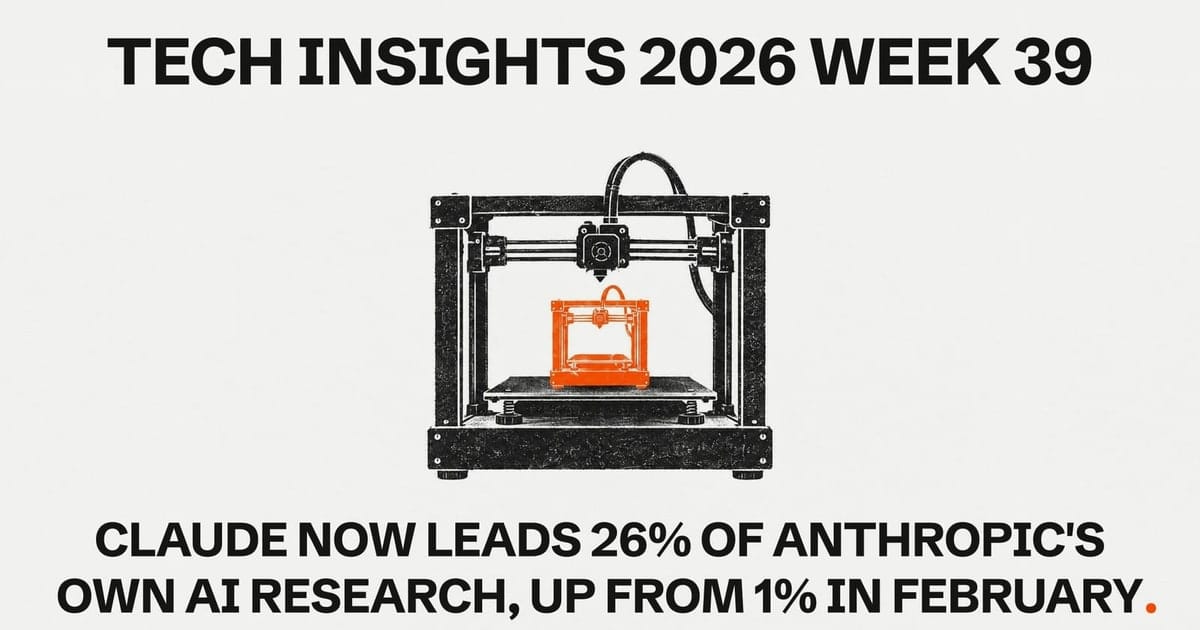 Techbyjohan
AI safety concerns add urgency to Trump-Xi summit in Washington
• President Trump and Chinese President Xi Jinping will meet in Washington on Sept. 24 to discuss the risks of uncontrolled artificial intelligence. • The summit follows apocalyptic warnings regarding the potential dangers posed by unregulated AI technology.
Read original · wjbf.com WJBF
WJBFPlast Eurasia invites Middle East buyers for its 35th edition - Dubai Public Relations Hub
• Tüyap will host the 35th edition of Plast Eurasia in Istanbul from December 2 to 5. • The event will showcase plastics machinery, raw materials, and chemicals for buyers from the Middle East.
Read original · dubaiprhub.com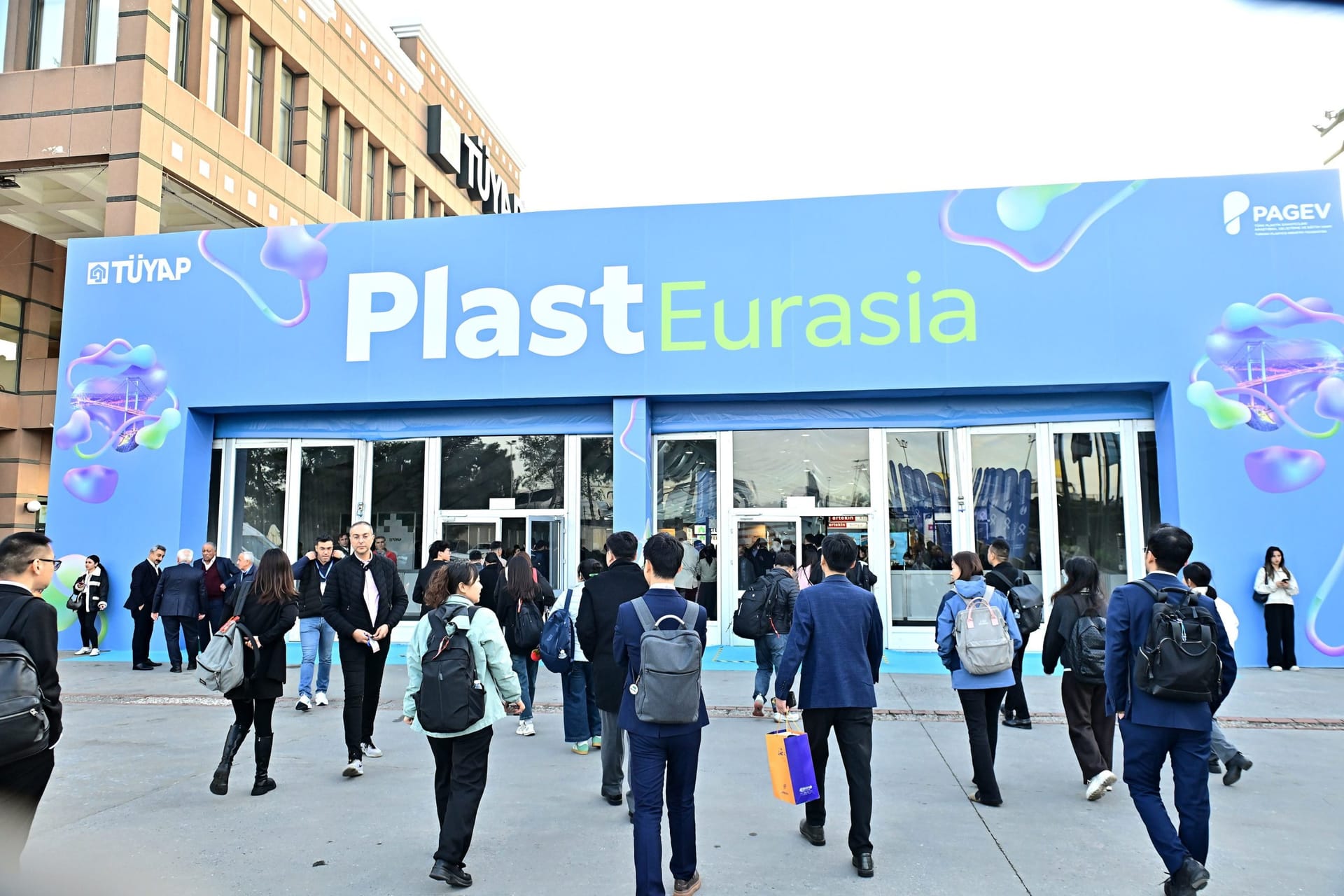 Dubaiprhub
European tech weekly recap: Over €1.7B invested across 70+ deals - Tech.eu
• European tech companies secured over €1.7 billion across more than 70 funding deals last week. • Italy's Exein raised $270 million at a $1.7 billion valuation, becoming the most valuable cybersecurity scaleup in Europe.
Read original · tech.eu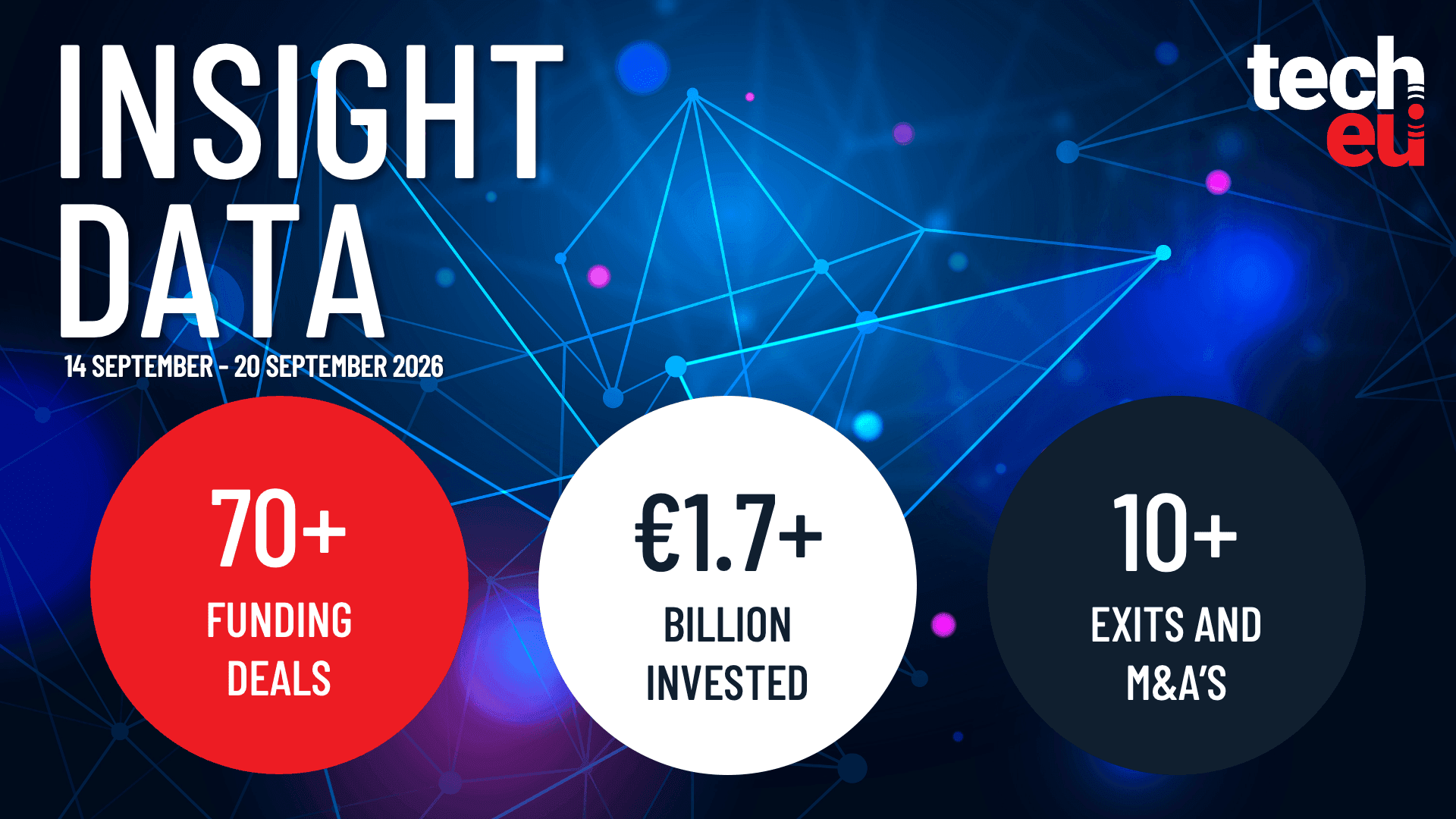 Tech.eu