Sources & Citations
1 sourceThe Guardian (World)[1]
Explosions reported in southern Iran in most extensive exchange of fire since interim ceasefire. Plus the complicated legacy of beat poet Allen GinsbergGood morning. The US military carried out strikes on Iran for a second day, hours after President Donald Trump said an interim agreement to end the war was “over”. Iranian state media reported explosions in the port city of Bandar Abbas in the strait of Hormuz; in Sirik, another southern coastal city; and the south-western Bushehr province, home to Iran’s nuclear-power-plant complex. On Tuesday, three cargo ships transiting the strait of Hormuz were attacked, leading to the most extensive exchange of fire between the two sides since the interim deal was signed last month.
At the Nato summit in Ankara yesterday, Trump said: “Anything that happens is going to happen very fast” and that the latest strikes would not result in “long-term” military action. What are the economic impacts of the renewed hostilities? US stock markets fell on Wednesday, and Brent crude, the global benchmark for oil prices, jumped more than 5% to crest $80 a barrel. The International Monetary Fund lowered its global economic growth forecast to 3%, citing conflict in the Middle East. ”Who could replace Platner?
Maine Democrats have until 27 July to select a replacement to face Susan Collins in a race widely seen as pivotal to control of the Senate. The state party said it would hold a nominating convention to pick a new candidate. Troy Jackson, Janet Mills, Valli Geiger and Shenna Bellows are among the names in the frame – with Joseph Gedeon profiling them and assessing their prospects in this piece. Continue reading...
More Stories
• The world marks the International Day of Peace on Sept. 21 amid ongoing global wars and social crises. • Abdullah Kanaan, Secretary-General of the Royal Committee for Jerusalem Affairs, stated there is a widening divide between formal peace language and the humanitarian reality of war.
Read original · menafn.com• Nearly 130 heads of state and government are gathering in New York for the UN General Assembly’s High-level Week to address global cooperation. • Leaders from nations including China and Brazil have previously used these speeches as a platform to launch initiatives aimed at ending conflicts.
Read original · channelnewsasia.com CNA
CNA• The international community observed World Peace Day on September 21 amid a rise in global security crises and conflicts. • The Middle East is currently the primary center of international concern regarding these widening wars.
Read original · iqna.ir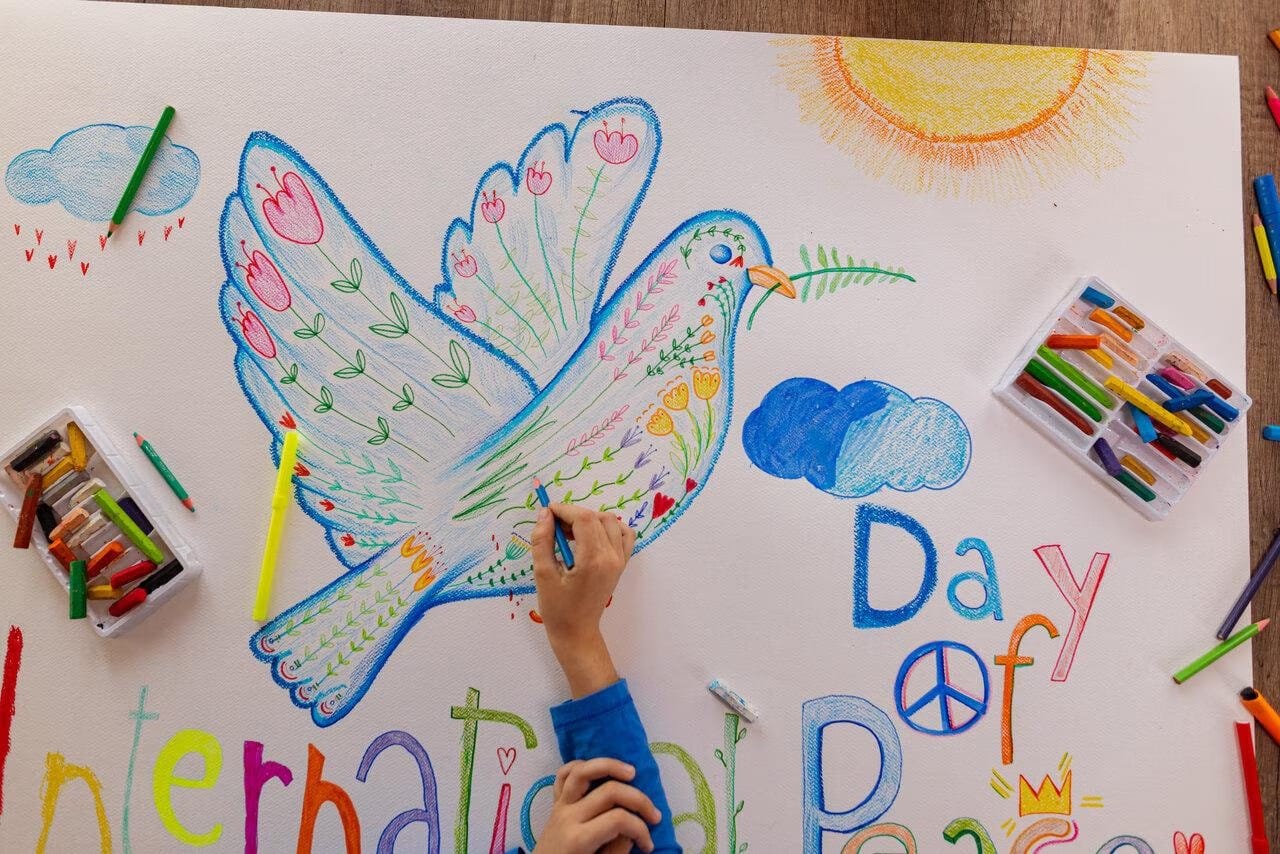 IQNA
IQNA• The United Nations General Assembly is meeting to address ongoing global crises, new conflicts, and the rise of artificial intelligence. • The organization is currently searching for a successor to Secretary General António Guterres, who is stepping down after serving two terms.
Read original · nytimes.com• World leaders are meeting at the United Nations this week to address global conflicts, political divisions, artificial intelligence, and climate change. • The organization has faced financial troubles over the past 12 months that forced cutbacks to humanitarian aid and peacekeeping operations.
Read original · abc7ny.com ABC7 New York
• United Nations Secretary-General António Guterres returned to New York this week for his final U.N. General Assembly. • The gathering occurs as diplomacy falters regarding ongoing wars in Ukraine and the Middle East.
Read original · npr.org• Chinese President Xi Jinping called for international cooperation and an end to power politics during this month's Shanghai Cooperation Organisation meeting in Bishkek, Kyrgyzstan. • Xi stated that most countries do not want conflict or confrontation and instead seek an equal place on the world stage through their own development.
Read original · theguardian.com• The United Nations is facing severe operational dysfunction as world leaders gather in New York for the annual General Assembly high-level week. • Veto-wielding powers including China, Russia, and the United States have blocked the Security Council from acting on conflicts in Ukraine, Iran, Myanmar, and Sudan.
Read original · foreignaffairs.com• President Donald Trump is considering new demands from Iran to end a conflict that has lasted seven months. • Trump returned from Camp David on Saturday before his scheduled address to the General Assembly on Tuesday.
Read original · foxnews.com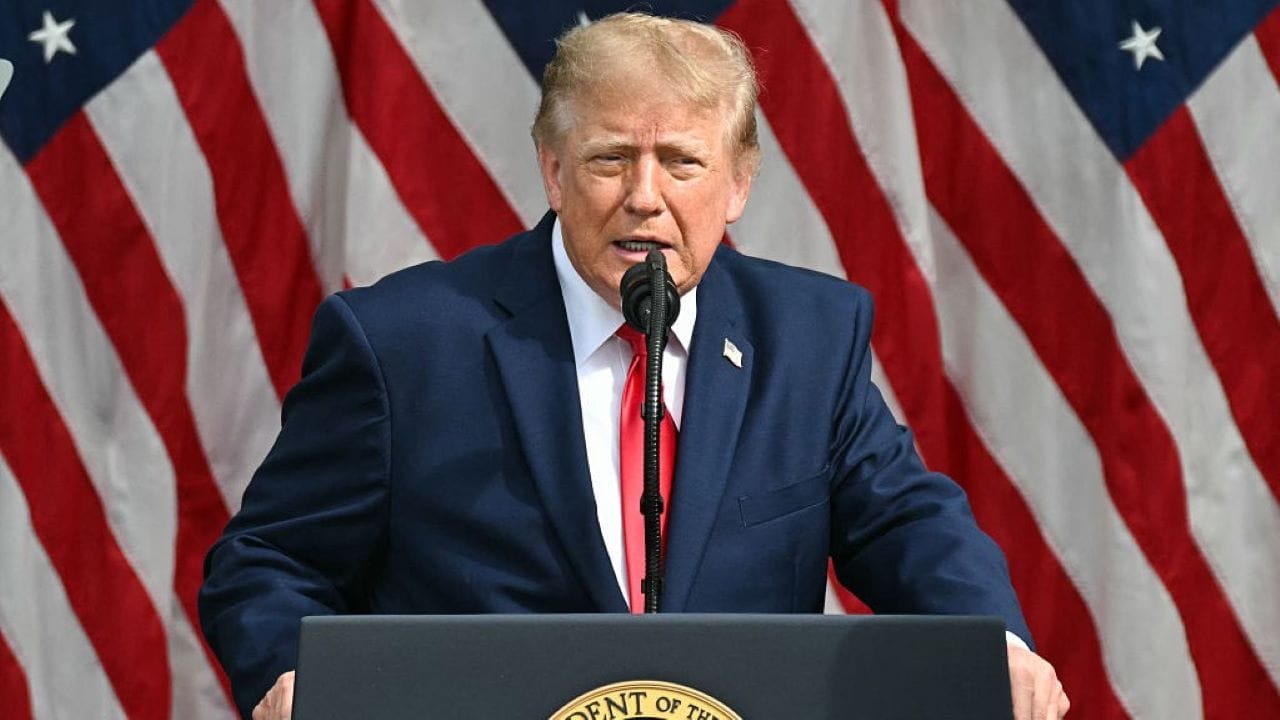 Fox News
• Iran issued a warning of severe retaliation against the United States and its allies after claiming to have intelligence about an impending attack. • Iranian Parliament Speaker Mohammad Baqer Qalibaf stated that the country must continue fighting and negotiating to push back enemies and consolidate gains.
Read original · economictimes.indiatimes.com• World leaders are returning to the United Nations for an assembly featuring potential high-level Security Council meetings on Ukraine, the Middle East, and artificial intelligence. • AI industry leaders recently called for a coordinated slowdown of technology development to prevent systems from improving on their own and escaping human control.
Read original · straitstimes.com• Middle powers are focusing their influence on the United Nations and the prevention of mass atrocities to stabilize a multi-directional world. • Various UN General Assembly and Human Rights Council resolutions are currently targeting the revitalization of the UN system to make it more coherent.
Read original · thejakartapost.com The Jakarta Post