Former FBI Director James Comey Surrenders on Charges of Threatening Trump with Seashell Photo
- Ex-FBI Director James Comey surrendered to authorities and appeared in court on April 29, 2026, facing DOJ charges for allegedly threatening President Trump's life via a seashell social media post.
- Prosecutors claim the post symbolized a threat, leading to swift federal action amid heightened political tensions.
- The case underscores escalating rhetoric between Trump allies and former officials, potentially influencing 2026 midterm dynamics.
- Comey's legal team plans to challenge the charges as protected speech in upcoming hearings.
Sources & Citations
1 sourceMore Stories
German state elections: Chancellor Friedrich Merz vows to stay on despite 'disaster' in polls
• Chancellor Friedrich Merz vowed to remain in his position following damaging exit poll losses for his centre-right CDU party in Berlin and Mecklenburg-Vorpommern. • The losses are described as a disaster in the polls for the party.
Read original · bbc.com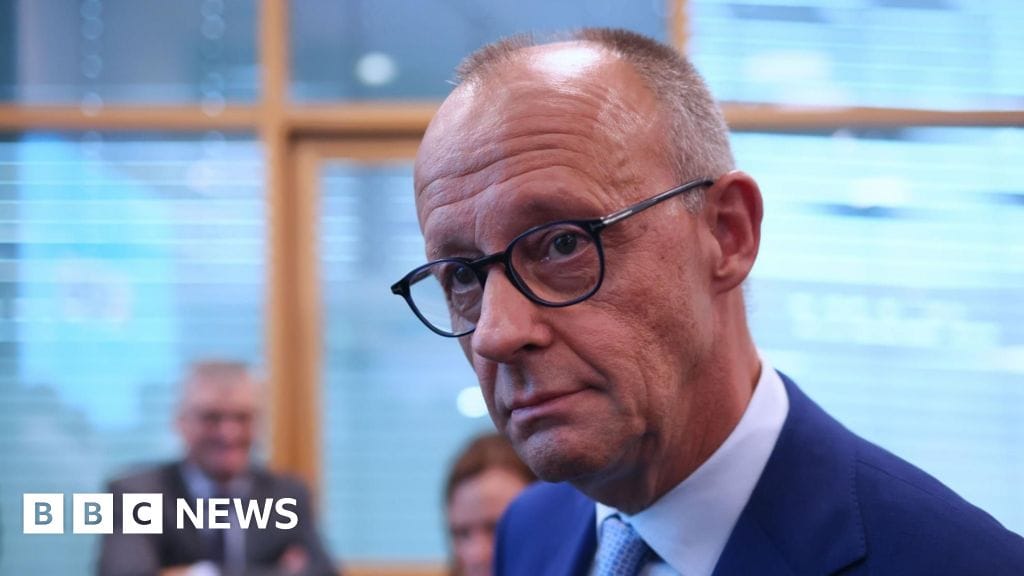 BBC
BBCGermany’s Merz vows to press on with reforms after historic state election defeat
• German Chancellor Friedrich Merz suffered a heavy political setback following two state elections on Sunday, including a record defeat for his party. • The 70-year-old leader took office 16 months ago with promises to reignite an economy that has been stalled for years.
Read original · independent.co.uk The Independent
Germany's Merz vows to press ahead with reforms after historic state election defeat : NPR
• German Chancellor Friedrich Merz faced a major electoral setback after his center-right party lost ground in two state elections. • The far-right Alternative for Germany party made significant gains, including a shock result in the eastern state of Saxony-Anhalt.
Read original · npr.orgBeyond Ukraine: Why Europe is preparing for a wider conflict
• Switzerland recently adopted a new national security strategy to increase its resilience and ability to defend itself against armed attacks. • The strategy marks a shift for the famously neutral nation as it prepares for the possibility of a wider conflict beyond Ukraine.
Read original · edition.cnn.com CNN
CNNGermany's far-right AfD celebrates another state election win
• The far-right Alternative for Germany (AfD) party won a state election in northeastern Mecklenburg-Western Pomerania. • The AfD secured more than 37% of the vote in the state.
Read original · lemonde.frLVMH shares signal luxury sector slowdown concerns
• LVMH shares fell to their lowest levels since 2020 as luxury demand softened and questions about company succession emerged. • The stock price decline reflects a broader downturn in consumer spending across the high-end luxury market.
Read original · tradersunion.com Traders Union
Justice Kim Seong-su Pledges Judicial Independence, Trial Reforms
• Justice Kim Seong-su pledged to uphold judicial independence and implement trial reforms to address systemic delays. • The reform plan focuses on ensuring procedural rights and managing emerging legal disputes related to artificial intelligence and climate change.
Read original · chosun.com Chosun Daily
FACTBOX: Russian strikes hit logistics center, port infrastructure facilities - Military & Defense - TASS
• Russian forces launched overnight drone strikes targeting Ukrainian ports, warehouses, and logistics centers used by the Ukrainian armed forces. • The Russian Defense Ministry reported that the attacks specifically hit port infrastructure facilities and vessels supporting military operations.
Read original · tass.com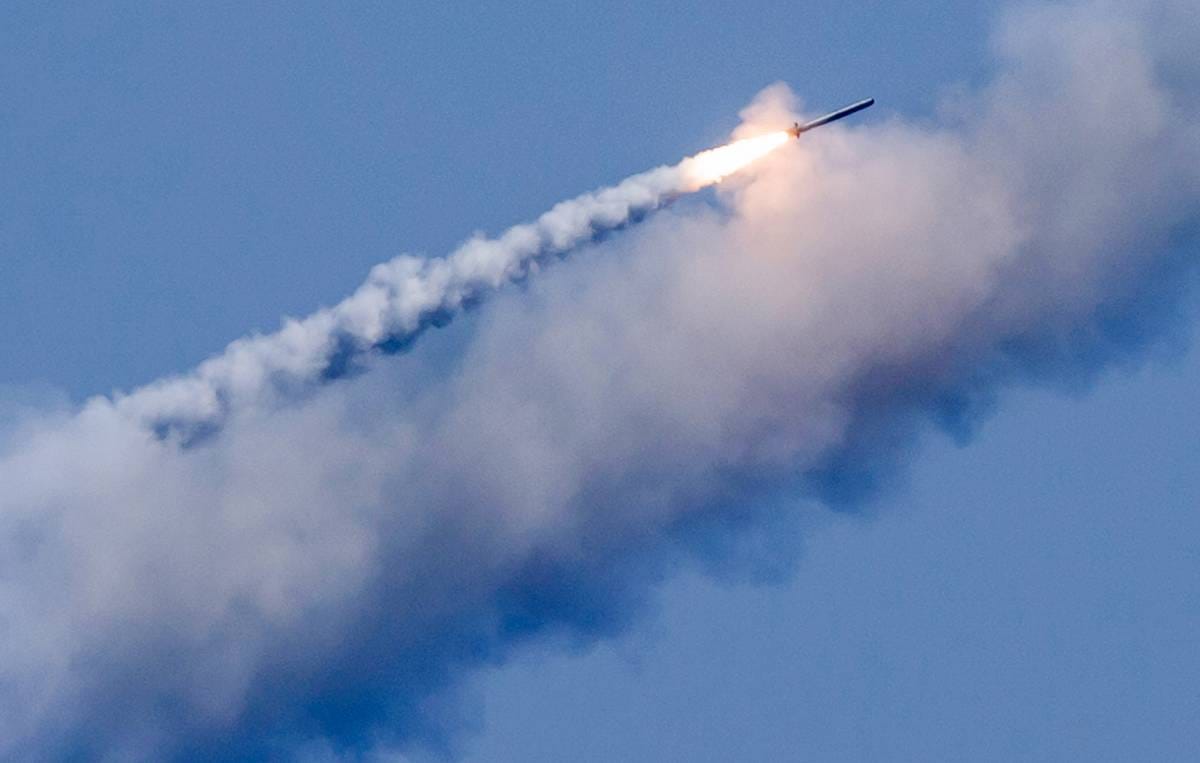 TASS
TASSGerman state elections: Chancellor Friedrich Merz vows to stay on despite 'disaster' in polls - BBC News
• Chancellor Friedrich Merz vowed to remain in his position following damaging exit poll losses for his centre-right CDU party in Berlin and Mecklenburg-Vorpommern. • The results are described as a disaster for the party in these specific state elections.
Read original · bbc.co.uk BBC
BBCGerman elections under way which could decide fate of Chancellor Merz
• Germany is holding elections this Sunday that could determine whether Chancellor Friedrich Merz remains in power. • Merz is facing intense political pressure after only 16 months in office due to his party's tumbling popularity.
Read original · bbc.com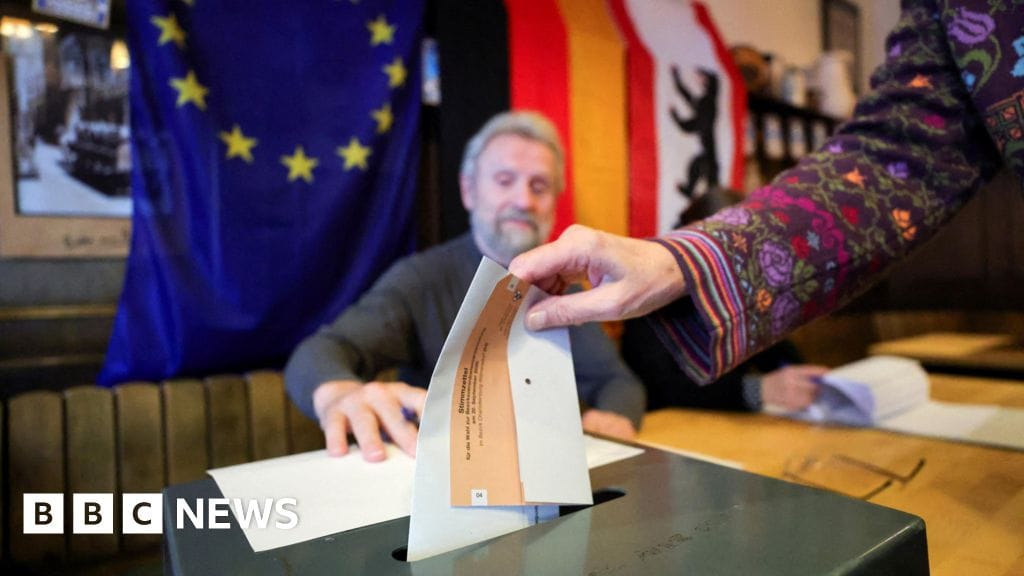 BBC
BBC‘Disastrous’: Germany’s Merz faces mounting pressure after fresh CDU defeats - The Times of India
• German Chancellor Friedrich Merz and his Christian Democratic Union (CDU) party suffered electoral losses in two state elections on Sunday. • Exit polls from public broadcaster ARD showed the CDU securing only 5% in Mecklenburg-Western Pomerania, the party's lowest state result since World War II.
Read original · timesofindia.indiatimes.comDisastrous regional elections for German chancellor Merz
• Swedish money market participants raised their one-year inflation expectations to 1.97% in August from a previous 1.83%. • Two-year inflation expectations also increased during this period, rising from 2.02% to 2.07%.
Read original · fxstreet.com