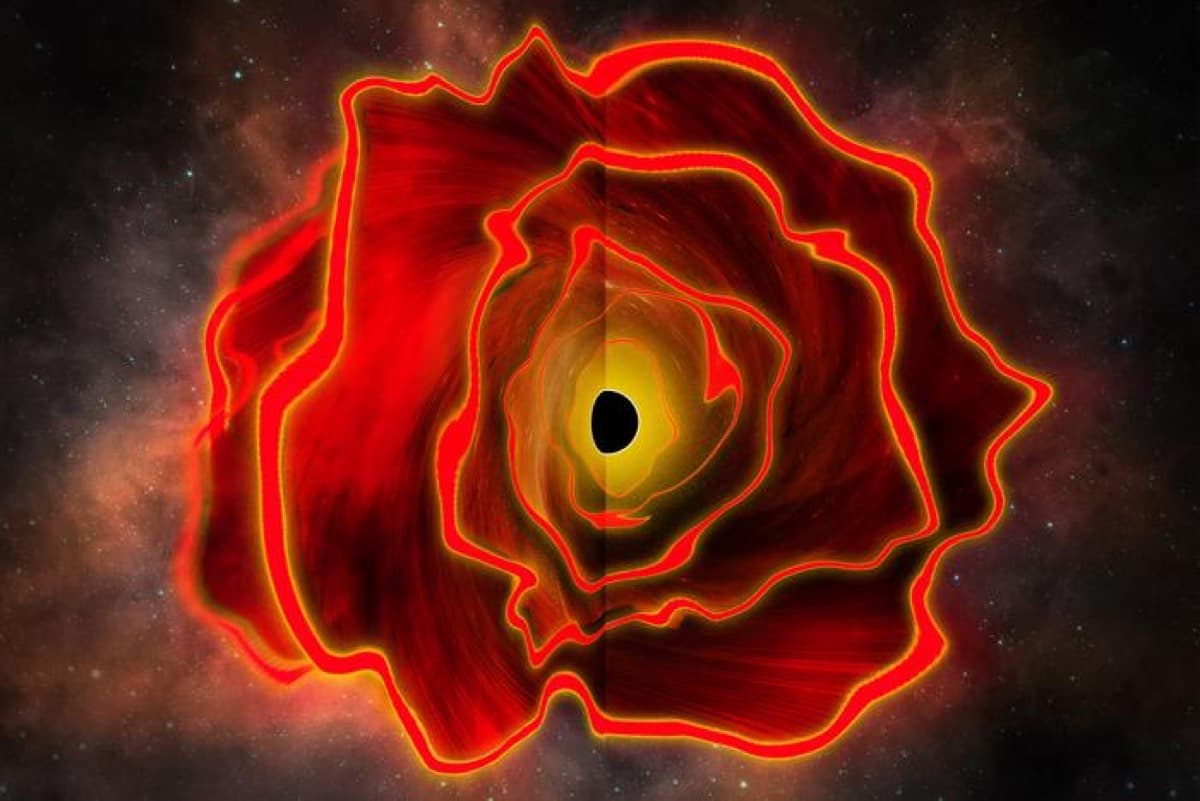
Geologists Attribute Great Unconformity to Supercontinent Tectonics Not Snowball Earth Glaciers

A study analyzing North China Craton rocks reveals tectonic uplift from early supercontinent Columbia formation erased over a billion years of Earth's history, creating the Great Unconformity observed globally. Researchers found 13 kilometers of erosion and 400 degrees of cooling predating Cryogenian glaciations by analyzing zircon and monazite minerals across five sites. Coauthor Nicholas Christie-Blick noted, 'If glaciation had been the dominant driver, you’d expect a clear pulse of erosion at the time of the Cryogenian ice ages. We don’t see that pattern.' Published in PNAS, this challenges Snowball Earth theory and refines plate tectonics models.
More Stories
Research roundup: 7 cool science stories we almost missed - Ars Technica
• Researchers have developed a new heat-driven, elastocaloric cooling system that leverages waste heat and solar energy. • This breakthrough builds upon alternatives to traditional cooling methods proposed by notable figures such as Albert Einstein and Leo Szilard.
Read original · arstechnica.com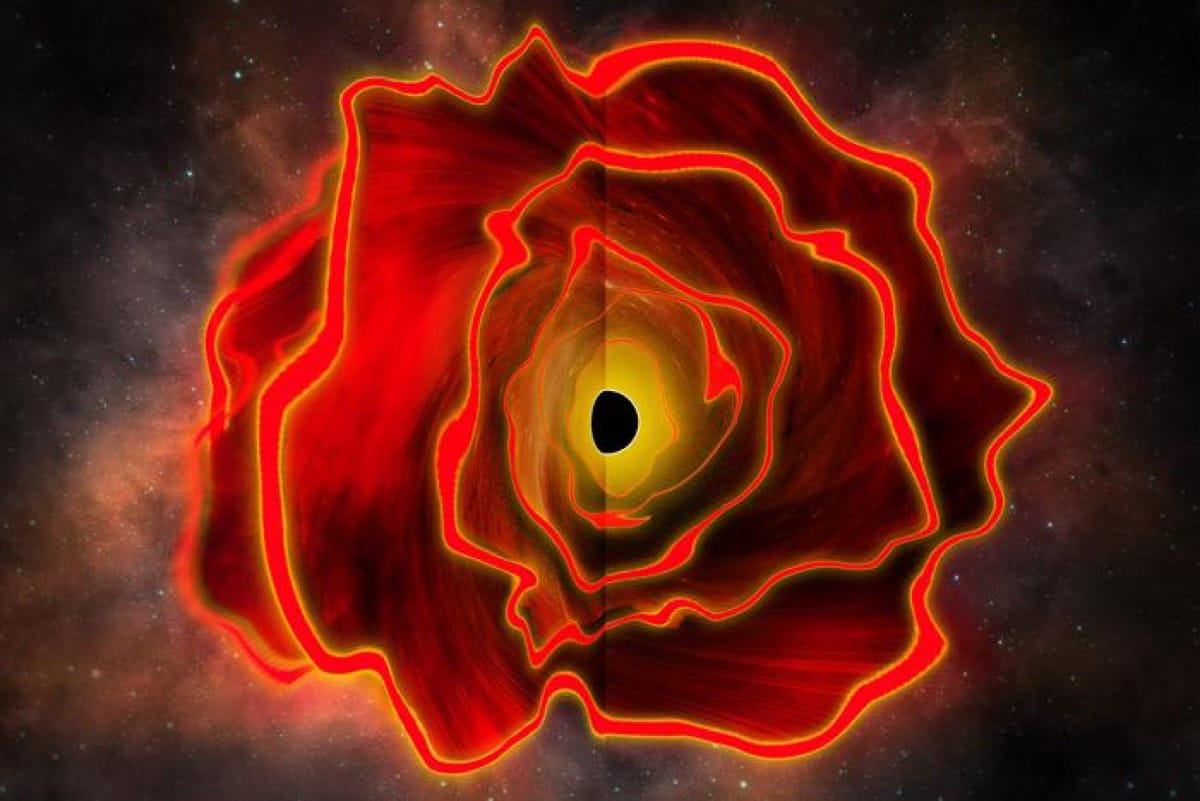 Ars Technica
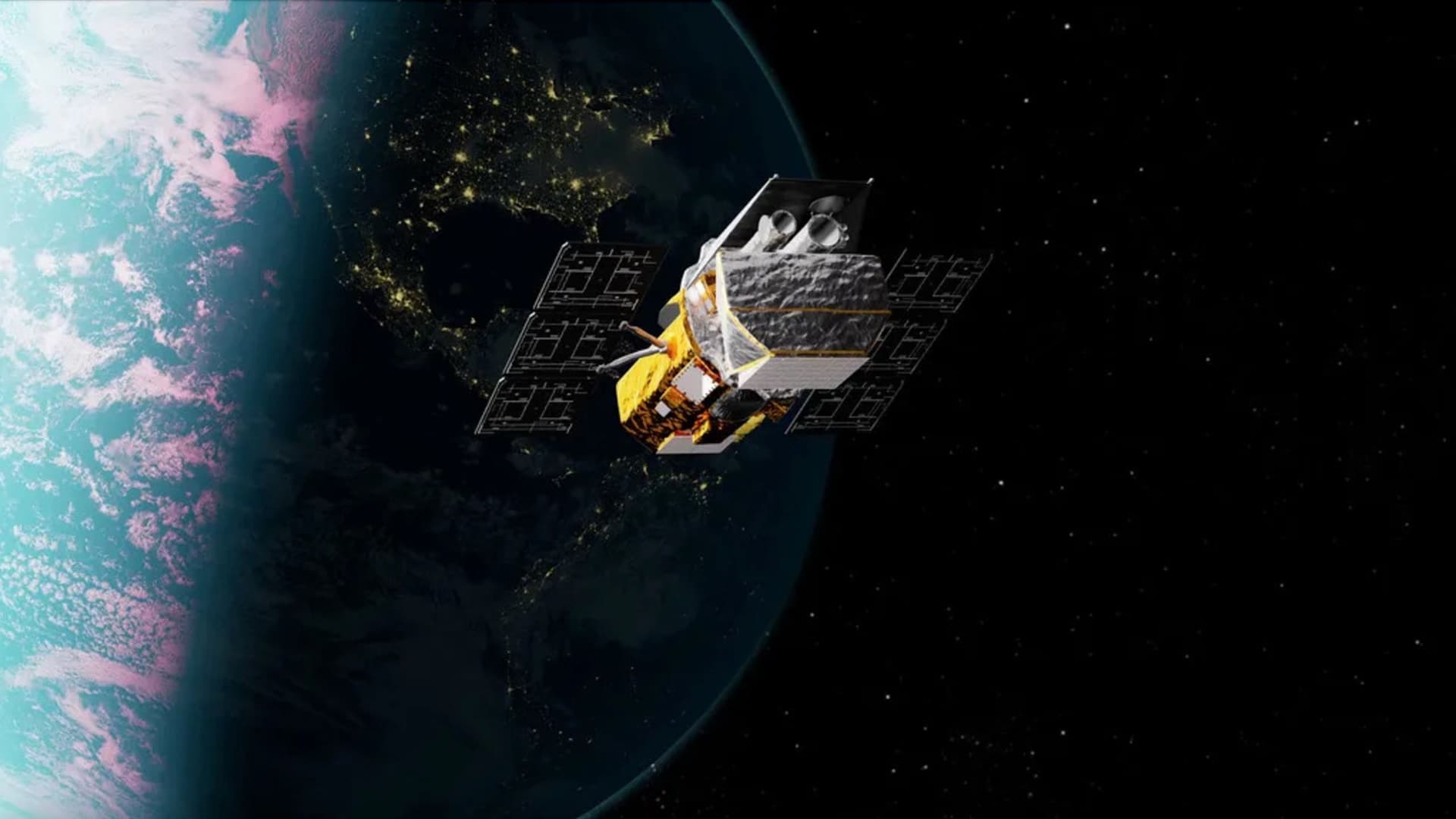
NASA's doomed Swift space telescope restarts science work after rescue mission fails
• NASA's Swift space telescope has resumed its science observations after a private rescue mission failed to boost its decaying orbit. • The nearly 22-year-old observatory is now focusing on maximizing its remaining operational time to study the cosmos.
Read original · space.com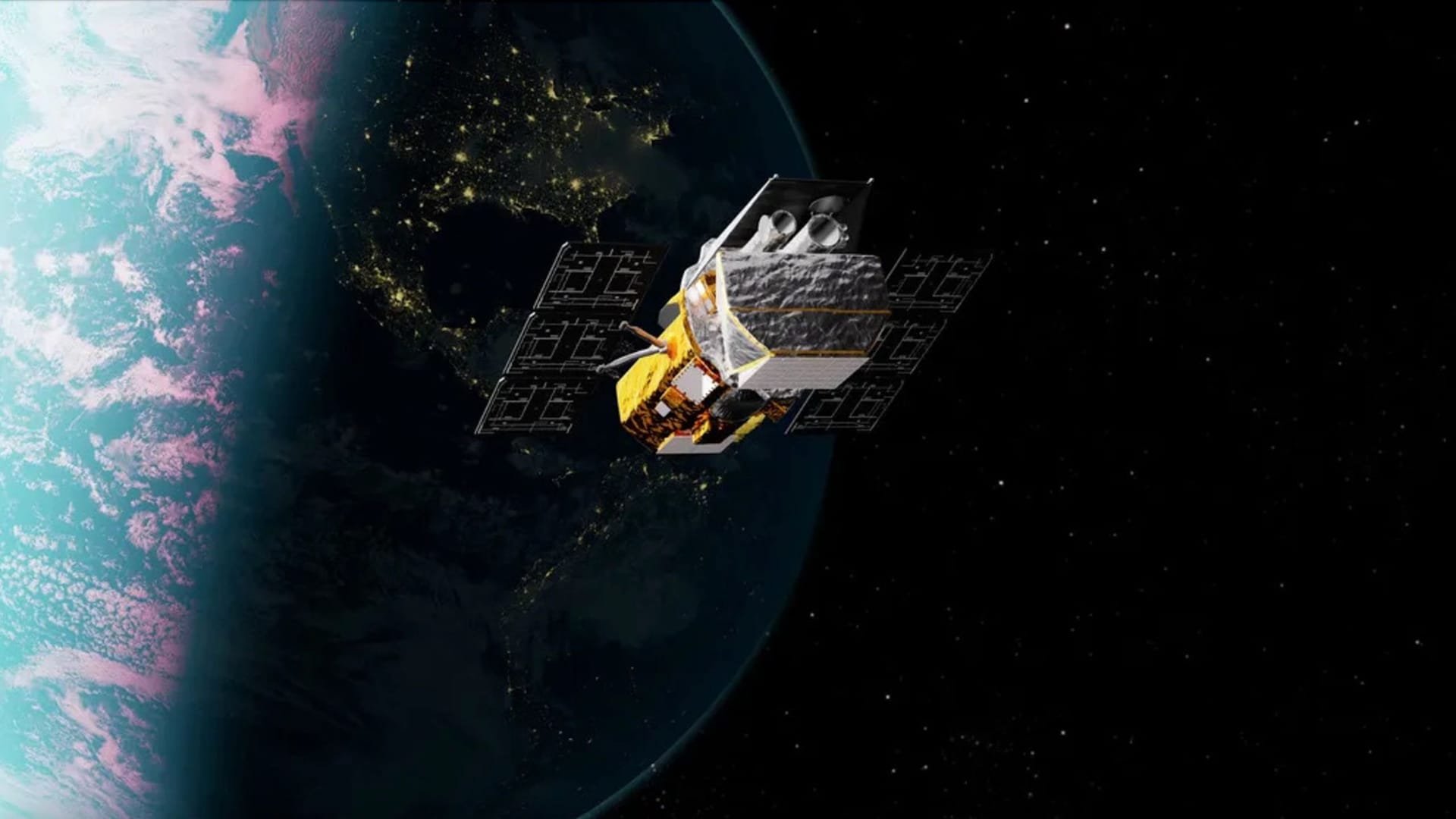 Space.com
NASA’s Nancy Grace Roman Telescope Promises a Breakthrough in Cosmic Exploration - The New York Times
• NASA is developing the Nancy Grace Roman Telescope as part of a broader strategy to expand cosmic exploration beyond the capabilities of the Hubble Space Telescope. • The mission aims to complement existing observatories by exploring the universe across a diverse spectrum, including infrared, visible, ultraviolet, X-ray, and gamma ray wavelengths.
Read original · nytimes.comScience : NPR
• NPR's senior climate editor is providing internal newsroom guidance to help staff accurately report on the role of climate change during extreme weather events. • In a separate scientific development, researchers are investigating the use of AI-designed viruses to specifically target and eliminate harmful bacteria.
Read original · npr.orgAmendment 71: New Opportunity: A.16 Cryosphere - NASA Science
• NASA has issued Amendment 71 for the A.16 Cryosphere solicitation, seeking high-impact research proposals focused on glaciers, ice sheets, and sea ice. • Proposed investigations must leverage existing data from NASA's airborne campaigns and satellite missions to address urgent challenges in cryospheric science.
Read original · science.nasa.gov NASA Science
NASA’s new space telescope will reveal the universe like never before
• NASA is developing the Nancy Grace Roman space telescope, a powerful new instrument designed to explore nearly every facet of astrophysics. • The telescope's primary mission focuses on investigating dark matter, dark energy, and the search for alien planets.
Read original · sciencenews.org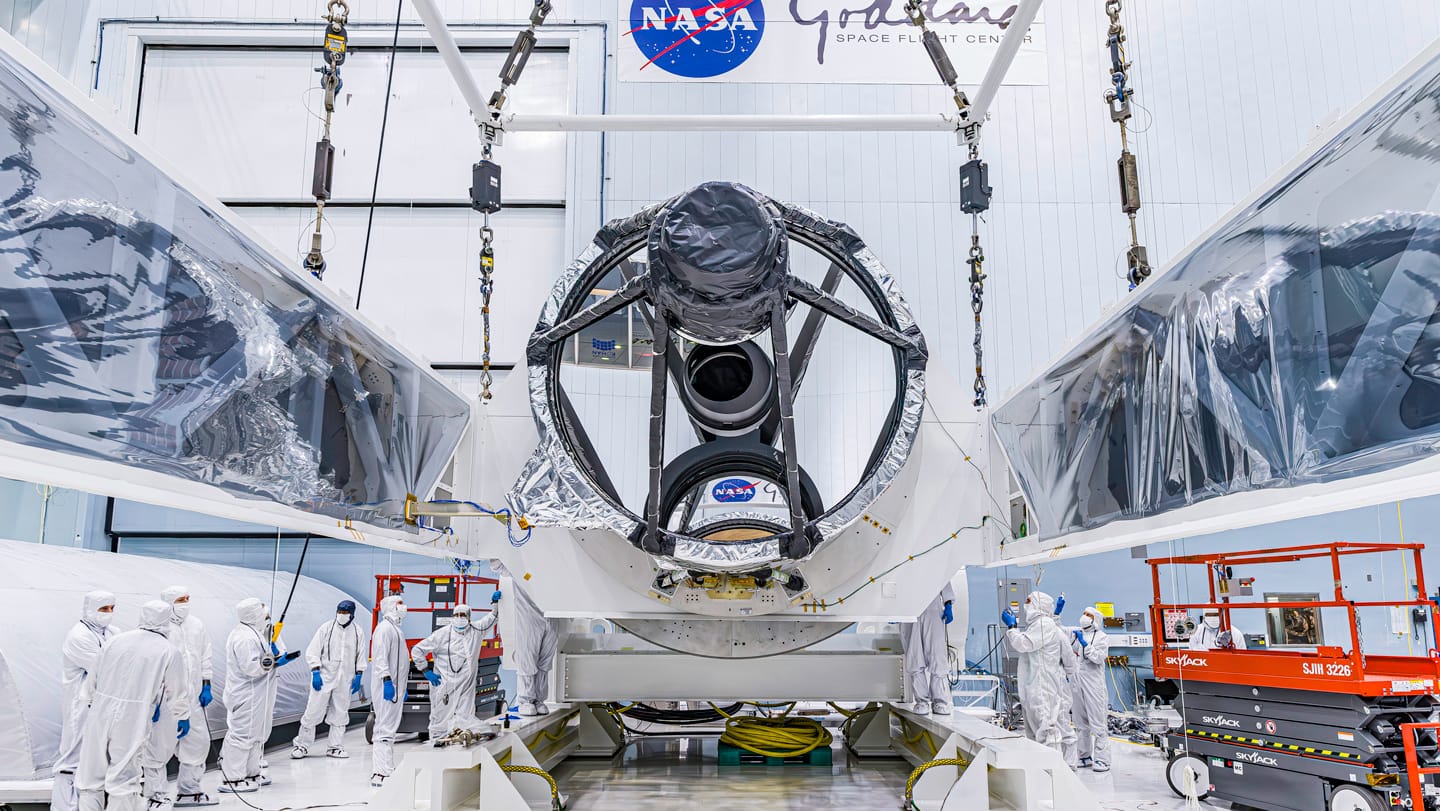 Science News
NASA’s Dark Universe-Seeking Nancy Grace Roman Space Telescope Launches - NASA
• NASA has launched the Nancy Grace Roman Space Telescope, which is now embarking on a three-month, million-mile journey to reach its final orbit. • The telescope utilizes a wide field of view combined with high-resolution infrared vision to survey vast areas of the sky and probe cosmic history.
Read original · nasa.govOn this day in space! Aug. 31, 1965: NASA's ginormous Super Guppy carrier plane takes 1st flight like a flying whale
• On August 31, 1965, NASA's Super Guppy cargo plane successfully completed its first test flight. • Designed with a massive, whale-like fuselage, the aircraft was engineered to transport oversized components that were too large for conventional planes.
Read original · space.com Space.com
'A giant leap forward': Nasa launches powerful new space telescope
• NASA has launched the Nancy Grace Roman Space Telescope, named after the agency's first chief astronomer and first female executive. • The telescope is embarking on a multi-year mission to map the universe and investigate the mysteries of dark energy and dark matter.
Read original · bbc.com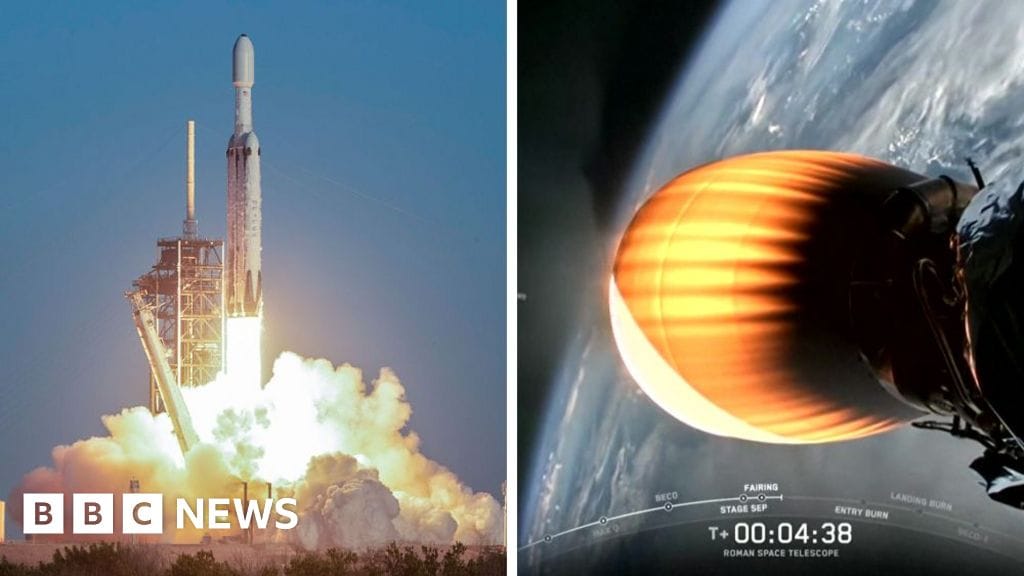 BBC
BBCNASA’s Nancy Grace Roman Telescope Leaves Earth to Chart the Stars - The New York Times
• NASA has launched the Nancy Grace Roman Space Telescope, a powerful observatory designed to chart the stars and explore the "dark universe." • Astronomers will utilize the telescope's wide and deep field of view to hunt for new exoplanets and study dark energy and dark matter.
Read original · nytimes.comRoman Space Telescope launch updates: NASA, SpaceX celebrate & Trump calls in live during post-launch press conference
• NASA and SpaceX are preparing to launch the Nancy Grace Roman Space Telescope aboard a Falcon Heavy rocket. • The launch is currently scheduled to take place on August 30 at 7:26 a.m. ET.
Read original · space.com Space.com
NASA Concludes Roman Space Telescope Launch Coverage
• NASA has concluded its live coverage following the successful launch of the Nancy Grace Roman Space Telescope via a SpaceX Falcon Heavy rocket. • The telescope successfully separated from the rocket's second stage, marking the start of its journey into space.
Read original · science.nasa.gov NASA Science