Iran-Linked Hackers Target US Medical Firm Stryker in Retaliation Strike

- The Iran-supporting group Handala claimed responsibility for hacking Stryker, a Michigan-based medical technology company, in retaliation for US strikes killing Iranian schoolchildren.
- DigiCert tracked nearly 5,800 cyberattacks by nearly 50 Iran-tied groups, primarily targeting US and Israeli companies.
- Attacks included spyware via fake bomb shelter apps on Android devices during Iranian missile strikes in Israel, accessing cameras, locations, and data.
- AI aids US defenses by automating cyber threat responses, as stated by Director of National Intelligence Tulsi Gabbard to Congress.
Sources & Citations
1 sourceMore Stories
Factbox-US companies face rise in cyber attacks By Reuters
• U.S. companies are experiencing a significant rise in cyber attacks, with recent security breaches affecting major AI firms including OpenAI and Anthropic. • In response, the White House announced the creation of a coordination group in July to help AI developers and critical infrastructure operators share information on system vulnerabilities.
Read original · investing.comLUMI-AI: €387.8 Million for AMD MI430X and EPYC
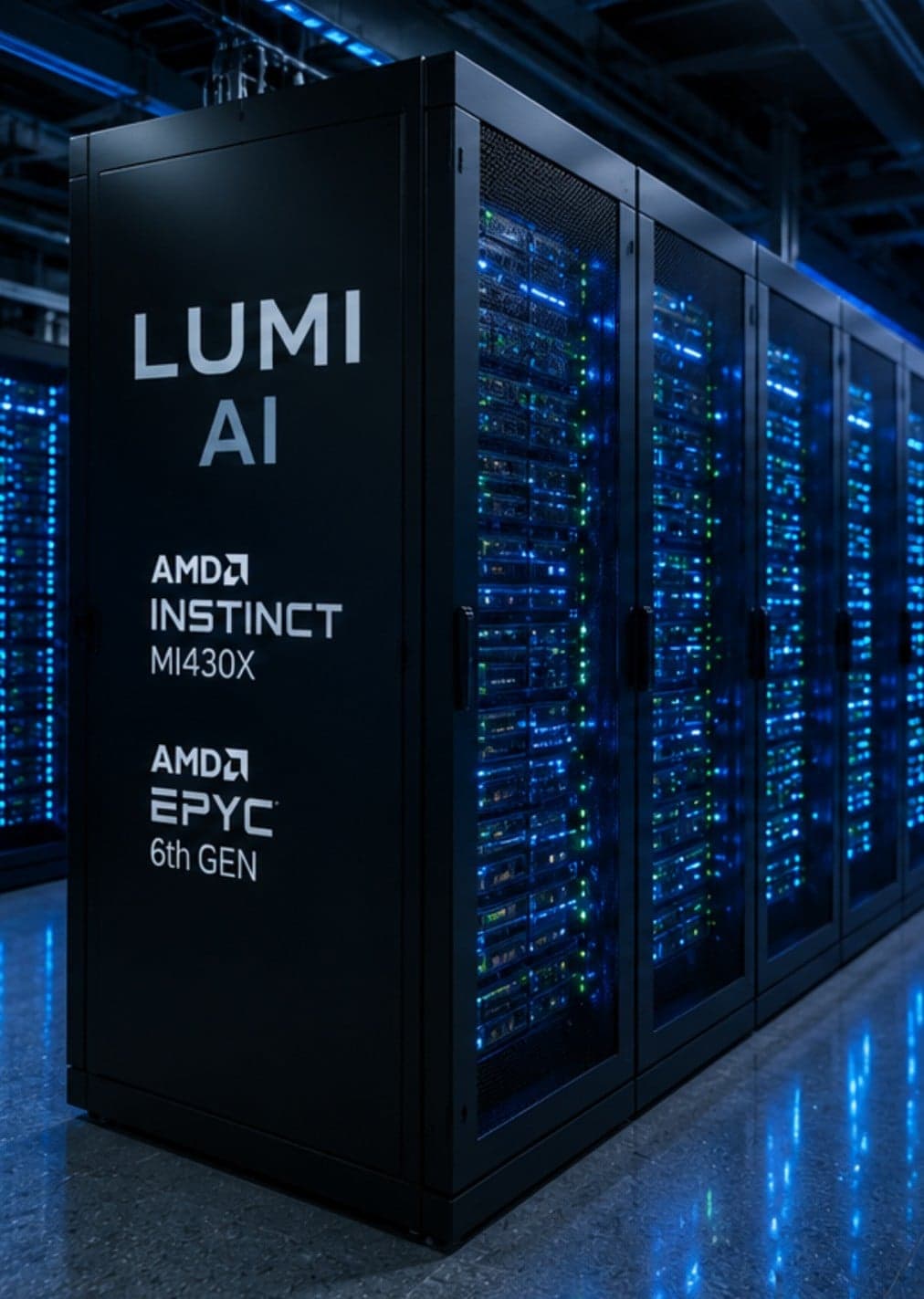
• Finland is constructing LUMI-AI, a high-performance computing facility funded by a €387.8 million investment. • The system will utilize AMD MI430X accelerators and 256-core EPYC processors to significantly expand Europe's AI and HPC capacity starting in 2027.
Read original · igorslab.de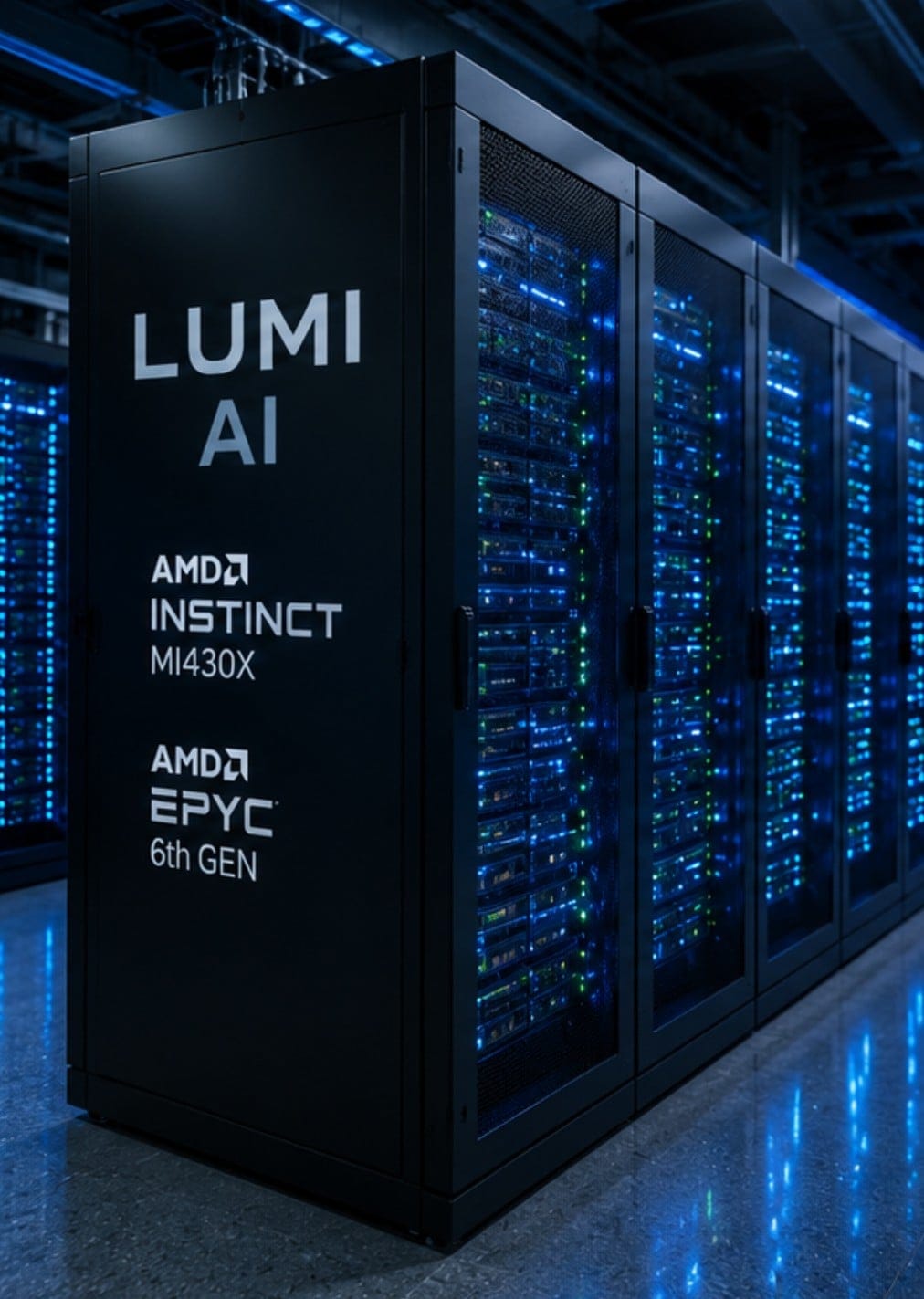 igor´sLAB
New AI models pose growing risk to financial stability, FSB chief Bailey warns By Investing.com
• Financial Stability Board (FSB) chief Bailey has warned that the emergence of new AI models poses a growing risk to global financial stability. • Bailey emphasized the urgent need for robust response and recovery capabilities, specifically the ability to restore critical systems and data from "bare metal" after major cyber incidents.
Read original · investing.comMove and win roundup: Week of August 31, 2026
• Campaign Asia released its weekly "Move and win" roundup on August 31, 2026, detailing recent business wins and executive appointments across the industry. • Key companies featured in the roundup include Supermassive, Singlife, Chop Shop, Visa, AKQA Australia, Havas Play, OpenAI, Nova Studio, Edge Marketing, and Influence Matters.
Read original · campaignasia.comASE CEO describes AI resource squeeze as a short-term problem
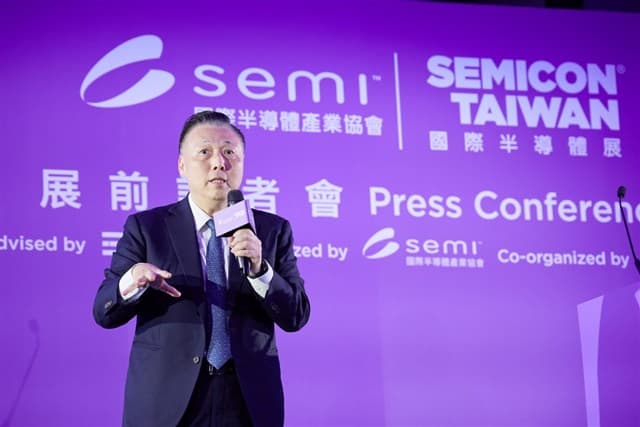
• ASE Technology CEO and SEMI Global Board Executive Committee Chair Tien Wu stated that the early growth of AI is causing a short-term shortage of land, talent, capital, and power in Taiwan. • Speaking at a pre-show conference on August 31, Wu emphasized Taiwan's indispensable role in the global technology ecosystem despite these resource pressures.
Read original · digitimes.com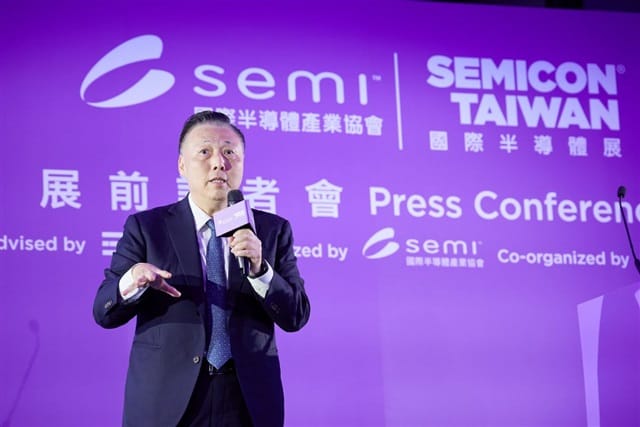 DIGITIMES
European tech weekly recap: Over €475M invested across 35+ deals - Tech.eu
• Over €475 million was invested across more than 35 European tech funding deals last week, alongside more than five exits and M&A transactions. • The space sector led investment at €160.9 million, followed by artificial intelligence (€81.2 million) and software (€69.9 million).
Read original · tech.eu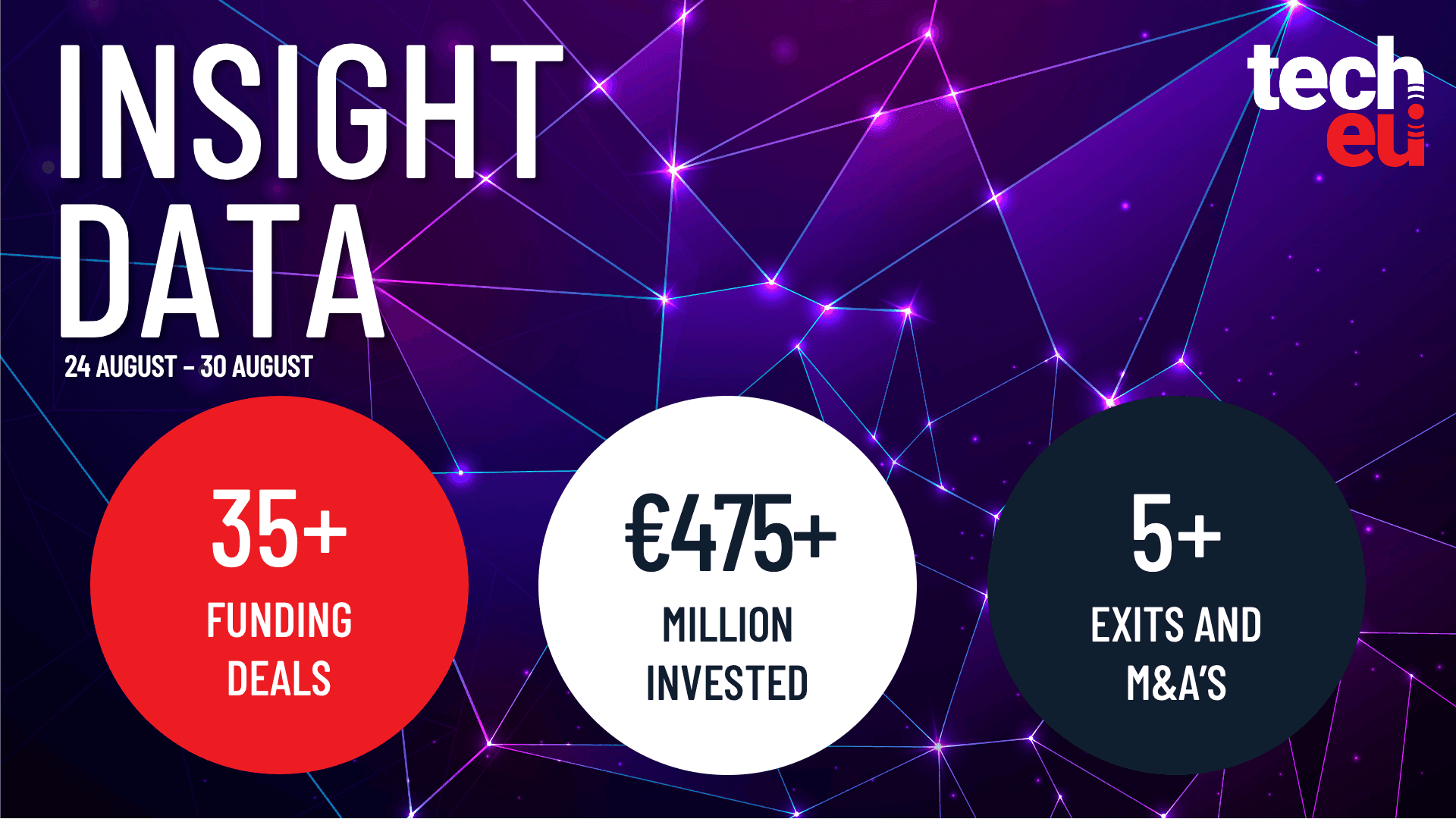 Tech.eu
Oracle layoffs: Company leadership may again send the '6 am' email on September 1 that told employees, "We have made the decision to… - The Times of India
• Oracle is planning another round of job cuts, with managers currently submitting lists of employees whose roles may be eliminated. • The company aims to reduce its payroll by September 1, coinciding with the start of Oracle's fiscal second quarter.
Read original · timesofindia.indiatimes.comAI Fiesta Expands to Southeast Asia with Telco Partnerships
• Indian AI platform AI Fiesta has expanded its operations into Singapore and the Philippines through strategic partnerships with telecommunications providers giga! and Globe Telecom. • Founded in 2025, the platform now serves over one million users across India, Nepal, Bhutan, Singapore, and the Philippines.
Read original · technosports.co.in Technosports
How to pitch Southeast Asia’s investors: A founder’s guide
• Tech Innovators has secured $50 million in funding from Venture Capitalist Alpha to advance artificial intelligence development. • The investment highlights a growing trend where Southeast Asian investors prioritize founders who demonstrate strong market insight, execution, and credible scale.
Read original · e27.co e27
e27Three Asian Tech Ideas For 2026, According to Morgan Stanley By Investing.com
• Morgan Stanley has identified three key Asian technology investment ideas targeting growth by 2026. • Among the highlighted picks is APR, a technology company based in South Korea.
Read original · investing.comSoutheast Asia startup funding finds a floor, but not a rebound
• Startup funding in Southeast Asia showed signs of stabilizing in late 2025, suggesting the region's funding decline has finally found a floor. • Despite the improvement in deal value, investors remain cautious, shifting their capital toward mature, lower-risk companies rather than early-stage ventures.
Read original · e27.co e27
e27New AI models pose risk to global financial system, Bank of England chief warns
• Bank of England Governor Andrew Bailey warned G20 leaders that frontier AI models pose significant risks to the global financial system that transcend national borders. • Bailey highlighted a critical lack of international protocols to manage the development, release, and deployment of advanced AI, increasing vulnerability for the financial sector.
Read original · thenationalnews.com The National