Legged Robot Breakthrough Enables Autonomous Resource Prospecting on Moon and Mars

- Researchers developed a legged robot capable of independent navigation on lunar and Martian terrain, scanning rocks and collecting data without constant human input.
- The robot underwent analogue tests in the Marslabor at the University of Basel, demonstrating rapid resource identification for future missions.
- This innovation accelerates prospecting for water ice and minerals, critical for sustaining human presence beyond Earth.
Sources & Citations
1 sourceMore Stories
NASA Shares Station Research Today Supporting Moon, Mars Tomorrow - NASA
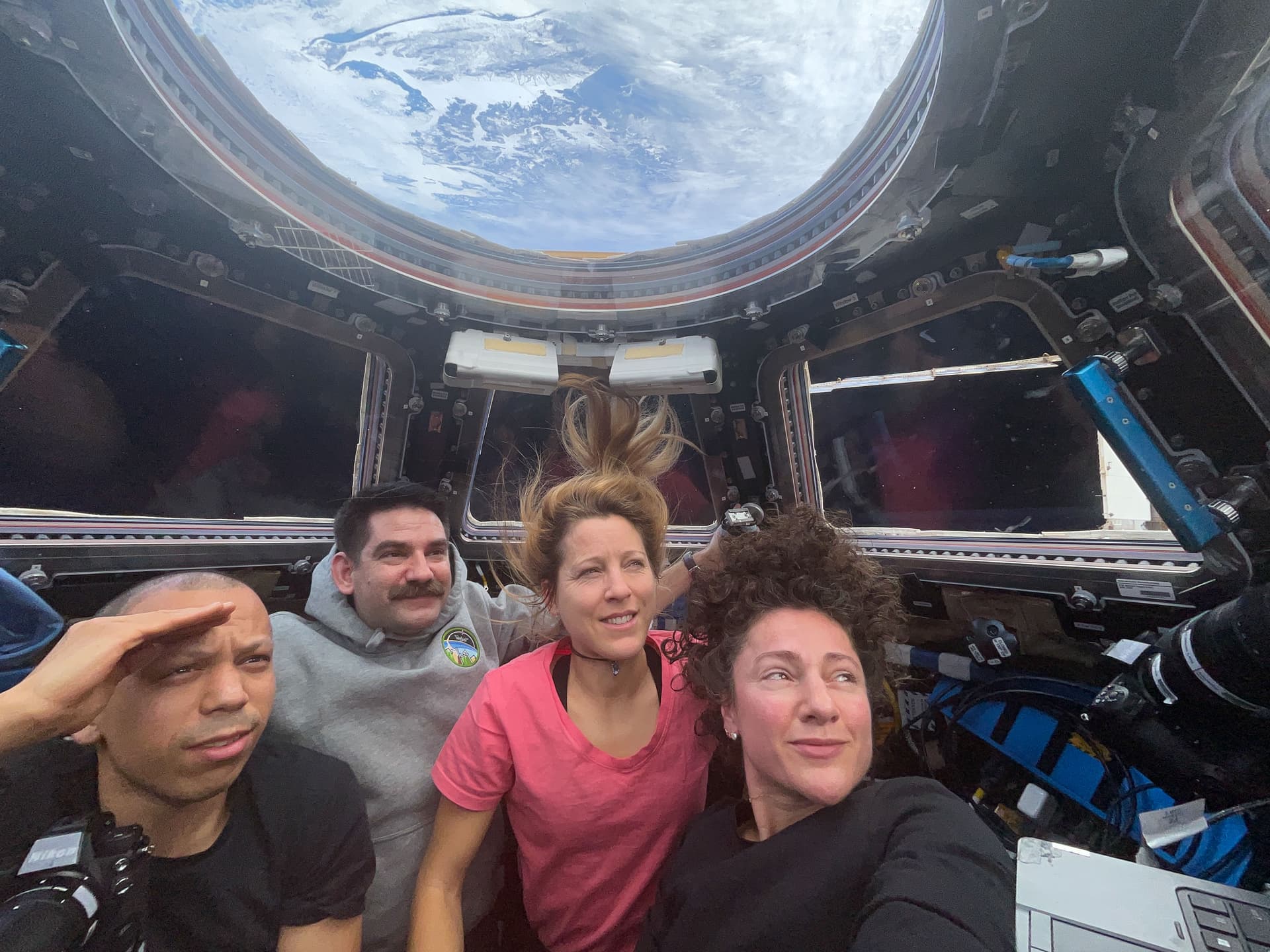
• NASA recently conducted the Artemis II mission in April, marking the first crewed flight around the Moon in over 50 years. • The mission served as a critical milestone to validate key systems required for returning humans to the lunar surface and exploring deep space.
Read original · nasa.gov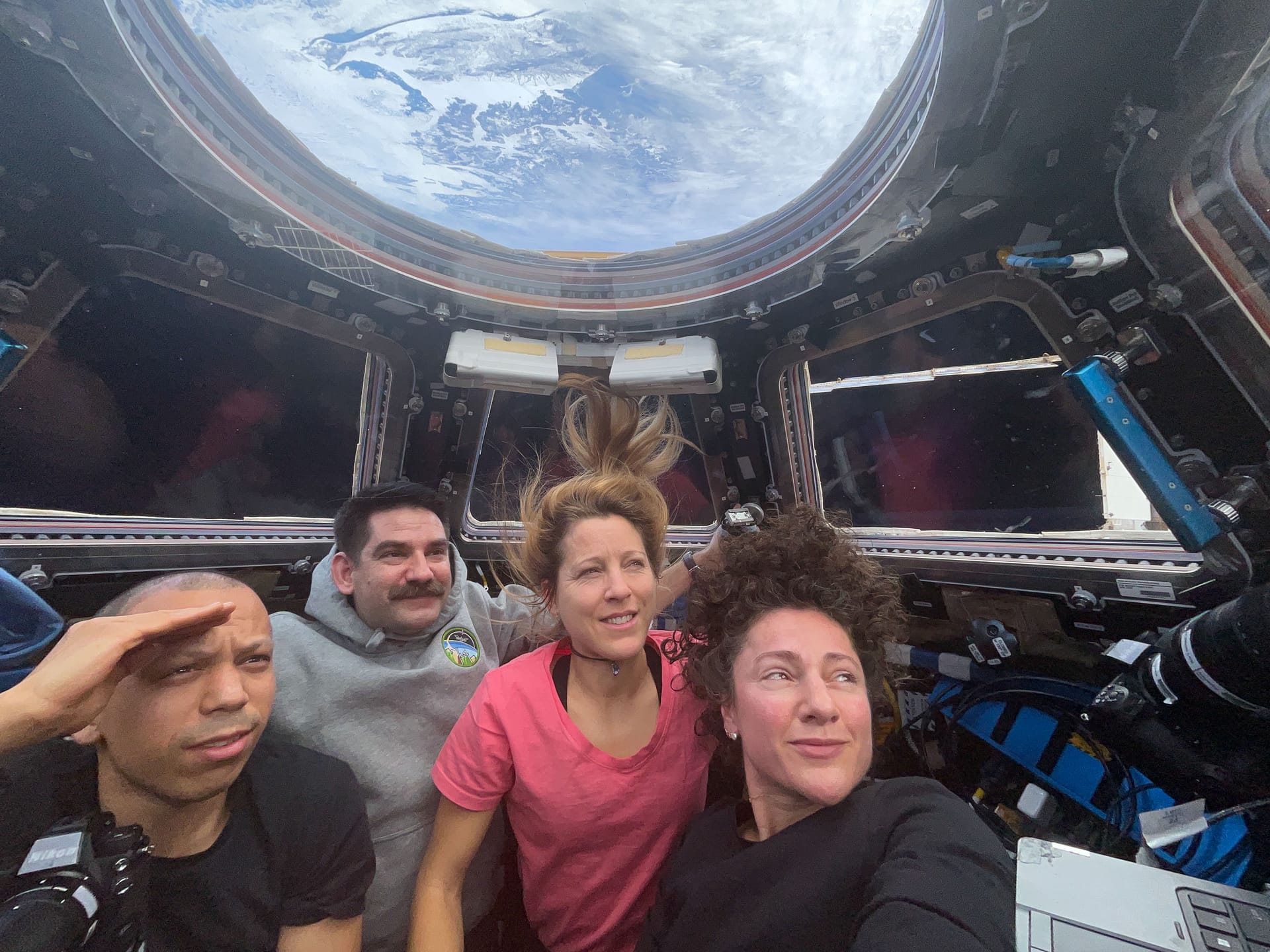 NASA
NASASpaceX launches 24 Starlink satellites to orbit from California (video)
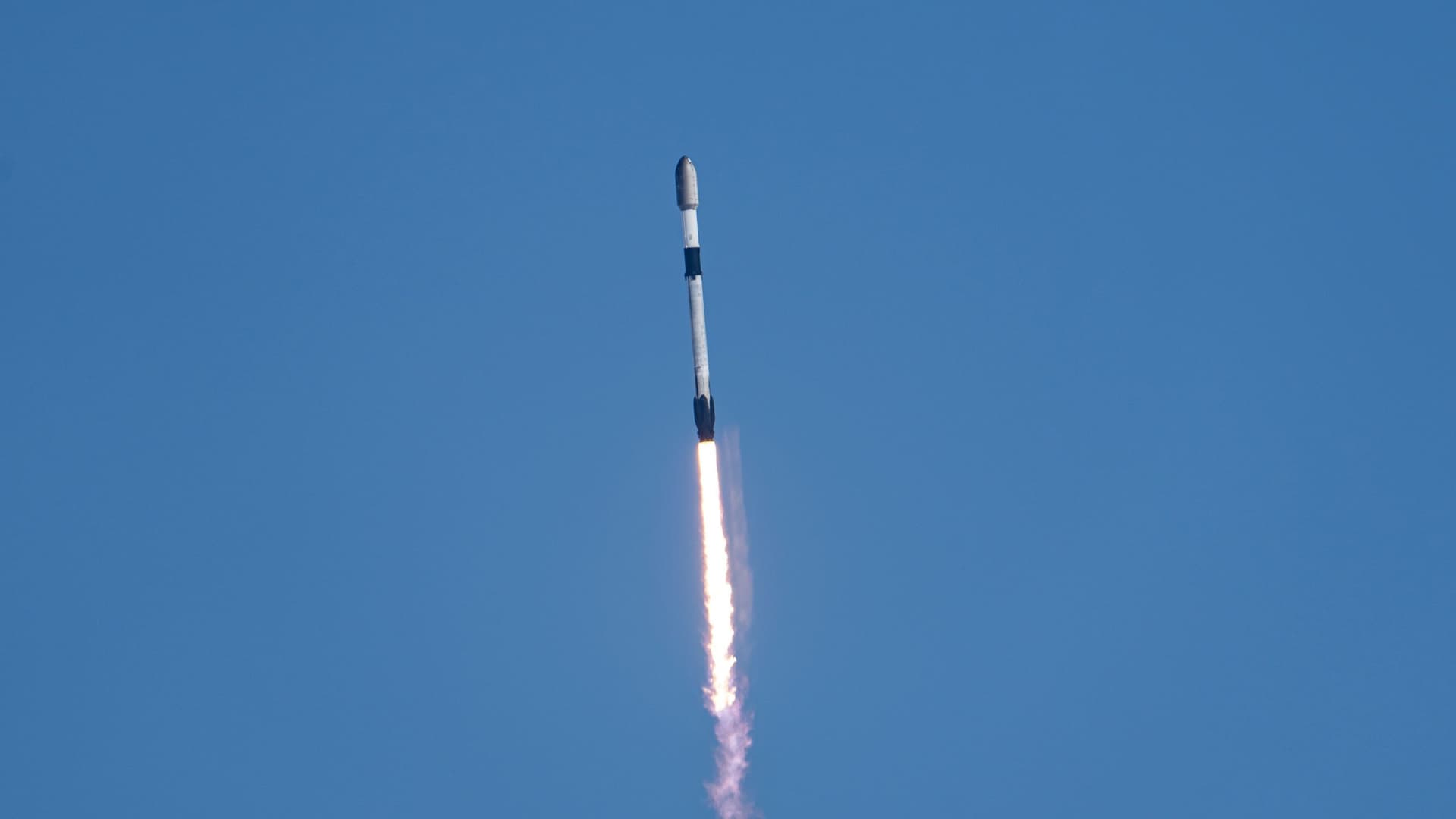
• SpaceX successfully launched 24 Starlink internet satellites into orbit on August 8. • The mission took place from the scenic central coast of California.
Read original · space.com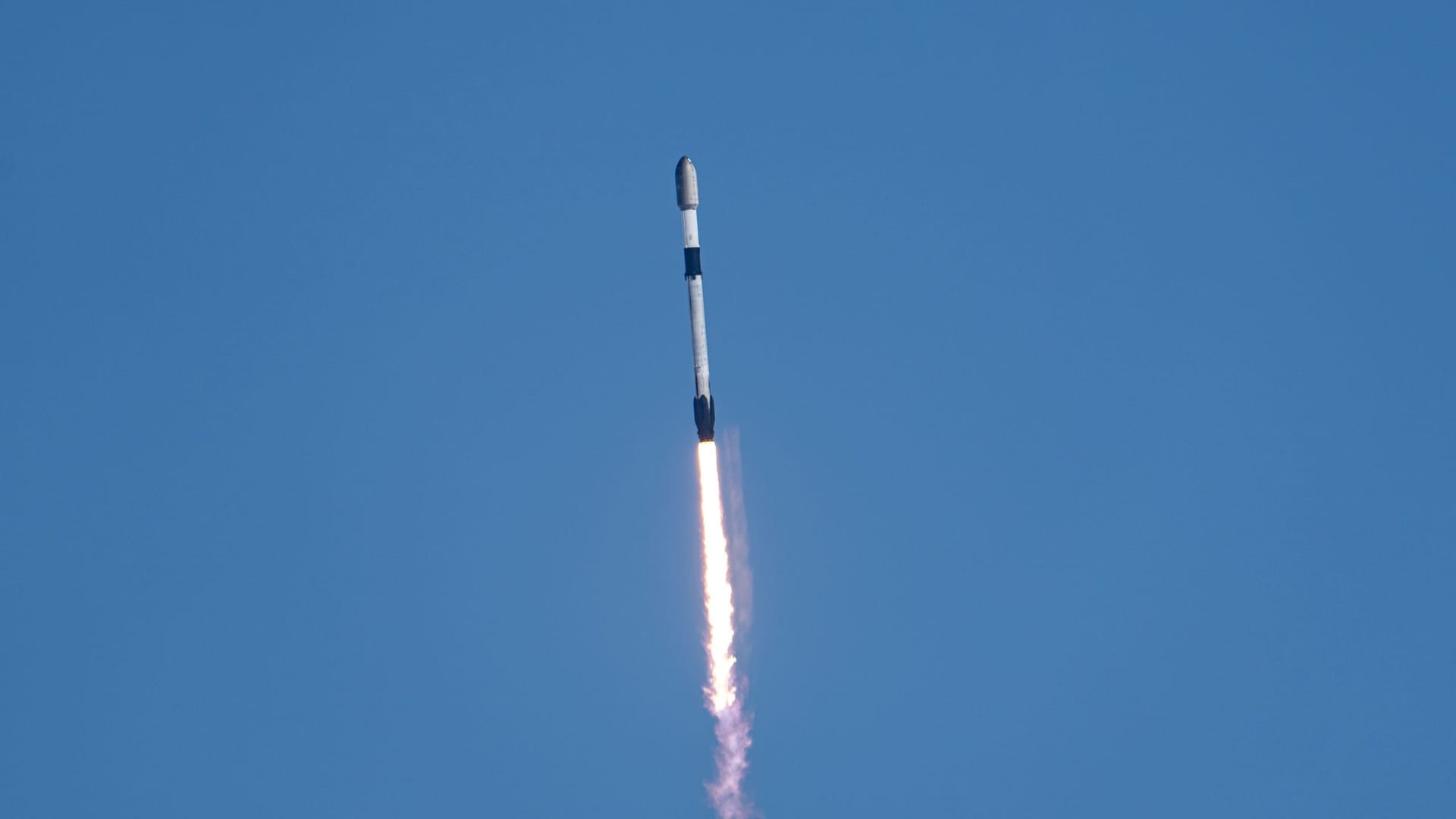 Space.com
Sharpest image of the sun ever captured!
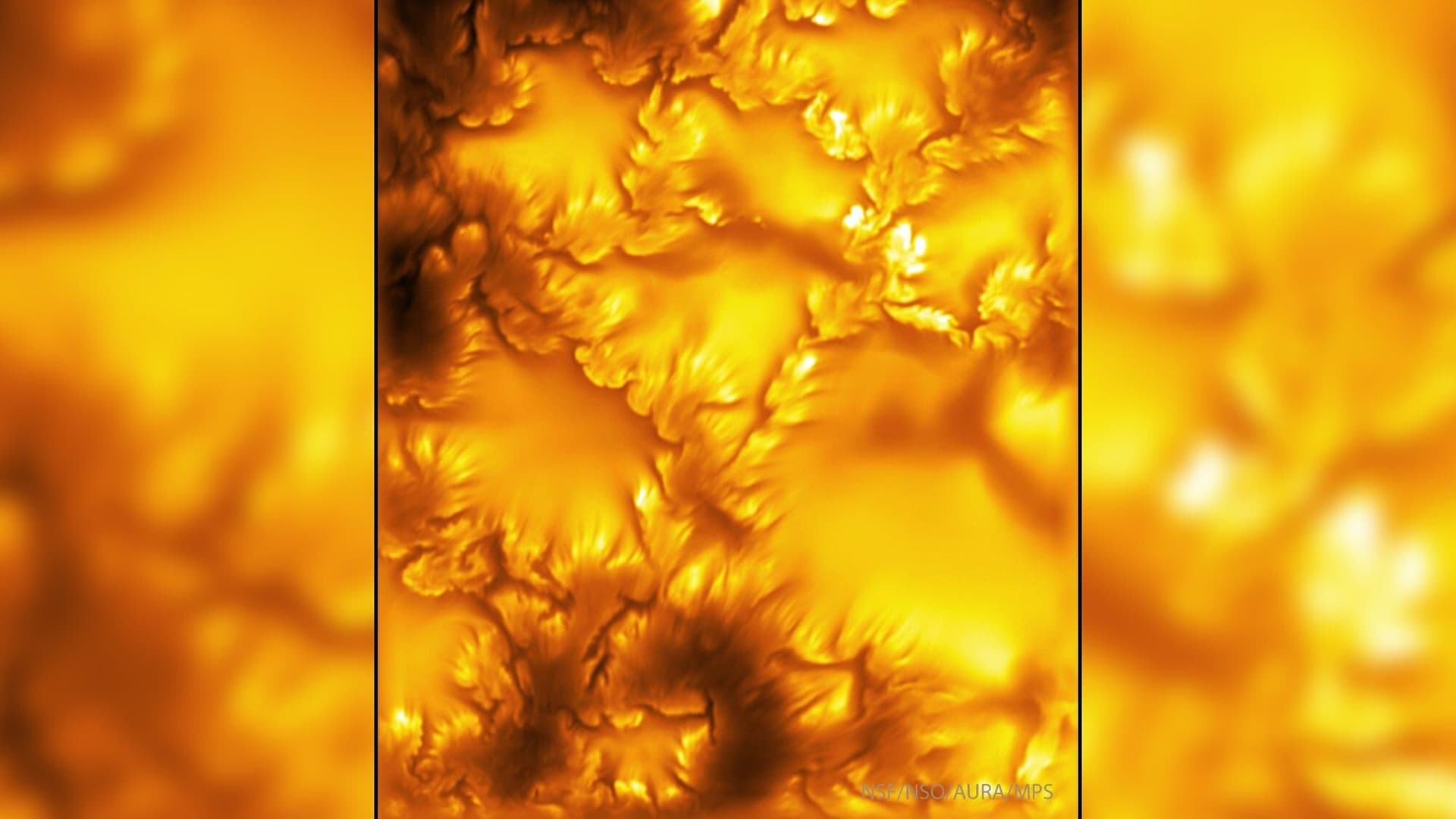
• An international research team using the U.S. National Science Foundation's Inouye Solar Telescope has captured the highest-resolution image of the sun's surface to date. • The new imagery provides an unprecedentedly sharp view of the star, revealing surprising and previously unseen details about its surface structure.
Read original · space.com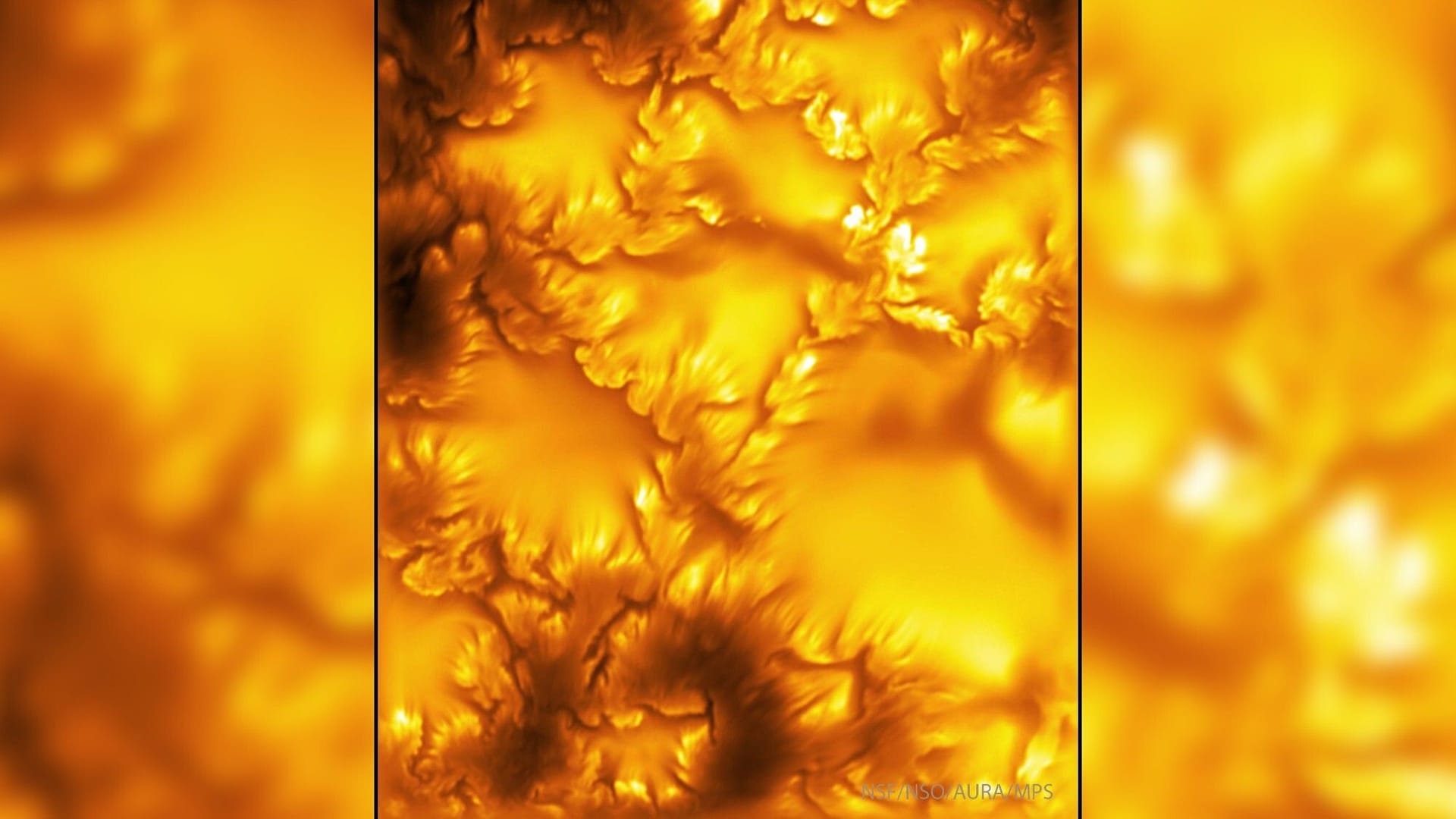 Space.com
Launch Into a New School Year With NASA - NASA
• NASA's Science Mission Directorate has launched a new initiative inviting students and the general public to participate in citizen science projects for the new school year. • Volunteers can work remotely and on their own schedules to analyze authentic mission data, focusing on tasks such as identifying comets, asteroids, and binary star systems.
Read original · nasa.gov NASA
NASATop Science News -- ScienceDaily
• ScienceDaily has highlighted several major scientific breakthroughs, including the discovery of four hidden white dwarf stars near Earth and a new giant salamander species identified in 3.5-million-year-old fossils. • Key research updates include a quantum breakthrough linking light and magnetism in atomically thin materials and a laboratory recreation of black hole energy extraction by physicists.
Read original · sciencedaily.comOn this day in space! Aug. 10, 1972: A 'Great Daylight Fireball' lights up the sky over North America
• On August 10, 1972, a 'Great Daylight Fireball' was seen over North America, visible in parts of the United States and Canada. • The fireball was an Earth-grazing meteor that burst through the sky, creating a spectacular sight for observers.
Read original · space.com Space.com
Top Science Body Deletes Climate Chapter From Judges’ Manual - The New York Times
• The National Academies of Sciences, Engineering, and Medicine deleted a chapter on climate change from a manual used by judges. • The decision follows significant pressure from Republican leaders, including President Trump, who criticized the content of the chapter.
Read original · nytimes.comSpace Agencies Are Trying to Keep Astronauts From Losing Their Sight
• Space agencies are exploring the use of a specialized eye-exam device, originally designed for elderly patients, to monitor astronauts' ocular health during future missions. • The initiative aims to prevent and track vision loss, a known risk for astronauts spending extended periods in space.
Read original · wired.com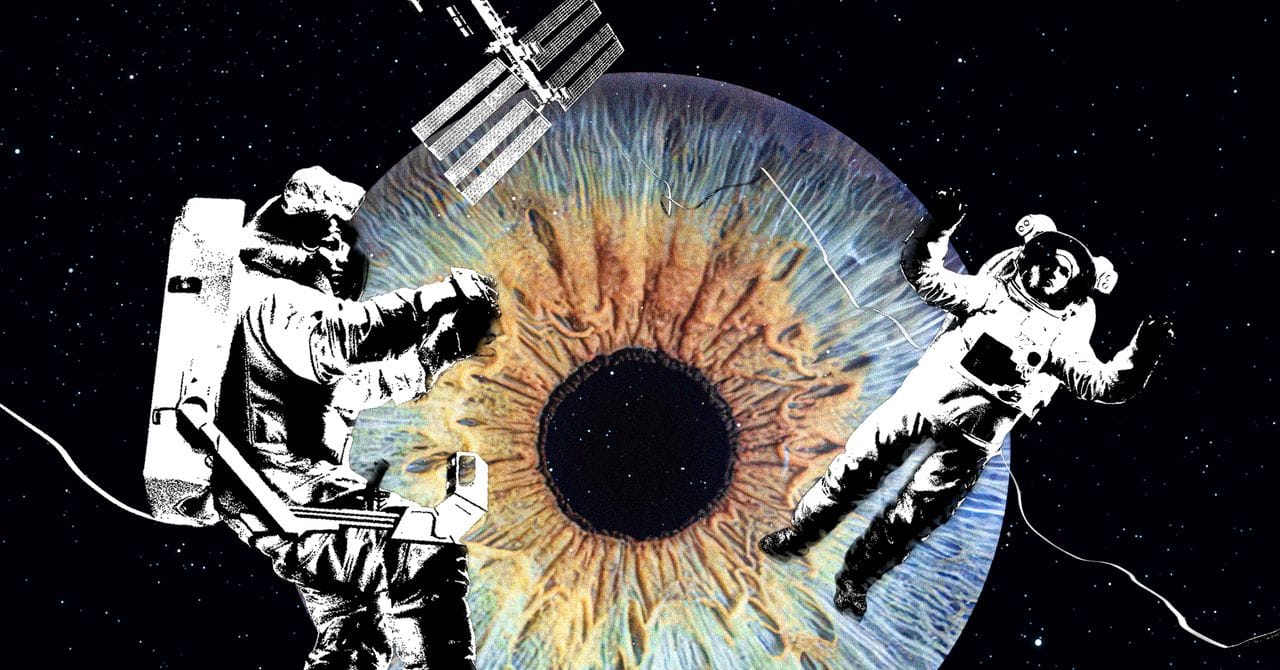 WIRED
WIREDOn this day in space! Aug. 9, 1976: Soviet Luna 24 sample return probe launches to the moon
• On August 9, 1976, the Soviet space program launched Luna 24, a robotic probe designed to return lunar soil samples to Earth. • This mission marked the third Soviet attempt at a sample return and served as the final moon mission conducted by the Soviet Union.
Read original · space.com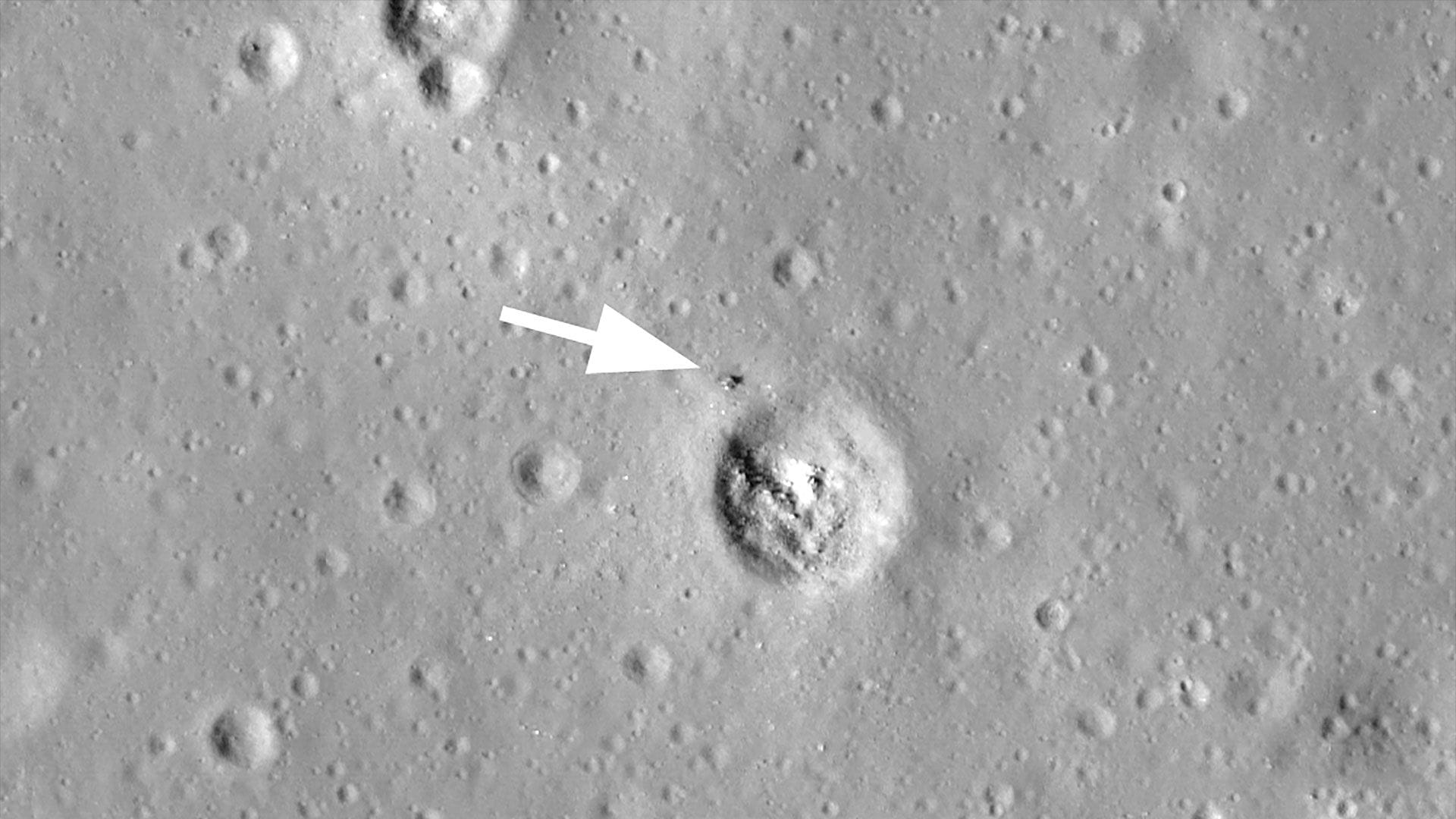 Space.com
On this day in space! Aug. 8, 1977: Soviet Union's Salyut 5 reconnaissance space station burns up in Earth's atmosphere
• On August 8, 1977, the Soviet Union's Salyut 5 space station re-entered and burned up in Earth's atmosphere. • Salyut 5 was a key component of the Almaz program, a highly secretive military initiative focused on space-based reconnaissance.
Read original · space.com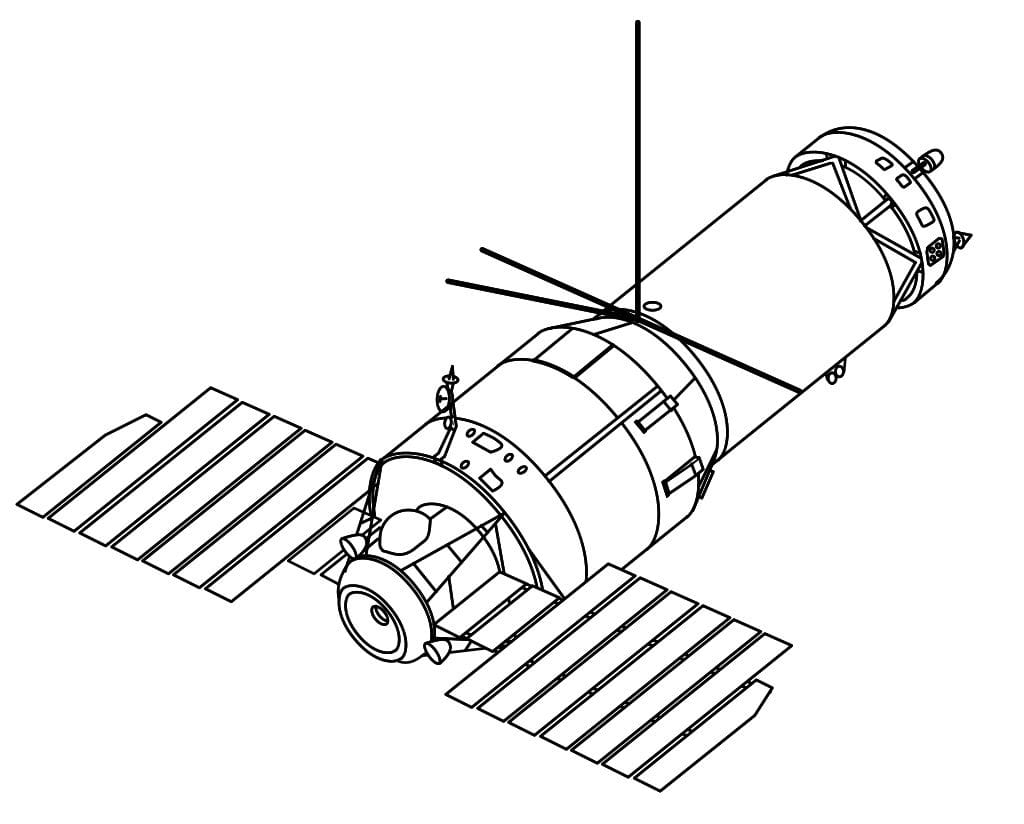 Space.com
The total solar eclipse on Aug. 12 will reveal something nobody has ever seen before
• A total solar eclipse will occur on August 12, providing a rare opportunity for observers to view the sun's outer atmosphere with the naked eye. • During the period of totality, the moon will completely block the sun's disk, revealing the hidden solar corona that is normally invisible.
Read original · space.com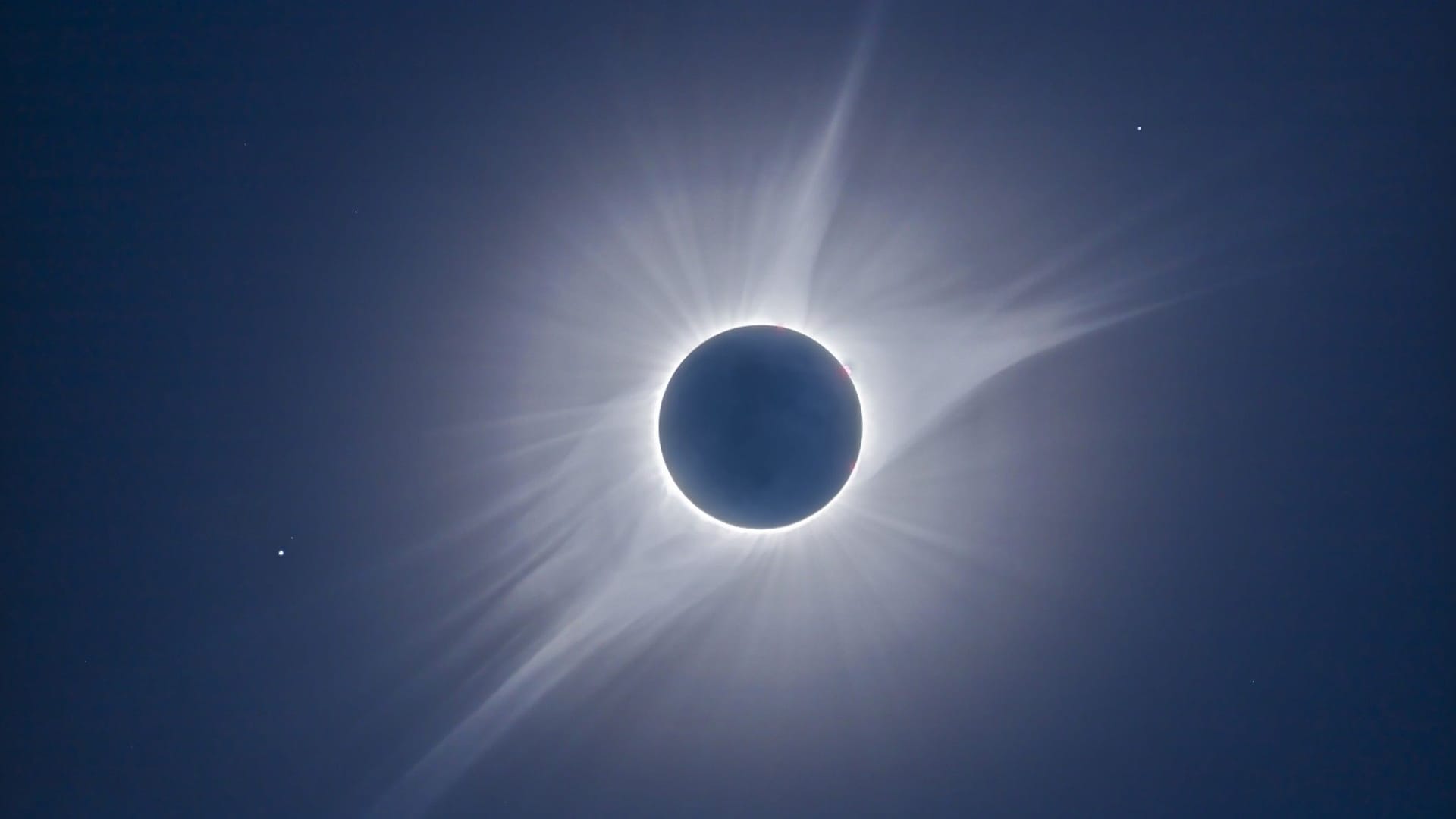 Space.com
Total solar eclipse Aug. 12, 2026 live updates — 3 days to totality
• A total solar eclipse is scheduled to occur on August 12, 2026, with the path of totality crossing Greenland and Spain. • Live reporting and expert updates are currently being provided as the countdown to the event reaches its final three days.
Read original · space.com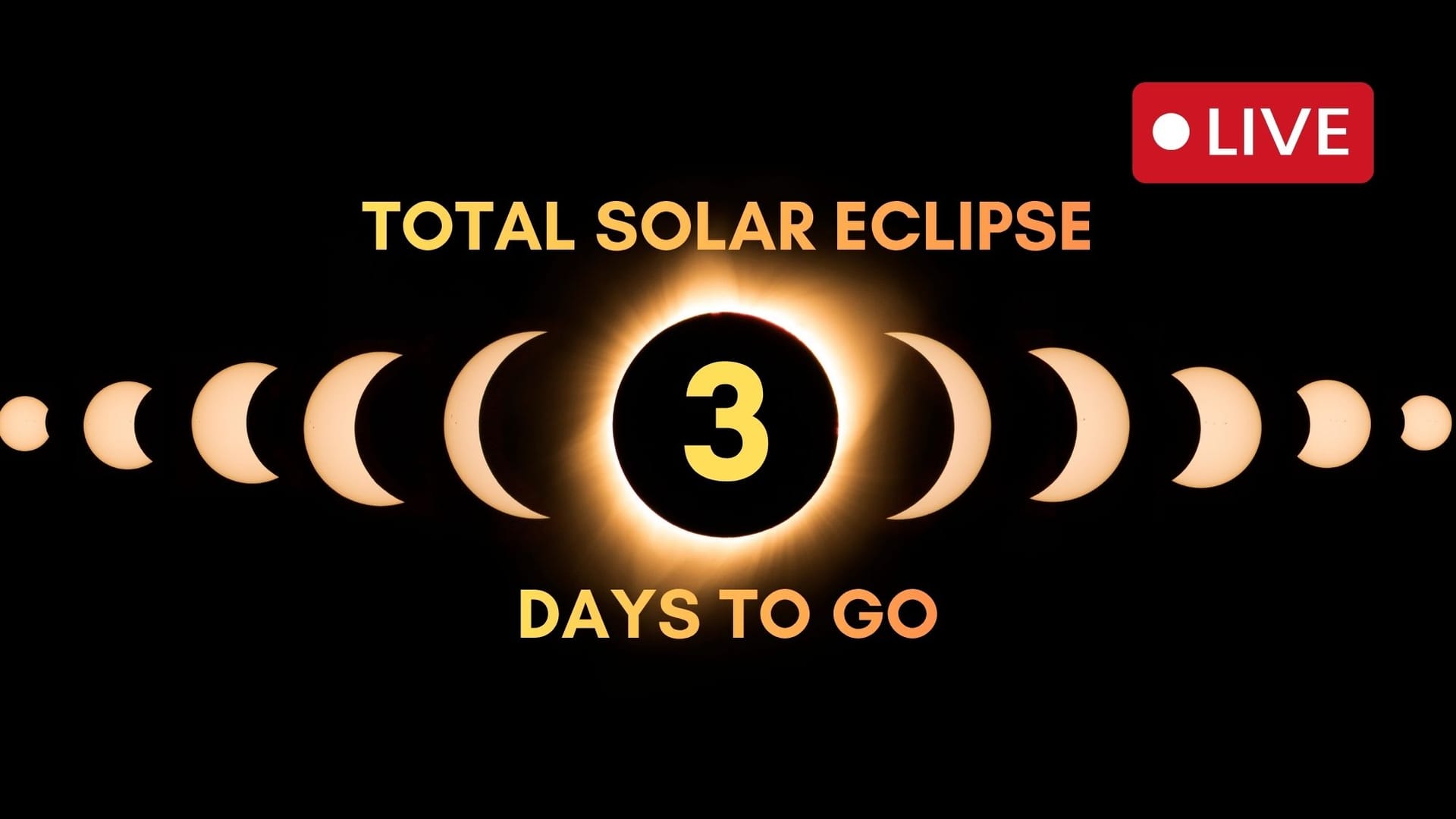 Space.com