MoneyWeek Talks: Investing in Asia's engine of growth
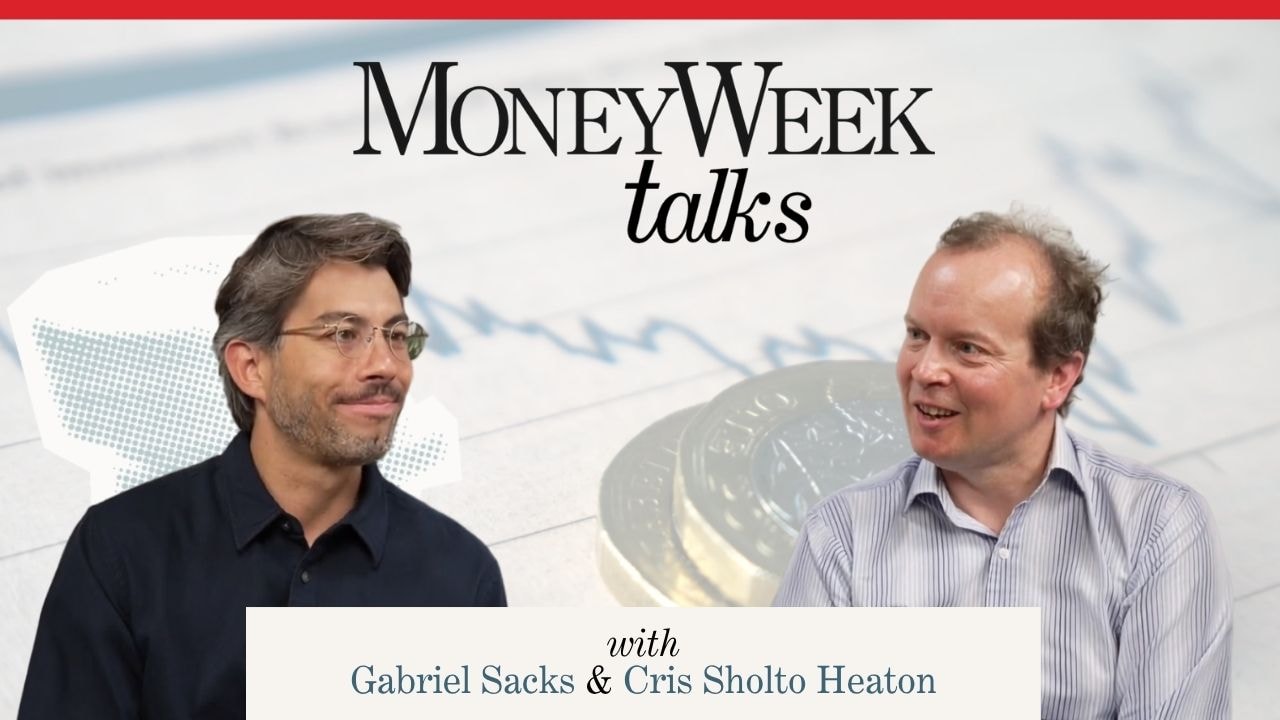
- MoneyWeek is highlighting the investment potential of Asian small-cap stocks, which are frequently overlooked despite their ability to generate strong returns.
- The Asia focus fund is shifting its strategy, moving away from a heavy weighting in the domestic-oriented Indian market.
- This strategic pivot is driven by the global AI boom, which has increased the attractiveness of export-oriented markets in Taiwan and South Korea.
- Investors are encouraged to look beyond traditional large-caps to capture growth within Asia's evolving economic engine.
Sources & Citations
1 sourceMore Stories
Can the Fed pass Kevin Warsh’s trend test?
• Former Federal Reserve official Kevin Warsh challenged the central bank to prove that current interest rate hikes can effectively address inflation caused by energy supply shocks. • Warsh argues that Main Street consumers are paying twice through both high fuel costs and expensive credit while productivity gains are already cooling inflation.
Read original · washingtonexaminer.com Washington Examiner
Kevin Warsh may be the adult in the room. But can he calm the US economy? | Federal Reserve
• The Federal Reserve chair led a unanimous decision on Wednesday to raise interest rates for the first time in three years. • This policy shift aims to combat inflation that has remained above the Federal Reserve's 2% target for more than five years.
Read original · theguardian.comCan Kevin Warsh Change the Federal Reserve?
• Kevin Warsh took leadership of the Federal Reserve during a period of stubborn inflation and tariff threats. • Warsh intends to end the use of forward guidance, a policy tool used since the 1990s to signal future interest rate moves.
Read original · time.com TIME
TIMEBenzinga's 'Stock Whisper' Index: 5 Stocks Investors Secretly Monitor But Don't Talk About Yet - UMB Fina
• Benzinga's Stock Whisper Index identified TD Synnex Corp as a stock attracting heightened interest from traders and investors over the last week. • Analysts expect the IT company to report third-quarter revenue of $18.86 billion and earnings per share of $4.68, compared to $15.65 billion and $3.58 last year.
Read original · benzinga.com Benzinga
France Debt Climbs to 119% of GDP, Bond Spread Sounds 2012 Alarm
• France's finance ministry reported that public debt has climbed to 119.3% of GDP alongside a 5.4% deficit. • The OAT-Bund spread, which measures the difference in yield between French and German bonds, crossed 100 basis points for the first time since the 2012 eurozone debt crisis.
Read original · easternherald.comAhead of Market: 10 things that will decide stock market action on Monday - The Economic Times
• Indian equities continued their recovery on Friday, with the Nifty index gaining 0.33% while the Sensex slipped 0.03%. • Market sentiment was supported by a moderation in crude oil prices and global yields.
Read original · economictimes.indiatimes.comWhat Moved Markets This Week
• U.S. stocks ended the week with mixed results following a Federal Reserve interest rate hike and rising Treasury yields. • Sector performance varied widely, with Healthcare gaining 1.8% while Utilities dropped 3%.
Read original · seekingalpha.comPresidential Stock Market Performance: How Trump’s Second Term Compares to History - The Economy
• The U.S. stock market expanded beyond mega-cap technology companies following the November 5, 2024, presidential election. • The Russell 2000 and other small-cap indices surged more than 60% between April 2025 and September 2026.
Read original · economy.com.pk The Economy
THE EDGE BRIEFING - Weekend Edition - Sunday, 20 September 2026
• Saudi Arabia sold 60 million barrels of oil from Gulf terminals to Asian buyers while halting October deliveries to at least two European refiners, including Poland’s Orlen. • Brent crude prices approached $110 on Tuesday before falling due to increased American crude stocks and comments from President Trump regarding the end of the war.
Read original · jonathanmaxwell.substack.com Substack
Ceres Power Capital Raise Backs Clean Energy Scale-Up with £103m Placing - Financial News
• Ceres Power Holdings completed a capital raise in June 2026 to fund a more ambitious operational model for its clean energy development. • The FTSE 250 company secured £103 million through a placing of shares.
Read original · financial-news.co.uk Financial News
Bankers face EU privacy wall in race to stem evolving credit risk
• European banks are struggling to assess their financial exposure to wildfires, floods, and droughts because EU data-privacy rules limit access to property and insurance details. • Triodos Bank estimated last month that heat waves could reduce Europe’s GDP by 1%, or approximately €180 billion.
Read original · business-standard.comGold ends three-week slide at the $4,400 line — eight straight days of ETF inflows vs a 5% 10-year and a 100 dollar
• Spot gold ended a three-week decline on Friday, closing at $4,378.39 for its first weekly gain in a month. • The metal reached an intraday high of $4,399.67, finishing just 33 cents below the $4,400 threshold.
Read original · mitrade.com Mitrade