NASA just powered up Roman’s massive 300-megapixel camera
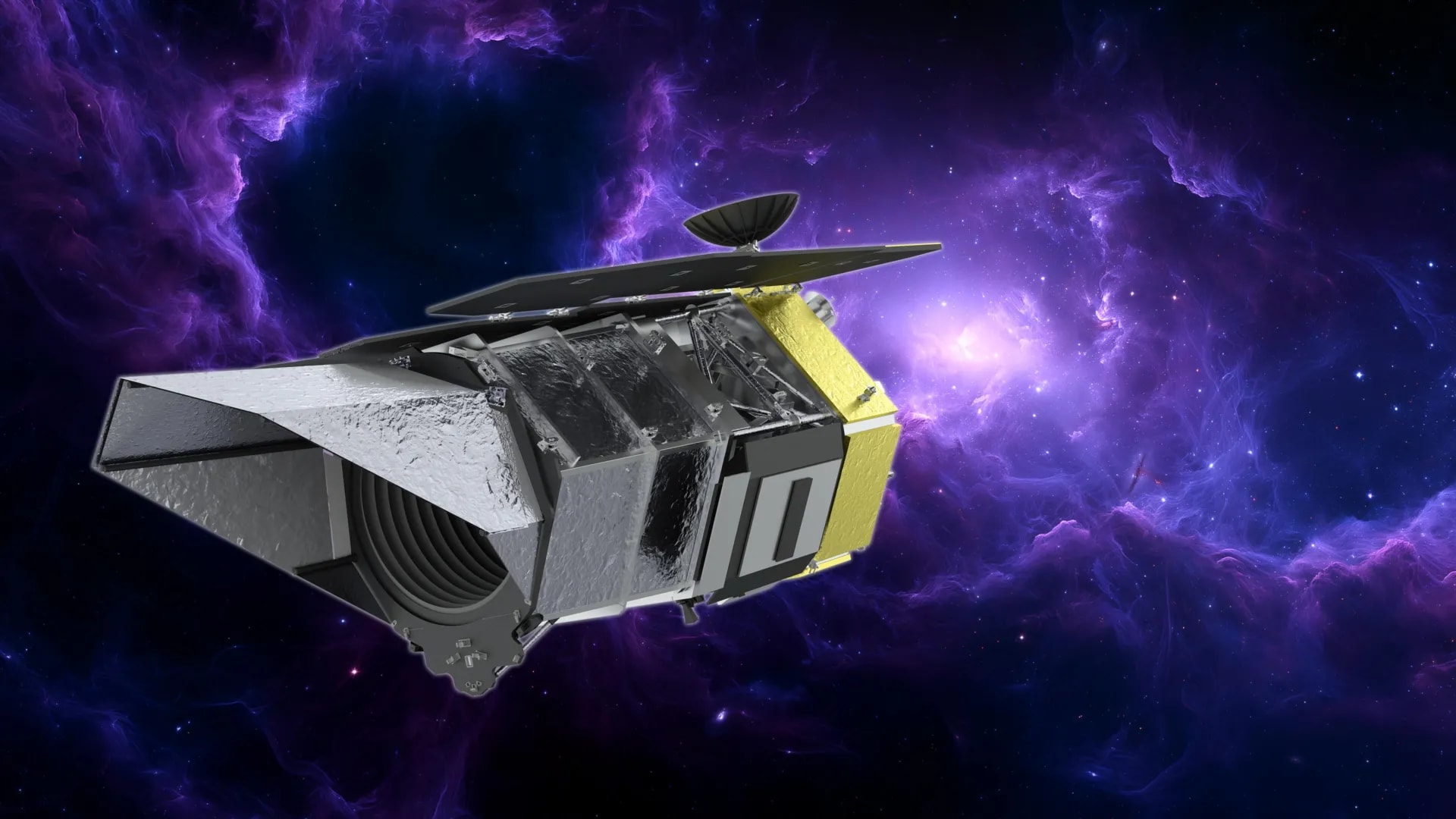
- NASA successfully activated the 300-megapixel infrared camera on the Roman Space Telescope.
- The telescope's planet-hunting coronagraph, a device that blocks starlight to see nearby planets, is also working as expected.
- This hardware success allows the telescope to capture vast areas of the cosmos with the same sharpness as the Hubble Space Telescope.
- The mission is now on track to begin its primary science operations in 2027.
Sources & Citations
1 sourceMore Stories
Space Is Scary AF, Here Are 11 Unbelievable Space Facts That Hurt My Head
• Astronomers are sharing mind-blowing facts about space, including how we can view distant galaxies as they existed millions of years ago. • Eratosthenes, an ancient Greek scientist, calculated the size of the Earth using shadows and was less than 1% off, demonstrating early understanding of the planet's dimensions.
Read original · buzzfeed.com3I/ATLAS Has An Extreme Taste For Heavy Water - Universe Today
• Astronomers discovered 3I/ATLAS, the third known interstellar visitor, in July 2025. • Powerful observatories found that the object contains peculiar isotopes, which are different versions of chemical elements.
Read original · universetoday.com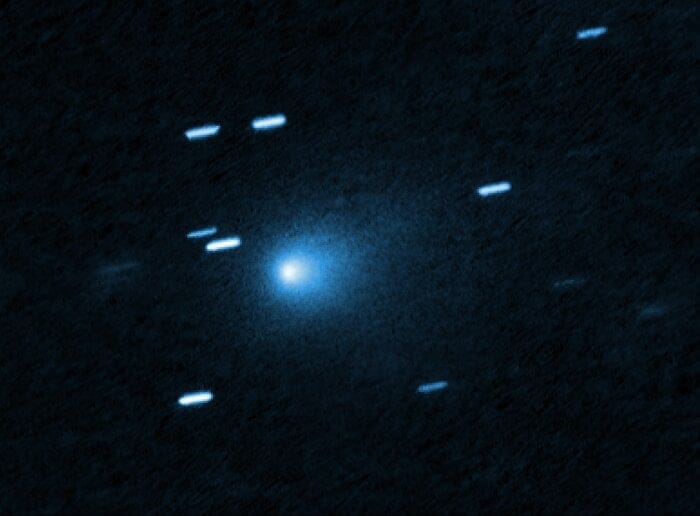 Universe Today
Breakthrough Science Discoveries Unveiled Today – ICO Optics
• Scientists have made recent breakthrough discoveries that are changing our understanding of the natural world across multiple academic disciplines. • These findings highlight the delicate balance of global ecosystems, which can be observed through field tracking using tools like binoculars or data analysis from science books.
Read original · ico-optics.org ICO Optics
ISRO and ESA extend space partnership until 2032: What changes for India and Europe's future missions?
• The Indian Space Research Organisation (ISRO) and the European Space Agency (ESA) extended their space cooperation agreement until January 2032. • The renewed partnership expands joint work to include human and robotic exploration, space weather, and space sustainability.
Read original · news9live.com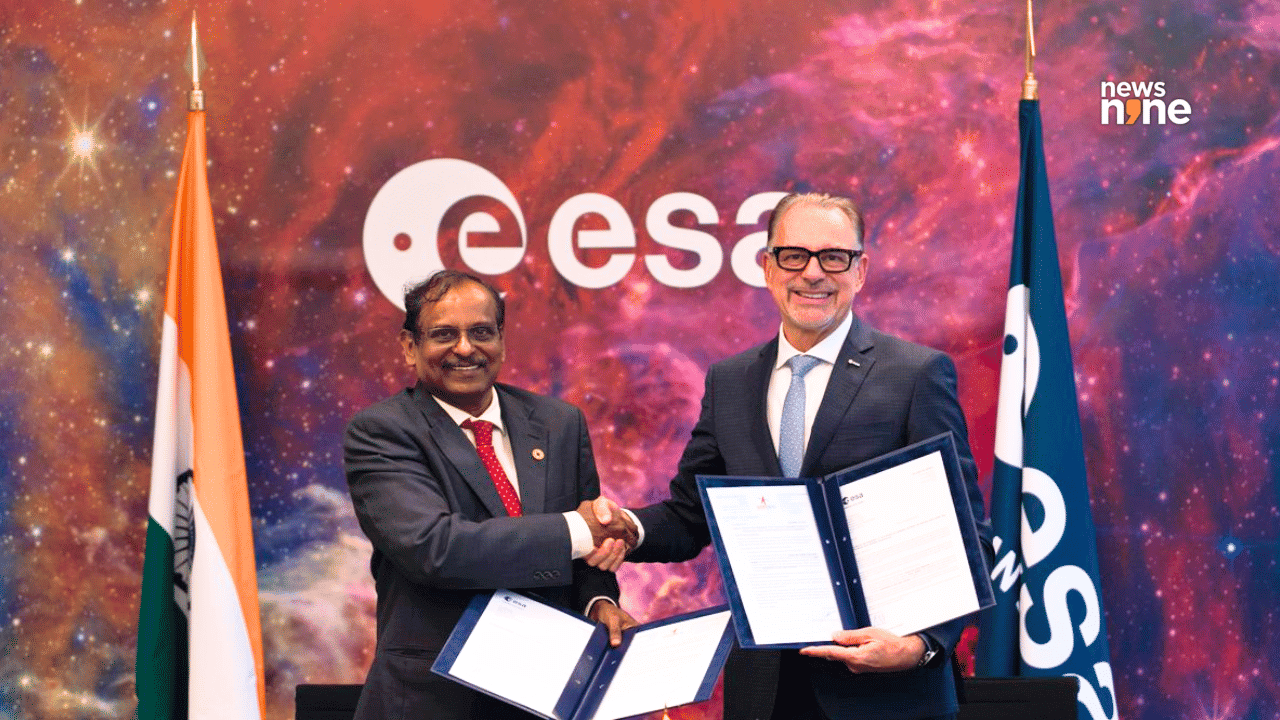 News9live
The Winners of the 2026 Gizmodo Science Fair
• The 2026 Gizmodo Science Fair has announced its winners, honoring the year's most significant discoveries and breakthroughs in various fields. • The winners include breakthroughs in medicine and biotechnology, as well as advancements in space exploration and AI tools that are changing our understanding of the planet.
Read original · gizmodo.com Gizmodo
How supermassive black holes are the architects of entire galaxies
• Astronomers studied nine local galaxies to understand the role of supermassive black holes in shaping their surroundings. • The researchers found that shock waves from these black holes sculpt star formation, with the black holes actively reshaping their galaxies.
Read original · space.com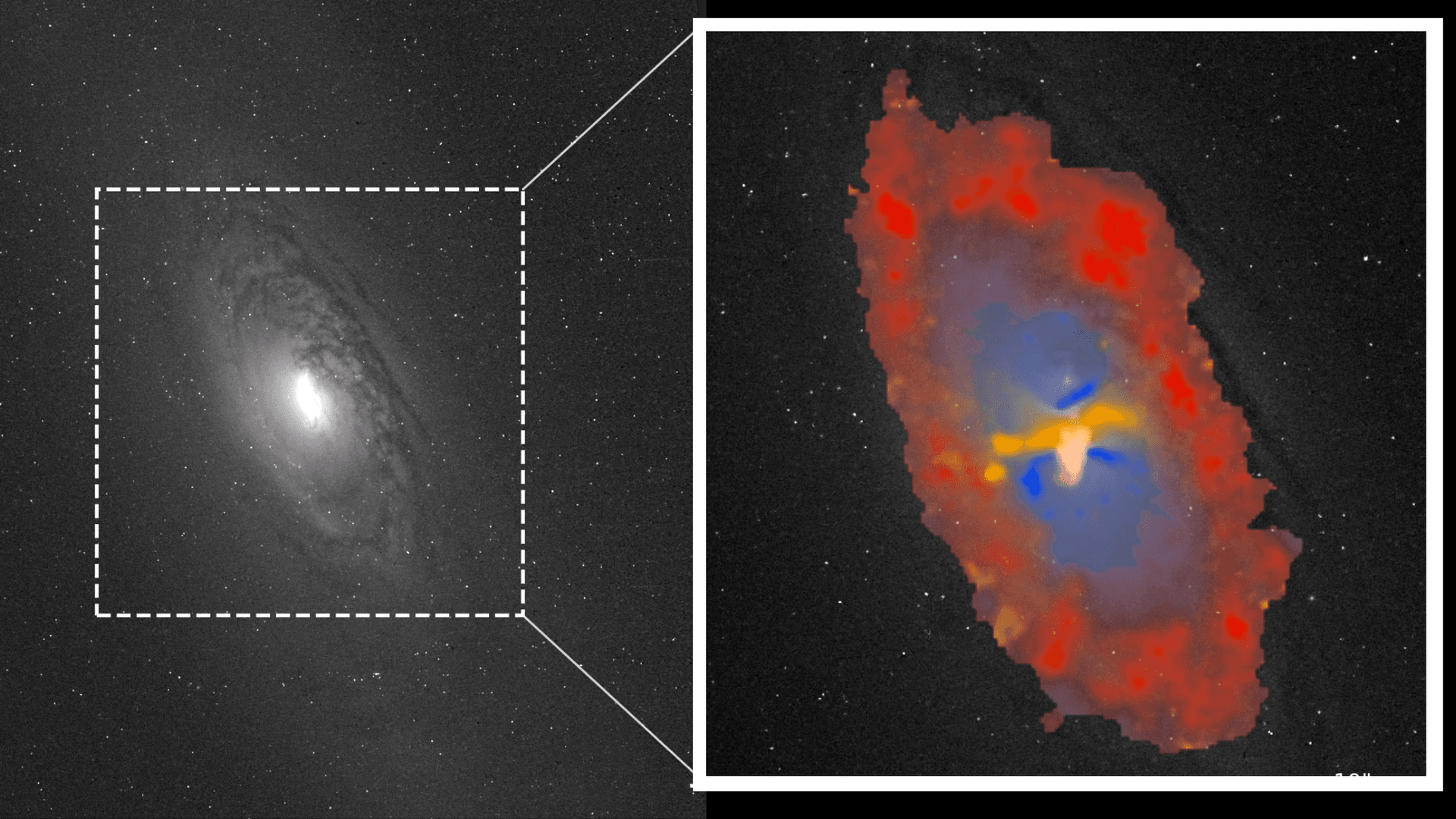 Space.com
Galaxies housing the James Webb Space Telescope's mysterious 'Little Red Dots' might've revealed their secrets
• Astronomers have studied the host galaxies of mysterious "Little Red Dot" objects spotted by the James Webb Space Telescope to solve their mystery. • The objects are unusual, with one astronomer stating "We hadn't seen anything like this in the local universe", indicating their peculiar nature.
Read original · space.com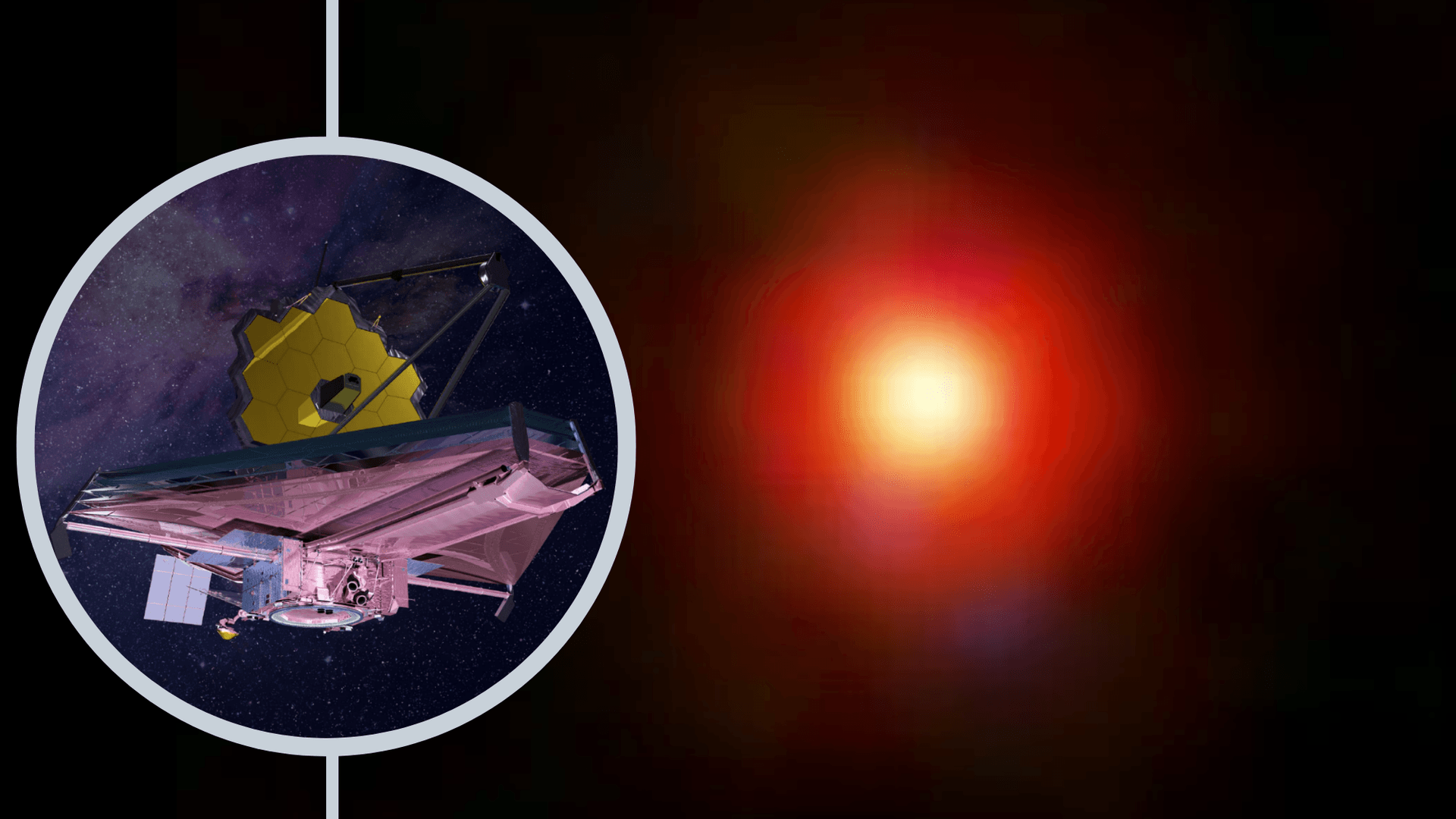 Space.com
Twisted Materials Unlock New Quantum States, Hinting At Superconductors
• Researchers at Curtin University discovered that twisted materials can unlock exotic quantum states by creating moiré superlattices with altered electronic properties through slight rotations. • The creation of these moiré superlattices allows for the manipulation of electronic properties, which could potentially lead to the development of new superconductors.
Read original · quantumzeitgeist.com Quantum Zeitgeist
Meet Jiaen Jiang, the 16-year-old Texas student who built an electrostatic “magnet” to capture hazardous Moon dust and won $25,000
• Jiaen Jiang, a 16-year-old student from Rosenberg, Texas, won a $25,000 Davidson Fellows Scholarship for creating a device to capture hazardous Moon dust. • The Moondust Magnet uses a bipolar interdigitated electrode array to create electric fields that attract both charged and neutral particles of lunar regolith, or Moon soil.
Read original · timesofindia.indiatimes.com'We are on our way to groundbreaking science': Stars turn neon-green in first test image from NASA's Roman telescope — Space photo of the week
• NASA activated the Nancy Grace Roman Space Telescope's 300-megapixel camera for the first time this week to capture a debut test image. • The first image features stars appearing neon-green as part of the initial technical verification of the telescope's powerful imaging system.
Read original · livescience.com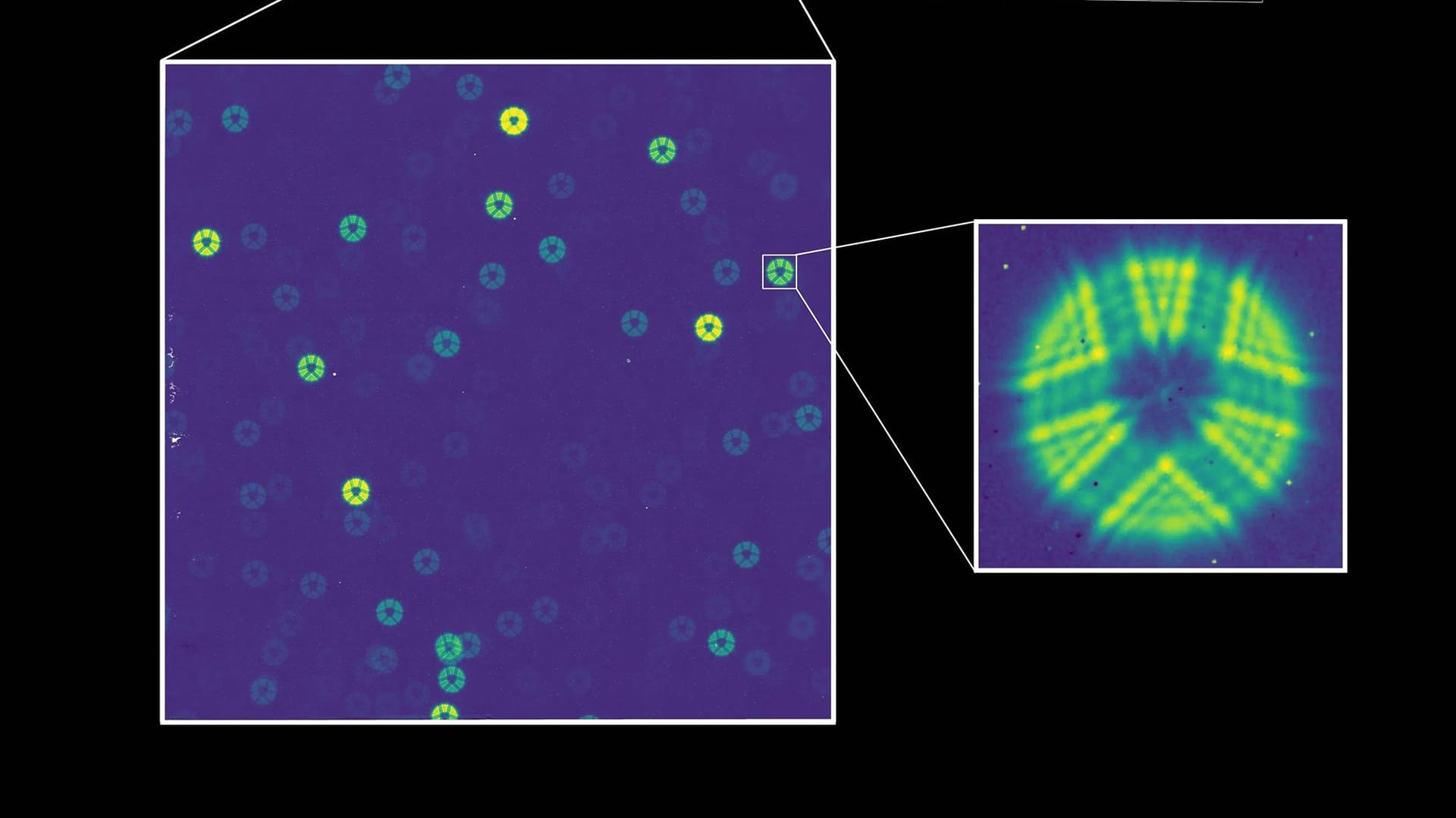 Live Science
Who Decides What Science Gets Done? - by Kishore Hari
• The peer review system in the U.S science grant process is being dismantled, which has taken eighty years to build and establish. • The people leaving the system now have taken decades to train, resulting in significant losses of expertise and potential discoveries.
Read original · bayareascience.substack.com