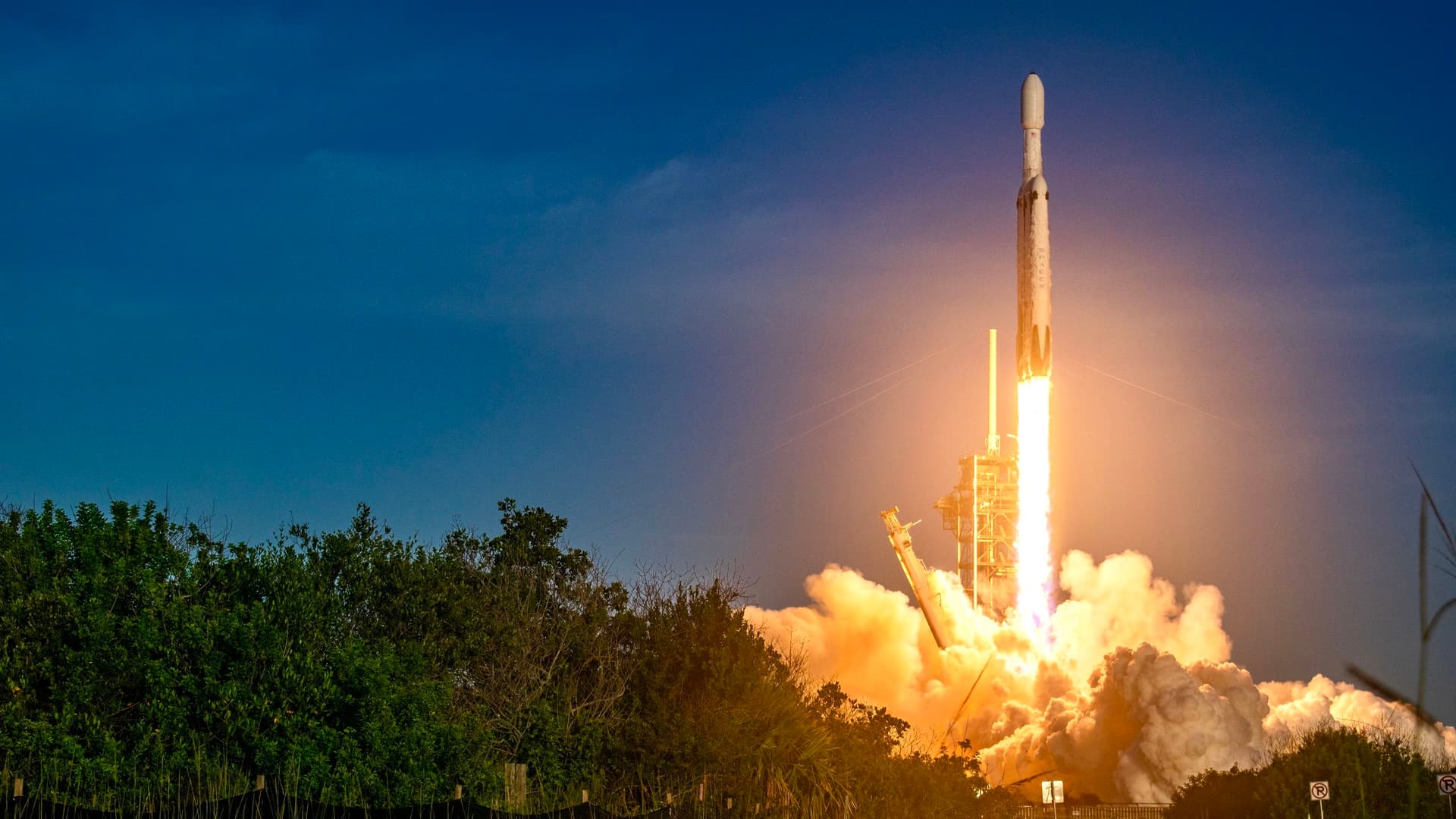
'No one thought it was going to be possible.' A space telescope is falling out of space. This is NASA's daring plan to save it.
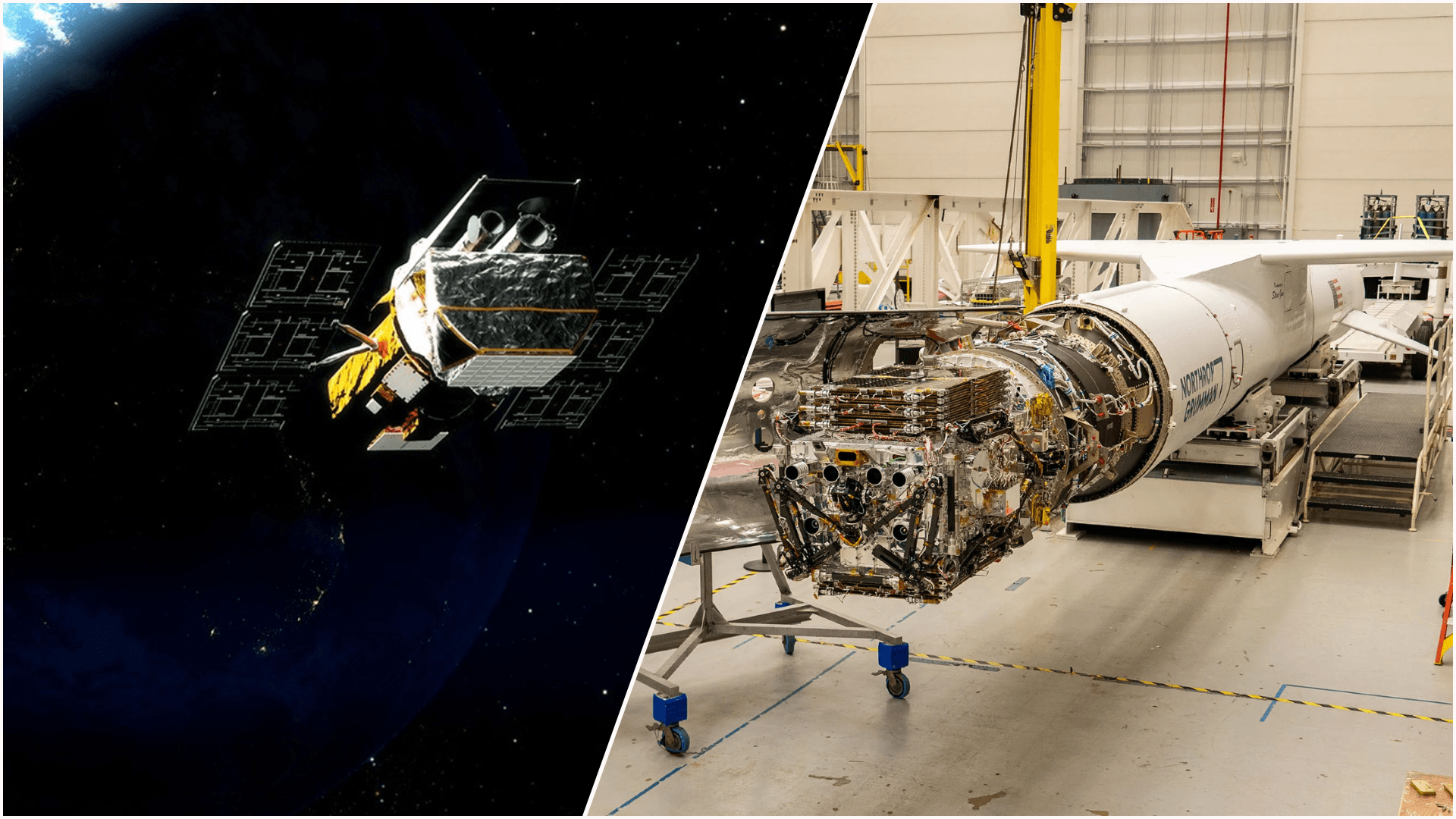
- NASA's Swift space observatory is currently falling out of orbit, threatening the loss of a critical astronomical tool.
- In a rapid response, a commercial company has spent nine months designing and building a specialized spacecraft intended to intercept and save the observatory.
- This mission is considered highly daring and "impossible" by many, as it represents a rare attempt to rescue a failing satellite using a commercially developed craft.
- The upcoming mission will determine if this fast-tracked rescue strategy can successfully stabilize Swift and extend its operational lifespan.
Sources & Citations
1 sourceMore Stories
Roman Space Telescope launch updates: NASA, SpaceX celebrate & Trump calls in live during post-launch press conference
• NASA and SpaceX are preparing to launch the Nancy Grace Roman Space Telescope aboard a Falcon Heavy rocket. • The launch is currently scheduled to take place on August 30 at 7:26 a.m. ET.
Read original · space.com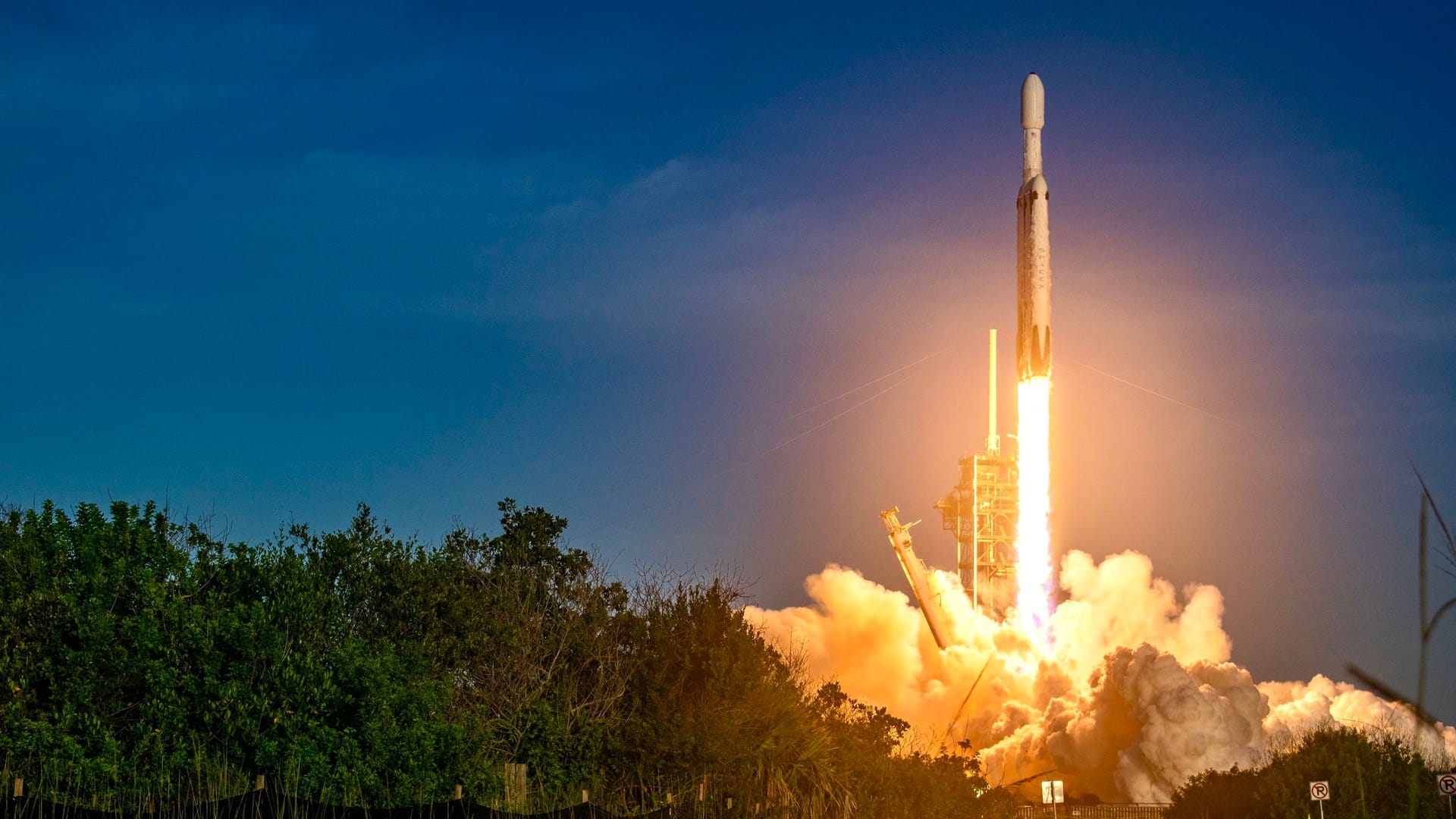 Space.com
'A glorious dawn launch': NASA's newest space telescope has left the Earth : NPR
• NASA has successfully launched its newest space telescope, a tour-bus-sized instrument designed to unravel cosmic mysteries. • The mission aims to identify more than 100,000 exoplanets beyond our solar system to expand our understanding of the universe.
Read original · npr.orgNASA Concludes Roman Space Telescope Launch Coverage
• NASA has concluded its live coverage following the successful launch of the Nancy Grace Roman Space Telescope via a SpaceX Falcon Heavy rocket. • The telescope successfully separated from the rocket's second stage, marking the start of its journey into space.
Read original · science.nasa.gov NASA Science
NASA’s Roman Space Telescope: Launch Updates
• NASA and SpaceX are targeting a liftoff for the Nancy Grace Roman Space Telescope at 7:26 a.m. EDT this Sunday. • The telescope will launch from Launch Complex 39A at the Kennedy Space Center in Florida aboard a SpaceX Falcon Heavy rocket.
Read original · science.nasa.govScience Snapshots: August 30, 2026 - The Hindu
• The August 30, 2026, edition of "Science Snapshots" highlights critical research regarding Betelgeuse's companion star, solar panel biodiversity impacts, and pediatric heat exposure. • New findings reveal a significant disparity in heat exposure, as most children live in tropical, low-latitude regions where temperatures are rising most intensely.
Read original · thehindu.comOn this day in space! Aug. 28, 1993: Galileo spacecraft flies by asteroid Ida on the way to Jupiter only to find a tiny moon!
• On August 28, 1993, NASA's Galileo spacecraft performed a flyby of the asteroid Ida while en route to Jupiter. • During the encounter, the spacecraft discovered Dactyl, a tiny moon orbiting the larger asteroid Ida.
Read original · space.com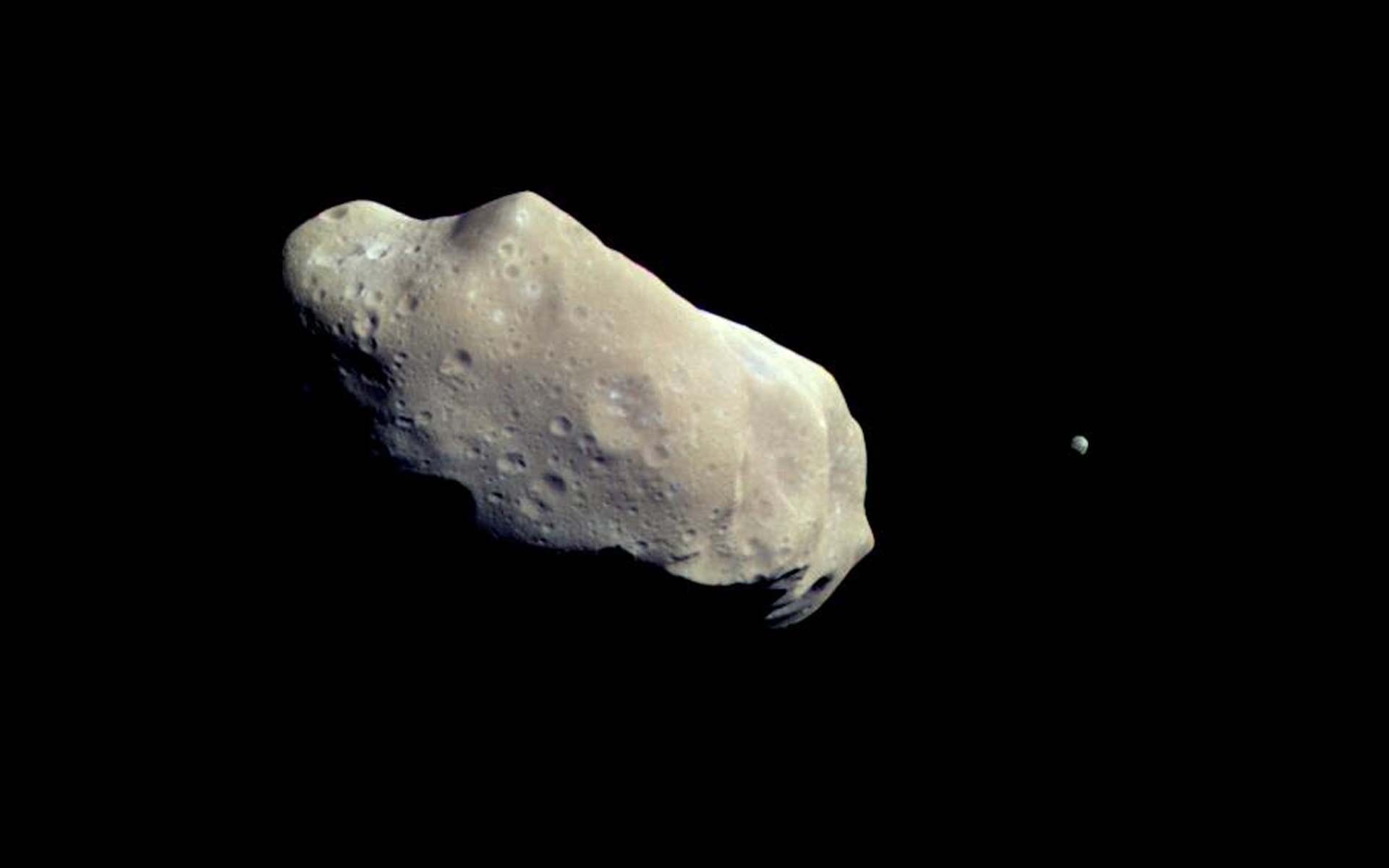 Space.com
Nasa space telescope set to launch after surviving Trump budget cuts | Nasa
• NASA is scheduled to launch the Roman space telescope this Sunday morning from Florida to search for exoplanets and study planet formation. • The mission survived previous budget cuts under the Trump administration and is designed to complement the work of the Hubble (1990) and Webb (2021) telescopes.
Read original · theguardian.com9 Things to Know About NASA’s Nancy Grace Roman Space Telescope - NASA Science
• NASA is scheduled to launch the Nancy Grace Roman Space Telescope at 7:26 a.m. EDT on Sunday, Aug. 30. • The flagship mission utilizes a large field of view combined with high-resolution infrared vision to scan expansive areas of the deep sky.
Read original · science.nasa.gov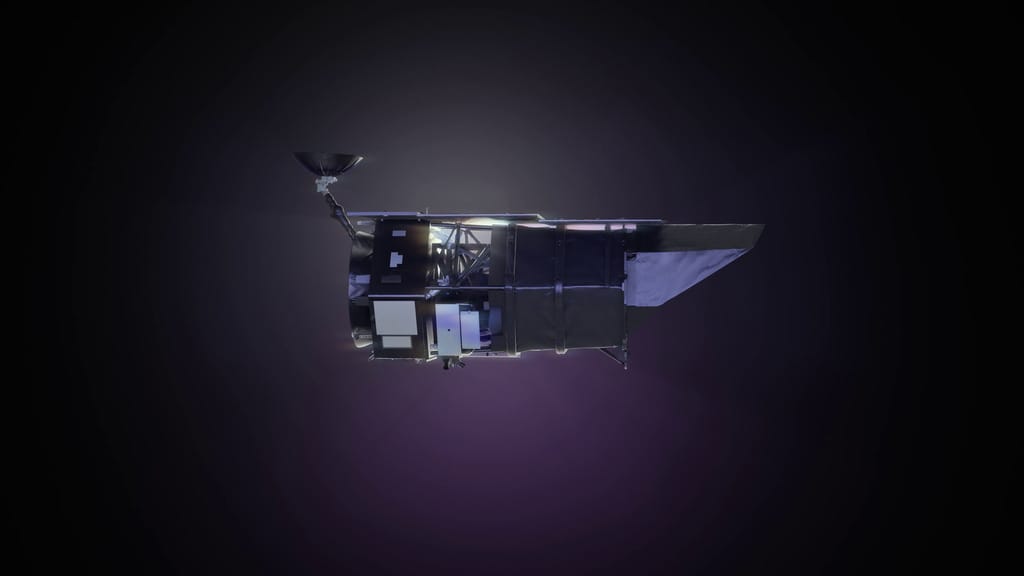 NASA Science
Meet “the Ultimate Climate Solution”
• A collaborative reporting effort by The Guardian, Agence France-Presse, and other CCNow partners has highlighted a global consensus on environmental policy. • Peer-reviewed studies and opinion surveys reveal that a supermajority of 80% to 89% of the world's population wants their governments to take more aggressive action against climate change.
Read original · newrepublic.com The New Republic
Top 10 Roman Space Telescope science breakthroughs
• NASA is preparing to launch the Roman Space Telescope, which is designed to provide a vast new window into the cosmos. • The telescope is expected to deliver a "data deluge," enabling scientists to achieve at least 10 major breakthroughs in astronomical understanding.
Read original · scientificamerican.com Scientific American
August 28, 2026 - Science Friday
• The August 28, 2026, episode of Science Friday explores the integration of AI in healthcare, specifically its role in transcribing patient visits, answering physician queries, and analyzing medical scans. • The program examines the balance between the efficiency benefits of medical AI and the potential risks associated with its implementation in clinical settings.
Read original · sciencefriday.com Science Friday
Nature News -- ScienceDaily
• Scientists investigating the origins of life have discovered evidence suggesting that the first free-living cells may have emerged on two separate occasions. • This research challenges previous assumptions about a single common ancestor, implying that life may share a more complex evolutionary history.
Read original · sciencedaily.com