Reuters Science News Summary

- Scientists conducting an experiment approximately one mile (1.6 km) underground in South Dakota have observed potential hints of dark matter.
- While the findings represent a possible breakthrough in identifying the elusive cosmic component, researchers stopped short of claiming a definitive detection.
- This discovery is significant as dark matter remains one of the greatest mysteries in physics, making up a vast portion of the universe's mass but remaining invisible to traditional observation.
- Further analysis and verification will be required to determine if these signals are genuine evidence of dark matter or experimental noise.
Sources & Citations
1 sourceMore Stories
Where is the Roman Telescope in space?
• The Nancy Grace Roman Telescope is currently traveling toward a Lagrange point, a strategic location in space where gravitational forces are balanced. • This specific positioning is critical for the telescope's stability and operational efficiency while observing the cosmos.
Read original · scientificamerican.com Scientific American
SSERVI CAN-5: Final Text Released - NASA Science
• NASA's Science Mission Directorate (SMD) and Human Spaceflight Mission Directorate (HSMD) have released the final text for the fifth Solar System Exploration Research Virtual Institute (SSERVI) Cooperative Agreement Notice. • The notice, officially designated as NNH26ZDA016C, outlines the framework for the CAN-5 agreement.
Read original · science.nasa.govNASA's Roman Space Telescope Flying on Its Own
• NASA's Nancy Grace Roman Space Telescope has successfully separated from the second stage of a SpaceX Falcon Heavy rocket. • This flagship mission is designed to conduct vast, deep surveys of the cosmos, focusing on dark matter, dark energy, and exoplanets.
Read original · science.nasa.gov NASA Science
Blue Origin wins $700 million contract to build NASA's next Mars orbiter
• NASA has awarded a $700 million contract to Jeff Bezos' spaceflight company, Blue Origin, to develop its next Mars telecommunications orbiter. • The project requires Blue Origin to design and deliver the orbiter to NASA by the deadline of December 31, 2028.
Read original · space.com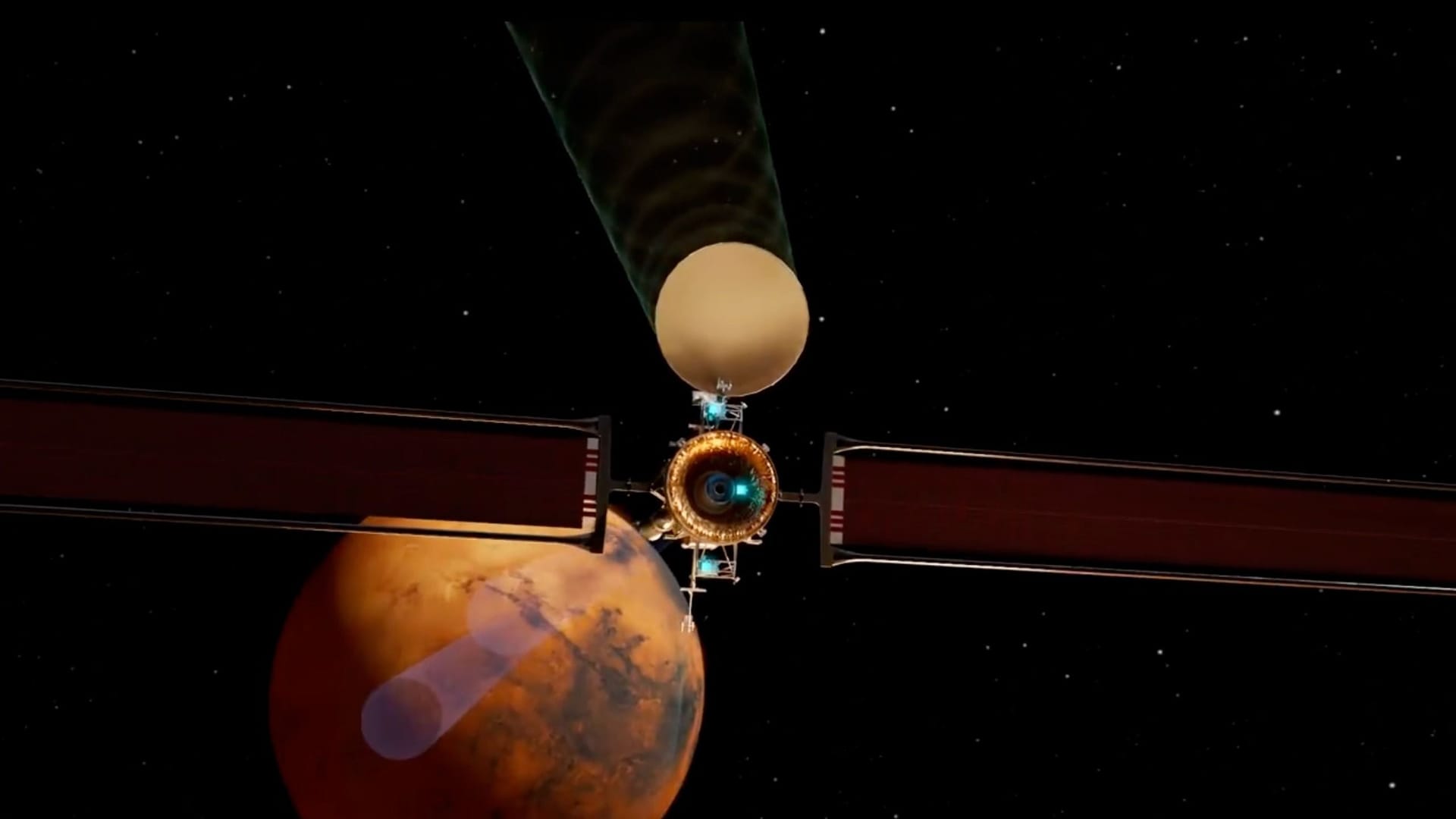 Space.com
Dark Matter News -- ScienceDaily
• Recent theoretical research is exploring whether dark matter particles are produced within jets of standard model particles, utilizing a new detector signature called "semi-visible jets." • A June 16, 2023, breakthrough suggests a new link between the nature of invisible dark matter and the "cosmic web," the large-scale structure of the universe.
Read original · sciencedaily.comMany space missions are searching for life beyond Earth – but are we prepared for the fallout if they succeed? - 02-Sep-2026 - NZ National news
• Experts are evaluating global preparedness for the potential discovery of extraterrestrial life as numerous space missions actively search for biological signatures. • The analysis emphasizes using historical lessons regarding international collaboration and competition in space to create a framework for managing such a discovery.
Read original · home.nzcity.co.nzTrending Science News and Discoveries
• Researchers have identified 36 risk genes through rare-variant sequencing, uncovering shared biological pathways associated with specific health conditions. • While the study provides critical insights into the genetic architecture of these diseases, the findings do not currently translate into a clinical diagnostic test.
Read original · sciquest.orgClimateChange
• 196 countries adopted the Paris Agreement on December 12, 2015, during the COP21 summit in Paris to combat the global emergency of climate change. • The agreement emphasizes the need for international cooperation and coordinated solutions across all levels of government to address environmental degradation.
Read original · un.org United Nations
NASA’s Nancy Grace Roman Telescope launches to space
• NASA has launched the Nancy Grace Roman Telescope into space to conduct advanced astronomical research. • The mission focuses on probing the mysteries of dark matter and dark energy, discovering new exoplanets, and studying stars.
Read original · scientificamerican.com Scientific American
NASA's doomed Swift space telescope restarts science work after rescue mission fails
• NASA's Swift space telescope has resumed its science observations after a private rescue mission failed to boost its decaying orbit. • The nearly 22-year-old observatory is now focusing on maximizing its remaining operational time to study the cosmos.
Read original · space.com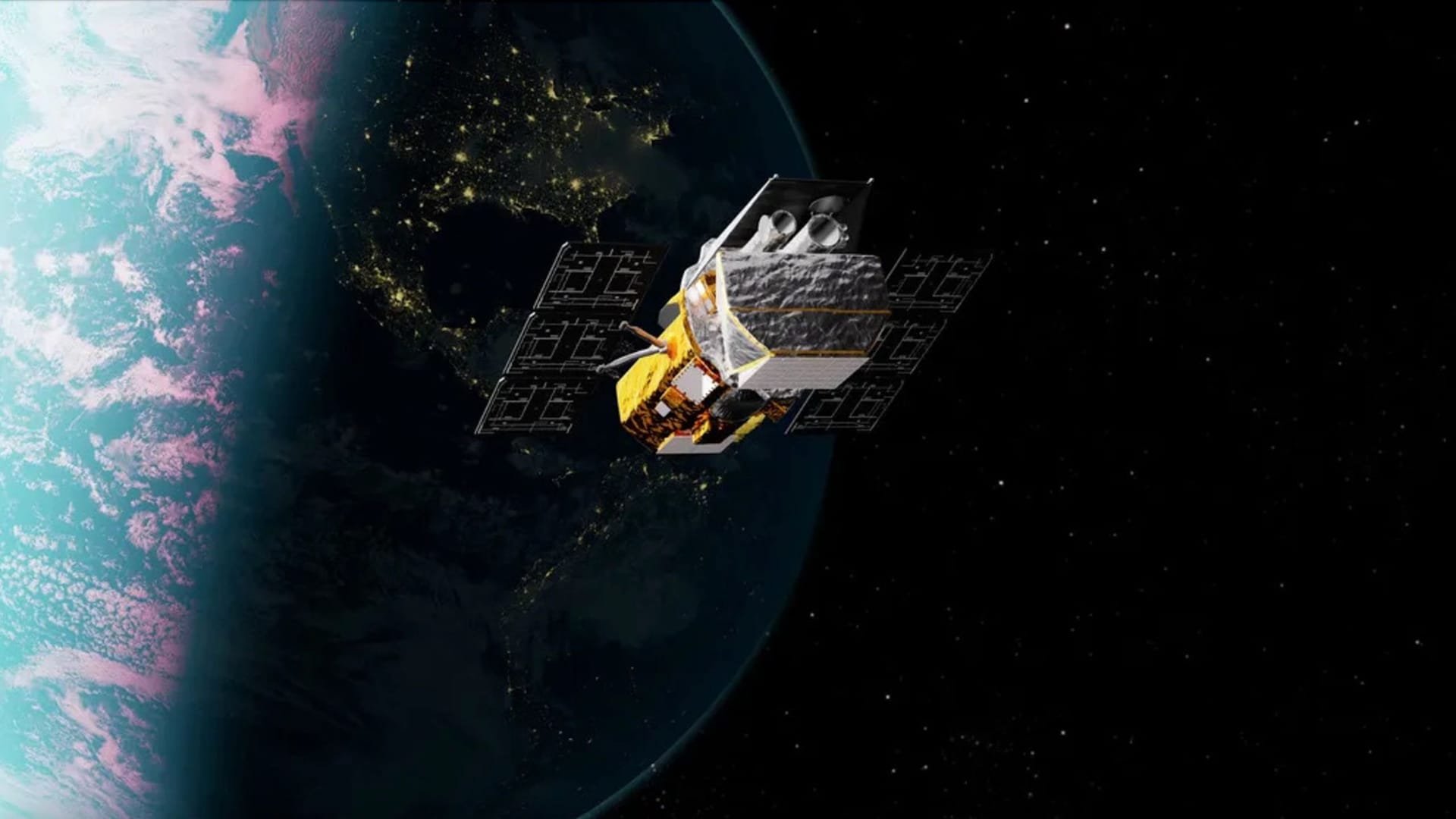 Space.com
Research roundup: 7 cool science stories we almost missed - Ars Technica
• Researchers have developed a new heat-driven, elastocaloric cooling system that leverages waste heat and solar energy. • This breakthrough builds upon alternatives to traditional cooling methods proposed by notable figures such as Albert Einstein and Leo Szilard.
Read original · arstechnica.com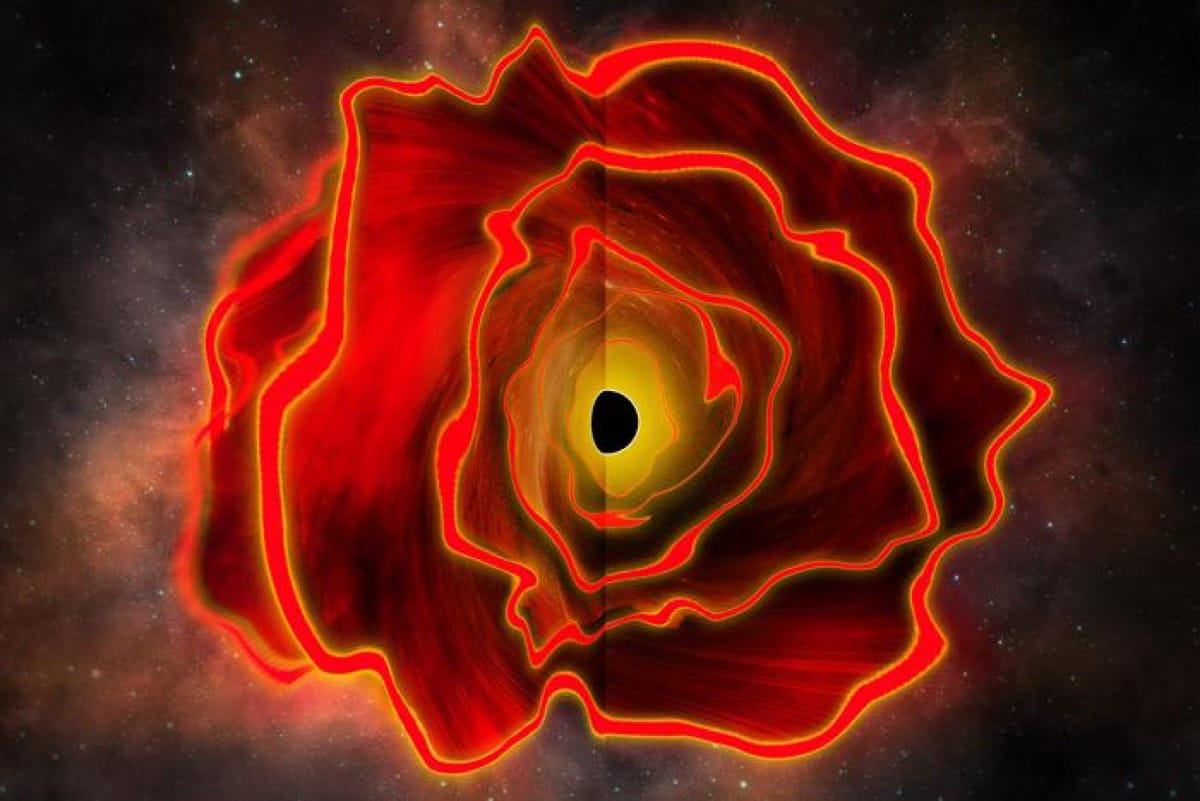 Ars Technica