S&P 500 Down Over 7% Year-to-Date as Q1 2026 Nears End

- The S&P 500 has declined more than 7% year-to-date as the first quarter of 2026 approaches its close with two trading days remaining.
- Market challenges have intensified due to economic uncertainty and global events impacting investor sentiment.
- This downturn underscores broader concerns over growth prospects and potential shifts in Federal Reserve policy.
- Analysts anticipate continued volatility through quarter-end reporting.
Sources & Citations
1 sourceMore Stories
Why is US Stock Market Up Today? Dow Jones, Nasdaq & S&P 500 Edge Higher as Nvidia, Netflix & AMD Surge While Nike, Amazon, Microsoft & Adobe Crash Amid US-Iran Tensions
• US stock markets showed mixed results, with the Dow Jones edging higher while the Nasdaq slipped amid fluctuating investor sentiment. • Market volatility was driven by a surge in AI-related stocks like Nvidia and AMD, contrasted by crashes in major firms including Amazon, Microsoft, and Adobe.
Read original · sundayguardianlive.com The Sunday Guardian
Before the Bell: What every Canadian investor needs to know today - The Globe and Mail
• Global markets are showing mixed results as investors exercise caution ahead of upcoming earnings reports from major U.S. technology companies. • Wall Street futures have dipped into the red, offsetting strong gains seen across major North American markets during the previous trading session.
Read original · theglobeandmail.com The Globe and Mail
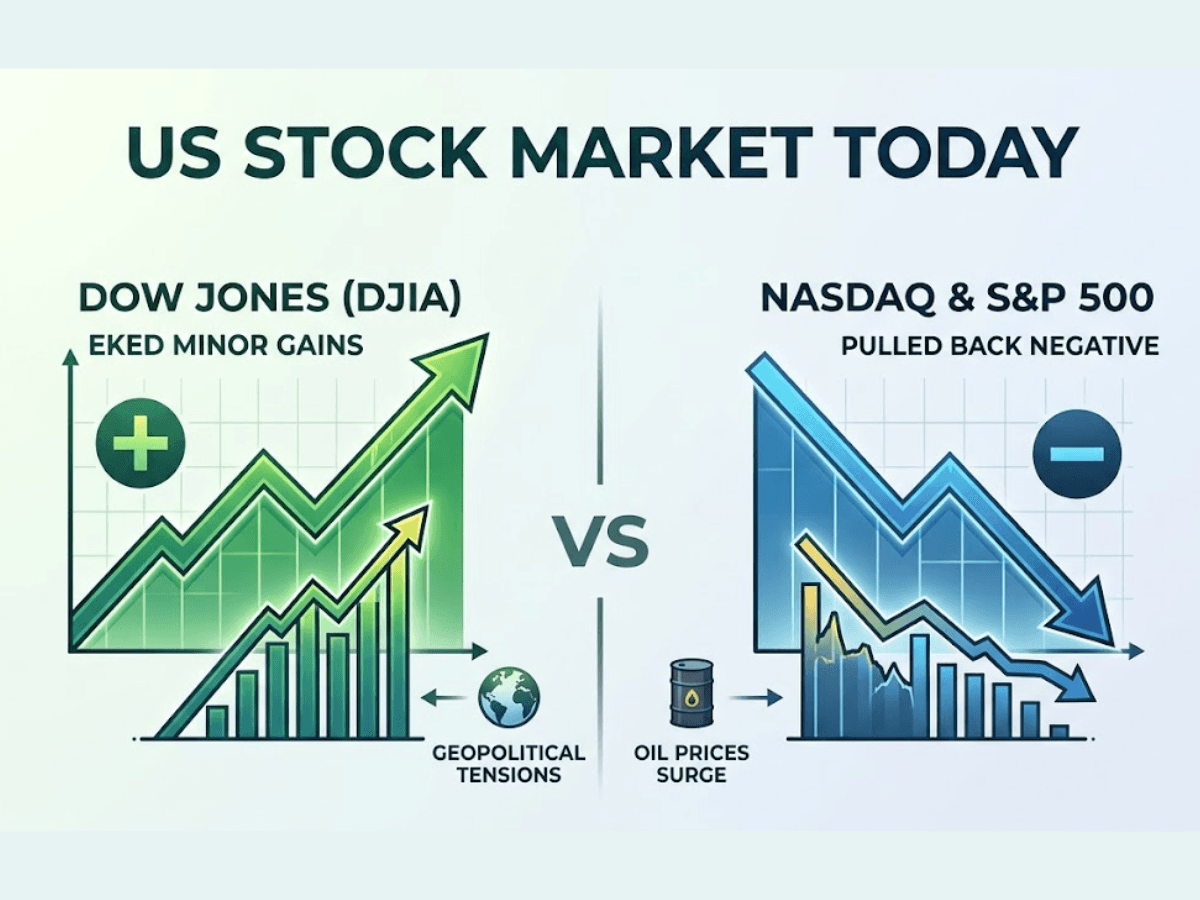
US Stock Market Today: Dow Jones Eked Minor Gains, NASDAQ & S&P 500 Pulled Back Negative Amid Geopolitical Tensions & Oil Prices Surge
• U.S. stock markets opened with mixed results on Wednesday, July 22, 2026, with the Dow Jones posting minor gains while the NASDAQ and S&P 500 declined. • The market downturn was driven by rising oil prices and escalating geopolitical tensions, which countered investor optimism.
Read original · sundayguardianlive.com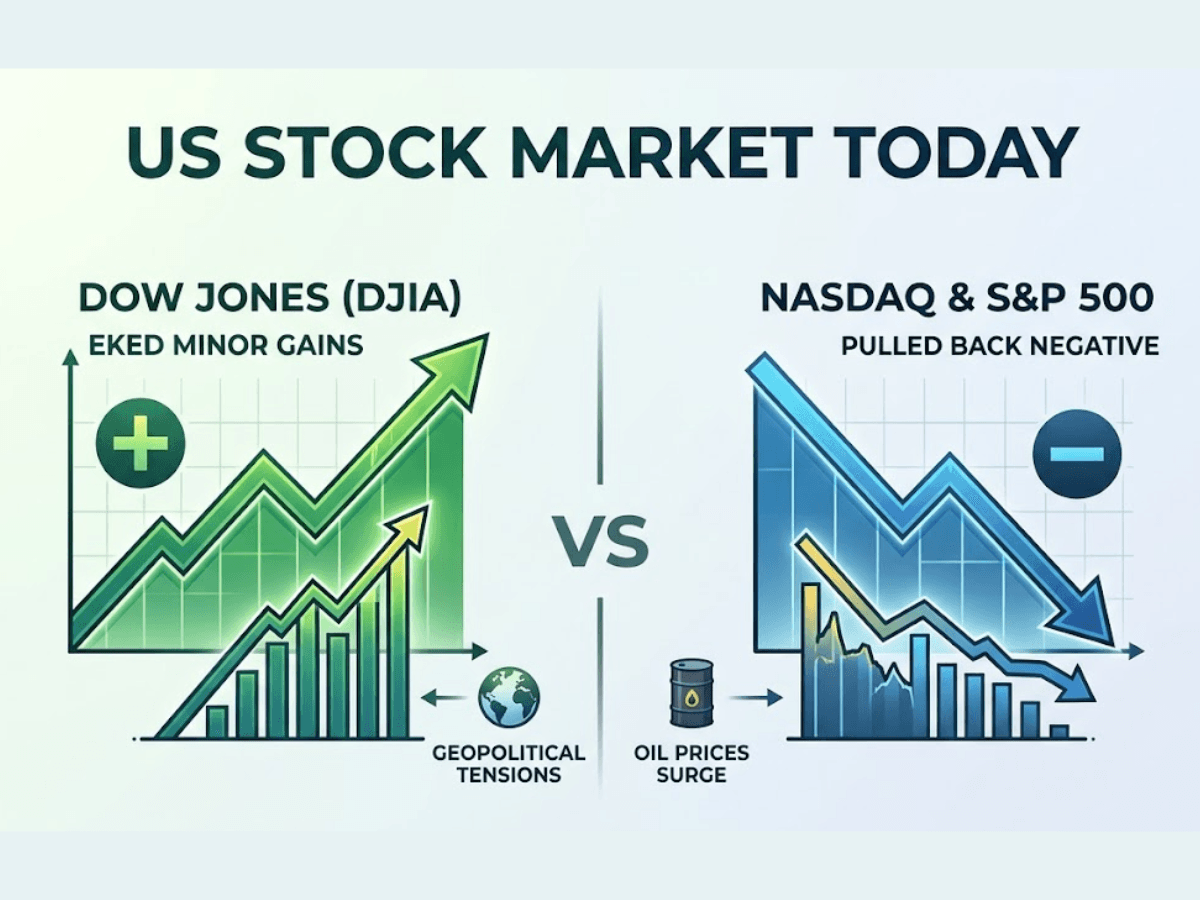 The Sunday Guardian
Stock Market Today: Live Updates 22.07.2026
• The iShares MSCI Hong Kong ETF (EWH) climbed above its critical 200-day moving average of $22.52 on Wednesday, July 22, 2026. • The ETF reached a session high of $22.55 and saw an overall gain of approximately 1%, closing most recently at $22.54.
Read original · ts2.tech TS2
TS2KOSPI Closes Up 0.74% at 6,797.70 - Seoul Economic Daily
• The KOSPI index closed at 6,797.70, marking an increase of 49.75 points or 0.74% in the most recent trading session. • This upward movement reflects positive momentum in the South Korean equity market, providing a snapshot of current investor sentiment.
Read original · en.sedaily.comJapan ready to take decisive action on forex if needed, finance minister says
• Japanese Finance Minister Satsuki Katayama announced on Wednesday that the government is prepared to take "decisive action" in the foreign-exchange markets if necessary. • While signaling readiness to intervene, Katayama declined to specify the exact currency levels or exchange rates that would trigger such a move.
Read original · thestandard.com.hk The Standard
Highlights: 40 Companies Q1 Results Today - Eternal logs ₹92 cr profit in Q1, Nestlé, Adani Power, Adani Green & SRF PAT rise, Dr Reddy's Lab profit tumbles, NTPC Green, HPCL, IndusInd Bank - The HinduBusinessLine
• Over 40 companies, including Nestle India, Adani Green Energy, and IndusInd Bank, are reporting their Q1 FY27 earnings on July 22, 2026. • Key financial highlights include Eternal logging a ₹92 crore profit, while Adani Power, Adani Green, and SRF saw increases in Profit After Tax (PAT).
Read original · thehindubusinessline.com The Hindu BusinessLine
China's Moonshot AI in talks on pre-IPO funds at US$50 billion value - The Business Times
• Chinese AI lab Moonshot AI plans to begin discussions in August for a final round of pre-IPO fundraising, targeting a valuation of up to US$50 billion. • The company is currently finalizing a separate financing round that began in summer 2024, which values the firm at approximately US$31.5 billion.
Read original · businesstimes.com.sgDow Jones| Nasdaq | S&P 500 | US Stock Market Today
• US stock markets closed with mixed results, as the Nasdaq declined due to weakness in software stocks despite gains in the semiconductor sector. • Investors maintained a cautious stance in anticipation of upcoming quarterly earnings reports from major companies, specifically Alphabet and Tesla Inc.
Read original · economictimes.indiatimes.comKOSPI Touches 7,000 Intraday on Foreign Buying, Closes Near 6,700 on Profit-Taking - Seoul Economic Daily
• The KOSPI index briefly touched the 7,000 mark during intraday trading on the 22nd, driven by strong foreign buying, before closing at 6,797.70. • Despite the intraday peak, the market ended the day up 49.75 points (0.74%) as retail and institutional investors engaged in profit-taking.
Read original · en.sedaily.comUS Stock Market: Goldman Sachs launches new private markets platform to expand offerings for wealthy clients - The Economic Times
• Goldman Sachs has launched a new private markets platform designed to expand investment offerings for its affluent client base. • The initiative responds to growing investor demand for exposure to high-growth startups and privately held companies.
Read original · economictimes.indiatimes.comStock Market Today (July 21, 2026): Nasdaq, S&P 500 climbs as earnings lift market, Middle East tensions loom - TheStreet
• The Nasdaq and S&P 500 rose on July 21, 2026, driven by strong corporate earnings reports that lifted overall market sentiment. • Key corporate drivers included General Motors beating second-quarter expectations and Nvidia disclosing a strategic stake in Nebius.
Read original · thestreet.com