Spring Break 2026 Travel Season Poses Measles Outbreak Risk Across U.S.

- State officials are warning that spring break 2026 travel season could facilitate the spread of measles across the United States as travelers move between regions with varying vaccination rates.
- Health authorities are concerned about potential measles transmission during the high-travel period, with implications for public health preparedness and disease surveillance.
- The warning underscores ongoing challenges in maintaining herd immunity and controlling vaccine-preventable diseases during major travel seasons.
Sources & Citations
1 sourceMore Stories
Cue Biopharma Reports Positive Phase 2 Topline Results for CUE-221 in Chronic Spontaneous Urticaria
• Cue Biopharma announced positive results from a Phase 2 clinical trial of its CUE-221 treatment for chronic spontaneous urticaria, a condition causing chronic hives. • The trial results demonstrated that the drug achieved significant efficacy and maintained a favorable safety profile for patients.
Read original · quiverquant.comWhat went right this week: the good news that matters - Positive News
• The World Health Organization recognized a historic achievement in the global effort to stop dog-transmitted rabies through vaccination and surveillance. • WHO Director General Tedros Adhanom Ghebreyesus credited the success to more than five decades of sustained investment in public health.
Read original · positive.news Positive News
Medical News
• Clinicians are raising alarms over the sale of direct-to-consumer emergency kits that contain prescription drugs and antibiotics. • These kits allow individuals to purchase potent medications without a doctor's oversight or a valid prescription.
Read original · archive.liMedicine News
• A survey of Alberta healthcare workers revealed that many staff members experienced coercion and moral injury resulting from COVID-19 vaccine mandates. • The findings highlight the psychological impact on medical professionals who felt forced to comply with mandates to maintain their employment.
Read original · archive.isGlobal health update: September 16, 2026
• The World Health Organization reported on September 10 that the Democratic Republic of the Congo is experiencing the fastest-growing Ebola outbreak on record. • Health officials have confirmed more than 6,700 cases and more than 3,200 deaths during this current surge.
Read original · bushcenter.org George W. Bush Presidential Center
Reuters Health News Summary
• Xenon Pharmaceuticals paused new patient enrollment in clinical trials for its experimental major and bipolar depression drug on Thursday. • The company halted the studies following reports of side effects related to the mental and nervous system.
Read original · bundle.appRFK Jr. Children's Health Defense, NIH grants: Morning Rounds
• Robert F. Kennedy Jr. is scheduled to speak at a conference hosted by the Children's Health Defense organization. • The event is part of a broader series of health news updates including research on protecting heart health in outer space.
Read original · statnews.com Statnews
The Drugs and Devices Have Been on the Market for Years. But FDA-Ordered Studies Still Aren’t Done. - KFF Health News
• The FDA has allowed companies to sell drugs and devices while completing safety and efficacy studies, but many of these postmarket requirements are now overdue or behind schedule. • FDA leaders announced in February that the default requirement for agency approvals will shift to one clinical trial instead of two.
Read original · kffhealthnews.org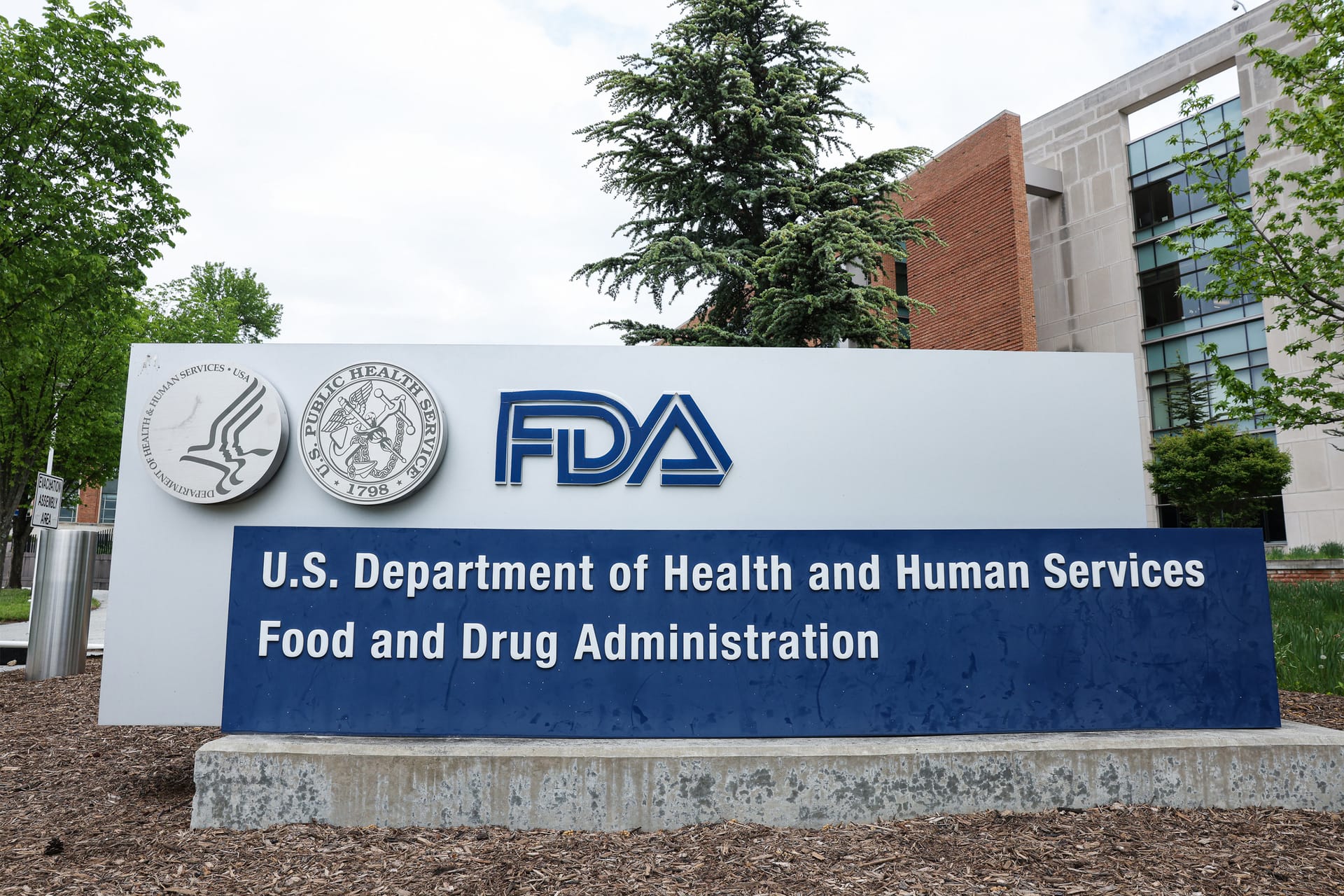 KFF Health News
Four measles deaths, a looming policy comment deadline, and how to read a study: The State of US Vaccine Policy
• The U.S. Food and Drug Administration approved this season's COVID vaccines nearly three weeks ago for general use. • Children with private insurance can currently access the shots, but those in the Vaccines for Children program must wait for Health and Human Services sign-off.
Read original · cidrap.umn.eduPhiladelphia health officials report a measles exposure at CHOP
• Philadelphia health officials reported a potential measles exposure at the Children's Hospital of Philadelphia on September 11. • The exposure occurred in the neonatal intensive care unit and other locations at the hospital's 3401 Civic Center Blvd facility.
Read original · inquirer.comFDA-ordered studies of many drugs, devices on the market are not done - The Washington Post
• The FDA has allowed many pharmaceutical companies to delay or ignore required safety and efficacy studies for drugs and devices already on the market. • Agency records show that these "postmarket" studies, intended to verify a product's performance after approval, are frequently behind schedule or overdue.
Read original · washingtonpost.comThe FDA requires follow-up studies for drugs and devices. Years later, many still aren’t done - Government Executive
• An analysis of FDA data revealed that hundreds of required postmarket studies for drugs and medical devices are running behind schedule. • The findings indicate that many manufacturers have failed to complete follow-up research mandated by the agency years after product approval.
Read original · govexec.com Government Executive