Supreme Court Schedules Arguments on Ending TPS for Haiti and Syria Migrants

- The U.S. Supreme Court agreed on Monday to hear arguments over the Trump administration's effort to terminate temporary protected status (TPS) for migrants from Haiti, Syria, and other nations fleeing war and disasters.
- Lower courts had blocked the end of protections allowing TPS holders to live and work legally in the U.S., prompting a Justice Department appeal.
- The justices declined to immediately lift the protections, delaying action until hearings in coming weeks, following their prior ruling exposing 600,000 Venezuelans to deportation.
- This conservative-majority court decision tests immigration enforcement amid ongoing legal battles over protected statuses.
Sources & Citations
1 sourceMore Stories
From Australia to Europe, countries move to curb children's social media access
• Several countries, including Australia and Denmark, are implementing stricter regulations to limit children's access to social media platforms. • Denmark announced in November 2025 that it will ban social media for children under 15, though parents may grant access to certain platforms for children as young as 13.
Read original · tbsnews.netDisastrous regional elections for German chancellor Merz
• Swedish money market participants raised their one-year inflation expectations to 1.97% in August from a previous 1.83%. • Two-year inflation expectations also increased during this period, rising from 2.02% to 2.07%.
Read original · fxstreet.comGermany’s Merz Vows to Stay After Another State Election ‘Disaster’ - The New York Times
• Friedrich Merz and his center-right Christian Democrats faced intense pressure Sunday after finishing behind far-right and far-left parties in eastern state elections. • The party fell below 5 percent of the vote, which is the minimum threshold required to win seats in the state parliament.
Read original · nytimes.comMerz vows to stay on as chancellor despite ‘disaster’ in another German regional vote
• Chancellor Merz vowed to remain in office after his conservative party suffered its worst result in postwar German history during a recent regional vote. • The far-right AfD party won its second regional election in two weeks, while Merz emphasized the need for federal government action on the cost of living.
Read original · politico.eu POLITICO
‘Disastrous’: Germany’s Merz faces mounting pressure after fresh CDU defeats - The Times of India
• German Chancellor Friedrich Merz and his Christian Democratic Union (CDU) party suffered electoral losses in two state elections on Sunday. • Exit polls from public broadcaster ARD showed the CDU securing only 5% in Mecklenburg-Western Pomerania, the party's lowest state result since World War II.
Read original · timesofindia.indiatimes.comGerman state elections: Chancellor Friedrich Merz vows to stay on despite 'disaster' in polls - BBC News
• Chancellor Friedrich Merz vowed to remain in his position following damaging exit poll losses for his centre-right CDU party in Berlin and Mecklenburg-Vorpommern. • The results are described as a disaster for the party in these specific state elections.
Read original · bbc.co.uk BBC
BBCGerman elections deal a blow to Chancellor Friedrich Merz
• The CDU party suffered a historic defeat in recent elections held in Berlin and Mecklenburg-Western Pomerania. • The AfD party saw massive gains during these votes, increasing political pressure on Chancellor Friedrich Merz.
Read original · amp.dw.com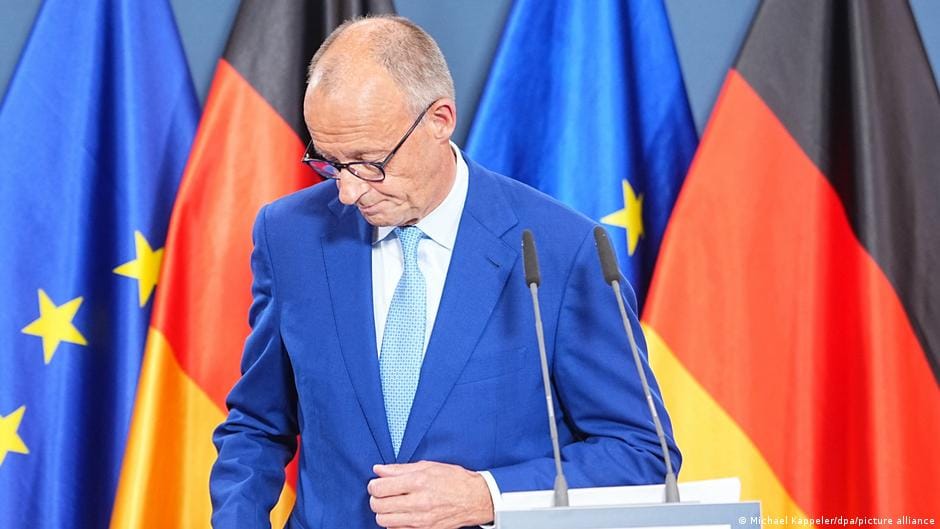 DW
DWFriedrich Merz vows to stay in office after CDU ‘disaster’ in German state elections | Germany
• Friedrich Merz vowed to remain the leader of the CDU after the party suffered losses in German state elections. • The far-right AfD won in Mecklenburg-Western Pomerania while the leftwing Die Linke is on course for victory in Berlin.
Read original · theguardian.comChancellor Merz schedules crisis meeting as German voters go to the polls in state elections amid EU fears of another AfD victory
• Chancellor Friedrich Merz scheduled a crisis meeting on Sunday as voters in two German states began casting ballots in state elections. • The meeting comes as the government faces the possibility of gains by far-right and far-left parties.
Read original · dailymail.com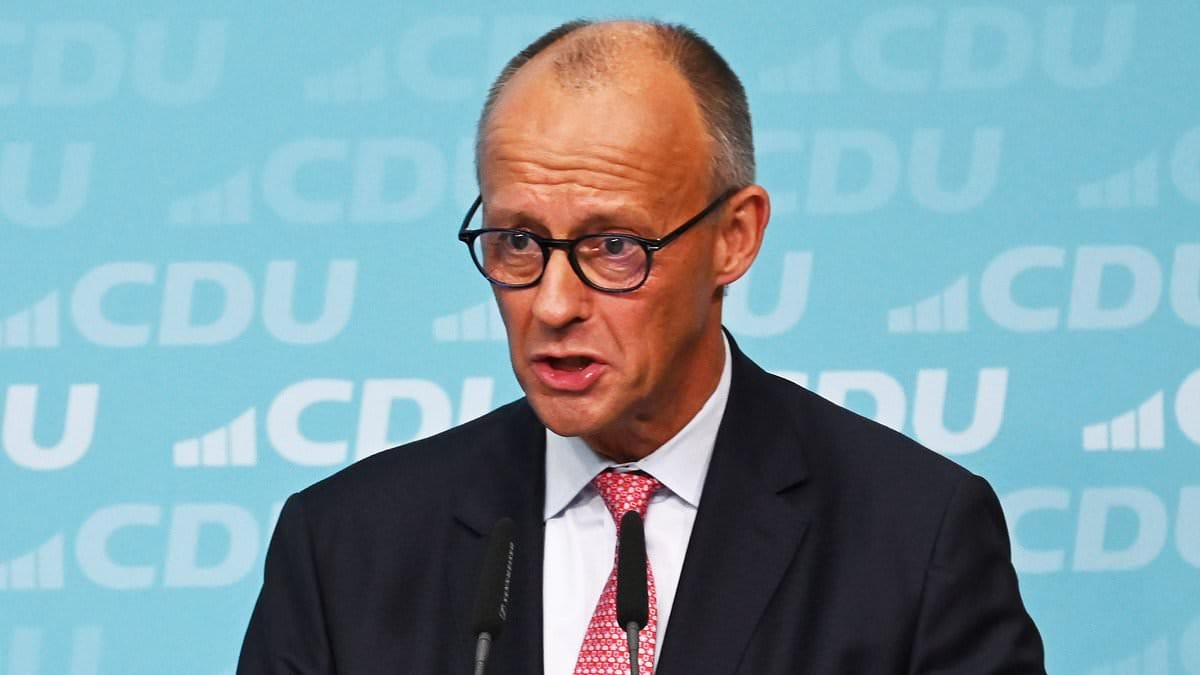 Daily Mail
Chancellor Friedrich Merz under pressure ahead of German state elections
• German voters began casting ballots in two regional elections that may impact Chancellor Friedrich Merz's hold on power. • Merz's authority was damaged following a defeat on 6 September by the AfD, a party associated with nationalism and assertions of racial superiority.
Read original · independent.co.ukGerman elections under way which could decide fate of Chancellor Merz
• Germany is holding elections this Sunday that could determine whether Chancellor Friedrich Merz remains in power. • Merz is facing intense political pressure after only 16 months in office due to his party's tumbling popularity.
Read original · bbc.com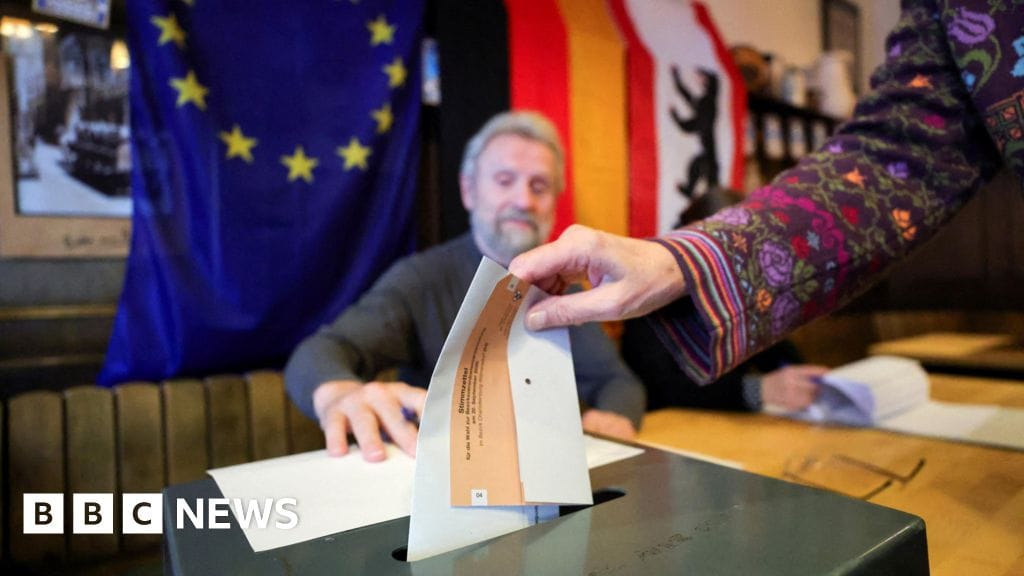 BBC
BBCIndian markets eye portfolio inflows as rupee holds range and bond yields face liquidity pressure
• Indian markets are currently balancing portfolio inflows against central bank actions as the rupee remains steady amid liquidity pressures this week. • State Street Investment Management economist Krishna Bhimavarapu suggests an October policy rate increase is possible if overnight rates stay below the repo rate.
Read original · tradersunion.com Traders Union