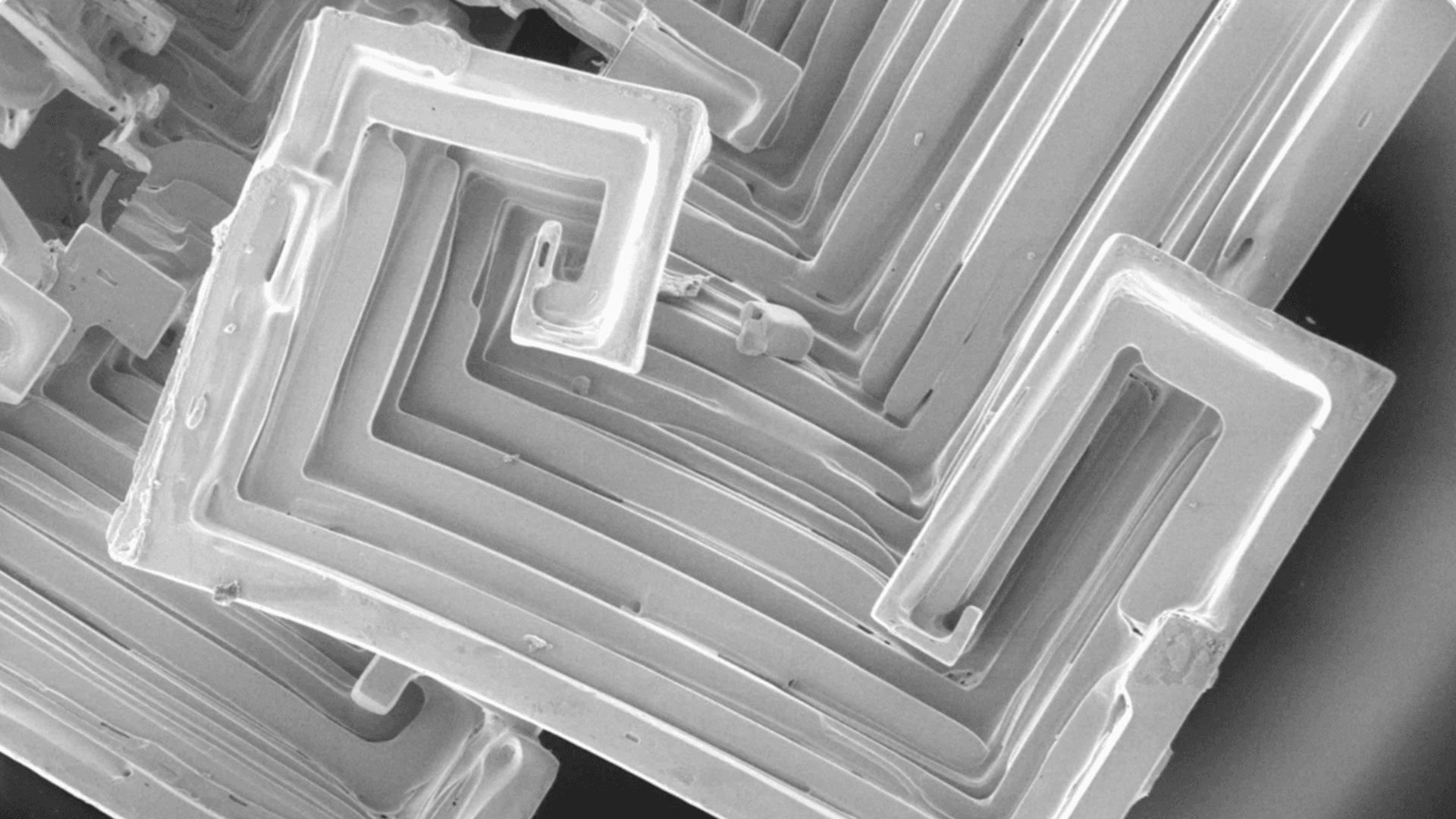
Thruster breakthrough? New 2-in-1 propulsion system is about to get an in-space test
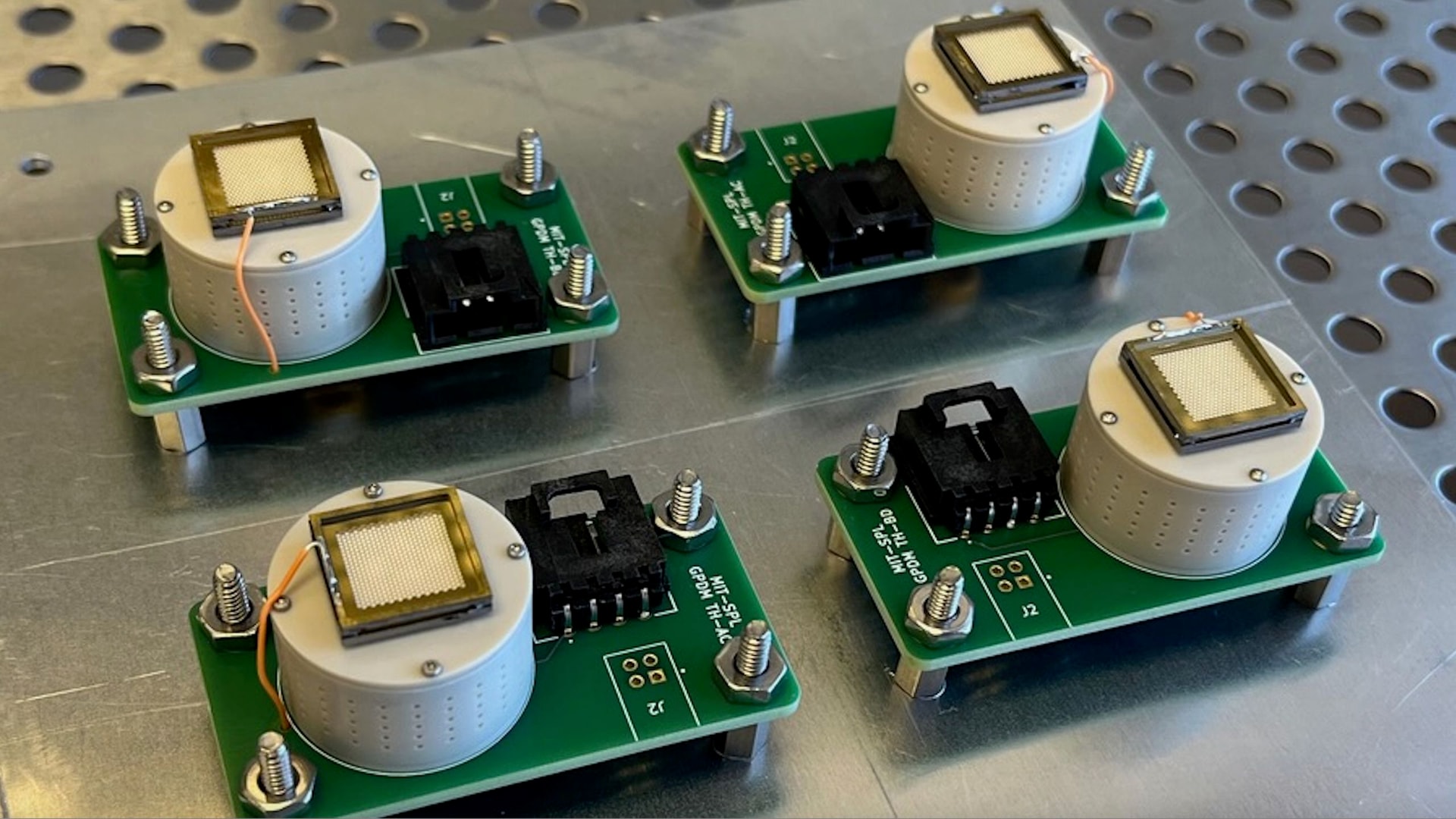
- Researchers have developed a new 2-in-1 propulsion system that feeds a single "monopropellant" fuel into both electrical and chemical thrusters.
- By combining two types of propulsion into one package, the system aims to significantly reduce overall spacecraft mass and mechanical complexity.
- This breakthrough is critical for long-duration deep space travel, such as future missions to Mars, where efficiency and weight savings are paramount.
- The technology is now moving toward an in-space test to verify its performance and viability in a real orbital environment.
Sources & Citations
1 sourceMore Stories
OSTP Director Releases Landmark Report and Recommendations for Renewing American Scientific Discovery – The White House
• OSTP Director Michael Kratsios released a landmark report and set of recommendations aimed at renewing and revitalizing the American scientific discovery enterprise. • The proposal advocates for shifting R&D support toward individual scientists rather than legacy institutions and diversifying funding mechanisms to move beyond slow consensus peer review.
Read original · whitehouse.govNASA's New Horizons spacecraft is awake and healthy after its one-year nap at the edge of the solar system
• NASA's New Horizons spacecraft has successfully awoken from a 321-day hibernation period. • The spacecraft is reported to be in "good health" as it resumes its mission at the edge of the solar system.
Read original · livescience.com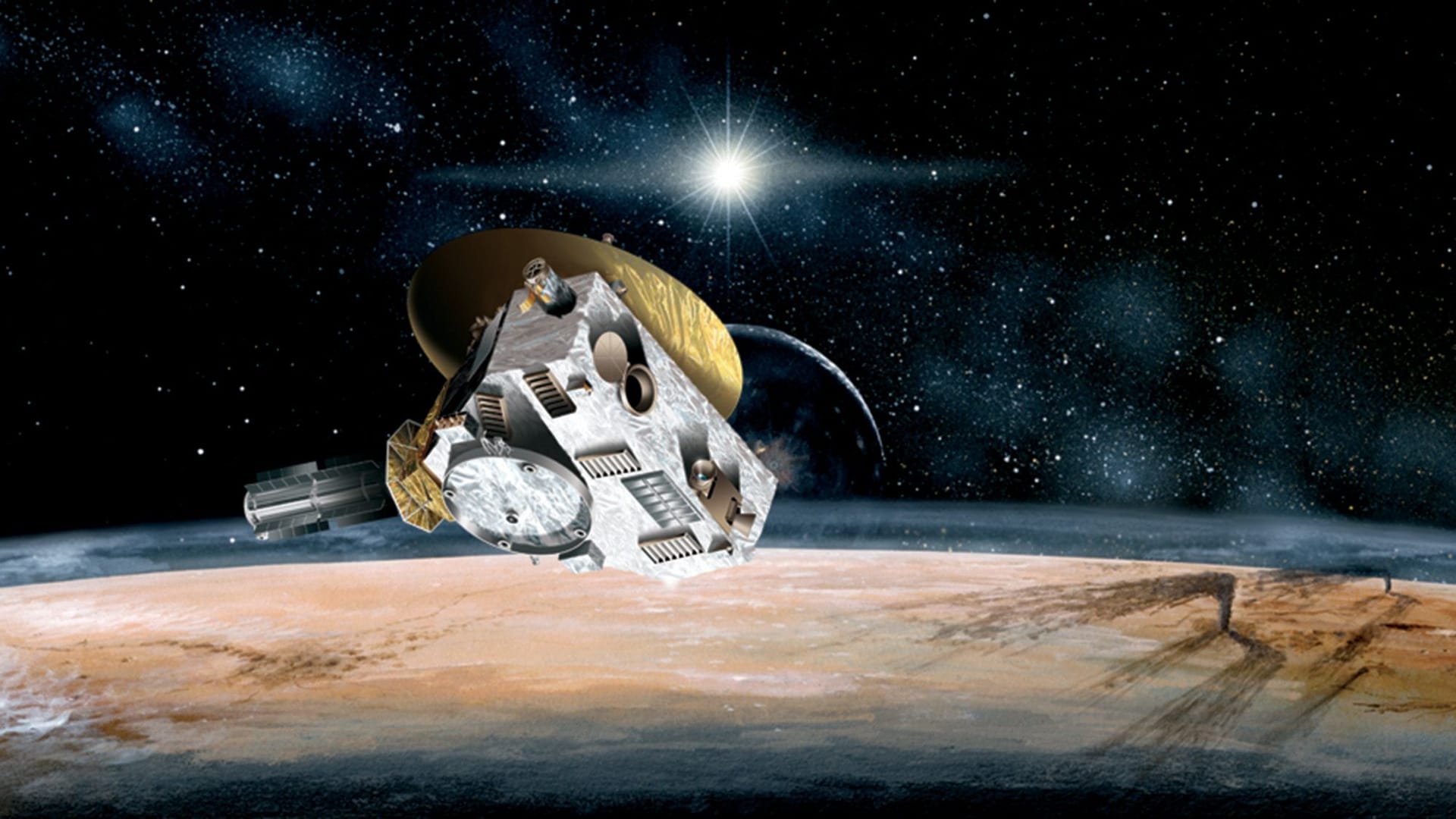 Live Science
[MUST WATCH] NASA’s Psyche Spacecraft Turned a Mars Flyby Into a Stunning Tour of the Red Planet
• NASA's Psyche spacecraft successfully completed a Mars flyby, utilizing the planet's gravity to gain momentum for its journey toward a metal-rich asteroid. • During the maneuver, the probe tested its onboard scientific instruments, capturing high-resolution imagery and data of the Red Planet.
Read original · zmescience.com![[MUST WATCH] NASA’s Psyche Spacecraft Turned a Mars Flyby Into a Stunning Tour of the Red Planet](/_next/image?url=https%3A%2F%2Fcdn.zmescience.com%2Fwp-content%2Fuploads%2F2026%2F07%2FE2_PIA26749_Psyche_Imager_Mars_Mosaic1_F247E.width-1320.jpg&w=1920&q=80) ZME Science
ZME ScienceNASA astronauts grew a strange, scrolling crystal in space that's impossible to make naturally on Earth
• NASA astronauts successfully grew a unique, scroll-like crystal aboard the International Space Station (ISS) using ordinary salts. • The experiment demonstrates how the absence of gravity allows crystals to form shapes that are physically impossible to replicate naturally on Earth.
Read original · livescience.com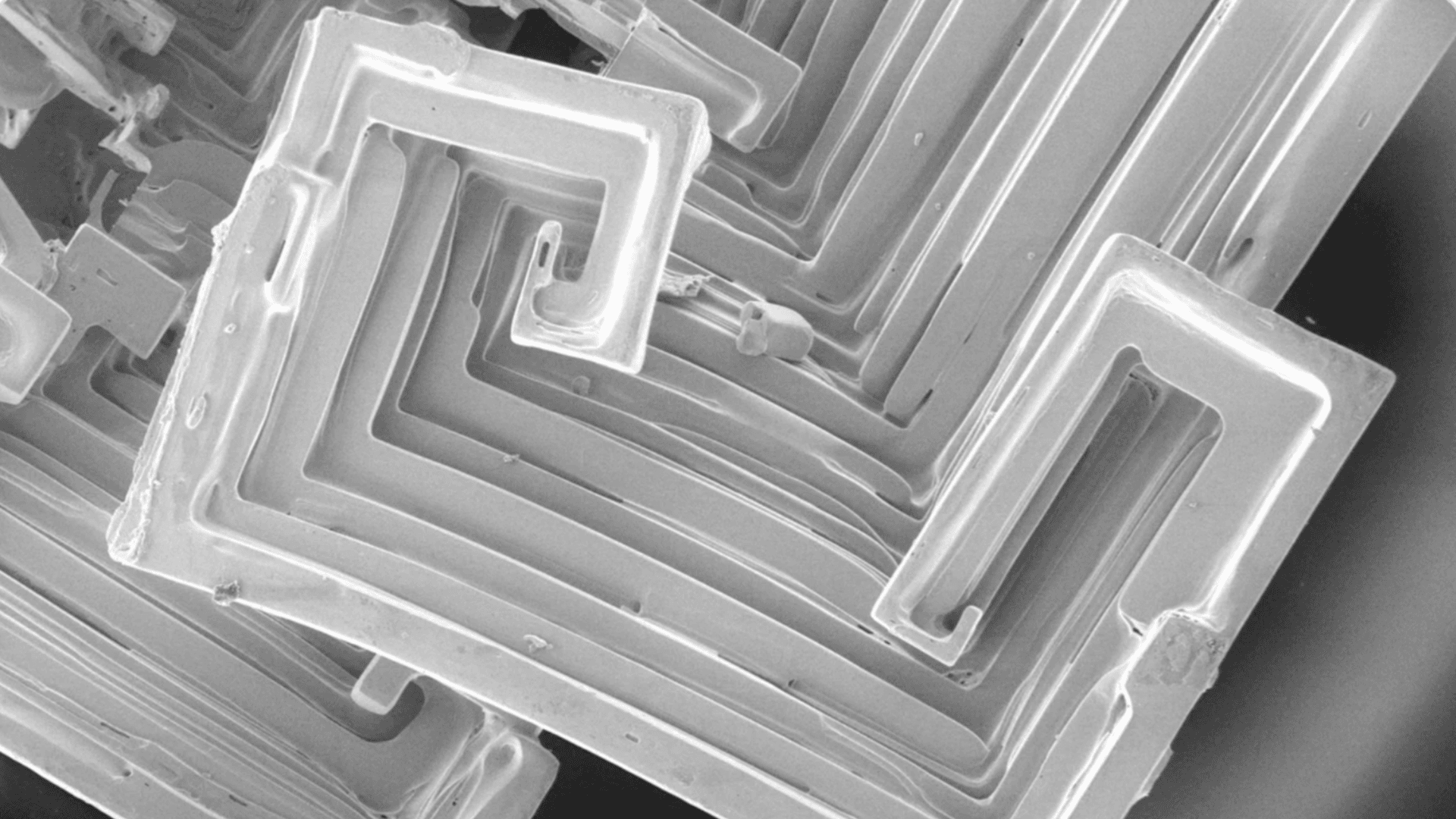 Live Science
Climate News -- ScienceDaily
• Researchers have developed a breakthrough hydrogen-production method announced on June 2, 2026, aimed at reducing the cost of clean fuel. • The new process focuses on making hydrogen generation significantly cheaper and more accessible than current industrial standards.
Read original · sciencedaily.comNew Horizons mission wakens to explore solar system fringes
• NASA's New Horizons spacecraft has successfully awakened from a period of hibernation to resume its mission. • The probe is now continuing its journey to explore the fringes of the solar system, targeting previously unmapped regions.
Read original · cnn.com CNN
CNNSpaceX launches Northrop mission to extend the life of aging satellites - SpaceNews
• SpaceX has launched a mission for Northrop Grumman designed to extend the operational lifespan of aging satellites. • The mission utilizes specialized spacecraft to rendezvous with and dock with existing satellites, providing additional propulsion and stability.
Read original · spacenews.com SpaceNews
New timelapse video shows NASA's Psyche spacecraft zooming by Mars
• NASA released a timelapse video showing the Psyche spacecraft's perspective as it zoomed past Mars in May 2026. • While the mission did not expect major new discoveries due to Mars' extensive history of study, the spacecraft provided a unique vantage point for data collection.
Read original · space.com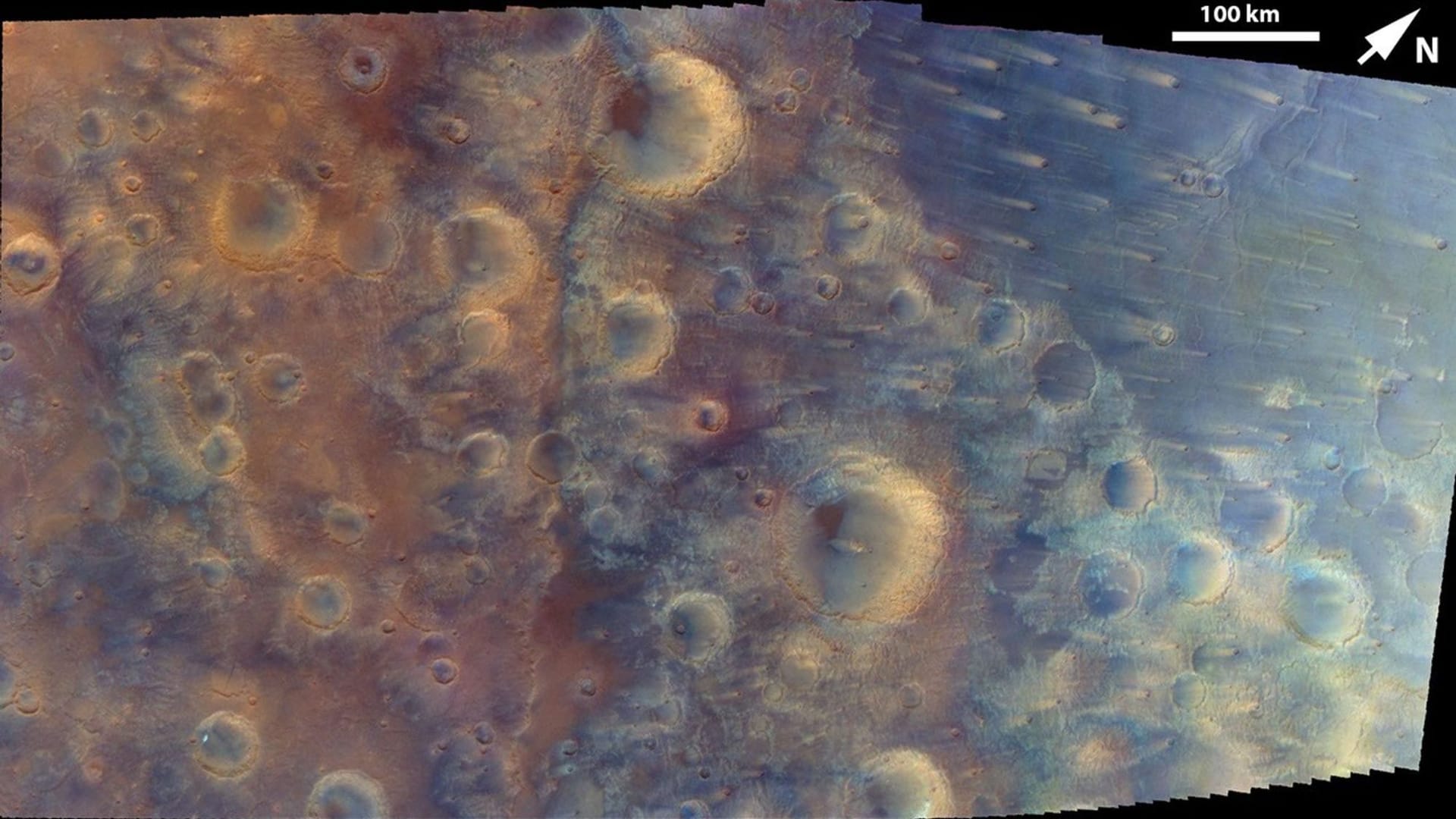 Space.com
NIAC 2026 Selections
• NASA has announced the 2026 selections for the NASA Innovative Advanced Concepts (NIAC) program, highlighting cutting-edge aerospace research. • Selected projects include Saptarshi Bandyopadhyay's "Dimming the Sun (DimSun)," which explores using controllable dust clouds to reduce solar insolation, and Gilly Elor's "Power-over-Fiber" system for the Lunar Underground eXplorer (LUX).
Read original · nasa.gov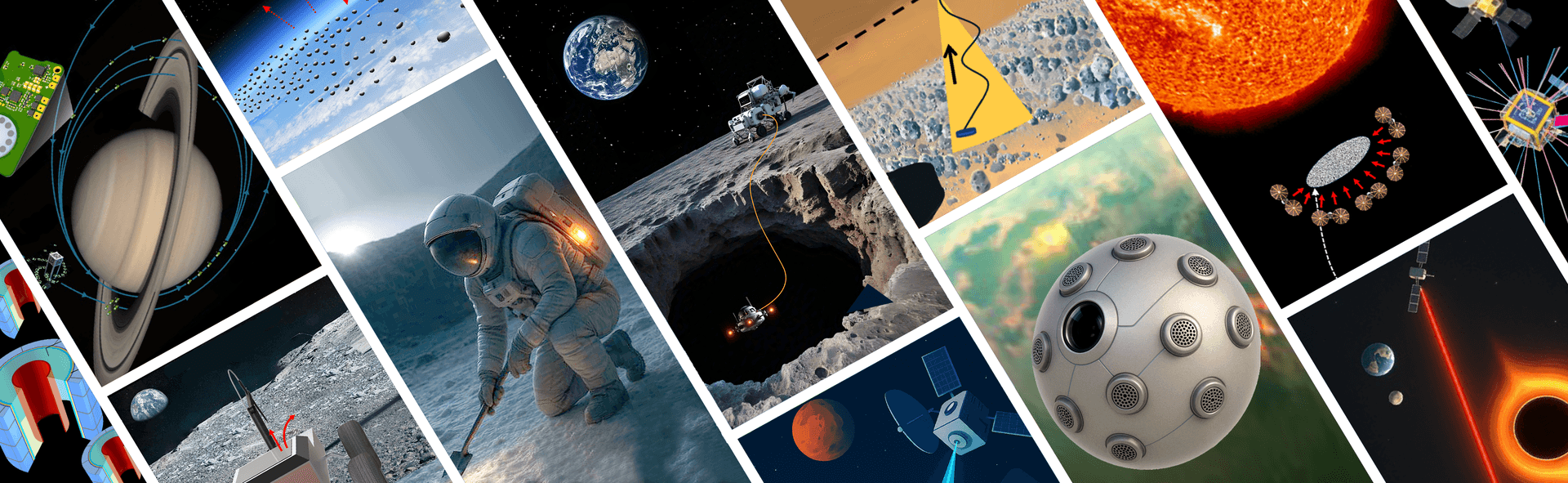 NASA
NASAWhy do some people who trust in science also believe in scientific conspiracy theories?
• Some individuals maintain a general trust in science while simultaneously believing in scientific conspiracy theories, provided the theories are framed in plausible scientific terms. • These beliefs often center on "lone genius" narratives that ignore the actual mechanisms of scientific progress, such as peer review, replication, and institutional evaluation.
Read original · theconversation.com The Conversation
SpaceX launches satellite repair drone with 10-foot robotic arms to Earth orbit
• SpaceX launched Northrop Grumman's MRV-MEP satellite-servicing mission into Earth orbit on July 21. • The spacecraft is equipped with specialized 10-foot robotic arms designed to dock with and repair existing satellites.
Read original · space.com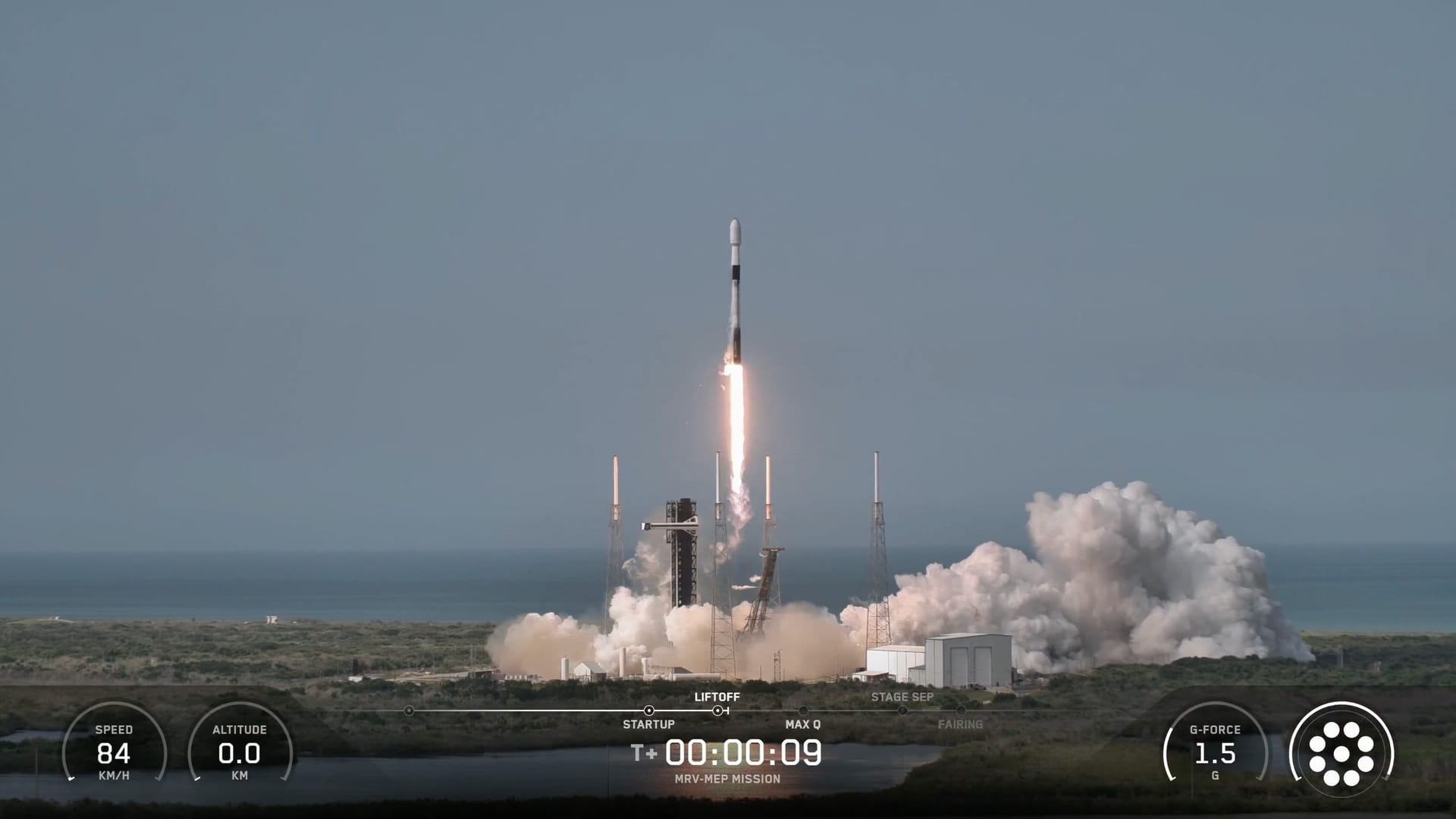 Space.com
Four astronauts, 3 spacecraft, 2 weeks in orbit: Artemis III will be NASA's most complicated mission ever
• NASA is preparing for the Artemis III mission, which is projected to be the most complex operation in the agency's history. • The mission will involve coordinating the launch and orbital rendezvous of three separate spacecraft to transport four astronauts.
Read original · space.com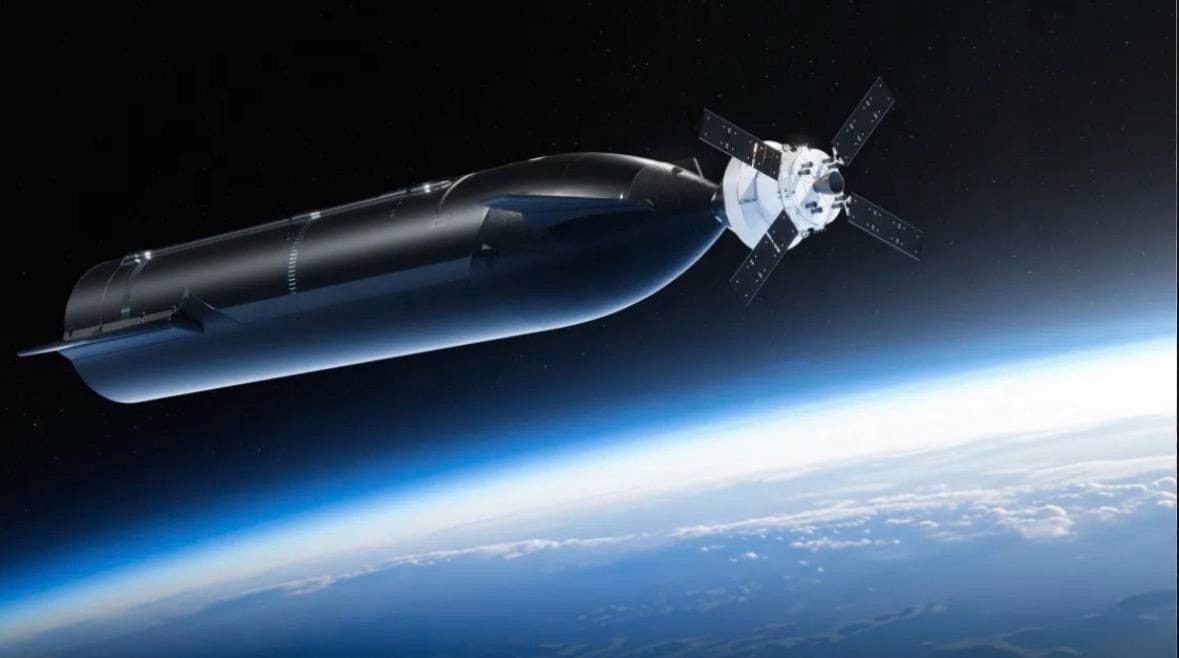 Space.com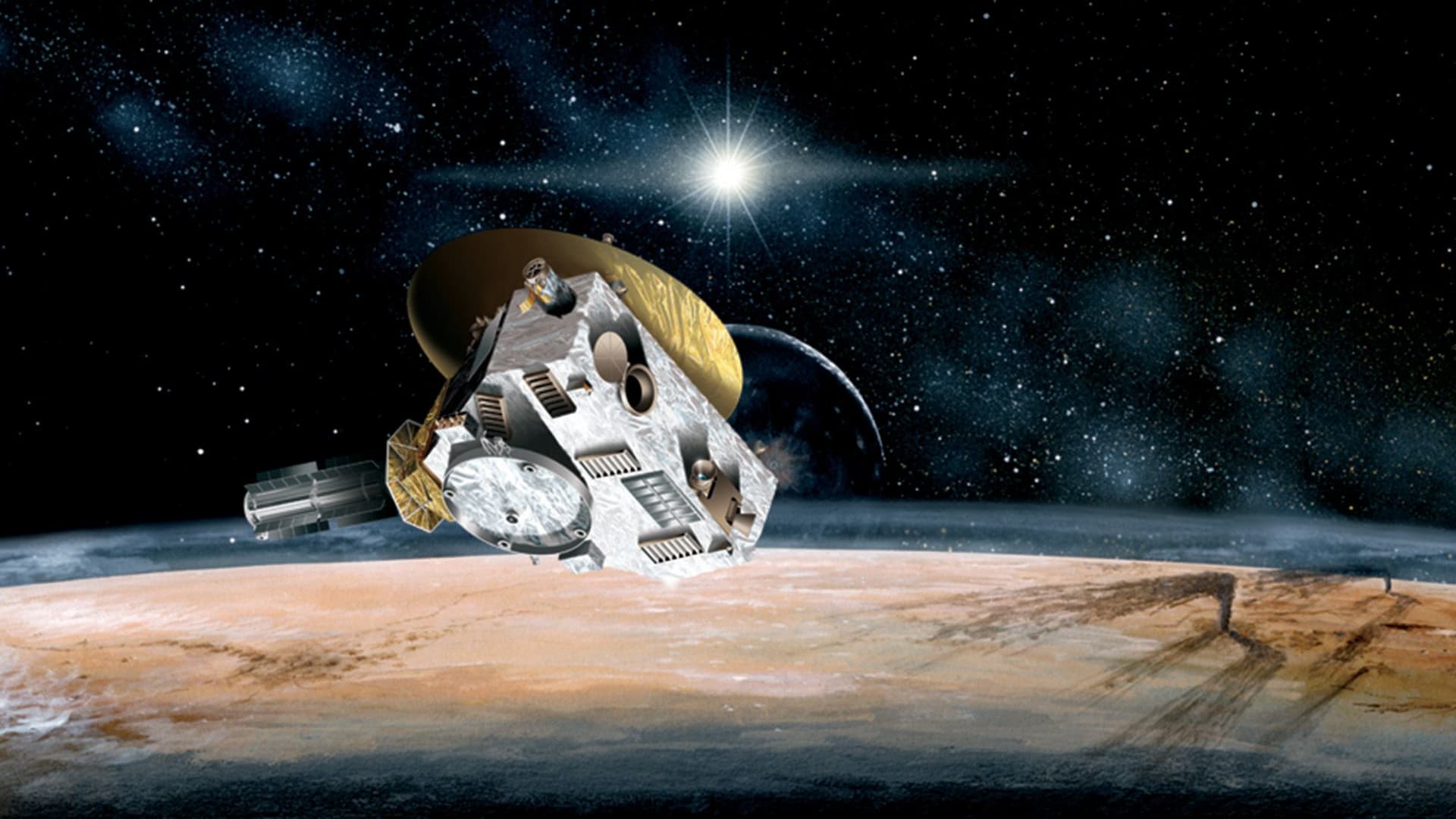
![[MUST WATCH] NASA’s Psyche Spacecraft Turned a Mars Flyby Into a Stunning Tour of the Red Planet](/_next/image?url=https%3A%2F%2Fcdn.zmescience.com%2Fwp-content%2Fuploads%2F2026%2F07%2FE2_PIA26749_Psyche_Imager_Mars_Mosaic1_F247E.width-1320.jpg&w=1920&q=75)