Trump Administration Investigates 13 States Over Abortion Coverage Mandates

- The Trump administration launched investigations on March 19, 2026, into 13 states requiring health insurance to cover abortion, citing violations of the Weldon Amendment.
- Targeted states include California, Colorado, Delaware, Illinois, Maine, Maryland, Massachusetts, Minnesota, New Jersey, New York, Oregon, Vermont, and Washington, most with Democratic governors.
- HHS Civil Rights Director Paula M. Stannard stated the probes address states' disregard for protections allowing health entities to opt out of abortion coverage on conscience grounds.
- New Jersey Gov. Mikie Sherrill called it a 'fishing expedition wasting taxpayers’ money' while defending state reproductive policies.
Sources & Citations
1 sourceMore Stories
What’s a Few Dead Babies in the Scheme of ‘Greater Good’ Things...
• The provided text discusses a commentary or excerpt involving Dr. Suzanne Humphries and potentially Pierre Kory regarding their book "Sacrifice." • The author argues that while individual accounts are not clinical trials, they serve as critical warnings that should prompt formal scientific research.
Read original · timothywiney.substack.comMedical Bulletin 08/August/2026
• A new "double-punch" strategy using specialized particles to target aggressive brain cancer has shown promise, according to a recent study. • A randomized trial involving 315 overweight Chinese adults aged 18+ found that a single focused workout can provide meaningful health benefits for those with central obesity.
Read original · medicaldialogues.inTop 20 Medical News Topics Clinicians Should Know This Week: August 3-9, 2026 GlobalRPH
• GlobalRPH has released a curated list of the top 20 medical news topics for clinicians covering the week of August 3-9, 2026. • The update includes a specific focus on the changing geography of sexually transmitted infections (STIs) within the United States.
Read original · globalrph.com GlobalRPH
NanoViricides Has Received Regulatory Approval for a Phase II Clinical Trial of NV-387 Oral Gummies as a Treatment for Ebola in DR Congo To Fight the Current Largest Ever and Expanding Ebola Outbreak
• NanoViricides, Inc. (NYSE American: NNVC) received regulatory approval on August 10, 2026, to launch a Phase II clinical trial for its NV-387 oral gummies. • The trial will take place in the Democratic Republic of Congo to treat patients affected by the current largest and most rapidly expanding Ebola outbreak.
Read original · investingnews.com Investing News Network
NanoViricides, Inc. (NASDAQ:NNVC) |
• NanoViricides, Inc. (NASDAQ:NNVC) has received regulatory approval to initiate a Phase II Clinical Trial for NV-387 oral gummies. • The drug is being developed as a treatment for the Bundibugyo Ebola virus, addressing an urgent need for effective antivirals during the current outbreak in the Democratic Republic of the Congo.
Read original · webdisclosure.comMorning Rounds: News From August 3-9
• Bipartisan House Armed Services Committee amendments propose using the 2027 National Defense Authorization Act to extend military clinical trials of MDMA and psilocybin for active-duty service members. • Louisiana launched a regulated clinical pilot program this week using psilocybin and related compounds to treat substance use and treatment-resistant mental health conditions, funded by opioid-settlement money.
Read original · psychiatrictimes.comBiden Cancer Update; Trump on Fauci Prosecution; Cyclosporiasis Rebound Cases
• Texas Children's Hospital is set to open the first detransition clinic in the U.S. for transgender youth this October, according to Attorney General Ken Paxton. • The medical community is mourning the loss of Dr. Maura Gillison, who died at age 61 from small intestine cancer after previously proving the link between HPV and head and neck cancers.
Read original · medpagetoday.com MedPage Today
The FDA approved a new mRNA vaccine. But that doesn't mean the government is embracing the technology, experts caution.
• The U.S. Food and Drug Administration (FDA) has officially approved a new mRNA-based vaccine designed to combat influenza. • Despite this milestone, experts caution that the approval does not necessarily signal a broad government embrace of mRNA technology for all vaccines.
Read original · livescience.com Live Science
FDA Approves New Flu Shot Using COVID-Era Tech—Here’s Who Can Get It - Newsweek
• The FDA has approved mFLUSIVA, the first flu vaccine to utilize mRNA technology similar to that used in COVID-19 vaccines. • Clinical trial data published in The New England Journal of Medicine showed that 2% of mFLUSIVA recipients developed flu-like illnesses, compared to 2.8% for those receiving a standard-dose vaccine.
Read original · newsweek.com Newsweek
Exposed to COVID-19? A new drug may keep the infection away
• A new oral antiviral drug called Xocova has been developed to prevent COVID-19 infections in individuals who have been exposed to the virus. • Unlike treatments administered after symptoms appear, Xocova is specifically designed as a post-exposure prophylactic to reduce the likelihood of contracting the illness.
Read original · politifact.com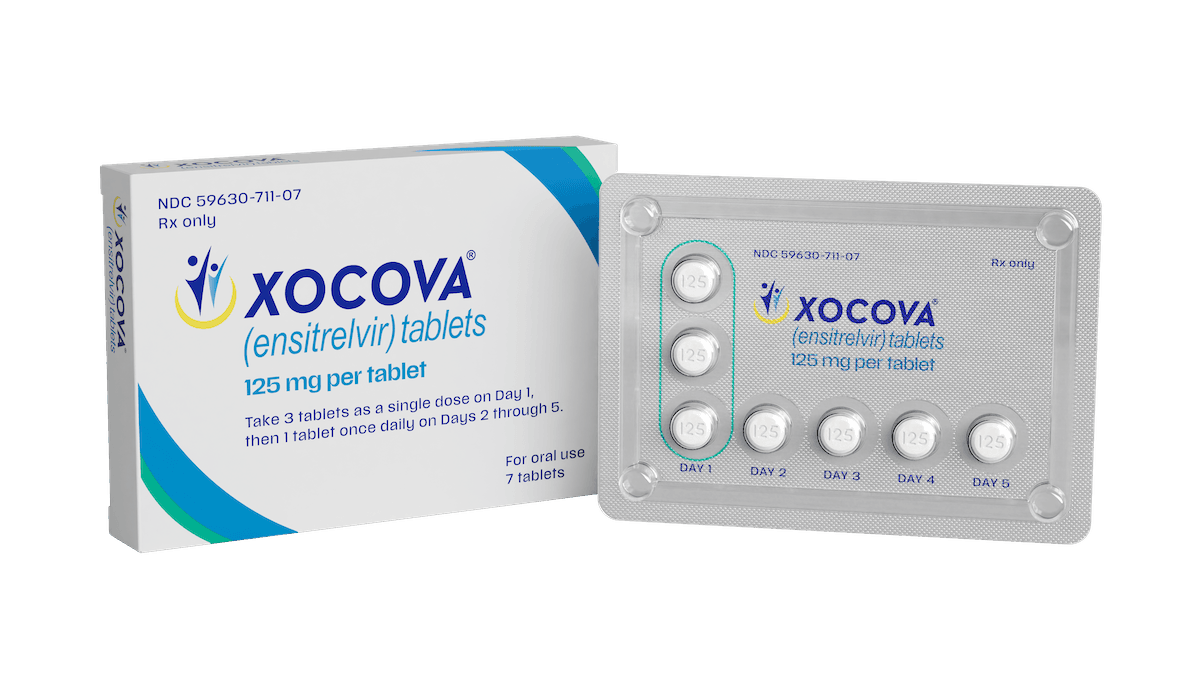 PolitiFact
NanoViricides Has Received Regulatory Approval for a Phase II Clinical Trial of NV-387 Oral Gummies as a Treatment for Ebola in DR Congo To Fight the Current Largest Ever and Expanding Ebola Outbreak - BioSpace
• NanoViricides has received regulatory approval to launch a Phase II clinical trial for NV-387 oral gummies, designed as a treatment for the Ebola virus. • The trial will take place in the Democratic Republic of Congo to combat the largest and most rapidly expanding Ebola outbreak on record.
Read original · biospace.comMedical Bulletin 10/August/2026
• A new study indicates that higher protein intake during the first trimester of pregnancy is linked to a lower risk of small birth size. • Separately, researchers analyzed data from 296,372 adults in the UK Biobank to determine if long-term exposure to residential night-time light (NTL) accelerates biological aging.
Read original · medicaldialogues.in