Trump Orders Immigration Officers to US Airports During Budget Impasse

- President Trump directed federal immigration agents to assist TSA at US airports during a partial shutdown over Department of Homeland Security funding, with agents guarding exit lanes and checking passenger IDs unless Democrats agree to fund the agency.
- White House border czar Tom Homan is leading the airport security effort and has been meeting with bipartisan senators, though negotiations have not yet reached total agreement on resolving the shutdown.
- Democrats are demanding major changes to federal immigration operations and have stated willingness to fund TSA and most DHS components, citing concerns about escalated tensions among frustrated travelers and unpaid screeners.
- The Senate advanced the nomination of Sen. Markwayne Mullin, R-Okla., as Trump's next homeland security secretary by a 54-37 vote, with confirmation potentially occurring as early as Monday.
Sources & Citations
1 sourceMore Stories
German state elections: Chancellor Friedrich Merz vows to stay on despite 'disaster' in polls
• Chancellor Friedrich Merz vowed to remain in his position following damaging exit poll losses for his centre-right CDU party in Berlin and Mecklenburg-Vorpommern. • The losses are described as a disaster in the polls for the party.
Read original · bbc.com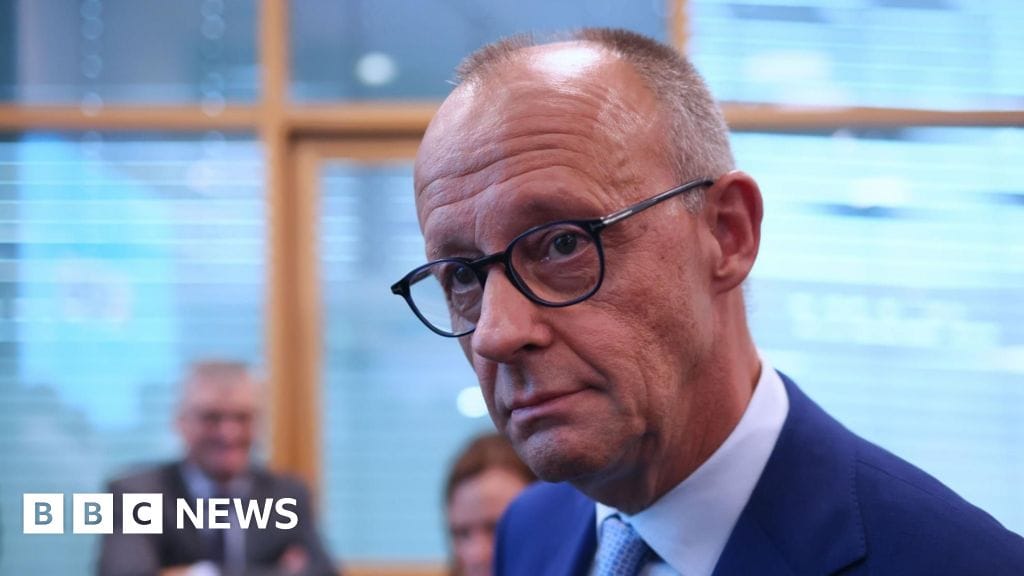 BBC
BBCGermany’s Merz vows to press on with reforms after historic state election defeat
• German Chancellor Friedrich Merz suffered a heavy political setback following two state elections on Sunday, including a record defeat for his party. • The 70-year-old leader took office 16 months ago with promises to reignite an economy that has been stalled for years.
Read original · independent.co.uk The Independent
Germany's Merz vows to press ahead with reforms after historic state election defeat : NPR
• German Chancellor Friedrich Merz faced a major electoral setback after his center-right party lost ground in two state elections. • The far-right Alternative for Germany party made significant gains, including a shock result in the eastern state of Saxony-Anhalt.
Read original · npr.orgBeyond Ukraine: Why Europe is preparing for a wider conflict
• Switzerland recently adopted a new national security strategy to increase its resilience and ability to defend itself against armed attacks. • The strategy marks a shift for the famously neutral nation as it prepares for the possibility of a wider conflict beyond Ukraine.
Read original · edition.cnn.com CNN
CNNGermany's far-right AfD celebrates another state election win
• The far-right Alternative for Germany (AfD) party won a state election in northeastern Mecklenburg-Western Pomerania. • The AfD secured more than 37% of the vote in the state.
Read original · lemonde.frLVMH shares signal luxury sector slowdown concerns
• LVMH shares fell to their lowest levels since 2020 as luxury demand softened and questions about company succession emerged. • The stock price decline reflects a broader downturn in consumer spending across the high-end luxury market.
Read original · tradersunion.com Traders Union
Justice Kim Seong-su Pledges Judicial Independence, Trial Reforms
• Justice Kim Seong-su pledged to uphold judicial independence and implement trial reforms to address systemic delays. • The reform plan focuses on ensuring procedural rights and managing emerging legal disputes related to artificial intelligence and climate change.
Read original · chosun.com Chosun Daily
FACTBOX: Russian strikes hit logistics center, port infrastructure facilities - Military & Defense - TASS
• Russian forces launched overnight drone strikes targeting Ukrainian ports, warehouses, and logistics centers used by the Ukrainian armed forces. • The Russian Defense Ministry reported that the attacks specifically hit port infrastructure facilities and vessels supporting military operations.
Read original · tass.com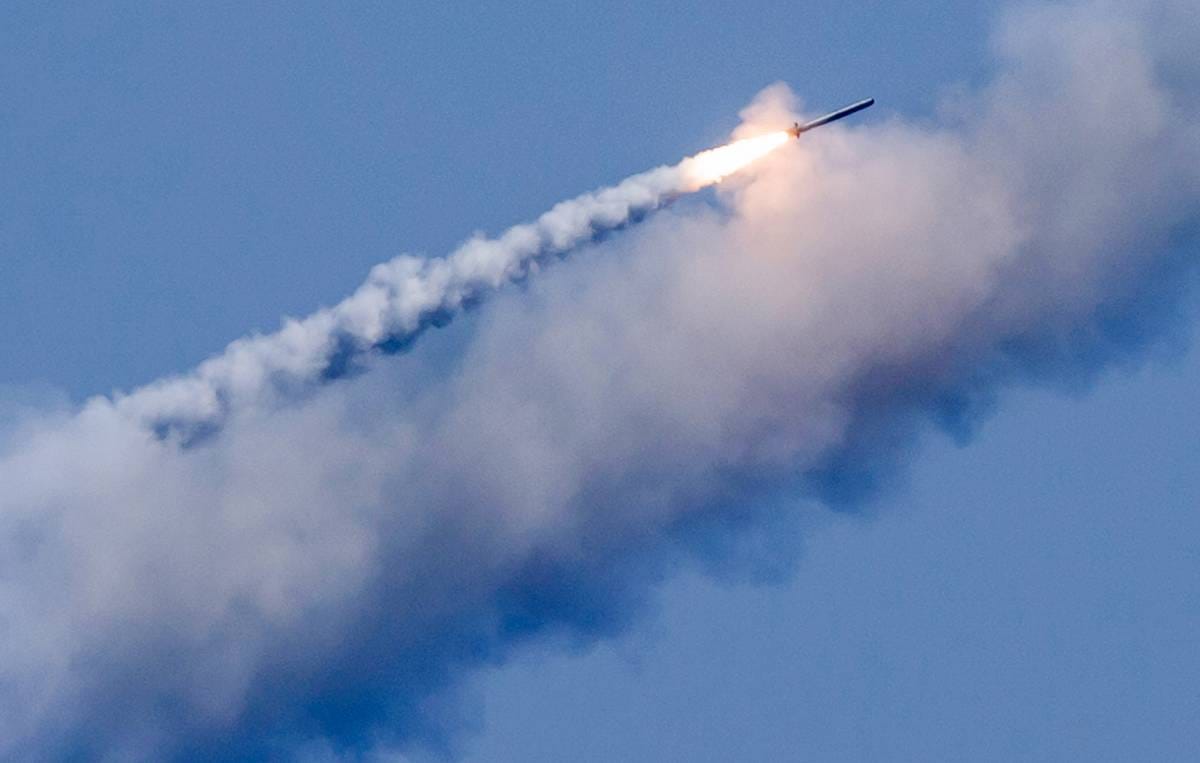 TASS
TASSGerman state elections: Chancellor Friedrich Merz vows to stay on despite 'disaster' in polls - BBC News
• Chancellor Friedrich Merz vowed to remain in his position following damaging exit poll losses for his centre-right CDU party in Berlin and Mecklenburg-Vorpommern. • The results are described as a disaster for the party in these specific state elections.
Read original · bbc.co.uk BBC
BBCGerman elections under way which could decide fate of Chancellor Merz
• Germany is holding elections this Sunday that could determine whether Chancellor Friedrich Merz remains in power. • Merz is facing intense political pressure after only 16 months in office due to his party's tumbling popularity.
Read original · bbc.com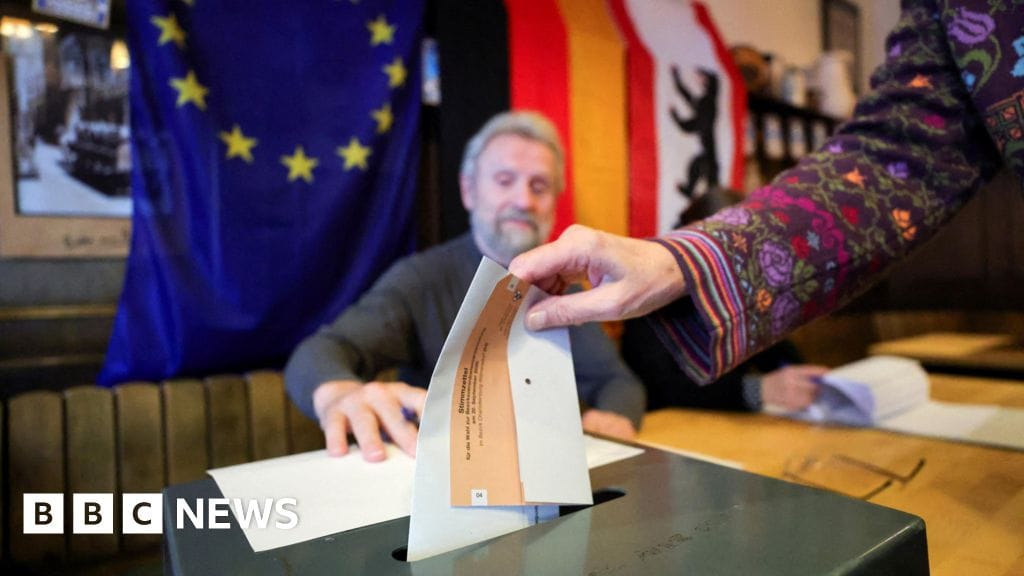 BBC
BBC‘Disastrous’: Germany’s Merz faces mounting pressure after fresh CDU defeats - The Times of India
• German Chancellor Friedrich Merz and his Christian Democratic Union (CDU) party suffered electoral losses in two state elections on Sunday. • Exit polls from public broadcaster ARD showed the CDU securing only 5% in Mecklenburg-Western Pomerania, the party's lowest state result since World War II.
Read original · timesofindia.indiatimes.comDisastrous regional elections for German chancellor Merz
• Swedish money market participants raised their one-year inflation expectations to 1.97% in August from a previous 1.83%. • Two-year inflation expectations also increased during this period, rising from 2.02% to 2.07%.
Read original · fxstreet.com