Trump Renews Threats to Obliterate Iranian Power Plants and Oil Facilities

- President Trump yesterday escalated rhetoric by renewing threats to 'completely obliterate' Iranian power plants, oil production facilities, and possibly all infrastructure.
- The statement comes amid ongoing U.S. military pressure on Iran, with diplomatic outcomes remaining unclear after three months of conflict.
- This hawkish posture risks further entangling the U.S. in the region, potentially impacting domestic politics and midterm races.
- Critics warn it could prolong the war without a clear endgame, testing Republican unity.
Sources & Citations
1 sourceMore Stories
Japan Creates a Buzz About a Rush of Tourist Arrivals Along With South Korea and Many Other Countries in Autumn - Travel And Tour World
• Japan, South Korea, and several other Asian destinations are preparing for a surge in international tourist arrivals during the autumn of 2026. • The expected growth is driven by a combination of seasonal nature attractions, improved travel connectivity, and cultural events across countries including Thailand, Vietnam, and Singapore.
Read original · travelandtourworld.com Travel And Tour World
All democracies but one in Southeast Asia are taking a beating
• Democratic stability is declining across most of Southeast Asia as mass protests target an authoritarian leader in Thailand and the Philippines recovers from a state of emergency. • Indonesia is the sole exception to this trend, making progress in transparency, media freedom, and the rule of law after three decades of dictatorship.
Read original · tucson.comPalladium Brazing Alloys Market Forecast to 2035: Growth Accelerates on Electronics and Aerospace Demand - News and Statistics - IndexBox
• The global palladium brazing alloys market is projected to grow at a compound annual growth rate of 4% to 6% through 2035. • Growth is driven by rising demand for hermetic seals, which are airtight closures, in the electronics and aerospace sectors.
Read original · indexbox.io IndexBox
El Niño Outlook for Asia Pacific 2026–2027: Hazards, Vulnerability, and RCRC Response - PrepareCenter
• The International Federation of Red Cross and Red Crescent Societies (IFRC) released a factsheet in July 2026 detailing expected El Niño impacts across the Asia Pacific region through 2027. • The report warns that the current El Niño event in the tropical Pacific will cause unusual rainfall and temperature patterns across South Asia, Southeast Asia, and the Pacific.
Read original · preparecenter.orgIs India’s democracy at a crossroads? - UCA News
• India's democratic system is currently facing converging pressures from economic inequality, frustrated youth, and institutional decline. • The country's political landscape is being reshaped by regional tensions and Hindutva politics, which refers to the ideology of Hindu nationalism.
Read original · ucanews.com UCA News
To concretize the resolutions and directives of the Politburo into specific plans and tasks for the judicial sector.
• The Party Committee of the Supreme People's Court held a conference on September 21 to implement Politburo resolutions and directives within the court system. • Chief Justice Nguyen Van Quang presided over the meeting to translate high-level party directives into specific plans and tasks for the judicial sector.
Read original · vietnam.vn Vietnam
Live updates: CNN, MS NOW and Politico sue Trump over White House coverage ban
• CNN, MS NOW, and Politico are planning to sue Donald Trump over a ban on their coverage of the White House. • The legal action follows a decision by the administration to restrict these specific news organizations from reporting on official events.
Read original · nbcnews.com NBC News
AP News Summary at 12:36 a.m. EDT | Nation & World
• Eighteen suspects arrested in the July 2021 killing of Haitian President Jovenel Moïse are being extradited to the United States. • U.S. Attorney Reding Quiñones announced Sunday that the suspects will face trial in Florida.
Read original · newschannel20.comPreviewing the 2026-2027 Supreme Court Term: Continuing the Rightward March - Center for American Progress
• The Center for American Progress released a preview of the 2026-2027 Supreme Court term, predicting the court will continue to reduce civil rights. • Justices Samuel Alito and Clarence Thomas dissented on a previous rule, arguing the president should proceed with a plan even if some states cannot administer vote-by-mail systems.
Read original · americanprogress.org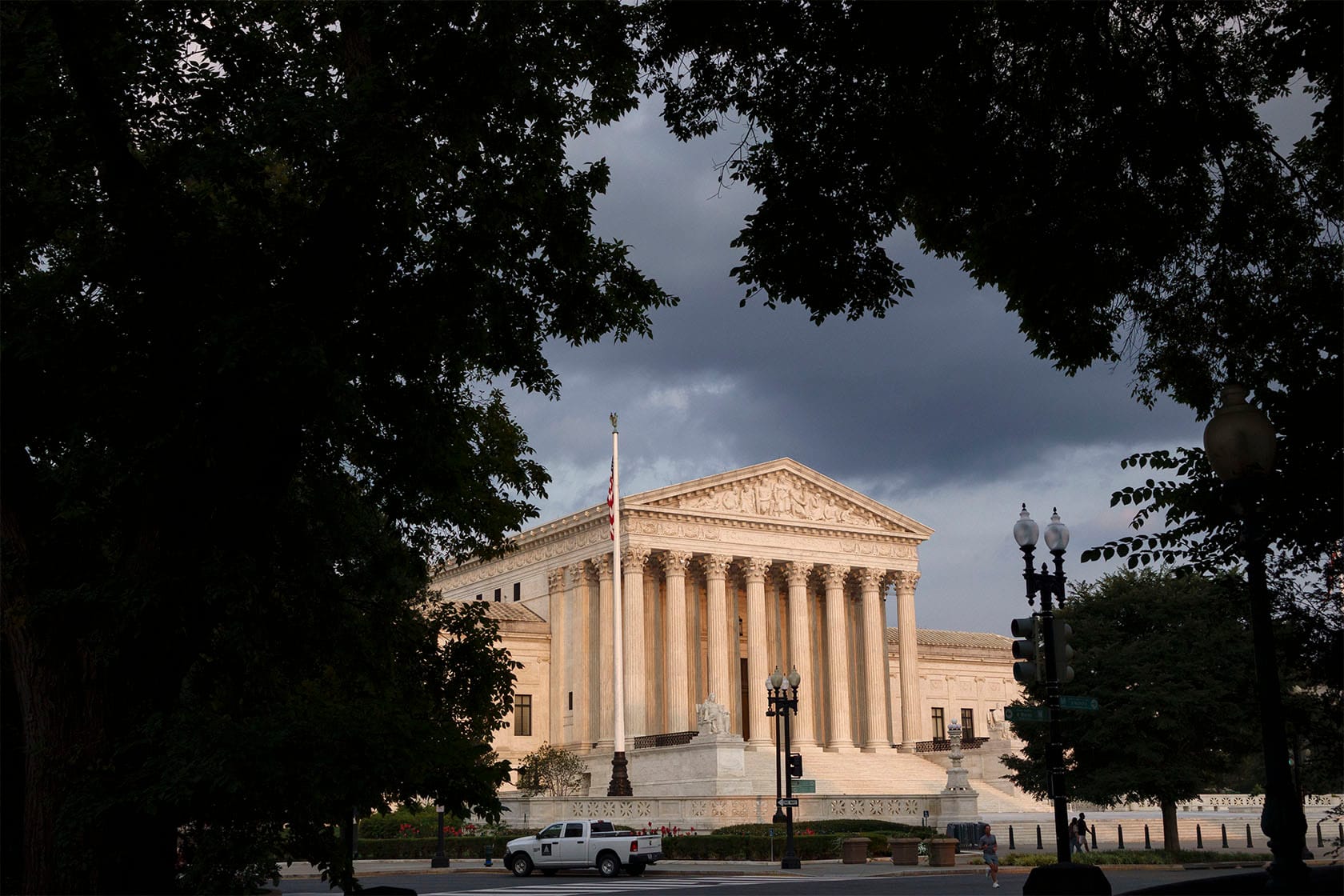 Center for American Progress
Lauren Boebert Snaps Over Reports She Paid Off Staffer She Dated
• Representative Lauren Boebert denied allegations on Saturday that she had affairs with three of her staffers and paid one of them off. • A spokesperson for Boebert stated there is "zero truth" to the claims and called the ethics filing a political smear.
Read original · newrepublic.com The New Republic
Trump weighs next move in Iran war as Tehran threatens new weapons
• President Donald Trump is evaluating his strategic response to the conflict with Iran as Tehran warns of new weapons and targets. • U.S. embassies across the Middle East issued security alerts following intensified fighting between Iran-backed Houthi rebels and a Saudi-backed coalition.
Read original · foxnews.com Fox News
CNN, MS NOW and Politico sue over denied White House access
• CNN, MS NOW, and Politico filed a lawsuit on September 21, 2026, after being denied access to the White House. • The legal action follows a decision by the Trump administration to restrict these specific news organizations from entering the premises.
Read original · apnews.com
