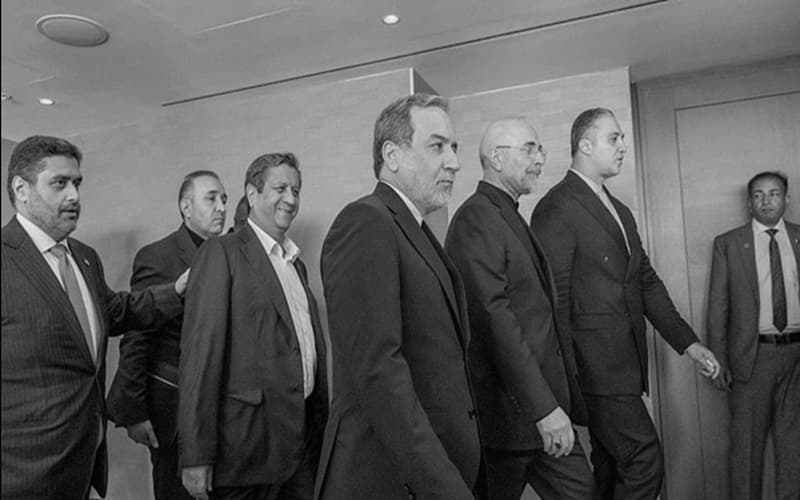
Trump Seeks International Coalition to Secure Strait of Hormuz as Oil Prices Rise
- President Trump is attempting to garner international support to secure the Strait of Hormuz, a vital waterway where oil transport has halted since the US and Israel began their war with Iran on day 17 of the conflict.
- Trump claimed the US received "some positive response" from countries including China, France, Japan, South Korea, and the UK, though Australia and Japan have stated they will not send warships; the UK said it is discussing options while China called for an immediate end to hostilities.
- The blockade has caused oil prices to rise significantly, with the Strait of Hormuz responsible for transporting approximately one-fifth of the world's oil supply; Trump warned NATO faces a "very bad" future if US allies fail to assist in reopening the shipping lane.
- Trump and Israeli officials stated they expect the conflict to end within weeks or sooner, with Israel planning to strike "thousands" of targets over the next three weeks, while Iran's foreign minister signaled Tehran is open to talks with countries seeking safe strait access.
Sources & Citations
1 sourceMore Stories
Pakistan’s Handcuffed Democracy and Imran Khan’s Long Incarceration: Is Democracy Dying?
• Pakistan's democratic system continues to struggle under the influence of military rule and judicial intervention, a pattern persisting since its independence in 1947. • The current political climate is highlighted by the prolonged incarceration of former Prime Minister Imran Khan, signaling a deepening crisis for civilian leadership.
Read original · countercurrents.orgFear Has Replaced Confidence Inside Iran's Regime - Iran News Update
• The Iranian regime is experiencing a significant decline in internal confidence, with senior officials now openly acknowledging the risk of renewed nationwide protests. • This shift follows years of projecting absolute unity, but is now being undermined by deepening economic crises and internal political contradictions.
Read original · irannewsupdate.com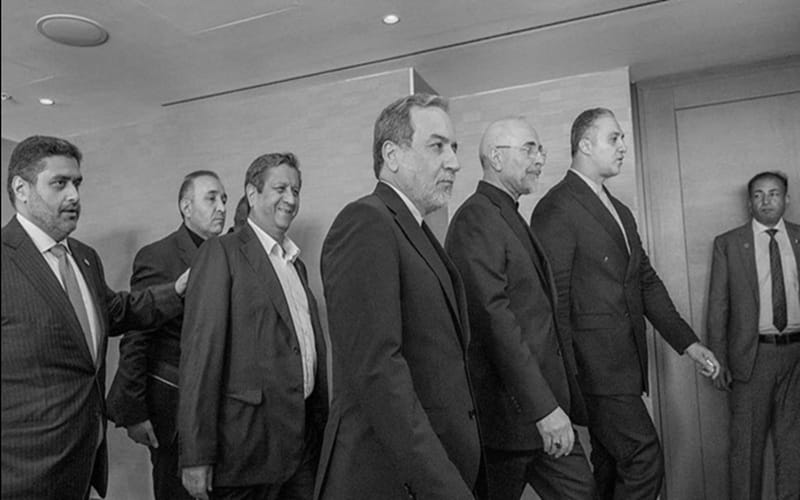 Iran News Update
AP News Summary at 7:39 a.m. EDT | Nation and World
• Palestinians and Israelis are marking 1,000 days of conflict following the October 2023 attacks that killed approximately 1,200 people and saw 251 taken hostage. • Israel's military retaliation has resulted in over 73,000 Palestinian deaths, leaving Gaza in a state of devastation.
Read original · corsicanadailysun.com‘Worse Than Sinking!’: IRGC Humiliates US After Vessel Runs Aground In Hormuz - Times of India Videos
• A cargo ship ran aground in the Strait of Hormuz while following an alternative shipping route that Iran claims was suggested by the United States. • The Islamic Revolutionary Guard Corps (IRGC) mocked the incident, describing the grounding as "worse than sinking" and a humiliation for the U.S.
Read original · timesofindia.indiatimes.comAt UN AI briefing, panel says science, compassion 'must remain our compass'
• A United Nations AI panel, co-chaired by Yoshua Bengio, held a briefing to discuss a preliminary report intended to serve as an evidence base for future AI governance. • Bengio emphasized that current decisions regarding artificial intelligence will have enduring impacts on individuals, businesses, institutions, and the stability of democracy.
Read original · rappler.com RAPPLER
CPJ urges Pakistan to lift Geo News suspension
• The Committee to Protect Journalists (CPJ) has called on Pakistan to lift a 15-day suspension of Geo News' broadcast license imposed by the Pakistan Electronic Media Regulatory Authority (PEMRA). • The CPJ describes the regulatory action as a dangerous escalation of official interference and a threat to independent media operations within the country.
Read original · journalismpakistan.com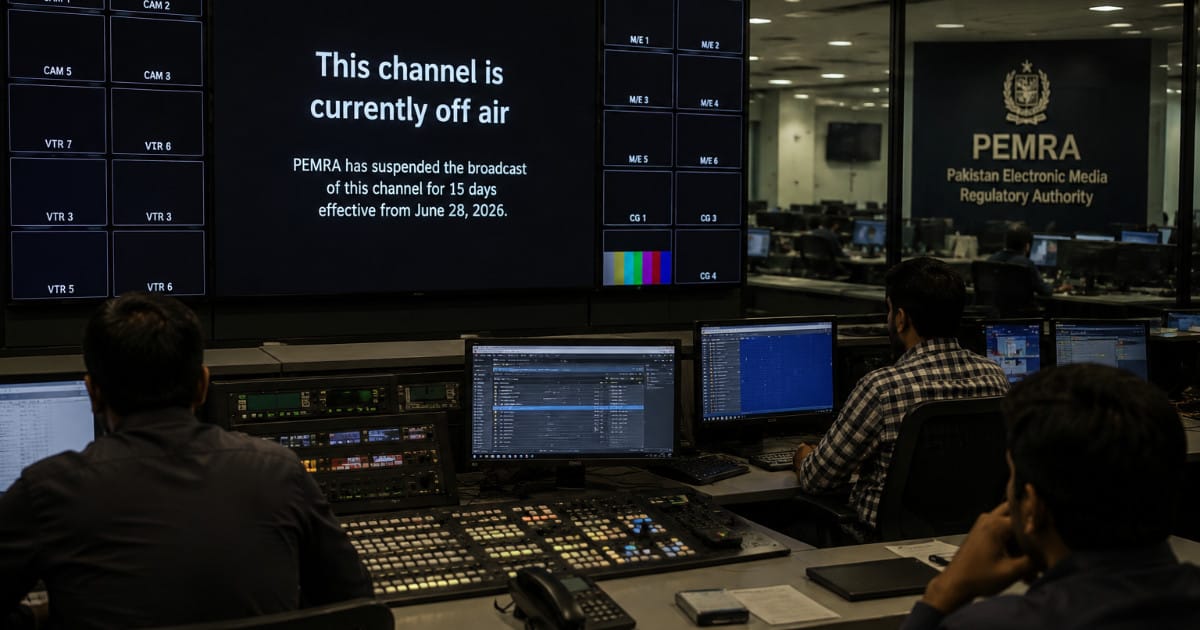 Journalism Pakistan
Israel Embassy in India Draws Criticism Over Internship Terms, Internet Questions Unpaid Role
• The Israel Embassy in India faced social media backlash after posting a recruitment notice for a six-month unpaid Political Intern. • The role requires the selected candidate to monitor political developments, analyze legislation, and track geopolitical trends to support the embassy's Political Department.
Read original · newsable.asianetnews.com Asianet Newsable
Headlines for July 02, 2026
• Donald Trump defended a financial report revealing his personal income surged to $2.2 billion in 2025, while his sons and Howard Lutnick profited from a U.S.-backed mining deal in Kazakhstan. • Human rights groups are demanding an end to sanctions on Venezuela after a massive earthquake left over 2,000 people dead, prompting a Texas lawmaker to condemn ICE for attempting to deport families back to the disaster zone.
Read original · democracynow.orgEarly Edition: July 2, 2026
• Belarusian President Alexander Lukashenko pardoned 28 political prisoners on July 1, 2026, citing "humanitarian" grounds for the decision. • The move is viewed as a strategic effort by the Belarusian government to improve diplomatic relations with Western countries.
Read original · justsecurity.org Just Security
India–Pakistan Track II must also include Afghanistan and China
• A rare convergence of voices, including India’s RSS leadership, Kashmiri figures, and over 100 eminent citizens, has created a potential opening to reset India–Pakistan relations. • The article argues that current Track II talks must evolve into a structured dialogue to move beyond temporary diplomatic pauses.
Read original · kashmirtimes.com Kashmir Times
Sudan: The Sound of Silence
• Sudan is currently experiencing a catastrophic humanitarian crisis, which some observers describe as the gravest of recent times. • The crisis is characterized by widespread mass starvation, with 825,000 children specifically facing severe acute starvation.
Read original · countercurrents.org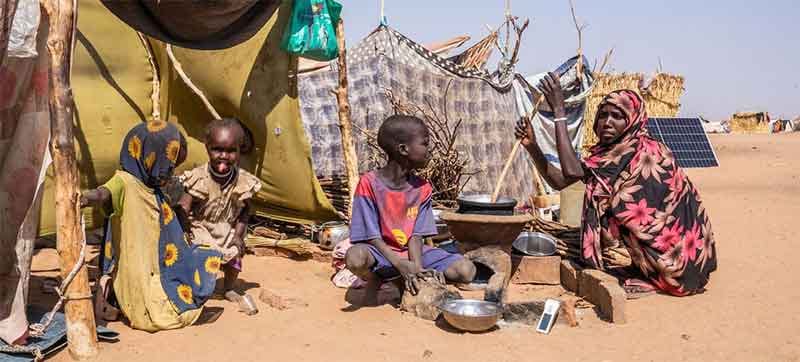 Countercurrents
Noon briefing of 1 July 2026
• The UN Secretary-General introduced the preliminary report from the Independent Scientific Panel on Artificial Intelligence and welcomed the General Assembly's decision to reform the organization's financial rules. • In Lebanon, thousands of displaced people continue to rely on humanitarian aid, with UN agencies and first responders providing food, water, emergency shelter, and psychological support.
Read original · un.org