Two marsupials believed extinct for 6000 years found alive

Indigenous people in Papua, Indonesia, have helped scientists track down two animals that were thought to have gone extinct thousands of years ago: a relative of Australia’s greater glider and a palm-sized possum with a bizarre, elongated finger
Sources & Citations
1 sourceMore Stories
Galaxies housing the James Webb Space Telescope's mysterious 'Little Red Dots' might've revealed their secrets
• Astronomers have studied the host galaxies of mysterious "Little Red Dot" objects spotted by the James Webb Space Telescope to solve their mystery. • The objects are unusual, with one astronomer stating "We hadn't seen anything like this in the local universe", indicating their peculiar nature.
Read original · space.com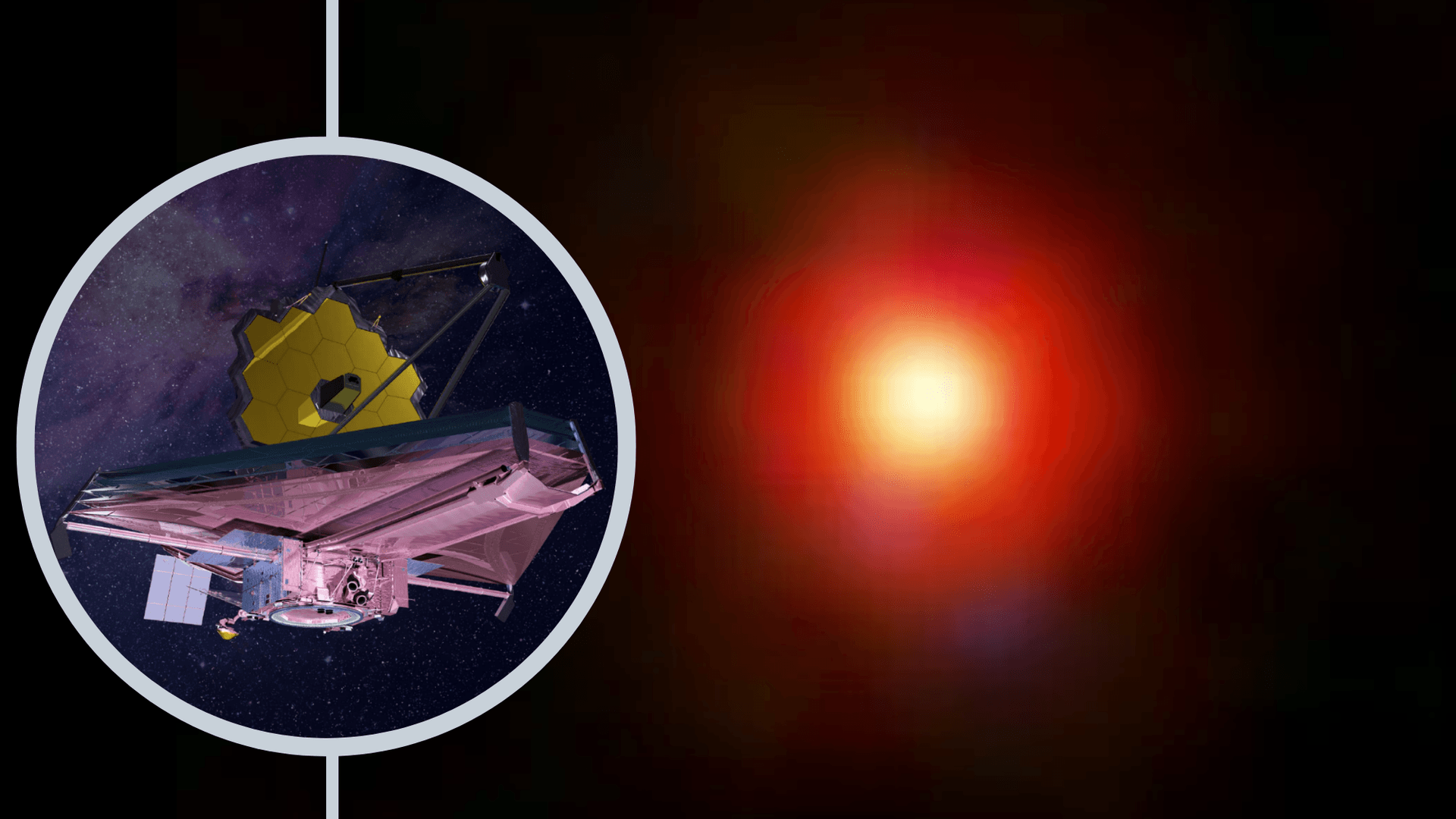 Space.com
How supermassive black holes are the architects of entire galaxies
• Astronomers studied nine local galaxies to understand the role of supermassive black holes in shaping their surroundings. • The researchers found that shock waves from these black holes sculpt star formation, with the black holes actively reshaping their galaxies.
Read original · space.com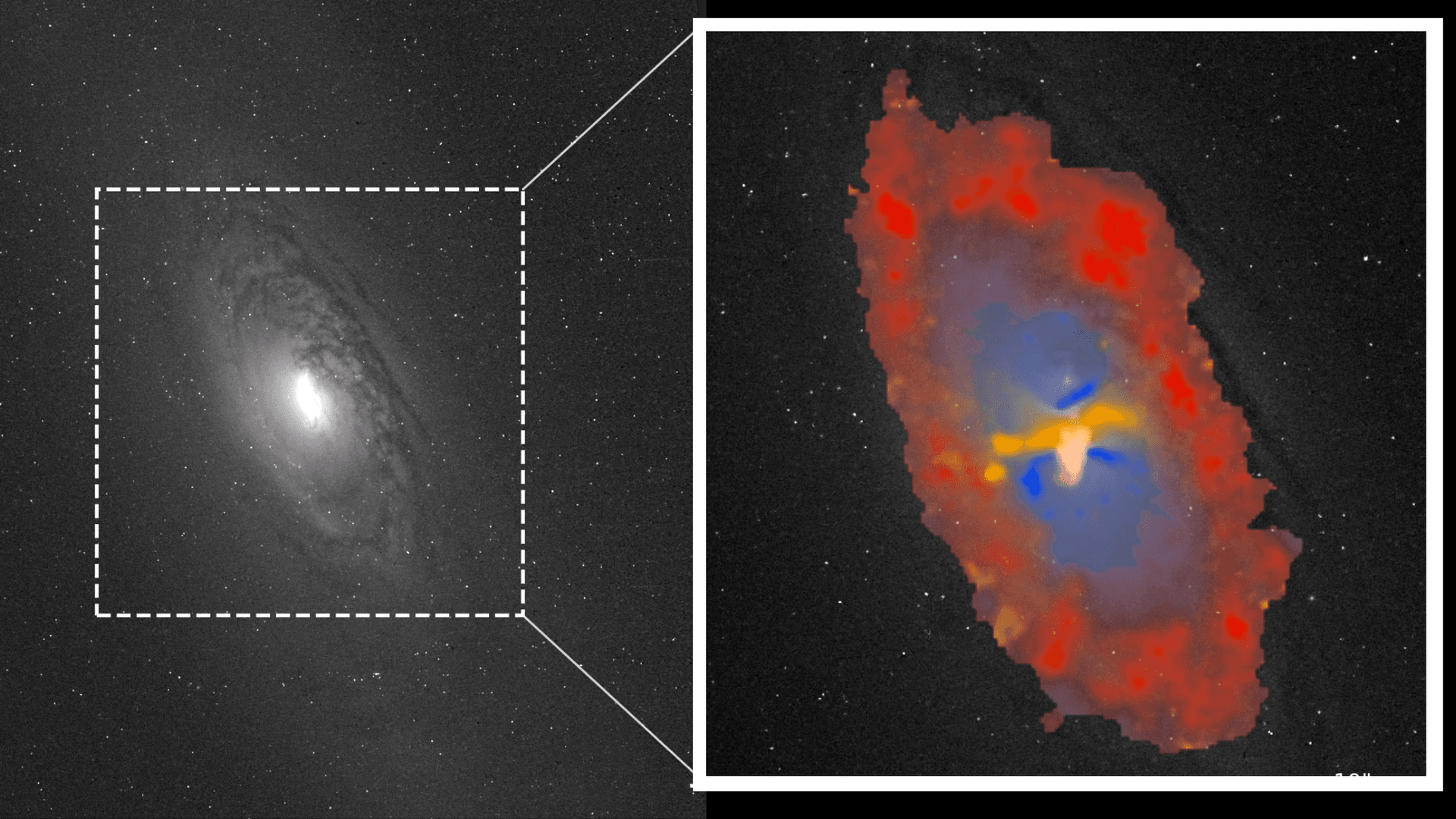 Space.com
The Winners of the 2026 Gizmodo Science Fair
• The 2026 Gizmodo Science Fair has announced its winners, honoring the year's most significant discoveries and breakthroughs in various fields. • The winners include breakthroughs in medicine and biotechnology, as well as advancements in space exploration and AI tools that are changing our understanding of the planet.
Read original · gizmodo.com Gizmodo
Twisted Materials Unlock New Quantum States, Hinting At Superconductors
• Researchers at Curtin University discovered that twisted materials can unlock exotic quantum states by creating moiré superlattices with altered electronic properties through slight rotations. • The creation of these moiré superlattices allows for the manipulation of electronic properties, which could potentially lead to the development of new superconductors.
Read original · quantumzeitgeist.com Quantum Zeitgeist
Meet Jiaen Jiang, the 16-year-old Texas student who built an electrostatic “magnet” to capture hazardous Moon dust and won $25,000
• Jiaen Jiang, a 16-year-old student from Rosenberg, Texas, won a $25,000 Davidson Fellows Scholarship for creating a device to capture hazardous Moon dust. • The Moondust Magnet uses a bipolar interdigitated electrode array to create electric fields that attract both charged and neutral particles of lunar regolith, or Moon soil.
Read original · timesofindia.indiatimes.comNASA Field-Tests AI Fleet Capability for Science, Exploration - NASA Science
• NASA scientists and industry partners recently field-tested an artificial intelligence application using a fleet of three robots to simulate an independent science team. • The test assessed the robots' ability to work together autonomously to increase the efficiency of solar system exploration.
Read original · science.nasa.gov NASA Science
Latest Scientific Breakthroughs Revealed Today – ICO Optics
• Researchers are exploring cutting-edge discoveries that shape our understanding of the universe through scientific innovation and technological advancement. • New revelations in modern physics and engineering emerge almost daily as a result of ongoing research.
Read original · ico-optics.org ICO Optics
Who Decides What Science Gets Done? - by Kishore Hari
• The peer review system in the U.S science grant process is being dismantled, which has taken eighty years to build and establish. • The people leaving the system now have taken decades to train, resulting in significant losses of expertise and potential discoveries.
Read original · bayareascience.substack.com'We are on our way to groundbreaking science': Stars turn neon-green in first test image from NASA's Roman telescope — Space photo of the week
• NASA activated the Nancy Grace Roman Space Telescope's 300-megapixel camera for the first time this week to capture a debut test image. • The first image features stars appearing neon-green as part of the initial technical verification of the telescope's powerful imaging system.
Read original · livescience.com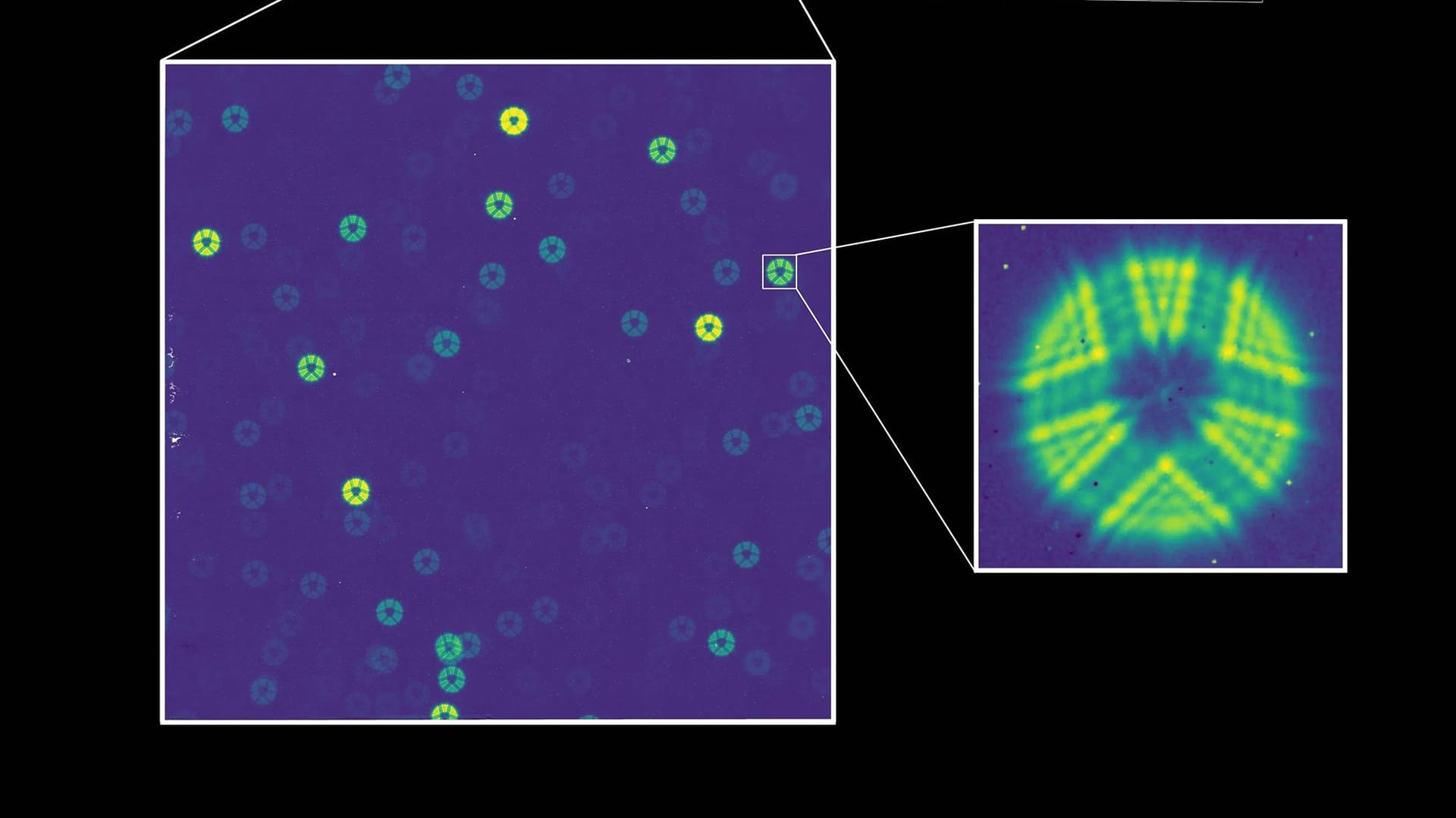 Live Science
Science Snapshots: September 20, 2026 - The Hindu
• Researchers discovered that regular physical activity triggers epigenetic reprogramming, which is a process that changes how genes are expressed without altering the DNA sequence. • The study found that exercise preactivates natural killer cells and CD8+ T cells to more effectively identify and destroy abnormal cells.
Read original · thehindu.comSome household smoke alarms contain about 0.3 micrograms of americium, a radioactive element made in nuclear reactors. It was first produced in the 1940s and is now used in a device you can buy for around ten dollars - ScienceBlog.com
• Many household smoke alarms use americium, a radioactive element created in nuclear reactors, to detect smoke. • These devices typically contain about 0.3 micrograms of the element and can be purchased for around ten dollars.
Read original · scienceblog.com ScienceBlog
The First 3D Map of an Ovary Suggests a Hidden System Controls Egg Activation - NewsBreak
• Researchers developed the first 3D map of an ovary to study how and when oocytes, which are immature eggs, are activated. • The study findings were published in the journal Nature Aging.
Read original · newsbreak.com