US Stock Indexes Decline on March 25 as Iran War Uncertainty Persists
- Major US stock indexes fell on March 25 with the S&P 500 dropping 24.63 points (0.4%) to 6,556.37, the Dow Jones declining 84.41 points (0.2%) to 46,124.06, and the Nasdaq sinking 184.87 points (0.8%) to 21,761.89.
- Oil prices rose as investors remain uncertain about the duration and impact of the Iran conflict on Persian Gulf energy supplies, with the two-year Treasury yield climbing to 3.92% from 3.83% on concerns about inflation.
- The market pullback reflected renewed caution after rallies the previous day, as traders have nearly eliminated bets for Federal Reserve rate cuts this year due to elevated inflation risks from surging oil prices.
Sources & Citations
1 sourceMore Stories
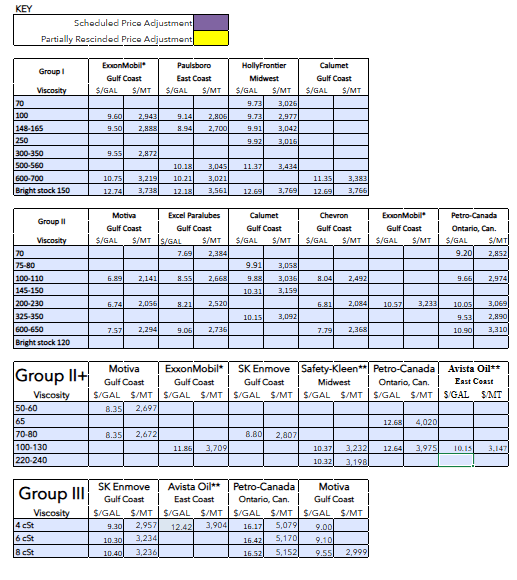
Weekly Americas Base Oil Price Report - Lubes'N'Greases
• Escalating hostilities between the United States and Iran, alongside the renewed closure of the Strait of Hormuz, have disrupted the flow of crude oil and refined products from the Persian Gulf. • These geopolitical tensions have pushed base oil and energy prices to steeper levels due to supply chain instability.
Read original · lubesngreases.com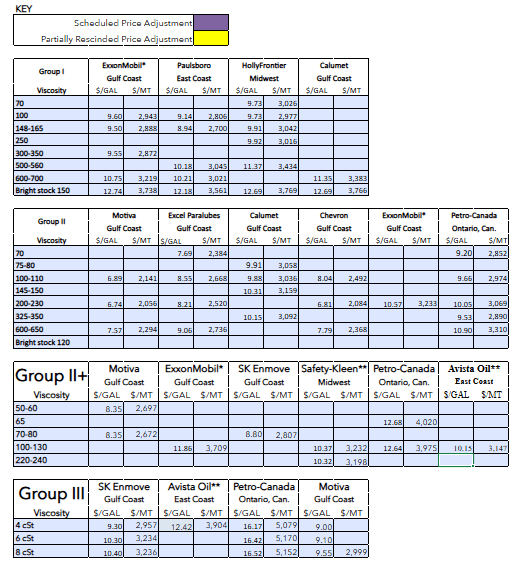 Lubes'N'Greases
مؤشرات الأسهم الأوروبية تغلق على ارتفاع - Fana News
• European stock indices closed with collective gains on July 22, despite a rise in energy prices. • The positive trend was driven by investor optimism and market dynamics across major European exchanges.
Read original · fananews.com Fana News
Final Results | Company Announcement
• VZ Holding, a Swiss financial consultancy and wealth manager, has reported its final results highlighting a tech-enabled platform and a fee-based advisory model. • The company has successfully captured market share from established Swiss private banks, achieving an average earnings per share (EPS) growth rate of 11% per annum over the last decade.
Read original · investegate.co.ukEuropean shares gain as tech strength offsets oil jump - Markets - Business Recorder
• European shares rose on Tuesday, driven by strong performance in the technology and mining sectors. • These gains helped offset market concerns regarding rising oil prices triggered by fresh strikes in the Middle East.
Read original · brecorder.com Business Recorder
Tryg stock steadies as Nordic insurer prepares for upcoming results
• Tryg A/S stock has remained steady as investors anticipate the company's upcoming financial results. • The Nordic non-life insurance group, listed on Nasdaq Copenhagen and part of the OMX Copenhagen 25 index, is being evaluated on its revenue growth and underwriting margins.
Read original · ad-hoc-news.deAlphabet earnings takeaways: Q2 revenue beats, GOOGL stock sinks on 2026 capex hike
• Alphabet reported second-quarter earnings on Wednesday, beating revenue expectations despite the company's stock price declining following the announcement. • The stock dip is primarily attributed to investor concerns over a projected increase in capital expenditures (capex) heading into 2026.
Read original · cnbc.comEuropean shares hit two-week high on strong results – The Irish Times
• European shares reached a two-week high on Wednesday, driven by strong corporate results and a boost in energy stocks. • Ryanair shares dropped 1.88% to €24.58 following reports that the European Union is considering a review of airline ownership rules.
Read original · irishtimes.com The Irish Times
Stock Market Today Highlights: BSE Sensex closes 715 points lower; Nifty50 ends below 24,000 - The Times of India
• The BSE Sensex plummeted 715 points and the Nifty50 closed below 24,000 on Tuesday, marking the second consecutive session of losses for Indian benchmark indices. • HDFC Bank was a primary driver of the decline, with its stock falling 2.08% to Rs 761.45 following disappointing June-quarter earnings.
Read original · timesofindia.indiatimes.comReturn of foreign investments shows revival of confidence in economy: RBI Bulletin - OrissaPOST
• The Reserve Bank of India (RBI) reported in its July Bulletin that the Indian economy has successfully navigated external uncertainties, leading to a recovery in foreign investments. • This trend indicates a revival of global investor confidence despite ongoing risks from fragile geopolitics and persistent supply chain pressures.
Read original · orissapost.com OrissaPOST
Alphabet Fuels Stock Rally... KOSPI Surges Over 3% - The Asia Business Daily
• Alphabet, the parent company of Google, has increased its capital expenditures (CAPEX) guidance, sparking a rally in the domestic stock market. • This positive momentum contributed to a significant surge in the KOSPI, which rose by over 3%.
Read original · asiae.co.krIndian Stock Market Declines Amid Geopolitical Tensions and Profit Booking, ETCFO
• Indian equity indices declined moderately, with the BSE Sensex dropping 238 points and the Nifty 50 slipping by 51 points. • The downturn was driven by profit-booking following a recent rally and heightened geopolitical uncertainties.
Read original · cfo.economictimes.indiatimes.comHigh-Risk Bets That Burned Korean Traders Are Making a Comeback
• South Korean retail investors are returning to high-risk leveraged financial instruments despite a history of severe losses. • This trend is fueling concerns among analysts that volatile stock market movements could trigger an abrupt and chaotic unwinding of these speculative wagers.
Read original · finance.yahoo.com