Why Scientists Believe Alien Life Probably Exists but Rarely Visit Earth: The 3 Biggest Scientific Reasons
- Scientists hypothesize that extraterrestrial life likely exists, though no verified spacecraft, signals, or biological samples have been confirmed to date.
- The lack of alien visits is attributed to three primary scientific reasons, including the possibility that intelligent civilizations lack the technology for interstellar travel.
- This gap in contact highlights the immense challenges of space exploration and the rarity of advanced technological development.
- Ongoing research continues through Mars missions and powerful telescopes to detect microbial life in our solar system or atmospheric signatures on distant planets.
Sources & Citations
1 sourceMore Stories
Twisted Materials Unlock New Quantum States, Hinting At Superconductors
• Researchers at Curtin University discovered that twisted materials can unlock exotic quantum states by creating moiré superlattices with altered electronic properties through slight rotations. • The creation of these moiré superlattices allows for the manipulation of electronic properties, which could potentially lead to the development of new superconductors.
Read original · quantumzeitgeist.com Quantum Zeitgeist
Meet Jiaen Jiang, the 16-year-old Texas student who built an electrostatic “magnet” to capture hazardous Moon dust and won $25,000
• Jiaen Jiang, a 16-year-old student from Rosenberg, Texas, won a $25,000 Davidson Fellows Scholarship for creating a device to capture hazardous Moon dust. • The Moondust Magnet uses a bipolar interdigitated electrode array to create electric fields that attract both charged and neutral particles of lunar regolith, or Moon soil.
Read original · timesofindia.indiatimes.comWho Decides What Science Gets Done? - by Kishore Hari
• The peer review system in the U.S science grant process is being dismantled, which has taken eighty years to build and establish. • The people leaving the system now have taken decades to train, resulting in significant losses of expertise and potential discoveries.
Read original · bayareascience.substack.comLatest Scientific Breakthroughs Revealed Today – ICO Optics
• Researchers are exploring cutting-edge discoveries that shape our understanding of the universe through scientific innovation and technological advancement. • New revelations in modern physics and engineering emerge almost daily as a result of ongoing research.
Read original · ico-optics.org ICO Optics
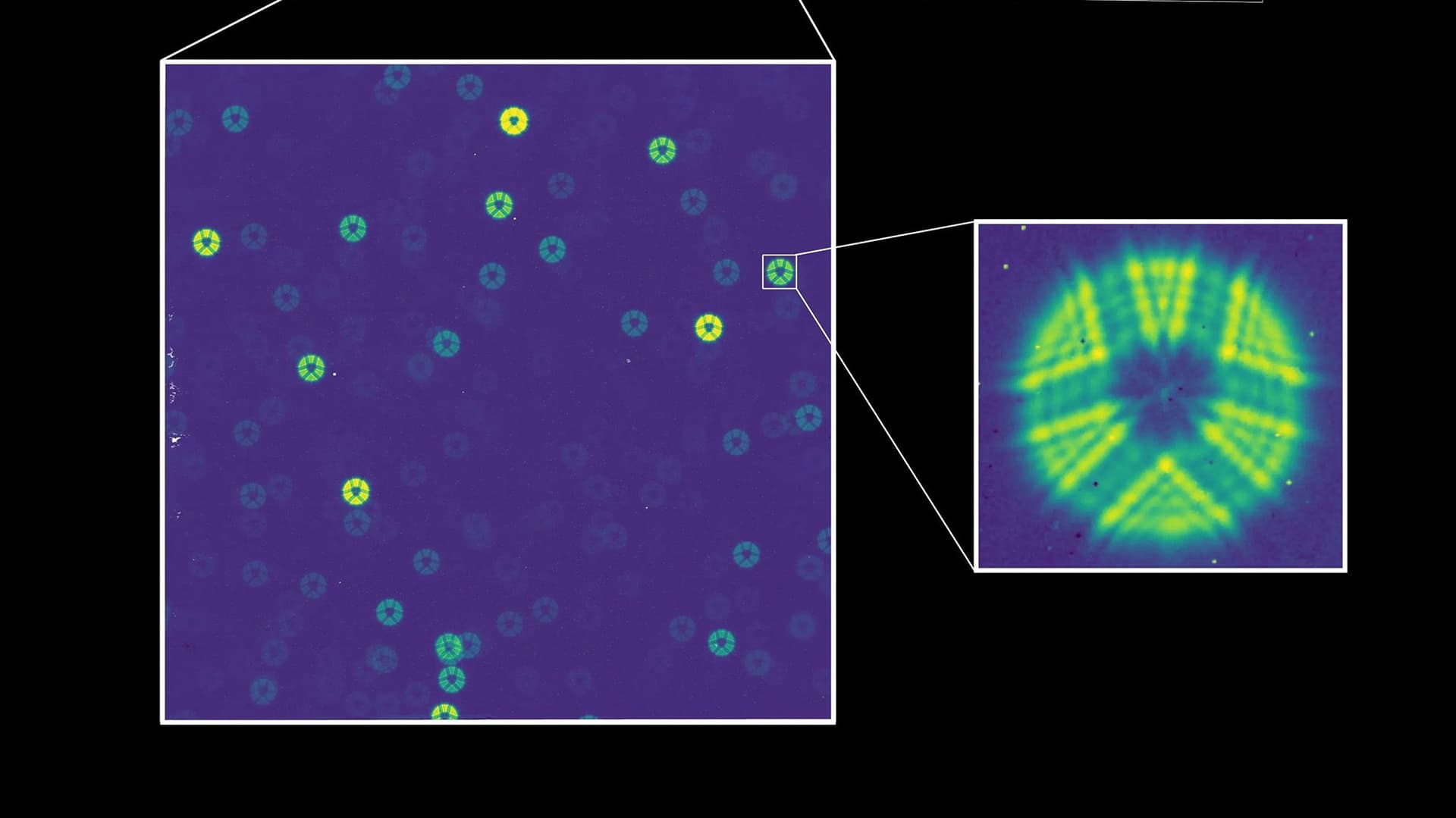
'We are on our way to groundbreaking science': Stars turn neon-green in first test image from NASA's Roman telescope — Space photo of the week
• NASA activated the Nancy Grace Roman Space Telescope's 300-megapixel camera for the first time this week to capture a debut test image. • The first image features stars appearing neon-green as part of the initial technical verification of the telescope's powerful imaging system.
Read original · livescience.com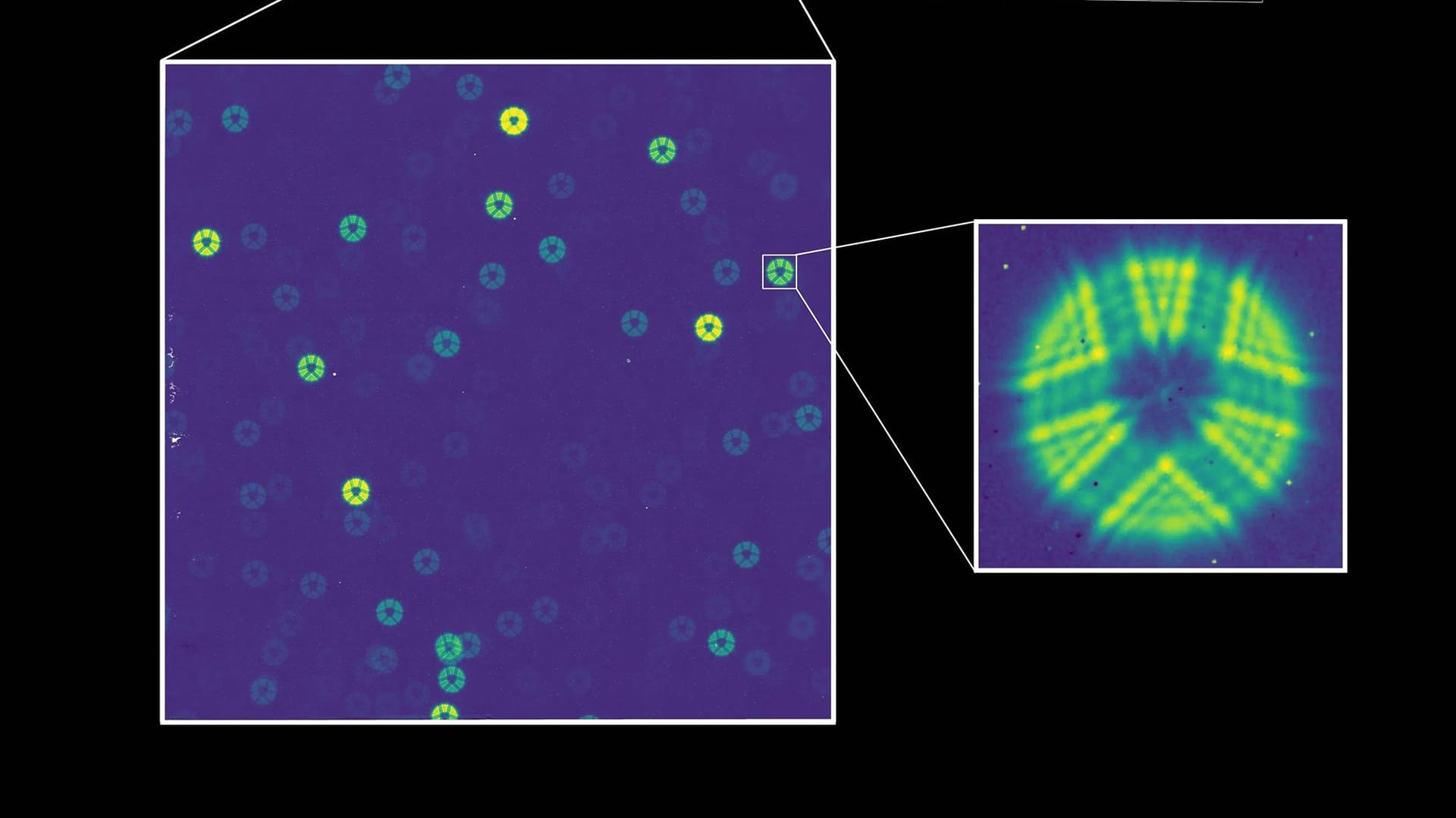 Live Science
NASA Field-Tests AI Fleet Capability for Science, Exploration - NASA Science
• NASA scientists and industry partners recently field-tested an artificial intelligence application using a fleet of three robots to simulate an independent science team. • The test assessed the robots' ability to work together autonomously to increase the efficiency of solar system exploration.
Read original · science.nasa.gov NASA Science
Science Snapshots: September 20, 2026 - The Hindu
• Researchers discovered that regular physical activity triggers epigenetic reprogramming, which is a process that changes how genes are expressed without altering the DNA sequence. • The study found that exercise preactivates natural killer cells and CD8+ T cells to more effectively identify and destroy abnormal cells.
Read original · thehindu.comSome household smoke alarms contain about 0.3 micrograms of americium, a radioactive element made in nuclear reactors. It was first produced in the 1940s and is now used in a device you can buy for around ten dollars - ScienceBlog.com
• Many household smoke alarms use americium, a radioactive element created in nuclear reactors, to detect smoke. • These devices typically contain about 0.3 micrograms of the element and can be purchased for around ten dollars.
Read original · scienceblog.com ScienceBlog
The First 3D Map of an Ovary Suggests a Hidden System Controls Egg Activation - NewsBreak
• Researchers developed the first 3D map of an ovary to study how and when oocytes, which are immature eggs, are activated. • The study findings were published in the journal Nature Aging.
Read original · newsbreak.comRussian Progress spacecraft delivers 3 tons of cargo to the ISS (video)
• Russia's Progress 96 spacecraft docked with the International Space Station on September 19. • The freighter delivered 3 tons of cargo and supplies to the orbiting laboratory at 9:44 a.m. ET.
Read original · space.com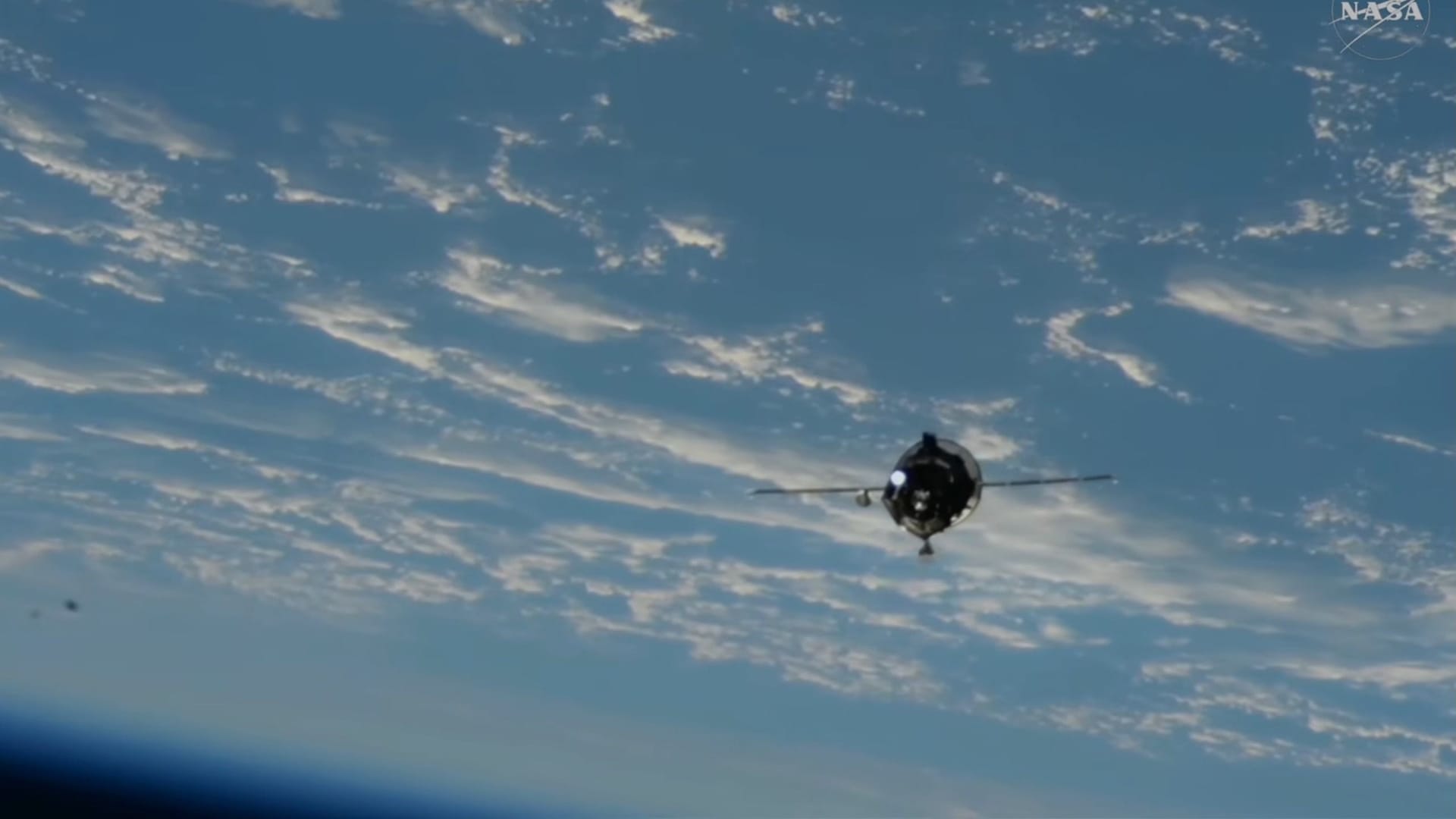 Space.com
King Tut’s Tomb May Hide Secret Chambers, Reviving a Search for Queen Nefertiti - NewsBreak
• In 1922, Howard Carter discovered the entrance to Tutankhamun's tomb, a significant discovery in Egyptian archaeology. • The tomb's discovery has led to a renewed search for Queen Nefertiti, with some believing she may be buried in secret chambers within King Tut's tomb.
Read original · newsbreak.com9-Million-Year-Old Capybara Tooth From Chile Hints at Unexpectedly Wet Conditions in the Ancient Atacama Desert - NewsBreak
• Researchers discovered a 9-million-year-old capybara tooth in Chile's Atacama Desert. • The presence of this semi-aquatic rodent suggests the region had unexpectedly wet conditions during that era.
Read original · newsbreak.com