Why the sleep industry has got us worrying about the wrong things

Many of us obsess over how much sleep we get each night, and the dangers to our health of not getting enough, but really, there is another way
Sources & Citations
1 sourceMore Stories
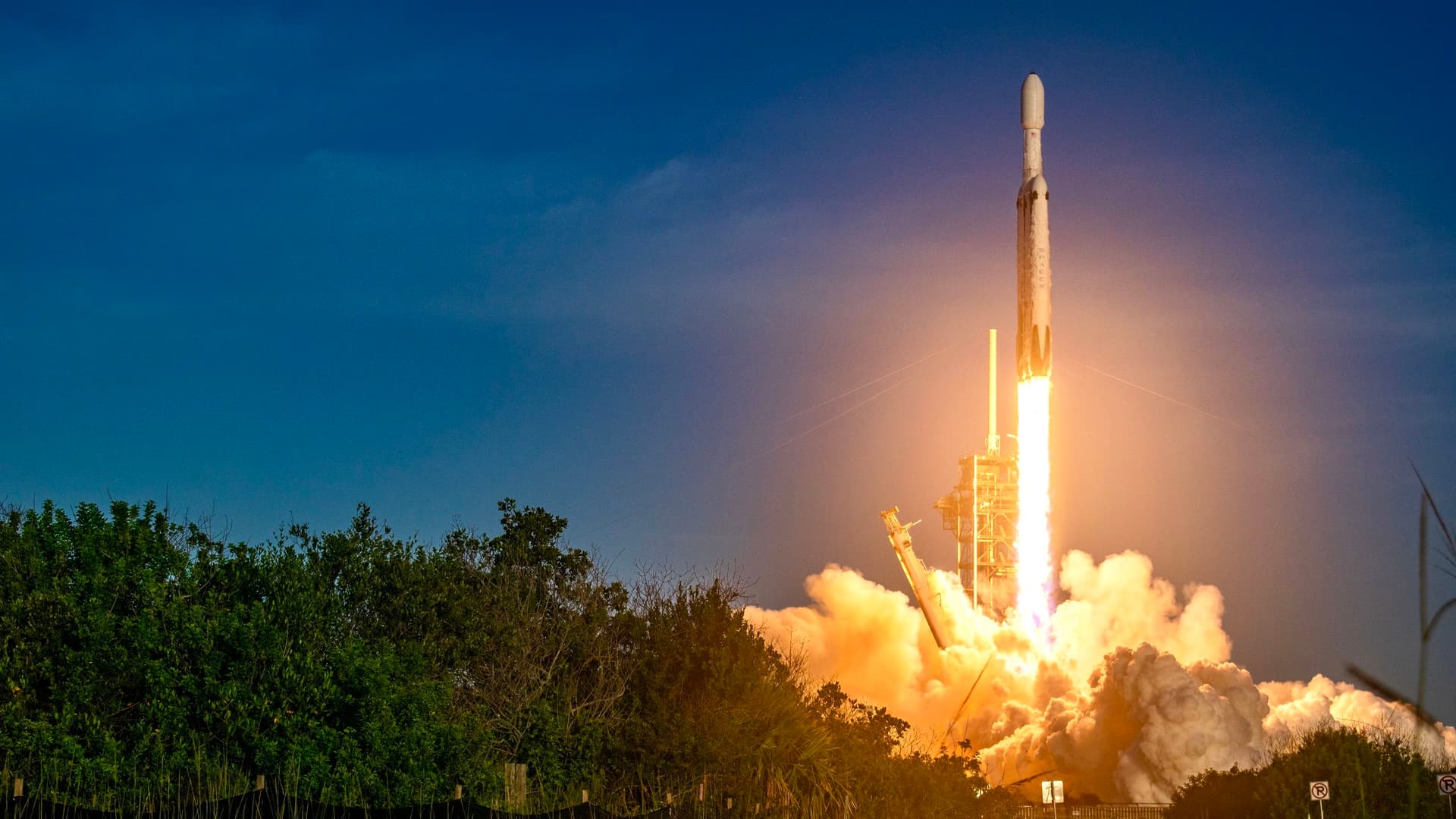
Roman Space Telescope launch updates: NASA, SpaceX celebrate & Trump calls in live during post-launch press conference
• NASA and SpaceX are preparing to launch the Nancy Grace Roman Space Telescope aboard a Falcon Heavy rocket. • The launch is currently scheduled to take place on August 30 at 7:26 a.m. ET.
Read original · space.com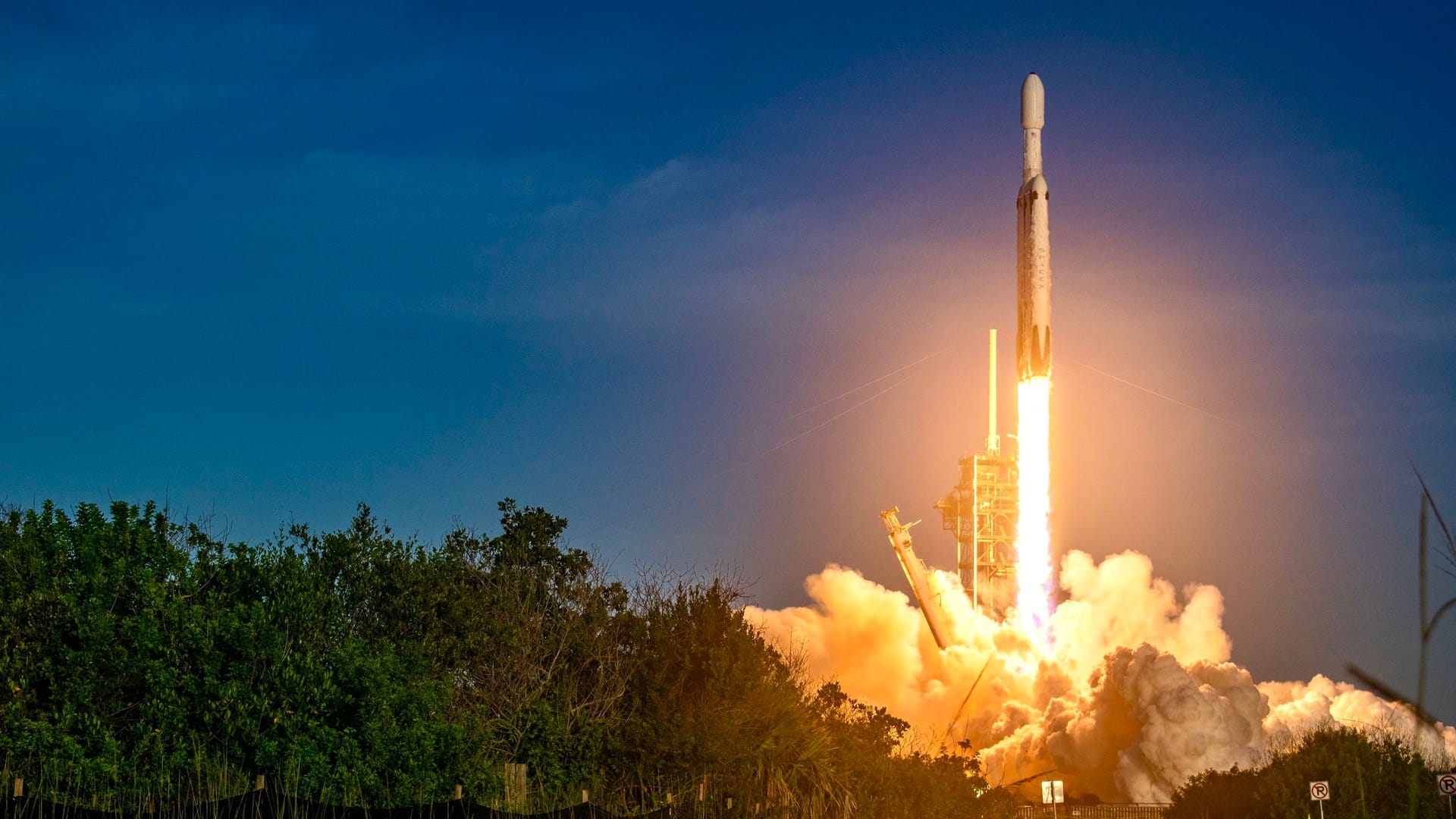 Space.com
'A glorious dawn launch': NASA's newest space telescope has left the Earth : NPR
• NASA has successfully launched its newest space telescope, a tour-bus-sized instrument designed to unravel cosmic mysteries. • The mission aims to identify more than 100,000 exoplanets beyond our solar system to expand our understanding of the universe.
Read original · npr.orgNASA Concludes Roman Space Telescope Launch Coverage
• NASA has concluded its live coverage following the successful launch of the Nancy Grace Roman Space Telescope via a SpaceX Falcon Heavy rocket. • The telescope successfully separated from the rocket's second stage, marking the start of its journey into space.
Read original · science.nasa.gov NASA Science
NASA’s Roman Space Telescope: Launch Updates
• NASA and SpaceX are targeting a liftoff for the Nancy Grace Roman Space Telescope at 7:26 a.m. EDT this Sunday. • The telescope will launch from Launch Complex 39A at the Kennedy Space Center in Florida aboard a SpaceX Falcon Heavy rocket.
Read original · science.nasa.govScience Snapshots: August 30, 2026 - The Hindu
• The August 30, 2026, edition of "Science Snapshots" highlights critical research regarding Betelgeuse's companion star, solar panel biodiversity impacts, and pediatric heat exposure. • New findings reveal a significant disparity in heat exposure, as most children live in tropical, low-latitude regions where temperatures are rising most intensely.
Read original · thehindu.comOn this day in space! Aug. 28, 1993: Galileo spacecraft flies by asteroid Ida on the way to Jupiter only to find a tiny moon!
• On August 28, 1993, NASA's Galileo spacecraft performed a flyby of the asteroid Ida while en route to Jupiter. • During the encounter, the spacecraft discovered Dactyl, a tiny moon orbiting the larger asteroid Ida.
Read original · space.com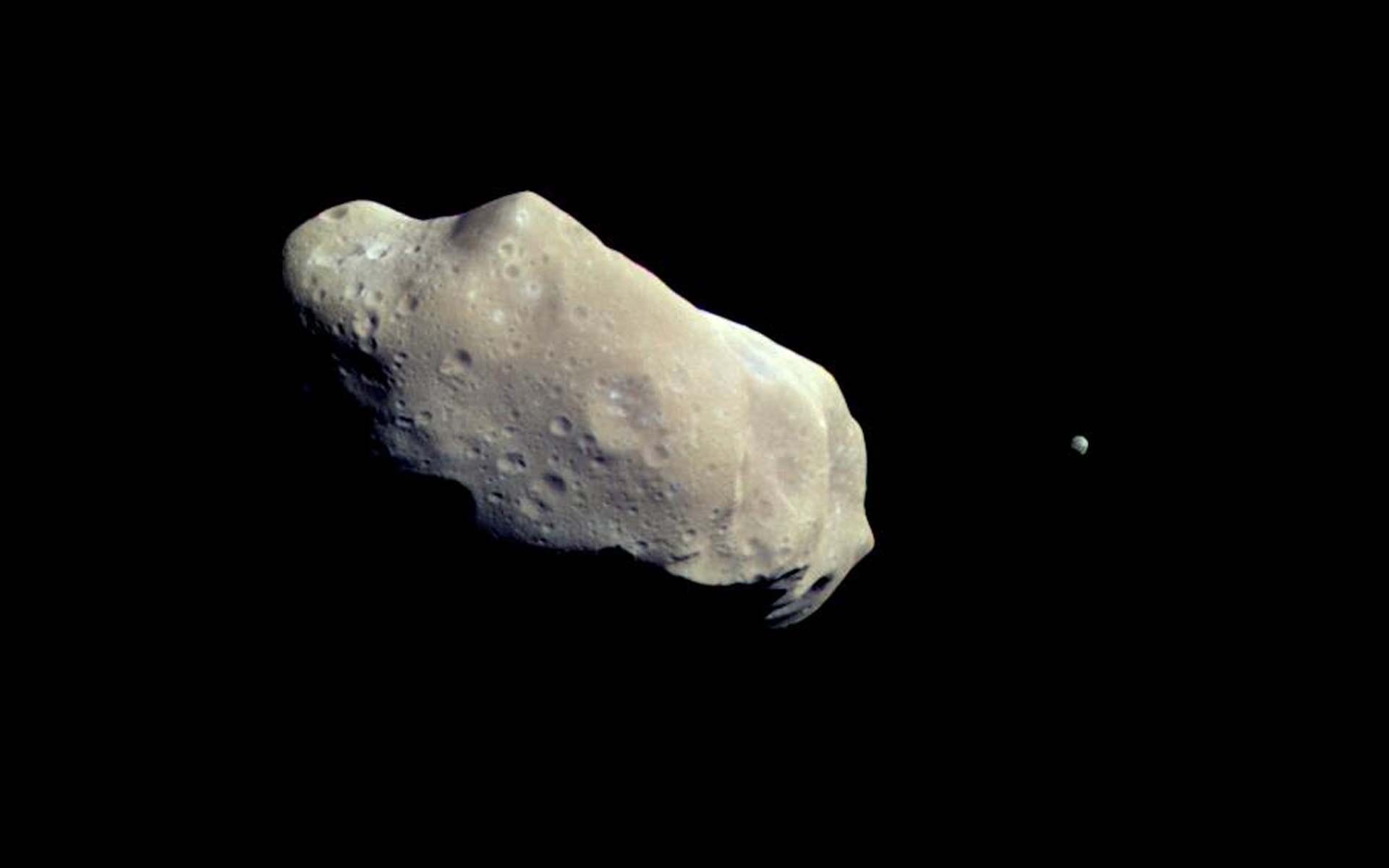 Space.com
Nasa space telescope set to launch after surviving Trump budget cuts | Nasa
• NASA is scheduled to launch the Roman space telescope this Sunday morning from Florida to search for exoplanets and study planet formation. • The mission survived previous budget cuts under the Trump administration and is designed to complement the work of the Hubble (1990) and Webb (2021) telescopes.
Read original · theguardian.com9 Things to Know About NASA’s Nancy Grace Roman Space Telescope - NASA Science
• NASA is scheduled to launch the Nancy Grace Roman Space Telescope at 7:26 a.m. EDT on Sunday, Aug. 30. • The flagship mission utilizes a large field of view combined with high-resolution infrared vision to scan expansive areas of the deep sky.
Read original · science.nasa.gov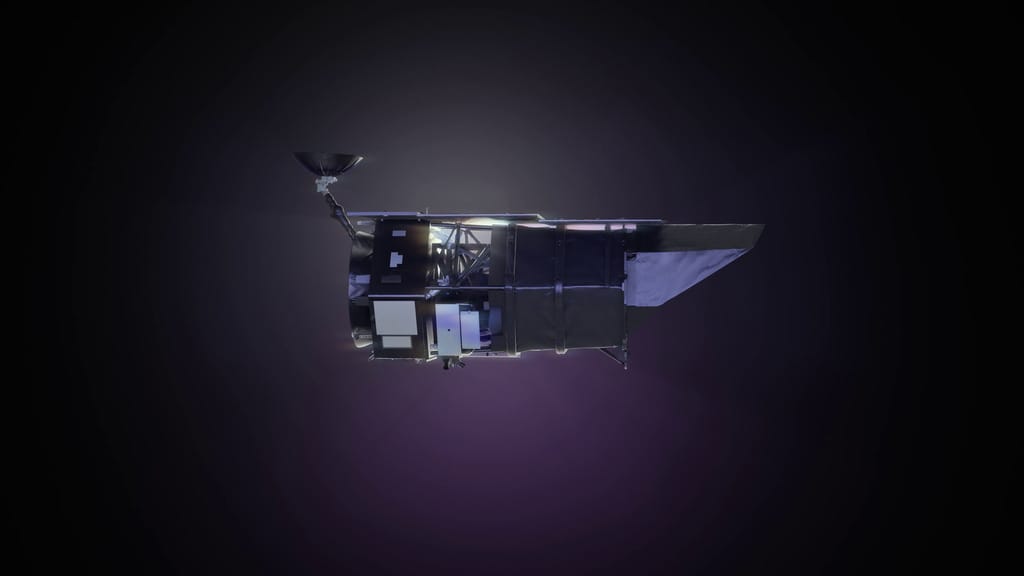 NASA Science
Meet “the Ultimate Climate Solution”
• A collaborative reporting effort by The Guardian, Agence France-Presse, and other CCNow partners has highlighted a global consensus on environmental policy. • Peer-reviewed studies and opinion surveys reveal that a supermajority of 80% to 89% of the world's population wants their governments to take more aggressive action against climate change.
Read original · newrepublic.com The New Republic
Top 10 Roman Space Telescope science breakthroughs
• NASA is preparing to launch the Roman Space Telescope, which is designed to provide a vast new window into the cosmos. • The telescope is expected to deliver a "data deluge," enabling scientists to achieve at least 10 major breakthroughs in astronomical understanding.
Read original · scientificamerican.com Scientific American
August 28, 2026 - Science Friday
• The August 28, 2026, episode of Science Friday explores the integration of AI in healthcare, specifically its role in transcribing patient visits, answering physician queries, and analyzing medical scans. • The program examines the balance between the efficiency benefits of medical AI and the potential risks associated with its implementation in clinical settings.
Read original · sciencefriday.com Science Friday
Nature News -- ScienceDaily
• Scientists investigating the origins of life have discovered evidence suggesting that the first free-living cells may have emerged on two separate occasions. • This research challenges previous assumptions about a single common ancestor, implying that life may share a more complex evolutionary history.
Read original · sciencedaily.com