Powered by AI with cited sources
Image: Popular Scienceβ’ The Artemis II crew completes its historic lunar flyby mission, with crew members returning to Earth on April 10 after traveling farther from Earth than any humans in decades. β’ During the mission, the crew captured unprecedented photographs of Earth passing behind the Moon and observed portions of the lunar surface never previously seen by human eyes. β’ The mission marks a major milestone in NASA's Artemis program, re-inspiring public interest in space exploration through iconic imagery showing Earth's perspective from unprecedented distances.
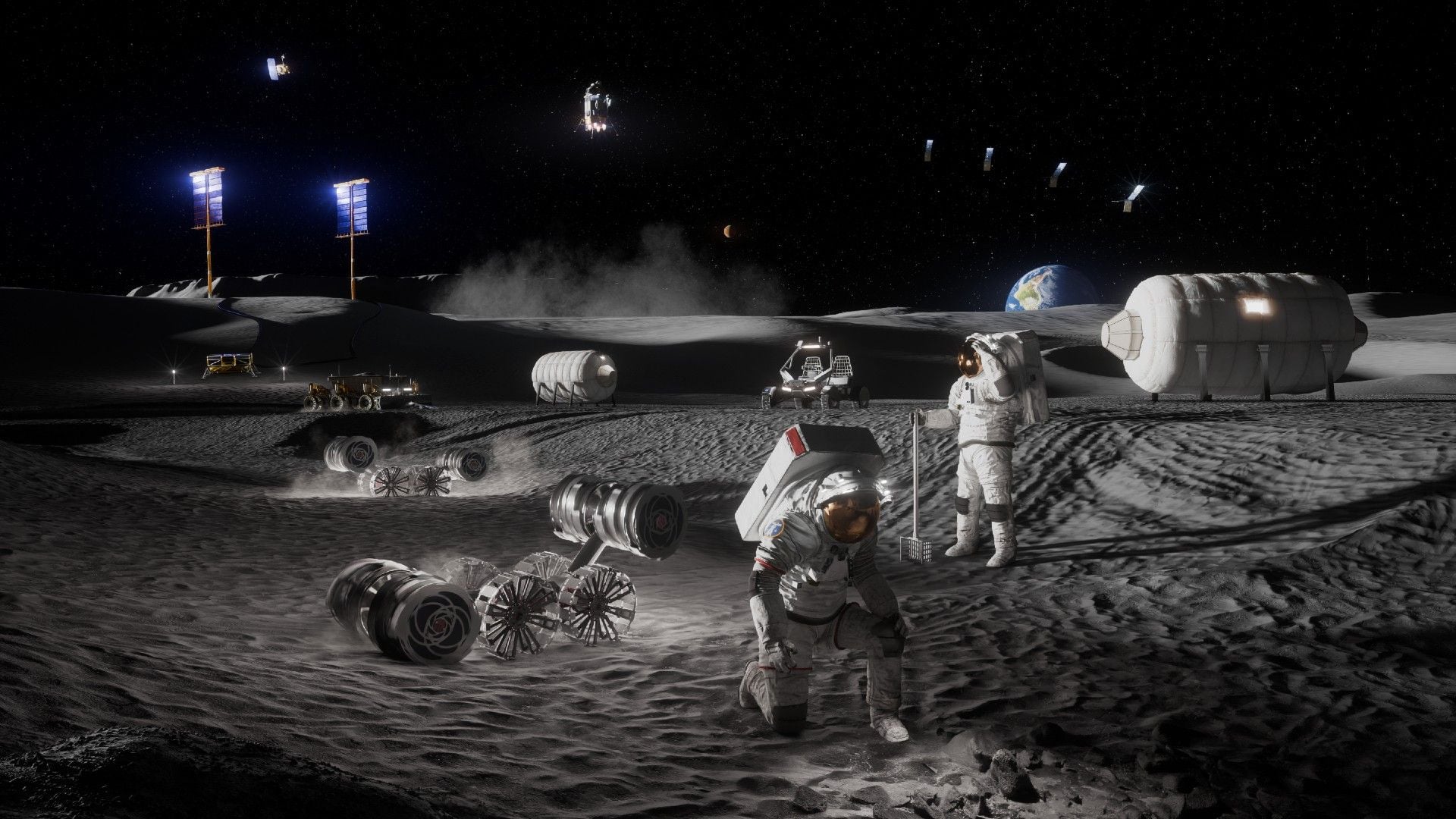
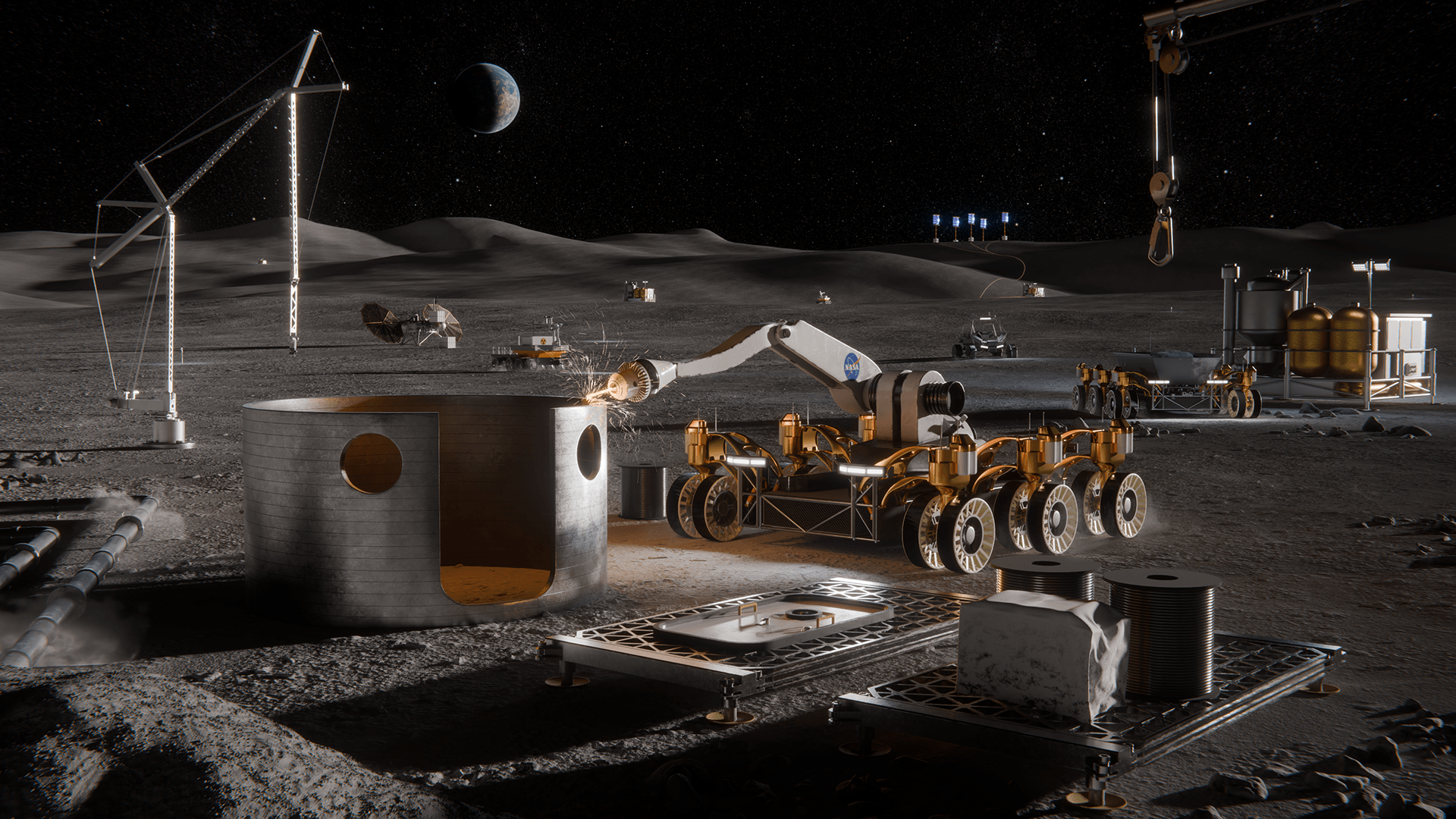
popsci.comβ’ NASA revealed a $20 billion fast-tracked initiative to establish a permanent moon base, with the rocket for astronaut lunar missions launching Wednesday. β’ The plan accelerates U.S. space exploration goals amid competition, building on Artemis program advancements for sustainable lunar presence. β’ This development matters for enabling long-term human spaceflight, resource utilization, and preparation for Mars missions.
abcnews.comβ’ NASA announced revisions to its lunar exploration plans, delaying the first crewed Artemis IV landing to early 2028 while pausing the Gateway lunar station to prioritize a surface base. β’ The International Space Station's retirement is postponed to the mid-2030s, with plans to add detachable modules for a future standalone station, facing pushback from private space firms. β’ NASA will launch Space Reactor-1 Freedom, a nuclear engine demonstration to Mars, scheduled for December 2028 to test advanced propulsion.
aip.org
Image: NASAβ’ NASA announced an accelerated timeline for America's return to the lunar surface, with Artemis 4 lunar landing attempts beginning in 2028. β’ The National Space Policy implementation includes preparations for establishing a moon base and increased mission cadence under NASA Administrator Jared Isaacman's leadership. β’ This ambitious plan reflects commitment to sustained lunar exploration and positions the United States to never relinquish moon dominance while advancing toward Mars missions.
nasa.gov