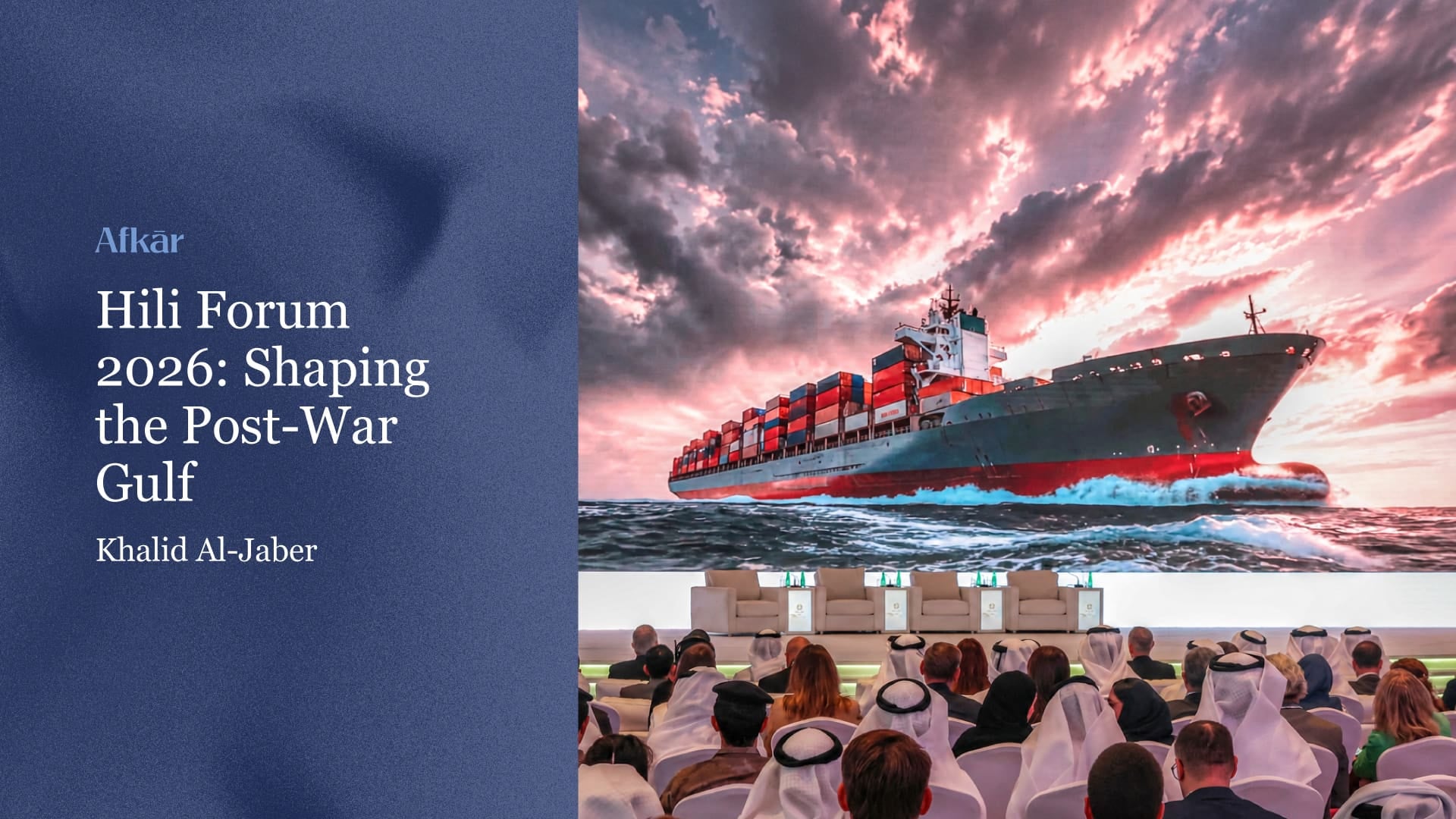
• Türkiye is leveraging regional crises, specifically the conflict between Iran, Israel, and the U.S., to re-establish its presence and influence on the global stage.
• The nation is utilizing its strengths in the defense industry, energy sector, infrastructure, and multidimensional diplomacy to turn geopolitical instability into strategic opportunities.
• While the ongoing regional tensions have not overturned the global balance of power, they have profoundly shifted the geopolitical landscape of the Middle East.
• Startups across Africa and the Middle East raised a total of $336.7 million during Week 26.
• The funding period was dominated by a single massive $260 million raise by Dream, which overshadowed other regional deals.
• Despite the outlier, investors continued to target diverse sectors including fintech, electric mobility, climate tech, AI, and cybersecurity.
• A fragile lull in hostilities has been observed in southern Lebanon since Tuesday, with UN peacekeepers reporting no new airstrikes or missile fire.
• Despite the pause, tensions remain high as Israeli drones continue to operate over the region and ground military operations persist.
• UN Secretary-General António Guterres and official Dominguez have highlighted the severe human cost of the conflict, specifically the risk to seafarers in the Strait of Hormuz.
• The ongoing conflict between Israel and the US-Iran axis has disrupted oil and gas supplies across the Middle East.
• These disruptions are driving energy price increases, which may lead to higher inflation and reduced GDP growth within the UK.
• The severity of the economic shock depends largely on overseas geopolitical decisions and the resulting stability of global energy markets.
The late night host slammed the US peace deal with Iran, discussed JD Vance’s snub by leaders and the ‘Mountain Dew green’ reflecting poolOn Monday night, Jon Stewart addressed Donald Trump turning DC’s reflecting pool “Mountain Dew green”, his blundered Iran peace deal and wasting US taxpayer money. Continue reading...
The Iranian ambassador to the UN in Geneva described Israeli attacks on Lebanon as a red line in negotiationsHello and welcome to our live blog of the Middle East.The Iranian ambassador to the UN in Geneva has just warned that Tehran’s red line in negotiations with Washington is that Israel will cease attacks on Lebanon, including the capital of Beirut. The ambassador added that Iran “will respond” if Israel violates the memorandum of understanding established on Thursday in any way, including with attacks on Lebanon and Iran-backed militant group Hezbollah.JD Vance said the talks with Iran created a “good foundation for a successful final deal” to end the war. “The final deal is the house,” the US vice-president told reporters. “We set the foundation. We haven’t built the house, but we’ve laid a successful foundation to get to a good place for the American people.”When asked how soon IAEA inspectors could come to Iran, JD Vance said nuclear inspectors were called at 2am last night – but no one picked up the call. “As you can expect, not many people are answering their phone at two in the morning,” the vice president said.US secretary of state Marco Rubio will begin a trip to three Gulf countries on Tuesday amid negotiations with Iran to end the war in the Middle East, his spokesperson said. Visiting the United Arab Emirates, Kuwait and Bahrain, Rubio will discuss “the memorandum of understanding with Iran, efforts to secure full and free safe transit through the strait of Hormuz, and the importance of peace and stability in the region,” state department spokesman Tommy Pigott said in a statement.Tehran did not negotiate on its nuclear programme and did not accept any new commitments in Sunday’s talks with the US in Switzerland, foreign ministry spokesperson Esmaeil Baghaei told the official IRNA news agency on Monday. Iran’s interaction with the International Atomic Energy Agency (IAEA) will continue in accordance with current procedures, subject to the approval of Iran’s parliament and the decisions of the Supreme National Security Council, Baghaei added. Continue reading...
Negotiations due to continue for rest of week in Switzerland after tense start as Iranians protest against threat from Donald TrumpIran hails ‘progress’ as first day of talks with US conclude after shaky startThe first round of face-to-face talks between the US and Iran ended in Switzerland on Monday, mediators said, after a tense opening marked by Tehran saying it had again closed the strait of Hormuz and Donald Trump repeating his threats to resume attacks on Iran.Mediators Qatar and Pakistan said Washington and Tehran agreed to a roadmap towards a final deal within 60 days and that technical talks would continue for the rest of the week in the Swiss mountain resort of Buergenstock.The talks had a tense start, with Iranian negotiators walking out in protest against Trump’s threats. Iranian state media said the talks had entered a “difficult phase” and recessed after the “publication of an insulting message by the US president”. But high-level negotiations continued before concluding in the early hours of Monday, with Pakistan and Qatar saying technical talks between the two sides would continue for the rest of the week.After Trump’s threats became public, the Iranian delegation refused to return to the room where talks were held, though messages were still being traded via Pakistani and Qatari mediators, according to Iran’s Tasnim news agency.Iranian foreign minister Abbas Araghchi said on social media his country had secured waivers for oil and petrochemical exports, the release of some frozen assets and the launch of a reconstruction and development plan for Iran. The US did not immediately comment on the claims.Iran said at the weekend that it had again stopped maritime traffic through the Hormuz strait, in response to continuing fighting in Lebanon between Hezbollah and Israel, and that Sunday’s talks would not cover substantive issues such as Iran’s nuclear program.In Switzerland, US vice-president JD Vance played down the impact of the violence in Lebanon, saying progress had been made towards ending hostilities there. “These things are always a little bit messy,” said Vance, leading the American delegation.In the US, Trump threatened to resume attacks on Iran if it did not rein in its allies. “Iran must immediately stop their highly paid PROXIES in Lebanon from causing trouble,” Trump said on social media, apparently referring to Hezbollah. “If they don’t, we’ll hit Iran very hard again, just like we did last week, only harder!!!”Despite Trump’s threats, Vance told reporters the US president had “asked us to turn over a new leaf to transform our relationship with the people of Iran”.Five vessels passed the strait on Sunday, a sharp drop from the 26 ships spotted a day earlier, data from analytics firm Kpler showed. The data may exclude vessels that switch off their transponders while travelling in the Gulf.Sunday appeared to be the quietest day in Lebanon for some time, with no reports of major violence by nightfall, after two days of heavy Israeli strikes, which killed many people including civilians, and fire from Hezbollah fighters on Israeli positions. Reuters journalists in southern Lebanon on Sunday saw some of the heaviest traffic since the memorandum of understanding was signed, with residents returning to their homes, some waving Hezbollah flags.With news agencies Continue reading...
Iran says decision comes after waves of Israeli strikes in Lebanon, as delegations arrive as Swiss resort for talksIran says it is closing strait of Hormuz over Israeli strikes in LebanonIran said on Sunday that the ongoing conflict in Lebanon between Israel and militant group Hezbollah will top the agenda in talks with the US in Switzerland, as well as issues such as frozen Iranian funds and the sale of the country’s oil.“The Zionist regime continues to violate its commitment in Lebanon, this issue will be the main topic of discussion in today’s talks,” foreign ministry spokesperson Esmaeil Baqaei said in a video shared by IRNA state news agency. Continue reading...
IDF claims continuing strikes come after Iran-backed group repeatedly violated ceasefire; JD Vance cancels trip as US-Iran talks set for Friday cancelledUS-Iran talks in Switzerland abruptly called offJD Vance tells Iran deal critics in Israel: Trump is your only ally left in the worldWelcome to our continuing live coverage of events in the Middle East.Israel’s military says it is attacking Hezbollah in several areas across southern Lebanon and has been striking throughout Thursday night.Vance lashed out at Israeli critics of the Iran deal, saying Donald Trump was Israel’s only ally left in the world, in a sharp rebuke that referenced the billions in defence aid the country receives from America. Trump “is the only head of state in the entire world who is sympathetic to the nation of Israel at this moment in time”, Vance told reporters.Trump said the US expected “a complete ceasefire on all fronts, including Lebanon, Hezbollah and Israel”, adding in a social media post: “We encourage everyone in the Middle East Region to maintain their commitment to allowing our negotiations to beautifully unfold.”Iran’s supreme leader said he approved the deal with the US despite having a “different view”, without elaborating. Ayatollah Mojtaba Khamenei said in message read on state television: “In principle, I had a different view [about the memorandum of understanding], but I issued my permission due to the commitment that the honourable [Iranian] president, as the chairman of the Supreme National Security Council, gave me on behalf of himself and other members to protect the rights of the Iranian nation and the resistance front.”In Khamenei’s message on Thursday – his first reaction to the Iran-US deal – he claimed Trump had “used all kinds of levers” to secure the deal “out of desperation”. The US president has claimed the agreement is a victory for Washington and averts a “worldwide depression”.Iran announced plans to introduce a system of maritime fees in the strait of Hormuz after the 60-day period of negotiation triggered by the signing of the memorandum of understanding with the US. Tehran, claiming a historic victory over the US, said the strait was under its control and a European plan for a naval mission to escort ships though the vital waterway would not be welcome, reports Patrick Wintour.Vance said the 60-day period in which to reach a final agreement with Iran started on Thursday. That would set a deadline for the final agreement between Iran and the US as 17 August.US Central Command ended its blockade in the Hormuz strait, it announced on social media. The US naval blockade of the strait had been in effect since 13 April, with control of the waterway being a key point of conflict in the war. Marine Traffic data showed that at least seven ships had crossed the strait on Thursday.The US would restart military action and reimpose a blockade against Iran if it did not fulfil its commitments under the signed agreement, US defence secretary Pete Hegseth said at a meeting with Nato defence ministers in Brussels.Khamenei said in his message that he received assurances from Pezeshkian about the deal and that it would not be accepted “if the American side wants to make excessive demands”. “It is obvious that the face-to-face negotiations that will be held in the future will not mean accepting the enemy’s point of view,” he added.Pakistan’s foreign ministry said the agreement’s signing ceremony in Switzerland, which was due to take place on Friday, was cancelled as it is understood that the memorandum of understanding between the US and Iran has already been signed remotely.EU foreign policy chief Kaja Kallas said she was representing the bloc’s position on the Middle East, after Israel announced it was severing diplomatic relations over allegations she had compared the country to apartheid South Africa. Continue reading...
• Mastercard's Cyber Pulse Report 2026 reveals a 13% overall increase in cyberattacks across Eastern Europe, the Middle East, and Africa (EEMEA) over the past year.
• The report highlights a dramatic 198% spike in cyber threats specifically triggered by ongoing conflicts in the Middle East.
• This surge is attributed to the involvement of state-linked actors and the deployment of increasingly sophisticated attack methods, creating a more volatile digital landscape.
Sellers of luxury villas have wiped tens of millions of pounds off asking prices, with sales down 19% in May from the previous monthProperty sales in Dubai have fallen “off a cliff”, a leading market watcher has said, after war in the Middle East forced a dramatic slowdown in one of the world’s most expensive real estate markets.Sales in the city dropped 19% in May compared with the previous month, accelerating from a 4% drop in April, the researcher ValuStrat found. Continue reading...
Chief Iranian negotiator says key waterway will ‘not return to prewar conditions’ after 60-day window; both sides sign memorandum of understanding extending truceReaction: Donald Trump’s Iran deal met with anger, relief and incredulityAnalysis: Trump’s Iran deal is result of unrealistic ambitions for an untenable warPakistani prime minister Shehbaz Sharif said earlier in the day that the agreement between the US and Iran agreement was taking “immediate effect” after being signed by both sides.He said on social media that “as a first step, Islamic Republic of Iran will instantly reopen the Strait of Hormuz and the United States of America will immediately lift the naval blockade”. Continue reading...
Israel’s continued military operation in southern Lebanon puts at risk the agreement reached between Iran and the US on SundayFull report: Iran says peace deal dependent on Israel’s withdrawal from LebanonAnalysis: Where does Iran deal leave US-Israel relationship?Hello and welcome to the Guardian’s live coverage of the crisis in the Middle East.Iran’s military has threatened to respond to Israel after strikes in southern Lebanon killed four people, despite an agreement being reached between Tehran and Washington to end the Middle East war, including in Lebanon.A US-Iran deal aimed at ending the Middle East war will be signed at Switzerland’s mountainside Burgenstock resort on Friday, the Swiss foreign ministry confirmed to AFP. The site, located near Lucerne in central Switzerland, is difficult to access and therefore easily secured. It “was proposed by the Pakistani and Qatari mediators, as well as by the US and Iran”, Switzerland’s foreign ministry said.Two months of final negotiations will begin immediately after the initial deal between the US and Iran is signed. Negotiations will continue for a 60-day window after the ceremony, officials told AFP, leading to a plan for the lifting of economic sanctions and decisions on the fate of Iran’s nuclear programme.Trump said that he would send the deal with Iran to the US Congress for a review. “I like the idea, send it to Congress please,” he said at the start of a meeting with the UAE president Sheikh Mohammed bin Zayed Al Nahyan on the sidelines of the G7 summit. “I mean who wouldn’t approve it.”Speaking at the G7, Trump has said the strait of Hormuz will be open by Friday and that the full text of the peace deal will be released in a “formal setting”. Trump also said he expects the “second stage” of the deal “to go quickly”.The US will allow Iran to immediately start selling oil and fuel again as part of the deal to end the war, the Wall Street Journal reported, citing sources familiar with the matter. Iran can only sell oil if they keep to the terms of the deal, as US official told Reuters. It includes the free flow of navigation in the strait of Hormuz and not obtaining an nuclear weapon.An Iranian deputy foreign minister said the two-month US naval blockade on Iranian ports had been lifted ahead of the planned formal signing of a deal ending the war. “The lifting of the blockade was something we had emphasised from the outset. It has now begun, and the blockade has been lifted prior to the formal signing” scheduled for Friday, said Iranian deputy foreign minister Majid Takht-Ravanchi, according to the government’s website.Qatar, a key mediator between the US and Iran, said it believed the framework peace agreement could deliver security to the Middle East. “We are cautiously optimistic that the signing of the memorandum of understanding will lead to the next phase of regional security through the talks that will take place on the nuclear programme and on other issues,” foreign ministry spokesperson Majed Al Ansari told reporters in Doha, as he praised Pakistan’s mediation efforts. Continue reading...
• The United States is facing a critical need to transform its military role and operational strategies in response to the ongoing conflict involving Iran.
• To adapt, the U.S. defense industrial base must accelerate innovation and collaborate with trusted international partners to develop and co-produce advanced weaponry.
• This shift is essential because current military capabilities and production speeds may not meet the high-intensity demands of future warfare in the Middle East.
• The author argues that Turkey and Israel are the primary hegemonic aspirants in the Middle East, predicting an eventual collision between the two as Iranian power collapses.
• A potential conflict would likely expand beyond the Middle East, impacting Greece, Cyprus, and broader European stability.
• The analysis suggests that the U.S. must prioritize conflict management to prevent intra-alliance warfare and ensure the continued freedom of navigation and energy development.
Governor Michele Bullock delivers a strong message after the Reserve Bank holds the cash rate at 4.35%, ending a run of three risesRBA interest rates: Reserve Bank holds official cash rate at 4.35%Get our breaking news email, free app or daily news podcastIt will take more than a ceasefire in the Middle East to prevent the Reserve Bank from hiking interest rates again.That was the strong message from the RBA governor, Michele Bullock, after the central bank held its cash rate at 4.35%, putting an end to a run of three increases. Continue reading...
The US president says Iran will not obtain nuclear weapons, ‘which is what it was all about’. Plus, how AI could help botanists combat the extinction risk to rare plantsGood morning. Donald Trump has declared the strait of Hormuz will be “completely open” from Friday. “The deal’s all signed. And the strait is already partially opened,” the US president said as he arrived at the G7 summit in France.“I think a lot of great things are going to happen in the Middle East. And very importantly, the oil is plummeting down and the stock market is shooting up like a rocket today,” Trump said. “The main thing is that Iran will not have a nuclear weapon. They fully agreed to that with strong policing powers, and they won’t have a nuclear weapon, which is what it was all about.”What is the reaction in Israel? Analysts have pointed out that none of Benjamin Netanyahu’s promises at the beginning of the war – regime change in Tehran and the destruction of Iran’s nuclear programme – have been fulfilled. The Israeli prime minister did not denounce the deal, but distanced himself from the negotiations and said Israel would not leave the territory it was occupying in Lebanon.What else is on the agenda at the G7 summit? The G7 will seek to shore up waning US support for Ukraine, with the UK’s prime minister, Keir Starmer, vowing to “choke off” Russian revenue with further sanctions and provide hundreds of millions of pounds’ worth of energy support for Ukraine.What do experts say may have caused the crash? Jeff Guzzetti, an aviation safety expert, suspected a flight-control malfunction caused the crash, given how quickly the plane went down after takeoff. He noted that testing new equipment on a 70-year-old aircraft inherently heightened risks. “I think it was definitely a controllability issue,” he said. Continue reading...
The US vice-president also said nuclear inspectors would return to Iran as part of the deal with Washington to end the warFull report: Trump declares deal ‘all signed’ as G7 leaders try to tie loose endsHello and welcome to the Guardian’s continuing coverage of the US-Israel war on Iran ahead of the expected signing of the framework peace deal in a couple of days. America’s memorandum of understanding (MOU) with Iran is “a very general document”, the US vice-president, JD Vance, has said, adding that specifics of the deal will be worked out during further negotiations.With a memorandum of understanding between the US and Iran signed, Trump said the strait of Hormuz “will be completely open” by Friday. A signing ceremony is scheduled to take place on Friday in Geneva, which Trump said he will probably not attend.The deal included a ceasefire in Lebanon but did not provide for a withdrawal of Israeli troops from areas that they occupied. Lebanon’s prime minister Nawaf Salam has said diplomatic efforts with the US are continuing in order to achieve the full withdrawal of Israeli troops from territory in southern Lebanon.However, in his first public address after the deal signing, Israeli prime minister Benjamin Netanyahu said that Israeli forces will also remain in Gaza, Lebanon and Syria “for as long as necessary”. He also announced he would be running for relection.Hezbollah has welcomed the memorandum of understanding between the US and Iran, saying it had resulted in a comprehensive ceasefire across all fronts, including Lebanon. In a written statement, the Tehran-backed militant group warned Israel that it would not accept any attacks that violate Lebanon’s sovereignty or targeted its people. It said Lebanon’s inclusion in the agreement reflected Iran’s commitment to ending the war. Continue reading...
• Zee Entertainment has officially acquired the broadcasting rights for the FIFA World Cup 2026 in India.
• The deal ensures that Indian football fans can access all tournament matches through a variety of television and mobile platforms.
• This announcement ends weeks of speculation regarding which network would secure the rights to the global event.
Prime minister flags an announcement following deliberations of cabinet’s expenditure review committeeAnthony Albanese has signalled the federal government is open to extending the temporary cut to the fuel excise to help cushion motorists from a months-long tail to the Middle East conflict.The prime minister also welcomed the announcement of a peace deal between the US and Iran to end the war and reopen the strait of Hormuz. Continue reading...
Deal could see strait of Hormuz immediately ‘open to all’, but Trump says US retains the ‘ultimate alternative’ if talks failHello and welcome to the Guardian’s continuing coverage of the crisis in the Middle East.Peace talks between the US and Iran grind on with Donald Trump on Saturday saying the US is set to sign a new agreement with Iran today, and claiming the deal would prevent Tehran from obtaining a nuclear weapon, while reopening the strait of Hormuz to international shipping.Pakistan’s prime minister, Shehbaz Sharif, said on Saturday Islamabad was preparing for an electronic signing within 24 hours to be followed by technical-level talks next week. “We are closer to a peace deal than ever before,” Sharif wrote on social media.But an Iranian foreign ministry spokesperson, Esmaeil Baghaei, counselled caution. “We will have to wait and see about the exact date of the signing of the memorandum of understanding, although it will not be tomorrow,” Baghaei was quoted as saying. “The possibility of this happening in the coming days cannot be ruled out.”Pro-government night-time rallies continue across Iran, and have now been held for more than 100 nights, with some people protesting an agreement with the US. A resident in the north-eastern city of Mashhad told Reuters in Dubai that some protesters chanted: “Death to the compromiser,” in an apparent reference to the foreign minister Abbas Araqchi.Meanwhile, Trump discussed the efforts to end the Iran conflict in a call with the British prime minister, Keir Starmer, Downing Street said on Saturday. Continue reading...
• Organizations shifted their focus in Q1 2026 from simply pursuing AI scale to prioritizing AI execution and operational readiness.
• The primary challenge has evolved into whether companies possess the specific tools and skills required to scale AI technologies successfully.
• This shift matters because leaders are now concerned with maintaining agility, security, and operational independence over the next five to ten years.
• Asia-Pacific stock markets climbed significantly following signals from Donald Trump regarding a potential peace deal to resolve conflicts in the Middle East.
• Major indices saw substantial gains, including South Korea’s KOSPI soaring 7.79% to 8,369.10, Australia’s ASX 200 rising 1.95% to 8,801.50, and China's SSEC surging 1.31% to 4,039.26.
• The rally reflects a positive investor reaction to the prospect of easing geopolitical tensions, which typically reduces market volatility and risk.
• Analyst James Dorsey reported on June 12, 2026, that while negotiations between Iran and the U.S. may be possible, deep strategic disputes persist.
• Regional actors, including Israel, Gulf states, Hezbollah, and the Houthis, continue to influence the conflict's trajectory based on their own priorities.
• Experts warn that any viable diplomatic agreement must move beyond nuclear concerns to address missile development, maritime security, and proxy warfare.
US president says ‘great settlement’ reached but Iranian spokesman says there has been no final conclusionFull report: Trump claims US and Iran on verge of signing peace agreementHello and welcome to the Guardian’s continuing coverage of the crisis in the Middle East.Iran’s foreign ministry has contradicted claims from Donald Trump that a peace deal between Washington and Tehran could be signed as soon as this weekend.Trump said he was cancelling a third day of US airstrikes and bombings that he had earlier said would happen because “discussions” with Iran “have been brought to the highest level of Iranian leadership and approved”. He also said on social media: “Discussions and final points have been, in both concept and great detail, approved by all parties involved, including the United States, Israel, Saudi Arabia, UAE, Qatar, Turkey, Pakistan, Bahrain, Kuwait, Jordan, Egypt, and others.”Israel, however, said it was “not a party to” what prime minister Benjamin Netanyahu’s office described as an emerging memorandum of understanding between the US and Iran. But the office said Netanyahu had spoken with Trump and that the final agreement at the conclusion of negotiations would include the removal of enriched material, the dismantling of enrichment infrastructure, limits on missile production, and the cessation of Iran’s support for its terrorist proxies in the region – measures that have been red lines for Iran in the past.The strait of Hormuz would open “as soon as we sign” the documents of the “great settlement” reached with Iran, Trump said. “The whole Middle East is happy.”Iranian media said the country’s forces had stopped a “violating tanker” from entering the strait of Hormuz. The report from the Fars news agency – closely linked to Iran’s Revolutionary Guards – came shortly after the sound of explosions were reportedly heard near the port city of Bandar Abbas.Trump had earlier posted on social media that the US would seize Iran’s Kharg Island “in the not too distant future”, but later said the seizure would be off the table “if we sign this agreement”.The price of oil rose after Trump threatened a “very hard” attack on Iran, but plunged hours later after he said he was cancelling the strikes. US West Texas Intermediate crude futures fell 1.9% to $86.08 a barrel, on top of a 2.6% drop overnight, and Brent dropped 1.5% to $89.08 a barrel, having fallen nearly 3% overnight. Asian stocks joined a global rally, with South Korea’s Kospi surging 7.4% and Japan’s Nikkei up 2.7%.A strike wounded 10 staff members of a hospital in the Lebanese city of Tyre on Thursday, the facility’s director told the AFP news agency, as Israeli raids continued in the country’s south. All three of the historic city’s hospitals have been hit since the start of the latest war between Iran-backed militant group Hezbollah and Israel in early March.India’s government voiced a “strong protest” after three Indian seafarers were killed in US military strikes against oil tankers travelling through the strait of Hormuz. Continue reading...
Green surge in local elections and recent polling of Labour members may cause government to toughen stance on IsraelUK politics live – latest updatesMiddle East crisis – live updatesPro-Palestine activists believe there could be a “sea change” in the Labour party’s approach to the crisis in the Middle East which could result in the government taking a tougher stance on Israel.Campaigners have pointed to the threat posed to Labour by the Green surge in the local elections, the likely departure of Keir Starmer from No 10, and new polling which shows an appetite among Labour members for a ban on all arms shipments to Israel. Continue reading...
• The UN Peacebuilding Fund has approved $4.8 million for a new program targeting central Mali.
• The initiative aims to strengthen local institutions and communities in regions severely impacted by violent extremism.
• Implementation will be carried out through a partnership between the UN Development Programme, UN-Women, and the UN Office on Drugs and Crime and terrorism.
• President Donald Trump has implemented a new "action-based" strategy in the Middle East aimed at achieving tangible results through direct engagement and accountability.
• The U.S. is supporting the Syrian government's efforts to counter terrorism, eliminate chemical weapons, stop drug trafficking, and secure humanitarian aid for its citizens.
• Special Presidential Envoy Tom Barrack is leading diplomatic efforts to promote engagement between various regional parties, specifically focusing on Syria and Israel.
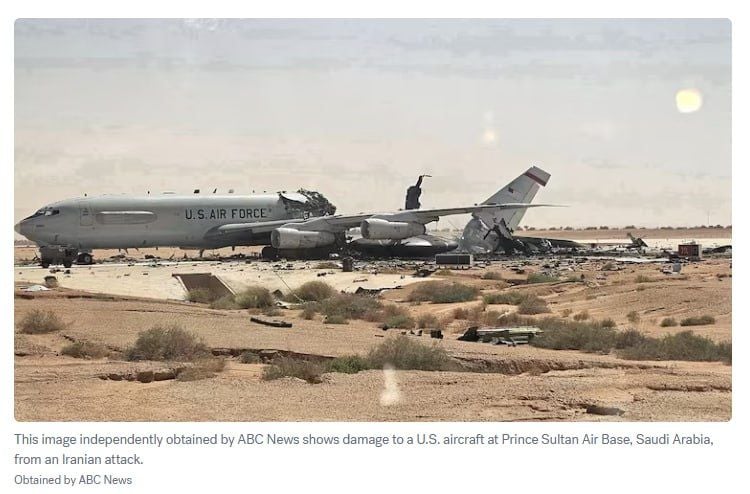
US launches second round of airstrikes on Iran, and Tehran responds by targeting Bahrain, Kuwait and JordanUS strikes Iran for second day, as ceasefire appears close to collapseWelcome to our live coverage of the conflict in the Middle East.The US has launched a second round of airstrikes, after Donald Trump warned that Tehran would “pay the price” for stalled negotiations, and Iran responded with strikes targeting Bahrain, Kuwait and Jordan.US Central Command said it had “completed” its latest round of airstrikes just before sunrise in Iran. It said the strikes targeted “Iranian military surveillance capabilities, communication systems and air defense sites,” and were carried out by the US air force, Marines and Navy.The sounds of explosions echoed around Tehran, the port city of Bandar Abbas and other southern areas along the strait of Hormuz.Iran responded by launching strikes on Bahrain, Kuwait and Jordan.Kuwait closed its airspace as its air defences fought off the attack. Kuwait’s directorate general of civil aviation said flights were being diverted to other airports, without elaborating.Iran’s Islamic Revolutionary Guard Corps said it had fired ballistic missiles at a US command centre in Jordan, according to state media.Iran’s UN envoy said the US should refrain from threats of force if it wants a deal.Israel early on Thursday warned residents in the north to seek shelter after the detection of suspected incoming fire from Lebanon.The international benchmark for crude oil traded above $93 a barrel on Wednesday, up more than 25% since the start of the war. Continue reading...
• Regional tensions persist in the Middle East nearly four months after the latest crisis erupted, despite a fragile ceasefire between the United States and Iran.
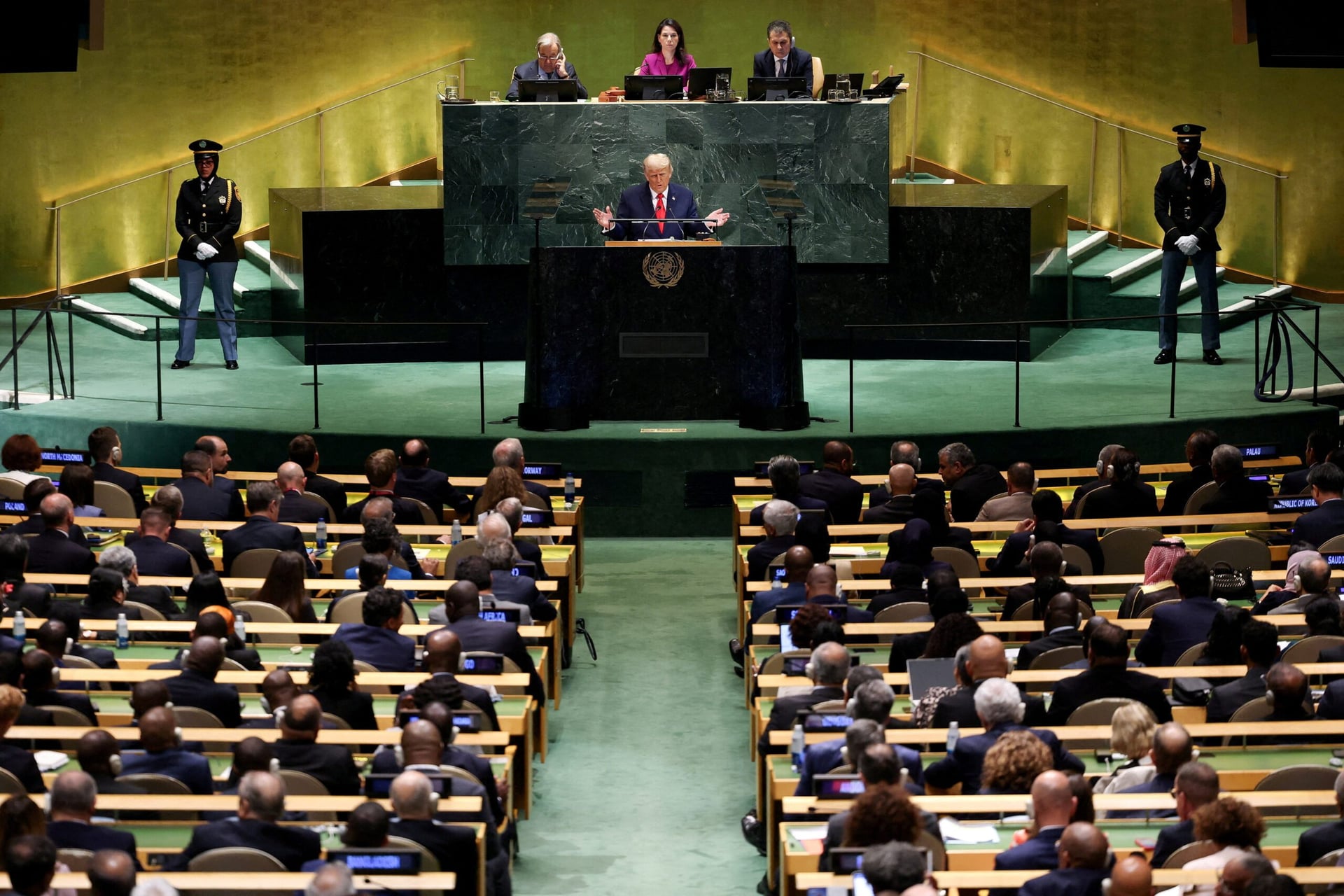
• The UN Security Council is convening for a high-level debate to discuss advancing political solutions to address ongoing conflicts and humanitarian emergencies.
• The situation remains volatile as US-Iran negotiations falter and strikes have reportedly resumed, threatening regional stability.