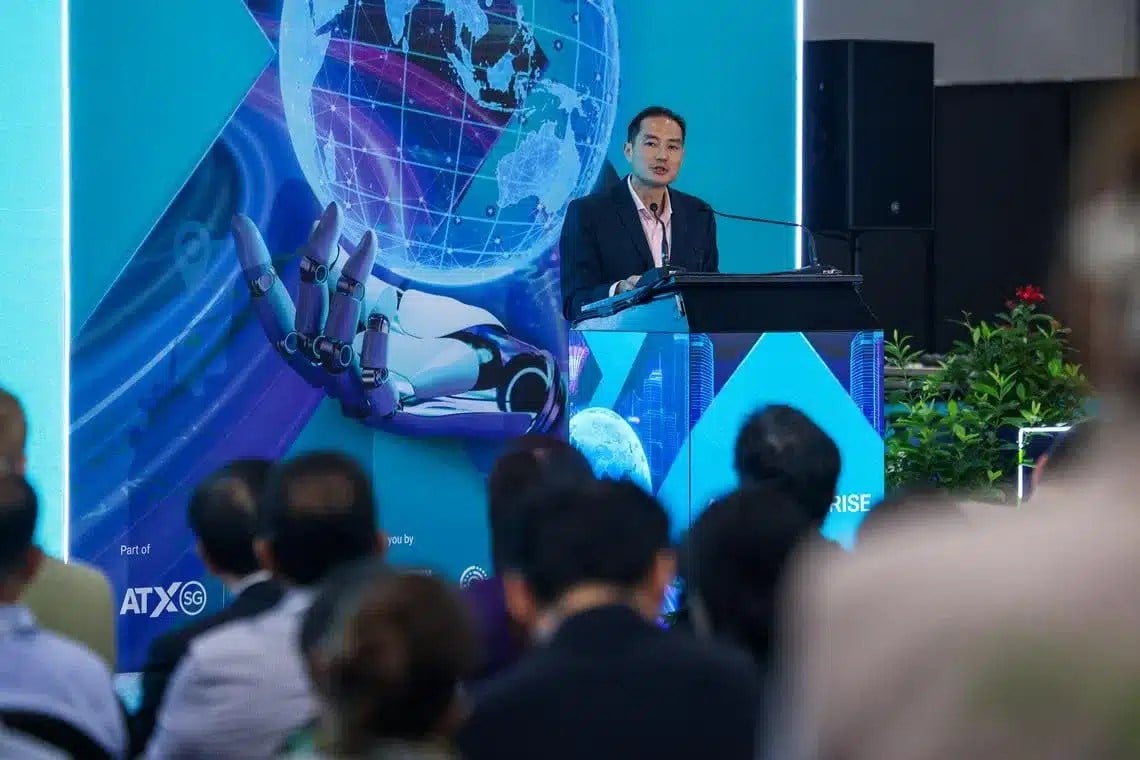
• At RSAC 2026 on April 3, experts detailed rising AI-powered autonomous cyber threats and agentic defenses.
• Sessions emphasized quantum computing risks to encryption, urging enterprise preparedness.
• Findings stress need for adaptive strategies against evolving AI attack vectors.
• Caltech scientists led by Manuel Endres unveiled a theoretical design for neutral-atom quantum computers that slashes required hardware by roughly 100 times, potentially making scalable machines feasible within years.
• The breakthrough uses laser-trapped atoms movable across arrays, enabling long-distance connections unlike fixed-qubit systems; Endres noted, 'It’s actually very surprising how well this works,' calling it 'ultra-efficient error correction.'
• Last year, the team assembled a record 6,100 atomic qubits, published in Nature, advancing beyond nearest-neighbor limitations in other platforms.
• Finnish quantum hardware company IQM secured a €50 million financing facility from BlackRock-managed funds to fuel R&D and U.S. market expansion.
• The funding supports IQM's preparations for a potential US stock market listing, enhancing its position in quantum computing technology.
• This investment underscores growing Wall Street interest in quantum breakthroughs amid competition in advanced computing sectors.
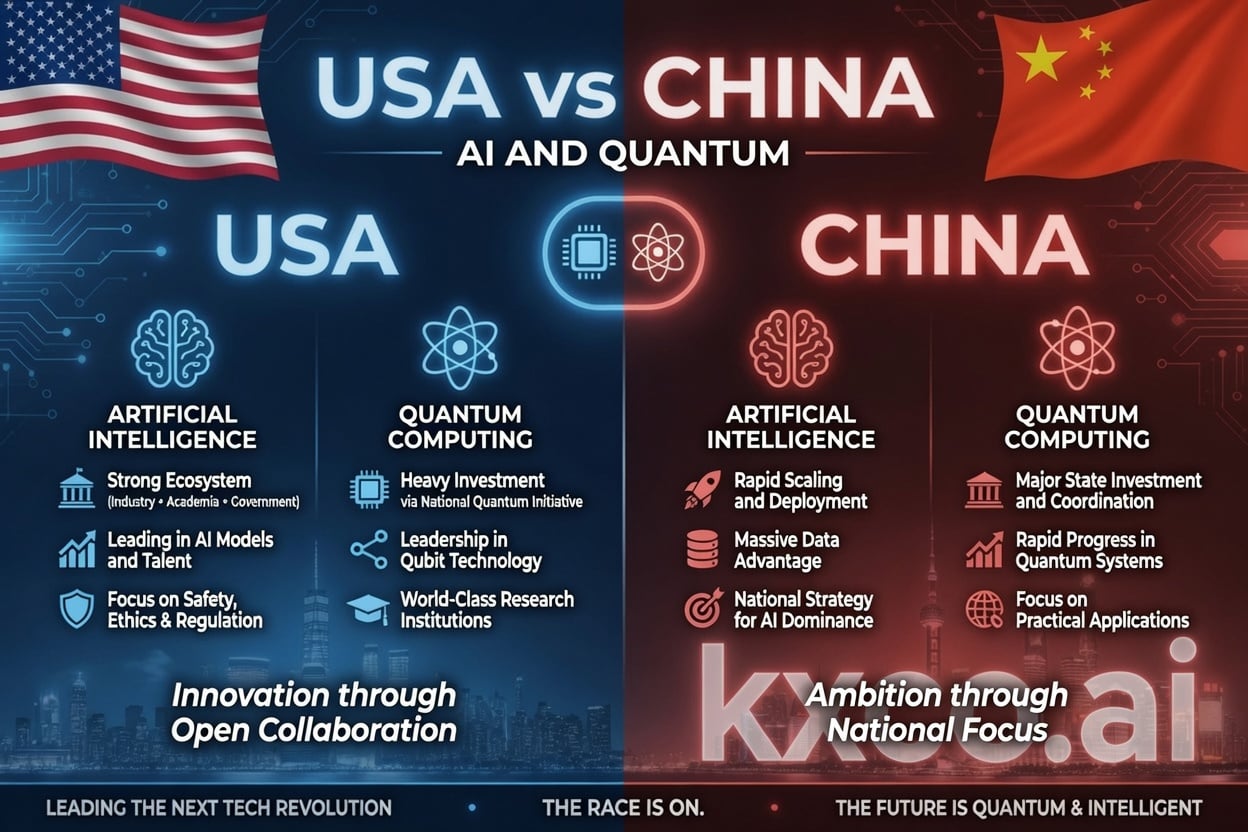
• The US-China technology rivalry is increasingly centered on quantum computing, with both nations treating the field as a strategic asset with profound economic and national security implications alongside AI and semiconductors.
• China has deployed an estimated US$16 billion in public funding—roughly four times current US government investment—embedding quantum computing into its Five-Year Plan as one of seven frontier technologies through a highly centralized, state-led approach.
• The US ecosystem remains decentralized, driven by over 40 companies, national laboratories, universities, and hyperscalers, with government support focused on funding, benchmarking, and validation rather than selecting national champions.
Banks, governments and tech providers urged to upgrade security because current systems will soon be obsolete Banks, governments and technology providers need to be prepared for quantum computer hackers capable of breaking most existing encryption systems by 2029, Google has warned.The tech company said in a blogpost that quantum computers would pose a “significant threat to current cryptographic standards” before the end of the decade and urged other companies to follow its lead. Continue reading...
Researchers say their prototype is a big step towards fully functioning batteries with rapid charging timesAustralian scientists have developed what they say is the world’s first proof-of-concept quantum battery.Quantum batteries, first proposed as a theoretical concept in 2013, use the principles of quantum mechanics to store energy, and have the potential to be more efficient than conventional batteries. Continue reading...
Liz Kendall announces £1bn funding to help design large-scale quantum computers for scientists, researchers, public sector and businessThe UK will not let quantum computing talent slip through its fingers and must learn lessons from US dominance of the AI race, the technology secretary has said, as the government announced a £1bn quantum funding pledge.Liz Kendall said the government hoped to retain homegrown quantum startups, engineers and researchers rather than lose them to competing countries, with the US stealing a march on its western rivals in AI. Continue reading...
• The U.S. Department of Defense designated Quantum and Battlefield Information Dominance (Q-BID) as one of six critical technology areas in November 2025, with the Quantum Applications Program receiving $59.5 million in the FY 2026 National Defense Authorization Act.
• Quantum computing, sensing, and networking have advanced at the research level, but substantial gaps remain between laboratory demonstrations and industrial deployment, particularly in miniaturization, durability, and production cost reduction for quantum sensors.
• The United States maintains classical computing leadership but faces gaps in quantum-supercomputer deployment compared to international competitors, with Europe and Japan reaching operational quantum-supercomputer deployment stages that U.S. initiatives have not yet achieved.
A method for making quantum computers less error-prone could let them run complex programs such as simulations of materials more efficiently, thus making them more useful
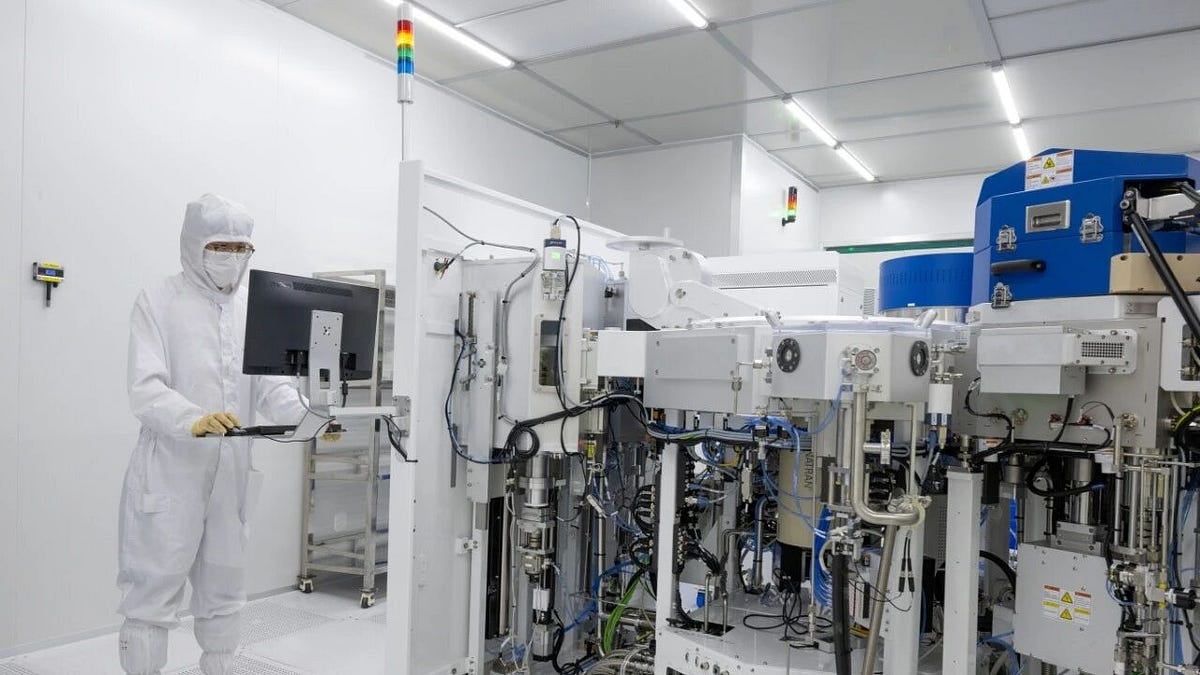
Superconducting computing circuits were briefly heralded as the future of computing in the 1980s. Columnist Karmela Padavic-Callaghan visits a quantum chip foundry where one company is betting this technology’s second act will revolutionise quantum computers
Cables underneath New York City are teeming with entangled quantum particles of light thanks to Qunnect, a company that has spent a decade working on building an unhackable quantum internet