• AST SpaceMobile's stock rose 5.52% to $68.65 following the release of its Q2 revenue reports and a significant expansion of its satellite network.
• The company successfully launched six new satellites within a two-month period, bringing its total satellite count to 13.
• This expansion is expected to strengthen the company's competitive profile and increase its capacity to generate service revenues.
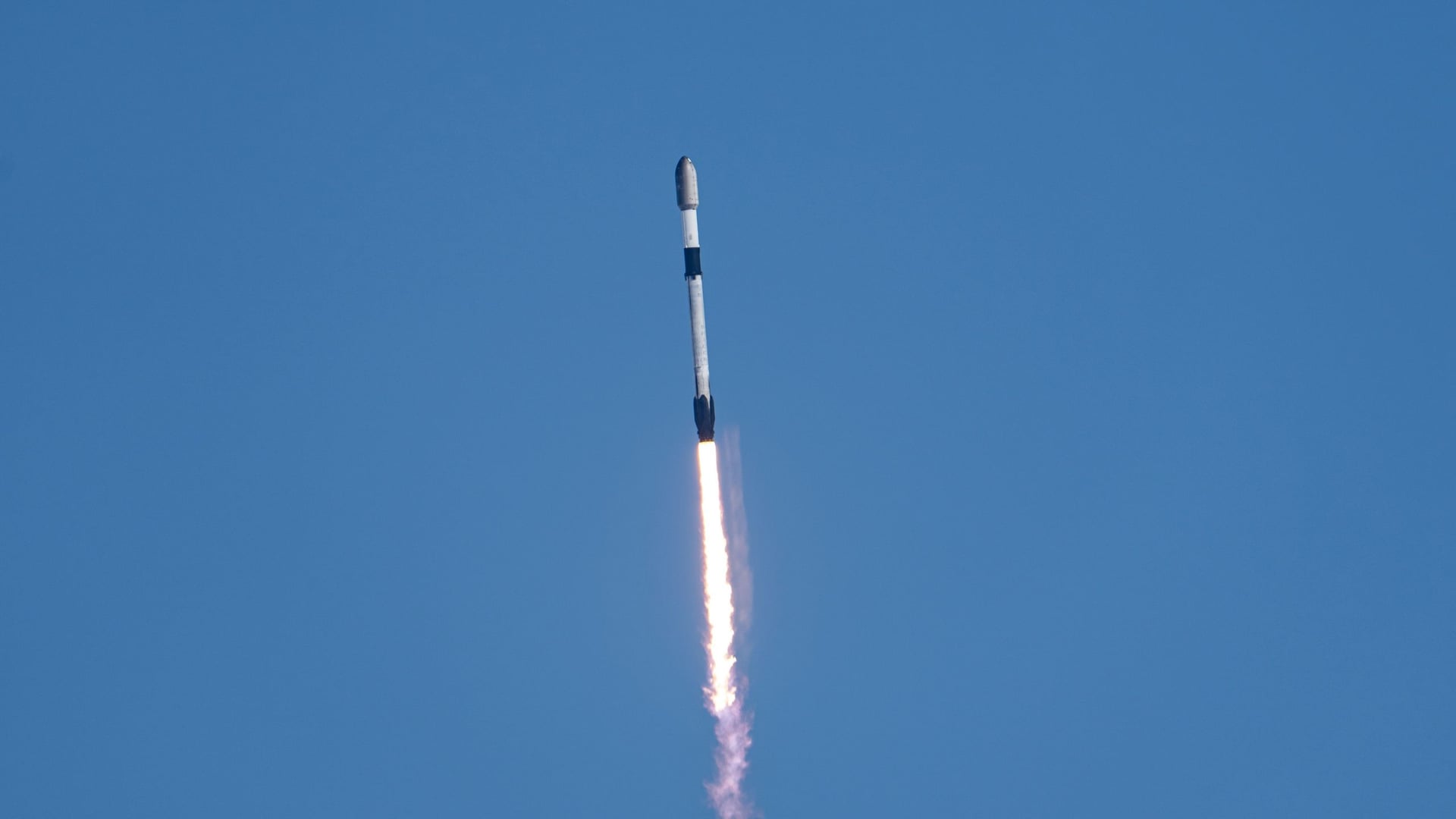
• SpaceX successfully launched 24 Starlink internet satellites into orbit on August 8.
• The mission took place from the scenic central coast of California.
• This launch continues SpaceX's effort to expand its global satellite internet constellation to provide broader connectivity.
• SpaceX has launched a mission for Northrop Grumman designed to extend the operational lifespan of aging satellites.
• The mission utilizes specialized spacecraft to rendezvous with and dock with existing satellites, providing additional propulsion and stability.
• This capability is critical for maintaining essential space infrastructure without the high cost and risk of launching entirely new replacement satellites.
Military and SES personnel being taught analog communication and navigation techniques as experts warn solar flare could knock out ‘critical space infrastructure’Get our breaking news email, free app or daily news podcastAustralia’s emergency services and military personnel are being trained to read paper maps, navigate without GPS support, and sail by the stars in case something knocks out the nation’s space capabilities.A panel at the 19th Australian space forum in Adelaide on Wednesday was asked to consider what would happen “if we suddenly lost access to critical space infrastructure – no satellites, no GPS, no remote sensing, no secure communications?” Continue reading...
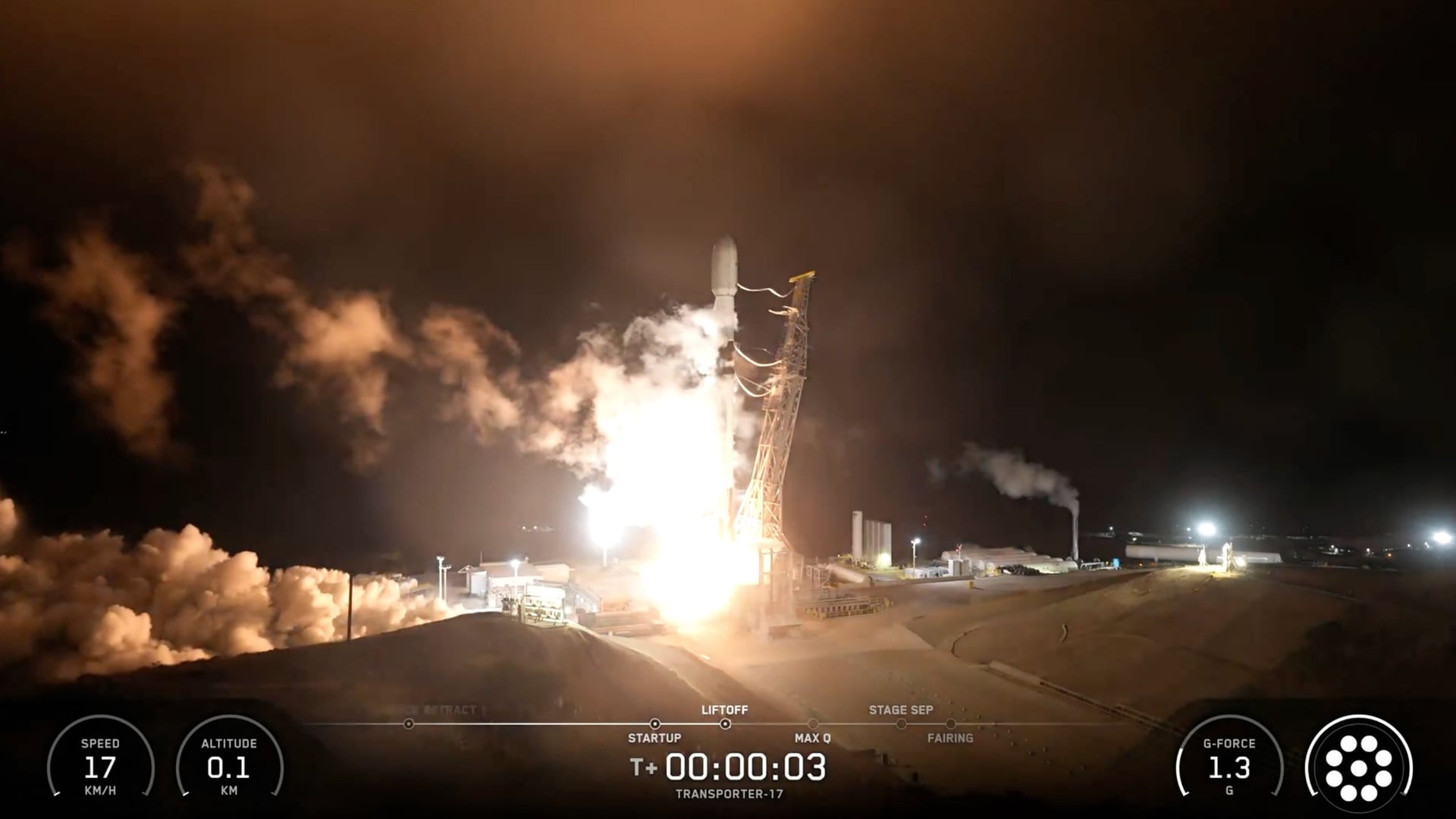
• SpaceX successfully launched a Falcon 9 rocket from California at 3:12 a.m. ET on Tuesday, July 7.
• The Transporter-17 rideshare mission delivered 81 separate payloads into orbit.
• Following the deployment, the rocket's first stage successfully landed on a recovery ship at sea.
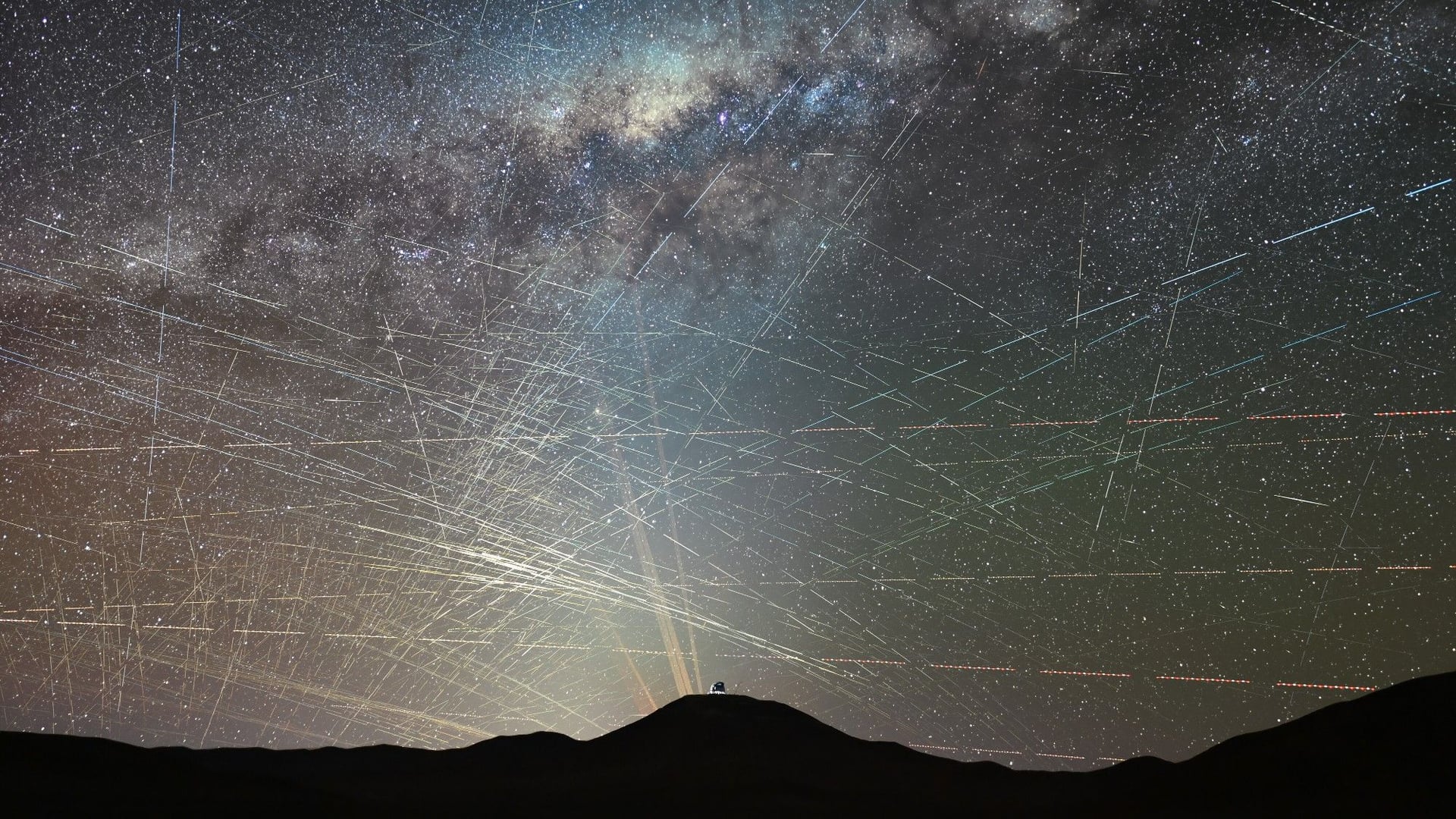
• A new study by the European Southern Observatory (ESO) warns that the deployment of up to 1.7 million planned satellites and space mirrors could significantly brighten the night sky.
• These massive satellite fleets threaten to erase critical astronomical observations by creating light pollution and visual interference for ground-based telescopes.
• This development matters because it could severely disrupt modern astronomy, hindering the ability of scientists to study the distant universe and detect faint celestial objects.
• The rapid increase of satellites in Earth's orbit, with some companies planning to launch millions, threatens to obstruct ground-based astronomical observations.
• Experts warn that if the satellite population exceeds 100,000, the resulting light pollution and interference could make traditional telescopes obsolete.
• This trend is considered catastrophic for astronomy as it may permanently strip humanity of the ability to study the universe from the planet's surface.
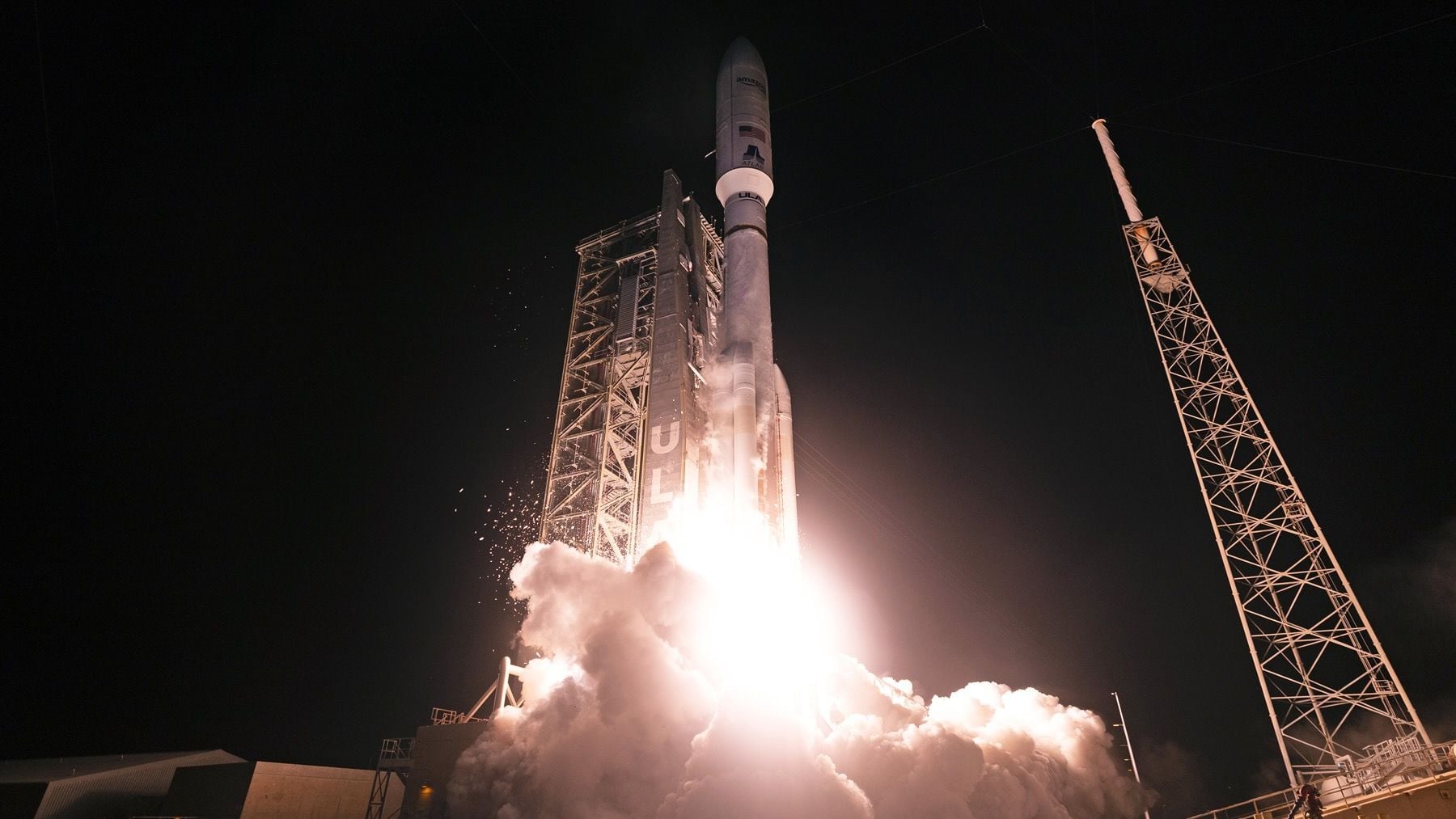
• A United Launch Alliance Atlas V rocket successfully launched 29 Amazon Leo broadband satellites from Florida on Thursday, July 2.
• The launch took place at 12:30 a.m. ET, marking a significant step in the deployment of Amazon's satellite internet constellation.
• This mission is critical for expanding global high-speed internet access, positioning Amazon as a major competitor in the low Earth orbit (LEO) broadband market.
Iran bombed US bases and allies’ facilities soon after Russian satellites mapped them, according to Ukrainian assessment. What we know on day 1,505Russian satellites made detailed imagery of military facilities and critical sites across the Middle East including US bases and other targets that were attacked by Iran soon afterwards, according to a Ukrainian intelligence assessment. Reuters reported that the assessment cited at least 24 surveys of areas in 11 Middle Eastern countries from 21-31 March, covering 46 “objects” including US and other military bases and airports and oilfields. Within days of being surveyed, military bases and headquarters were targeted by Iranian ballistic missiles and drones, the assessment said.Russian satellites were actively surveying the strait of Hormuz, according to the Ukrainians. Reuters said a western military source and a separate regional security cited their own intelligence in backing up the claims. Reuters said the Iranian foreign ministry had no immediate comment and the defence ministry in Russia did not respond to a request for comment.Reuters said its regional security source confirmed a specific incident where a Russian satellite imaged Prince Sultan airbase in Saudi Arabia days before Iran struck the facility on 27 March, hitting a sophisticated US E-3 Sentry airborne warning and control system aircraft. The next day a Russian satellite passed over again to assess the damage, the assessment said. The Ukrainian report also alleges Russian and Iranian hackers were collaborating in the cyber domain.The Ukrainian military said it had struck Russia’s Ust-Luga oil terminal in the Leningrad region on Tuesday. The general staff said on Telegram it had preliminary confirmation of damage to three storage tanks belonging to the Transneft-Baltika company.Crude oil exports from Russia’s Sheskharis terminal in the Black Sea port of Novorossiysk were suspended after a big drone attack and a fire, two sources told Reuters on Tuesday. The terminal, which typically loads 700,000 barrels a day of crude oil, is Russia’s key oil outlet in the Black Sea. Its suspension will add to the strain on Russian infrastructure, which has been repeatedly attacked.Moscow’s troops targeted two buses in the eastern Dnipropetrovsk region, its governor, Oleksandr Ganzha, said on Telegram. A drone smashed into a bus approaching a stop in Nikopol’s city centre, he said, and later another bus was hit in a neighbouring community. Four people were killed in Nikopol and at least 16 injured, officials said. In the southern city of Kherson, a Russian attack on a residential area that lasted half an hour killed four elderly people and injured seven more, said the regional governor, Oleksandr Prokudin. Other deadly Russian strikes took place in Zaporizhzhia and Sumy oblasts, said Ukrainian officials.Ukrainian drone strikes killed five civilians including a 12-year-old boy and his parents in Russia and Russian-occupied parts of Ukraine, Russian officials said on Tuesday. Reuters could not independently verify the officials’ statements, and Ukraine denies deliberately targeting civilians. Continue reading...
• SpaceX launched 83 Starlink satellites across March 2026, including 29 from Cape Canaveral on March 4, 25 from Vandenberg Space Force Base on March 8, and 29 from SLC-40 on March 19.
• These deployments increased the Starlink constellation to over 6,700 operational satellites, targeting internet access for remote regions, aviation, and maritime sectors.
• The expansion bridges the digital divide in underserved areas and enhances U.S. Space Force defense infrastructure amid evolving aerospace demands.
 Image: Traders Union