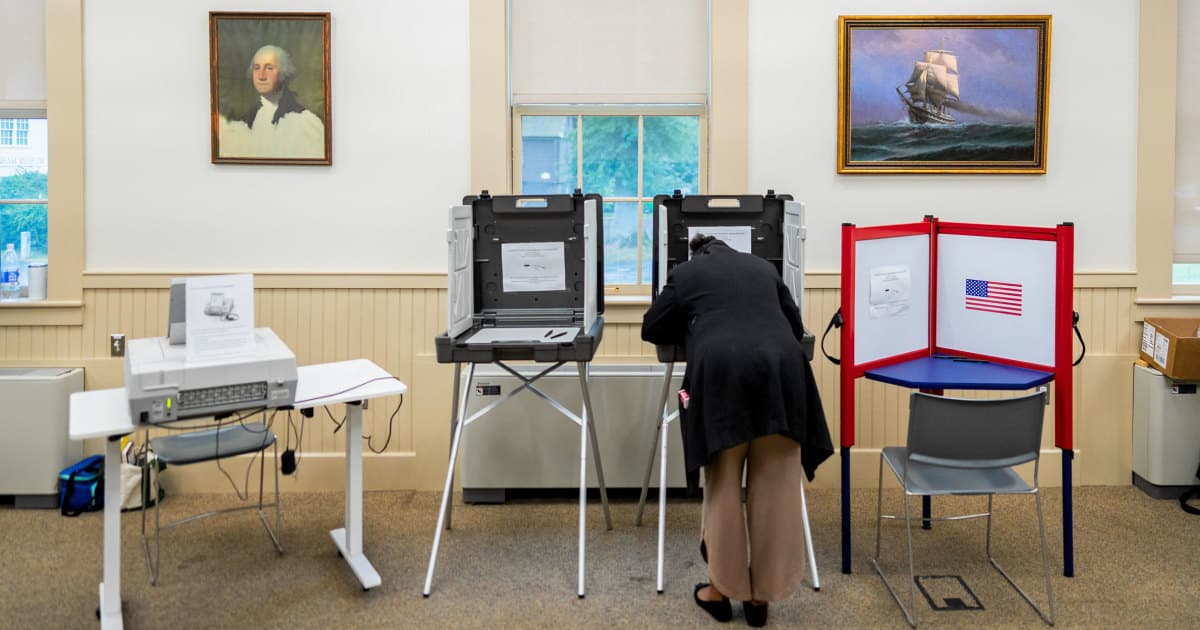
Louisiana Governor कोर्ट के Redistricting फैसले के बाद House Primaries को स्थगित करने की तैयारी कर रहे हैं
- Louisiana Governor Jeff Landry ने 29 अप्रैल, 2026 को House Primaries को स्थगित करने की योजनाओं की घोषणा की, क्योंकि संसदीय मानचित्रों पर कोर्ट के एक फैसले ने Redistricting की लड़ाई को और तेज कर दिया है।
- यह निर्णय Racial Gerrymandering को लेकर चल रहे विवादों का परिणाम है, जबकि midterms से पहले दर्जनों और मामले सामने आ रहे हैं।
- इस स्थगन से चुनावों में देरी हो सकती है और राज्य में GOP रणनीतियों को नया रूप मिल सकता है।
स्रोत और उद्धरण
1 स्रोतऔर खबरें
सुप्रीम कोर्ट का बॉलरूम फैसला बॉलरूम से परे क्यों महत्वपूर्ण हो सकता है | WGCU News
• सुप्रीम कोर्ट ने व्हाइट हाउस के बॉलरूम को लेकर एक विवाद पर फैसला सुनाया है, जिसे जॉर्जटाउन लॉ के प्रोफेसर Stephen Vladeck ने शक्तियों के पृथक्करण (separation-of-powers) का एक महत्वपूर्ण मुद्दा बताया है। • यह मामला विनियोजन (appropriations) विवाद पर केंद्रित है, जिसके बारे में Vladeck का तर्क है कि यह एक कानूनी मामला है जिस पर मुकदमा चलाने का अधिकार केवल Congress के पास है।
मूल पढ़ें · wgcu.orgTrump Live Updates: Bessent ने G20 बैठक की मेजबानी की; अमेरिका ने तीन दिनों में दूसरी बार ईरान पर हमले किए - The New York Times
• ट्रेजरी सचिव Scott Bessent ने मुद्रास्फीति और बढ़ते कर्ज के स्तर को लेकर वैश्विक निवेशकों की चिंता को दूर करने के लिए मंगलवार को North Carolina में G20 वित्त मंत्रियों की मेजबानी की। • एक अलग घटनाक्रम में, अमेरिकी सेना ने तीन दिनों के भीतर ईरान के खिलाफ अपना दूसरा हमला किया।
मूल पढ़ें · nytimes.comसुप्रीम कोर्ट अपने स्वयं के इतिहास को कैसे कैद रखता है
• The New York Times सुप्रीम कोर्ट द्वारा अपने स्वयं के इतिहास के आंतरिक प्रबंधन पर रिपोर्ट करता है, विशेष रूप से 2016 की शुरुआत में जस्टिस Antonin Scalia की अचानक मृत्यु के बाद की अनिश्चितता की अवधि का संदर्भ देता है। • यह लेख इस बात की जांच करता है कि कोर्ट अपने अभिलेखागार (archives) का प्रबंधन कैसे करता है और उसकी संस्थागत स्मृति एवं रिकॉर्ड-कीपिंग की "बंद दरवाजों" वाली प्रकृति कैसी है।
मूल पढ़ें · politicalwire.comचुनाव अपडेट लाइव: मैसाचुसेट्स में मतदान जल्द ही समाप्त होने वाला है
• रिपब्लिकन नेताओं को तब एक महत्वपूर्ण सहारा मिला जब डेमोक्रेटिक प्रतिनिधियों Gluesenkamp Perez और Golden ने एक प्रक्रियात्मक नियम के पक्ष में मतदान किया, जिससे विधायी गतिरोध टल गया। • इस कदम ने हाउस को इस सप्ताह अन्य विधेयकों के साथ आगे बढ़ने की अनुमति दी, क्योंकि कुछ रिपब्लिकन ने अल्पकालिक सरकारी फंडिंग प्रावधानों के विरोध में इस नियम को रोकने का प्रयास किया था।
मूल पढ़ें · nbcnews.com NBC News
USS Abraham Lincoln के पर्यटक शहर में रुकने के बाद थाईलैंड ने वेश्यावृत्ति को लेकर चेतावनी जारी की
• USS Abraham Lincoln विमानवाहक पोत 200 दिनों तक समुद्र में रहने के बाद थाई रिसॉर्ट शहर Pattaya में रुकने के लिए निर्धारित है। • थाई अधिकारियों ने क्षेत्र में वेश्यावृत्ति के संबंध में चेतावनी जारी की है, क्योंकि Pattaya की पर्यटक केंद्र के रूप में प्रतिष्ठा के बावजूद यह प्रथा अवैध बनी हुई है।
मूल पढ़ें · independent.co.uk The Independent
थाईलैंड ने भारत सहित 60 देशों के पर्यटकों के लिए वीजा-मुक्त प्रवास को 60 से घटाकर 30 दिन किया - The Economic Times
• थाईलैंड भारत, अमेरिका और यूके सहित 60 पात्र देशों के पर्यटकों के लिए वीजा-मुक्त प्रवास की अवधि को 60 दिनों से घटाकर 30 दिन कर देगा। • नई नीति 15 सितंबर, 2026 से प्रभावी होगी, और भूमि-सीमा पार करने वालों के लिए प्रति कैलेंडर वर्ष अधिकतम दो वीजा-मुक्त प्रविष्टियों की सामान्य सीमा लागू करेगी।
मूल पढ़ें · economictimes.indiatimes.comथाईलैंड ने पर्यटकों के लिए वीजा-मुक्त प्रवास की अवधि घटाने का निर्णय लिया
• थाईलैंड 15 सितंबर से पर्यटकों के लिए वीजा-छूट की अवधि को 60 दिनों से घटाकर 30 दिन कर रहा है। • यह नीति इज़राइलियों सहित 60 देशों के नागरिकों को प्रभावित करेगी, जिनके लिए अब वीजा-मुक्त प्रवास की अवधि कम होगी।
मूल पढ़ें · israelhayom.comथाईलैंड ने सिंगापुर सहित 60 स्थानों के पासपोर्ट धारकों के लिए वीजा-मुक्त प्रवास को घटाकर 30 दिन किया
• थाईलैंड सिंगापुर सहित 60 अलग-अलग देशों के पासपोर्ट धारकों के लिए वीजा-मुक्त प्रवास की अवधि को 60 दिनों से घटाकर 30 दिन कर रहा है। • यह नीति परिवर्तन प्रभावी रूप से उस विशेष 60-दिवसीय वीजा-छूट व्यवस्था को समाप्त करता है जो पहले इन यात्रियों के लिए लागू थी।
मूल पढ़ें · straitstimes.comथाईलैंड ने भारतीयों और अन्य 59 देशों के लिए वीजा-मुक्त प्रवास की अवधि घटाकर 30 दिन की
• 15 सितंबर से, थाईलैंड 60 देशों और क्षेत्रों के यात्रियों के लिए वीजा-मुक्त प्रवास की अवधि को 60 दिनों से घटाकर 30 दिन कर देगा। • यह नीति भारत, US, UK, Canada, Australia, Japan और कई यूरोपीय और दक्षिण-पूर्व एशियाई देशों सहित प्रमुख राष्ट्रों के पर्यटकों को प्रभावित करती है।
मूल पढ़ें · business-standard.comपुष्टि: थाईलैंड 15 सितंबर, 2026 से वीजा-मुक्त प्रवेश की अनुमति कम कर रहा है - LoyaltyLobby
• थाईलैंड 15 सितंबर, 2026 से अपनी वीजा-मुक्त प्रवेश अनुमति को घटाकर वापस 30 दिन कर देगा। • "वीजा-रन" को रोकने के लिए नए प्रतिबंधों के तहत भूमि सीमा प्रवेश को प्रति व्यक्ति दो बार तक सीमित किया जाएगा, हालांकि हवाई मार्ग से प्रवेश असीमित रहेगा।
मूल पढ़ें · loyaltylobby.com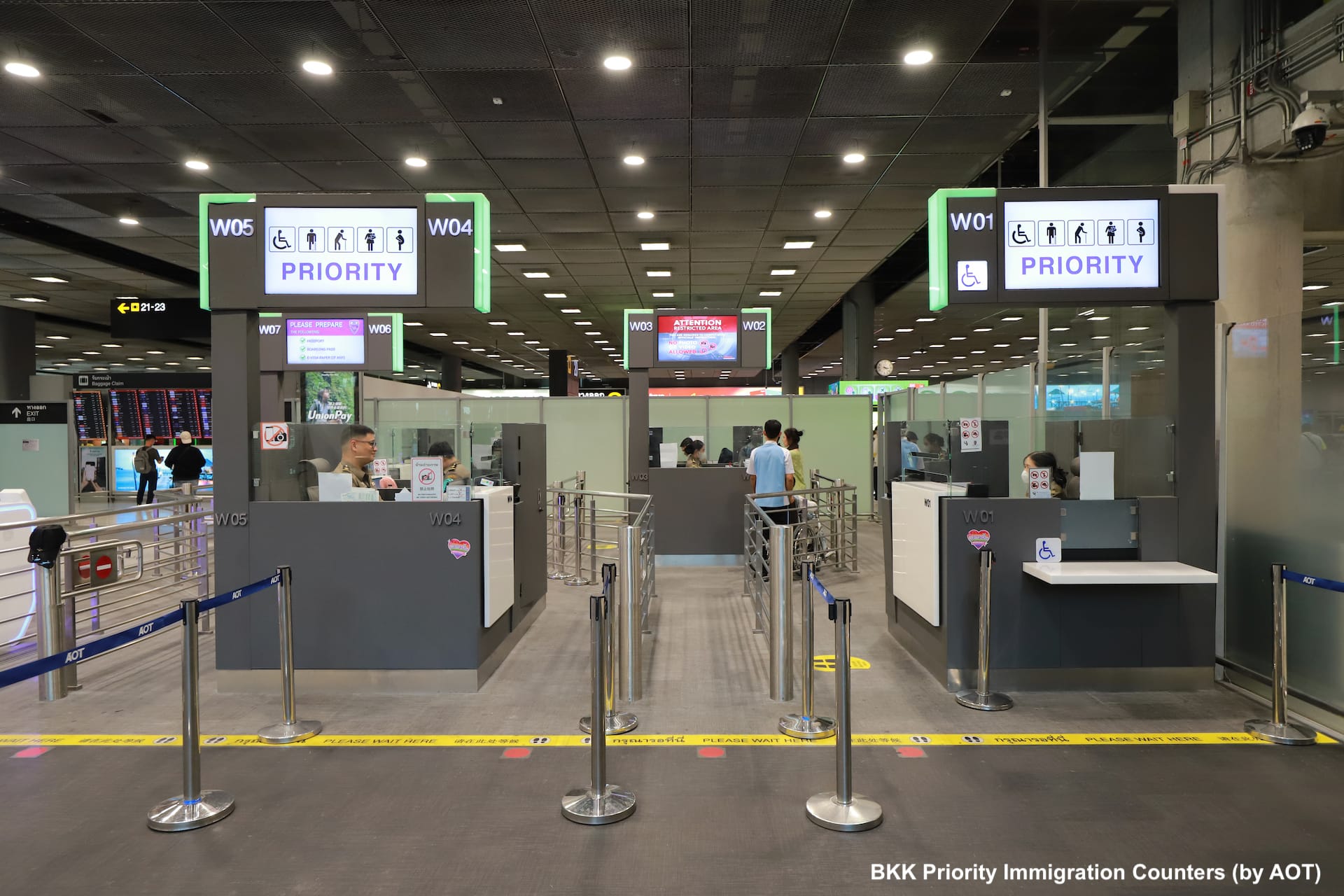 LoyaltyLobby
थाईलैंड ने 15 सितंबर से सिंगापुर सहित दर्जनों देशों के लिए वीजा-मुक्त प्रवास की अवधि कम की - CNA
• 15 सितंबर से, थाईलैंड सिंगापुर, चीन, अमेरिका और 27 EU देशों सहित 60 देशों और क्षेत्रों के नागरिकों के लिए वीजा-मुक्त प्रवास को घटाकर 30 दिन कर देगा। • थाई अधिकारियों ने कहा कि इस नीति परिवर्तन का उद्देश्य विदेशी नागरिकों से जुड़े अपराधों पर अंकुश लगाना है।
मूल पढ़ें · channelnewsasia.com CNA
CNAथाईलैंड ने भारतीयों, अमेरिकी और चीनी नागरिकों के लिए वीजा-मुक्त प्रवास की अवधि घटाई
• थाईलैंड ने भारत, संयुक्त राज्य अमेरिका और चीन के नागरिकों के लिए वीजा-मुक्त प्रवास की अवधि कम कर दी है। • हालांकि पर्यटन इस दक्षिण-पूर्वी एशियाई देश की अर्थव्यवस्था का एक महत्वपूर्ण स्तंभ बना हुआ है, लेकिन सरकारी अधिकारियों ने कहा कि इस नीति परिवर्तन का उद्देश्य विदेशी नागरिकों से जुड़े अपराधों पर अंकुश लगाना है।
मूल पढ़ें · news18.com