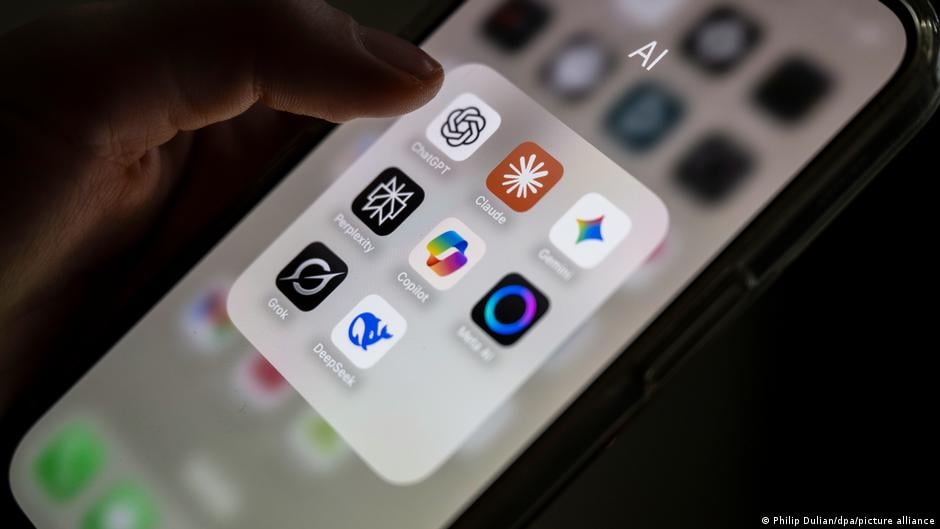
• Anthropic launched Project Glasswing, collaborating with Apple, Google, and Microsoft to deploy Claude Mythos Preview in identifying and patching critical software vulnerabilities preemptively.
• The initiative unites rivals to leverage AI against cyber threats targeting US software infrastructure.
• By fixing flaws before exploitation, the project aims to bolster national cybersecurity amid escalating AI-driven attacks.
• Anthropic announced Project Glasswing, a cybersecurity initiative bringing together AWS, Apple, Broadcom, Cisco, CrowdStrike, Google, Microsoft, Nvidia, and Palo Alto Networks to identify and fix software vulnerabilities using its Claude Mythos Preview model.
• The Claude Mythos Preview model achieves 93.9% accuracy on SWE-bench Verified, significantly outperforming Opus 4.6's 80.8%, and demonstrated the ability to find thousands of hidden bugs in critical systems.
• Anthropic is committing up to $100 million in usage credits for Project Glasswing, plus $4 million in direct donations to open-source security organizations to strengthen cybersecurity infrastructure.
• Iran's Revolutionary Guard Corps (IRGC) announced on March 31 that it will target 18 major US technology and industrial companies in the West Asia region starting 8 PM Tehran time on April 1 (1630 GMT), in retaliation for US and Israeli attacks on Iranian pharmaceutical facilities and leadership.
• The hit list includes Microsoft, Google, Apple, Meta, Intel, IBM, Tesla, Nvidia, Boeing, HP, Cisco, Oracle, Dell, and others, accused of enabling high-tech warfare through AI, ICT, and satellite tracking for assassinations.
• IRGC urged employees to immediately evacuate workplaces and residents within a one-kilometer radius to leave for safety, labeling the firms as 'terrorist companies' and promising destruction of their regional units.
• Tech companies including Palantir, Anthropic, and Anduril are increasingly partnering with the US Department of Defense, marking a significant shift from decades of strained relations between the tech sector and military.
• Anduril announced a 10-year, US$20 billion contract with the US military, while Palantir's Maven data analytics platform and Anthropic's AI have been used extensively in operations against Iran, including defense against Shahed drones.
• The collaboration represents what investors view as a lucrative opportunity, with traditional military contractors like Lockheed Martin and Boeing now joined by rising tech giants in supplying cloud computing, AI-powered drones, and advanced defense systems.
• U.S. lawmakers and Silicon Valley leaders are converging on policies to counter China's rapid AI advances, viewing it as a strategic economic battle.
• House Speaker Mike Johnson urged tech firms to keep chips, data centers, and AI systems domestic and away from geopolitical rivals.
• Proposed GAIN AI Act would mandate prioritizing U.S. access to advanced AI chips and require export licenses to countries of concern.
• Major companies—Amazon, Google, Meta, Microsoft, Oracle, OpenAI, and xAI—signed a federal pledge to provide their own electricity for AI data centers, shielding U.S. consumers from grid overload.
• The commitment responds to exploding energy needs from AI infrastructure, following Meta's Louisiana gas plant initiative and similar efforts nationwide.
• Industry leaders aim to prevent rate hikes and blackouts while fueling the AI boom central to U.S. tech competitiveness.
• Eight leading technology companies, including Google, Amazon, and Microsoft, have pledged to share threat intelligence on fraudster misuse of their platforms, with the agreement announced ahead of the UN Global Fraud Summit in Austria on March 16.
• The initiative focuses on collaborating against fraud and improving user security features, though the voluntary accord carries no penalties for companies that fail to meet commitments.
• Rising fraud losses driven by AI-enabled realistic personas and messages have forced tech platforms to enhance security strategies and advocate for stricter regulations against global fraud syndicates.
• Eight leading tech companies, including Google, Amazon, and Microsoft, signed a voluntary accord on March 16, 2026, to share threat intelligence against fraudsters misusing their services.
• The initiative precedes the UN Global Fraud Summit in Austria, focusing on AI-accelerated scams and cross-platform fraud syndicates.
• Participants commit to enhancing user security features and supporting law enforcement, amid soaring U.S. fraud losses.
• Eight leading tech companies, including Google, Amazon, and Microsoft, have signed a voluntary accord to share threat intelligence on fraudsters misusing their services ahead of the UN Global Fraud Summit in Austria on March 16.
• The initiative aims to counter AI-accelerated fraud tactics, where criminals use online forums and AI to create convincing personas and spread activities across multiple platforms.
• Fraud losses have surged recently due to advanced technology enabling realistic deceptions, prompting calls for enhanced user security features and stricter law enforcement against global syndicates.