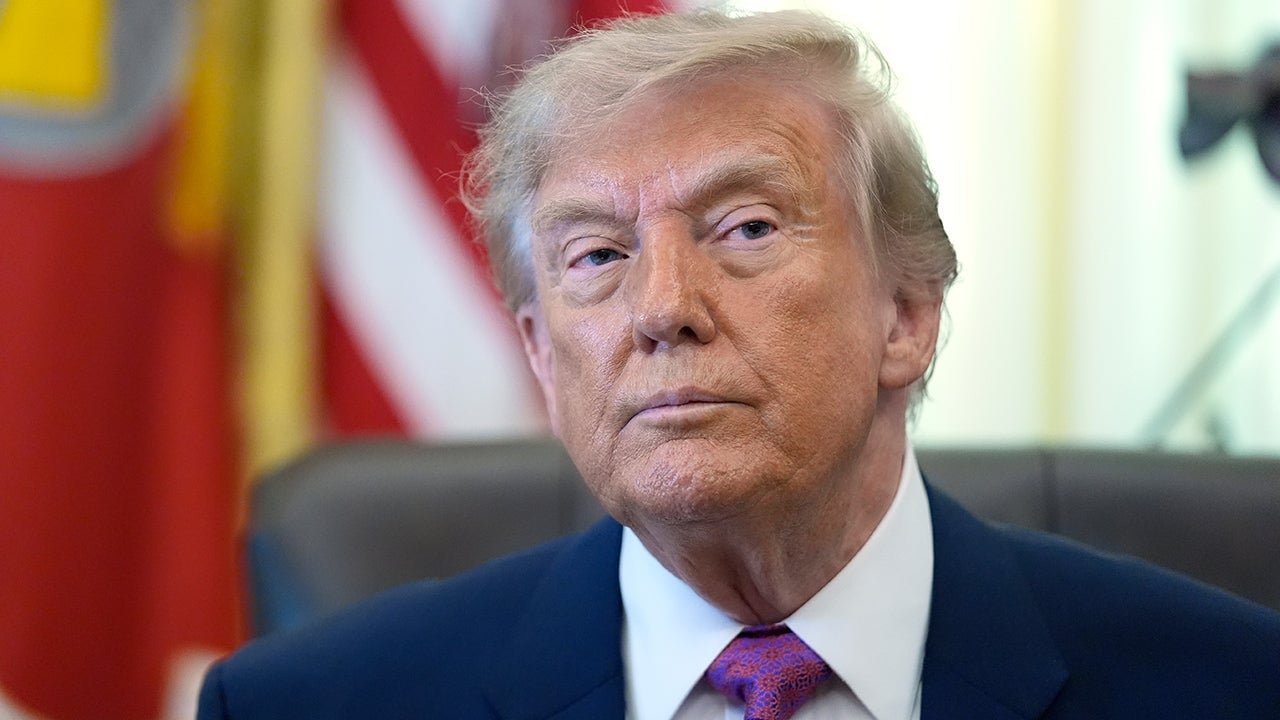
• 트럼프 행정부는 향후 6~12개월에 걸쳐 독일 내 미국 병력 약 5,000명을 철수할 계획이라고 발표했다.
• 이번 병력 철수는 이전의 트럼프 대통령의 위협을 이행하는 것이며, 이란 갈등에 대한 독일의 입장을 둘러싼 긴장을 반영한다.
• 이러한 조치는 유럽 내 미국 군사 태세의 광범위한 변화를 예고하며, 주요 전략적 요충지에서 NATO의 존재감을 약화시킬 수 있다.
• Iranian Foreign Minister Abbas Araghchi returned to Islamabad on April 27, 2026, to push a new proposal through Pakistani mediators aimed at ending the US-Iran war and reopening the Strait of Hormuz.
• The proposal reached the White House, but President Trump canceled planned envoy visits by Steve Witkoff and Jared Kushner, citing lack of progress, while indirect talks continue.
• Araghchi headed to Moscow for talks with President Putin after blaming the US for failed peace efforts; Russia urged Washington to abandon ultimatums in Vienna negotiations.
• US stocks recently reached an all-time high even as geopolitical tensions between the US and Iran dominate headlines, suggesting investor confidence in economic fundamentals.
• The market surge occurs amid what analysts describe as a major market disruption cycle, with oil shocks and other disruptions rattling investors before receding.
• The disconnect between headline risks and market performance highlights investor focus on sustained economic growth and underlying corporate fundamentals over short-term geopolitical concerns.
• Navy Secretary John Phelan was fired by the Pentagon on Wednesday night amid escalating tensions with Iran over the blockade of the Strait of Hormuz.
• The firing comes as the U.S. maintains military pressure on Iran, with reports indicating the blockade is costing Iran an estimated $500 million per day and pushing the regime toward economic collapse.
• U.S. intelligence officials warn that Iran retains thousands of missiles and drones capable of threatening American interests in the region.
• Donald Trump announced a major ceasefire between Israel and Lebanon while signaling progress toward a potential nuclear deal with Iran.
• The development represents a significant diplomatic initiative amid broader Middle East tensions and ongoing US-Iran negotiations.
• The ceasefire comes as regional dynamics continue to shift with multiple diplomatic channels active simultaneously.
• Russian President Vladimir Putin issued a bombshell speech from the Kremlin warning against Western military intervention in Iran, marking a significant strategic pivot and directly challenging Trump administration foreign policy.
• The address has dramatically escalated geopolitical tensions and prompted immediate reactions from global capitals assessing implications for international security and the balance of power in the Middle East.
• Putin's declaration signals Russia's strategic commitment to the region amid the ongoing US-Iran crisis and fragile ceasefire negotiations.
• A fragile US-Iran ceasefire is set to expire on April 22, 2026, with diplomatic talks stalled and tensions escalating over competing demands and military posturing.
• Iran's spokesperson Esmaeil Baqaei criticized the US position as unrealistic, while Tehran condemned Washington's naval blockade as provocative and a potential trigger for ceasefire violations.
• Pakistan continues mediating indirect talks between the two nations, though no date has been set for the next round of negotiations as fears of renewed escalation mount.
• A US fighter jet was shot down over Iranian airspace, marking a significant escalation in military confrontations amid ongoing US-Iran hostilities that began on February 28, 2026.
• The incident occurred as tensions remain high following the killing of Iranian Supreme Leader Ali Khamenei and subsequent Iranian retaliatory strikes against Israel and US bases across the region.
• The downing of the aircraft raises concerns about potential further military escalations and complicates ongoing ceasefire negotiations between US and Iranian delegations.
• Fresh tensions have surfaced just as formal ceasefire negotiations between US and Iranian representatives commence in Pakistan, threatening to derail diplomatic efforts.
• The timing of new military incidents and heightened rhetoric suggests both sides remain committed to military posturing even as they engage in peace talks, a pattern common in complex regional conflicts.
• Diplomatic observers note that success will require both delegations to compartmentalize military operations from negotiation processes, a significant challenge given recent escalations including the downing of a US fighter jet.
• President Trump is reexamining the United States' relationship with NATO, as his irritation with American allies who refused to join the war against Iran reaches a climax.
• Secretary of State Marco Rubio stated on March 31 that 'after this conflict has concluded, we should reevaluate' America's role in the alliance, while NATO Ambassador Matt Whitaker said on April 1 that 'everything's on the table.'
• The reconsideration reflects Trump's frustration with NATO members' reluctance to support U.S. military operations in Iran, signaling potential fundamental shifts in transatlantic security arrangements.