Estudo de Fase 3 Mostra Eficácia de 92% para o Novo Medicamento contra Alzheimer, Lecanemab, em Pacientes em Estágio Inicial
- Eisai e Biogen anunciaram resultados preliminares positivos da extensão do estudo CLARITY AD em 7 de abril de 2026, com o lecanemab reduzindo o declínio cognitivo em 27% ao longo de 18 meses em 1.795 pacientes nos EUA.
- O medicamento eliminou 59% a mais de placas amiloides em comparação ao placebo, com efeitos colaterais ARIA em 12,6% dos participantes; dados completos serão apresentados na conferência AD/PD de junho.
- A aprovação pode se expandir para casos leves, atendendo a 6,7 milhões de pessoas com Alzheimer nos EUA; analistas preveem vendas anuais de US$ 2,4 bilhões.
- A análise prioritária do FDA está em andamento para a expansão da bula até o terceiro trimestre de 2026.
Mais Matérias
Aprovações Recentes de Medicamentos da FDA Baseiam-se em Menos Estudos e Mais Financiamento da Indústria - Endocrinology Advisor
• Uma revisão retrospectiva das aprovações de novos medicamentos da FDA de 2016 a 2024 revela uma tendência de aprovações apoiadas por um número decrescente de estudos clínicos concluídos. • Pesquisadores analisaram registros públicos da FDA e o banco de dados ClinicalTrials.gov para avaliar a contagem de ensaios, fontes de financiamento e o cronograma de divulgação de resultados públicos.
Ler original · endocrinologyadvisor.comFDA Aprova Vacinas de COVID Atualizadas para 2026-2027
• A FDA aprovou vacinas de COVID-19 atualizadas, projetadas especificamente para combater a variante XFG para a temporada 2026-2027. • As novas doses estão sendo disponibilizadas para fornecer a máxima proteção contra a cepa em evolução, com orientações disponíveis sobre elegibilidade e o momento ideal para a administração.
Ler original · aarp.org AARP
AARPResumo de Notícias da Reuters Health
• A FDA aprovou um tratamento oral inédito da Roivant e Priovant Therapeutics para uma doença rara que afeta a pele e os músculos. • Após o anúncio na quinta-feira, as ações da Roivant tiveram um aumento de 2%, fechando a $37,58 nas negociações da tarde.
Ler original · devdiscourse.com Devdiscourse
Quase 70% dos Novos Medicamentos Agora Obtêm Aprovação da FDA Com Apenas Um Estudo
• Um novo estudo revela que quase 70% dos novos medicamentos aprovados pela FDA entre 2016 e 2024 receberam a aprovação com base em um único ensaio clínico. • Pesquisadores analisaram registros da FDA e o banco de dados ClinicalTrials.gov para rastrear o número de estudos de suporte, fontes de financiamento e a velocidade da divulgação pública dos resultados.
Ler original · studyfinds.com StudyFinds
Estamos acompanhando acordos de preços de medicamentos, a aprovação de uma nova terapia contra o câncer e mais
• A Casa Branca está finalizando acordos de preços de medicamentos com as empresas farmacêuticas Bayer, Takeda e CSL Behring. • Esses acordos fazem parte de uma iniciativa mais ampla do governo dos EUA para garantir custos de medicamentos mais acessíveis por meio de negociações diretas com os fabricantes.
Ler original · statnews.com Statnews
NanoViricides, Inc. (NASDAQ:NNVC) |
• A NanoViricides, Inc. (NASDAQ:NNVC) anunciou uma atualização em seu Programa de Tratamento de Medicamentos contra o Sarampo, introduzindo um novo candidato a tratamento chamado NV-387. • O desenvolvimento do NV-387 ocorre em resposta ao aumento global de casos de sarampo, visando fornecer uma opção terapêutica viável para surtos.
Ler original · webdisclosure.comEnquanto os Casos de Sarampo Continuam a Aumentar nos EUA e Globalmente, a NanoViricides se Prepara para Ensaios Clínicos de seu Revolucionário Candidato a Fármaco de Amplo Espectro NV-387 como Tratamento para o Sarampo
• A NanoViricides, Inc. (NYSE American: NNVC) anunciou em 31 de agosto de 2026 que está se preparando para ensaios clínicos de seu candidato a fármaco de amplo espectro, NV-387. • O medicamento utiliza tecnologia de nanomedicina mimética do hospedeiro projetada para tratar o sarampo, uma doença que apresenta atualmente um aumento de casos tanto nos EUA quanto globalmente.
Ler original · investingnews.com Investing News Network
FDA Aprova Medicamento Oral Inovador para Câncer Pancreático Avançado – Archyde
• Em 31 de agosto de 2026, o FDA concedeu aprovação acelerada ao daraxonrasib (comercializado como Rasonque), um medicamento oral diário inédito em sua categoria. • O fármaco é indicado especificamente para adultos que sofrem de adenocarcinoma ductal pancreático metastático avançado.
Ler original · archyde.comVacinas atualizadas contra COVID adaptadas à variante XFG chegam às farmácias enquanto orientações federais de elegibilidade permanecem indefinidas
• O FDA aprovou as vacinas atualizadas contra COVID-19 para 2026-2027 visando a variante XFG em 27 de agosto, com doses sendo enviadas imediatamente para farmácias, hospitais e clínicas. • Embora as vacinas já estejam fisicamente disponíveis em todo o país, as orientações federais de elegibilidade permanecem indefinidas, gerando incerteza sobre quem se qualifica para as doses.
Ler original · medicaldaily.com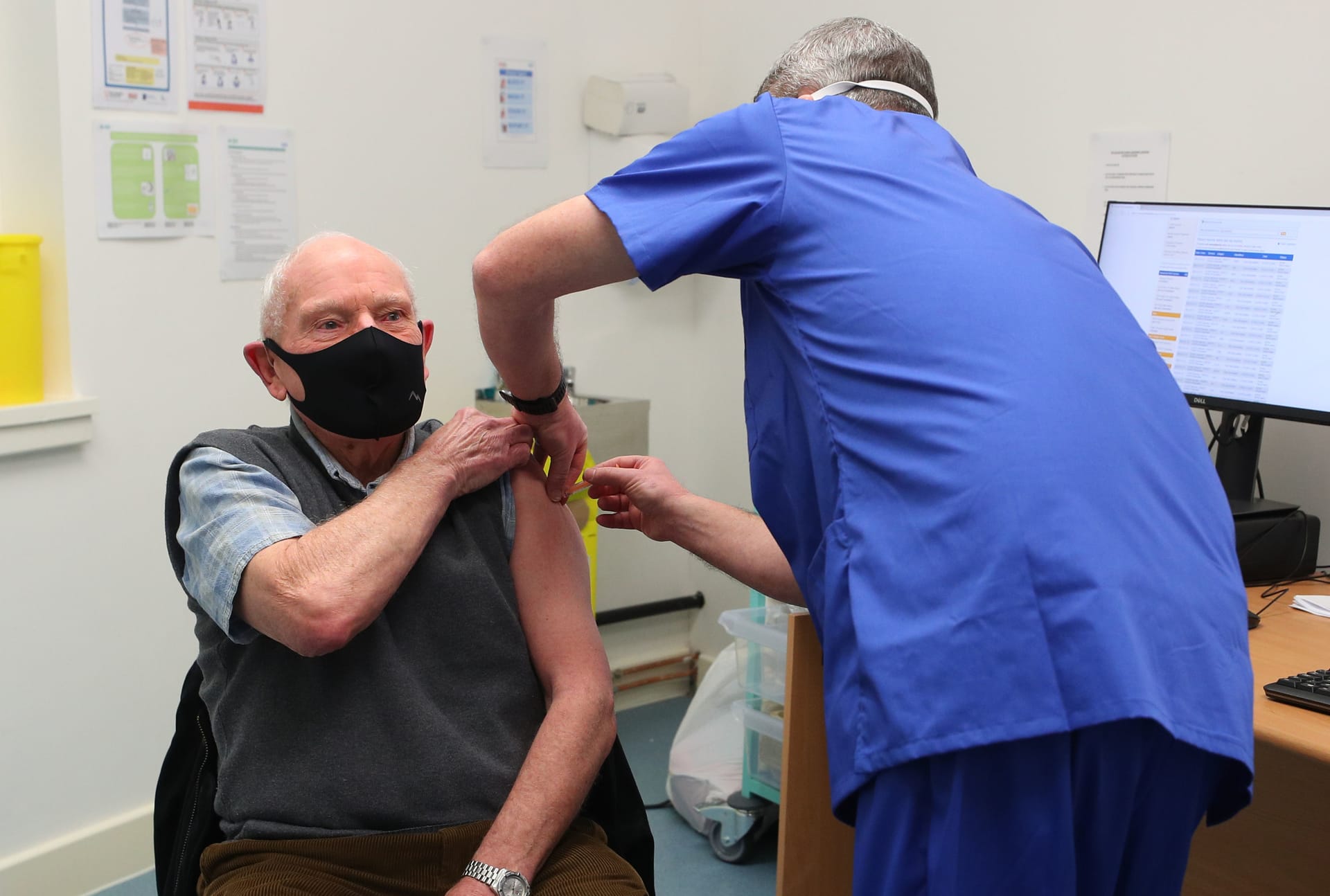 Medical Daily
FDA aprova novas vacinas contra COVID-19 para a temporada 2026-2027
• A FDA aprovou novas vacinas contra COVID-19 para a temporada 2026-2027, projetadas especificamente para combater a variante XFG. • As vacinas foram aprovadas para adultos com 65 anos ou mais, com a elegibilidade estendida a indivíduos mais jovens em grupos de alto risco, dependendo da dose específica.
Ler original · everydayhealth.com Everyday Health
Aprovações Recentes de Medicamentos pelo FDA Baseiam-se em Menos Estudos e Mais Financiamento da Indústria - Cancer Therapy Advisor
• Pesquisadores analisaram o impacto do 21st Century Cures Act, que permite ao FDA aprovar novos medicamentos com base em um único ensaio clínico pivotal em vez de múltiplos estudos. • As descobertas indicam que, desde 2016, o número de estudos que fundamentam as aprovações de novos medicamentos nos EUA tem diminuído constantemente.
Ler original · cancertherapyadvisor.comFDA concede aprovação acelerada para novo medicamento inovador contra o câncer de pâncreas | Pesquisa sobre câncer
• A Food and Drug Administration (FDA) dos EUA concedeu aprovação acelerada ao daraxonrasib, um medicamento oral inédito projetado para tratar a forma mais comum de câncer de pâncreas. • Desenvolvido pela Revolution Medicines, o fármaco funciona como um inibidor multiseletivo de Ras, visando drivers genéticos específicos da doença.
Ler original · theguardian.com