APOD: 2026 October 3 – Selfie at Vera Rubin Ridge - NASA Science
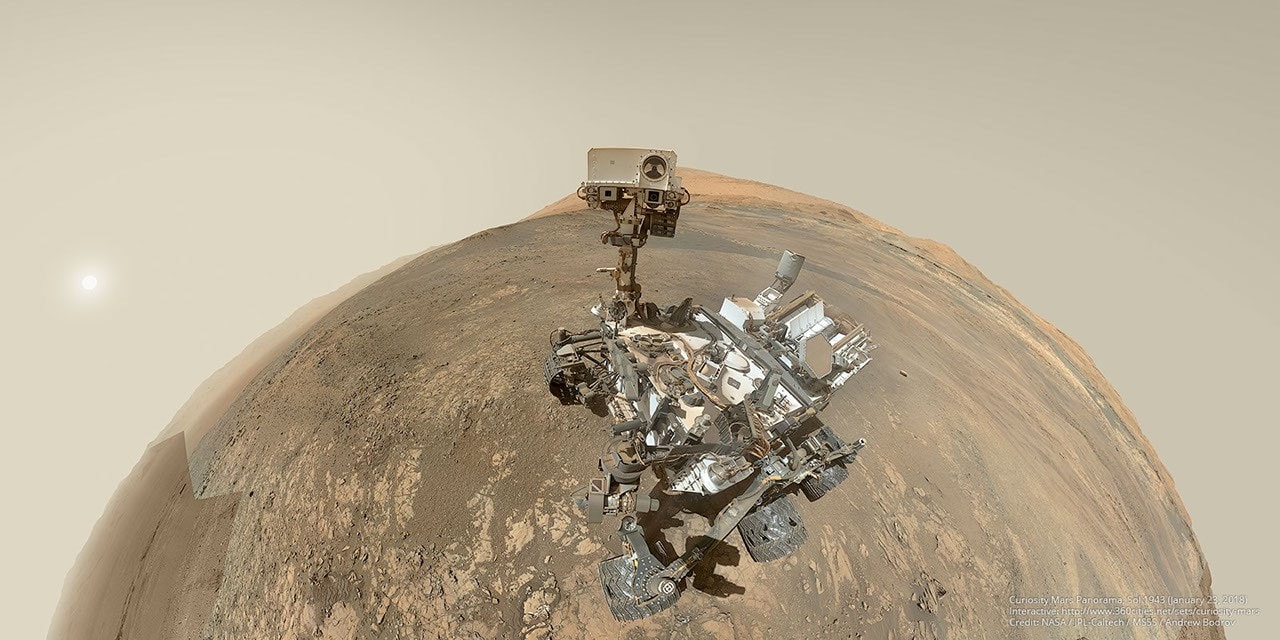
- The Curiosity Rover captured a selfie at the south rim of Vera Rubin Ridge on sol 1943 of its Mars exploration mission.
- This image was recorded on January 23, 2018, during a Martian solar day, which is roughly 40 minutes longer than an Earth day.
- The photograph provides a visual record of the rover's position and the geological features of the Martian surface for scientists.
Sources & Citations
1 sourceMore Stories
NASA's First Selection for a New Class of Mission: The PRIMA Far-Infrared Telescope - Universe Today
• NASA announced Wednesday that the PRobe far-Infrared Mission for Astrophysics (PRIMA) is moving to the next phase of development. • This space telescope is the first selection in a new class of astrophysics missions called Probe Explorers.
Read original · universetoday.com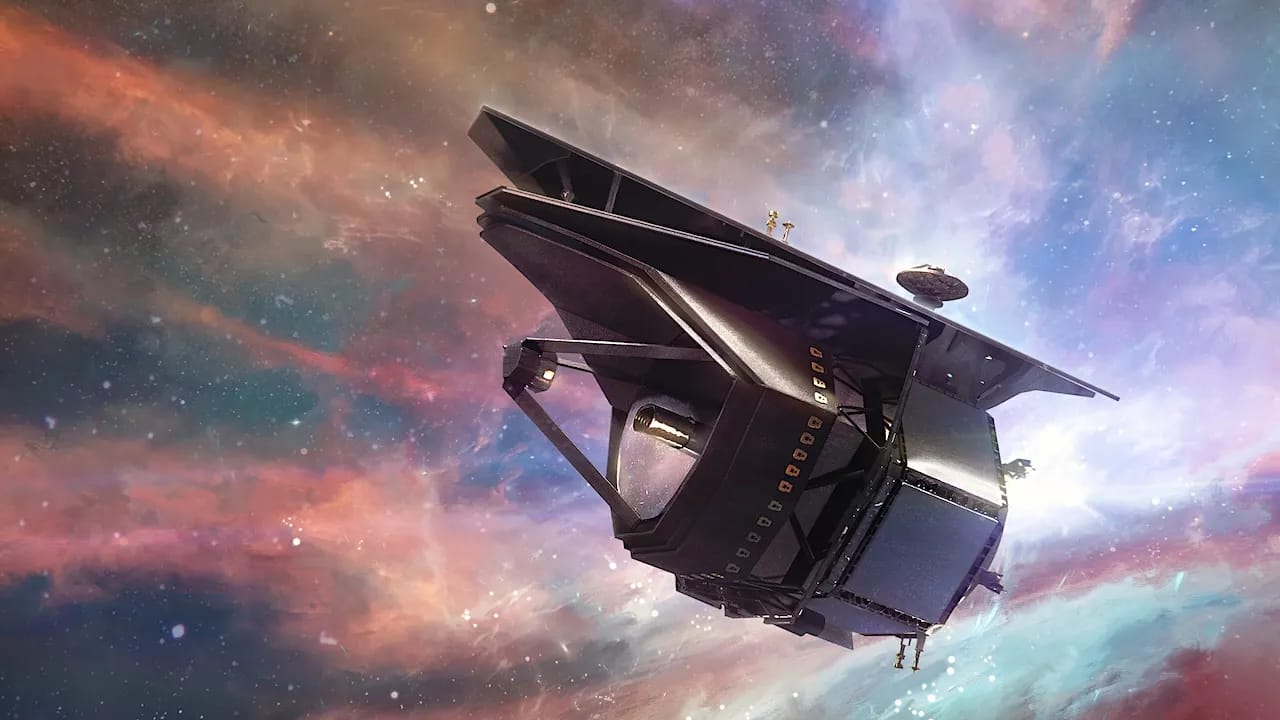 Universe Today
SpaceX launches Google AI satellite, 129 other payloads on 2nd leg of spaceflight tripleheader (video)
• SpaceX launched 130 payloads into orbit on October 1 as part of the second leg of a planned three-mission series. • The Transporter-18 mission lifted off at 2:32 p.m. ET and included a prototype satellite powered by Google AI.
Read original · space.com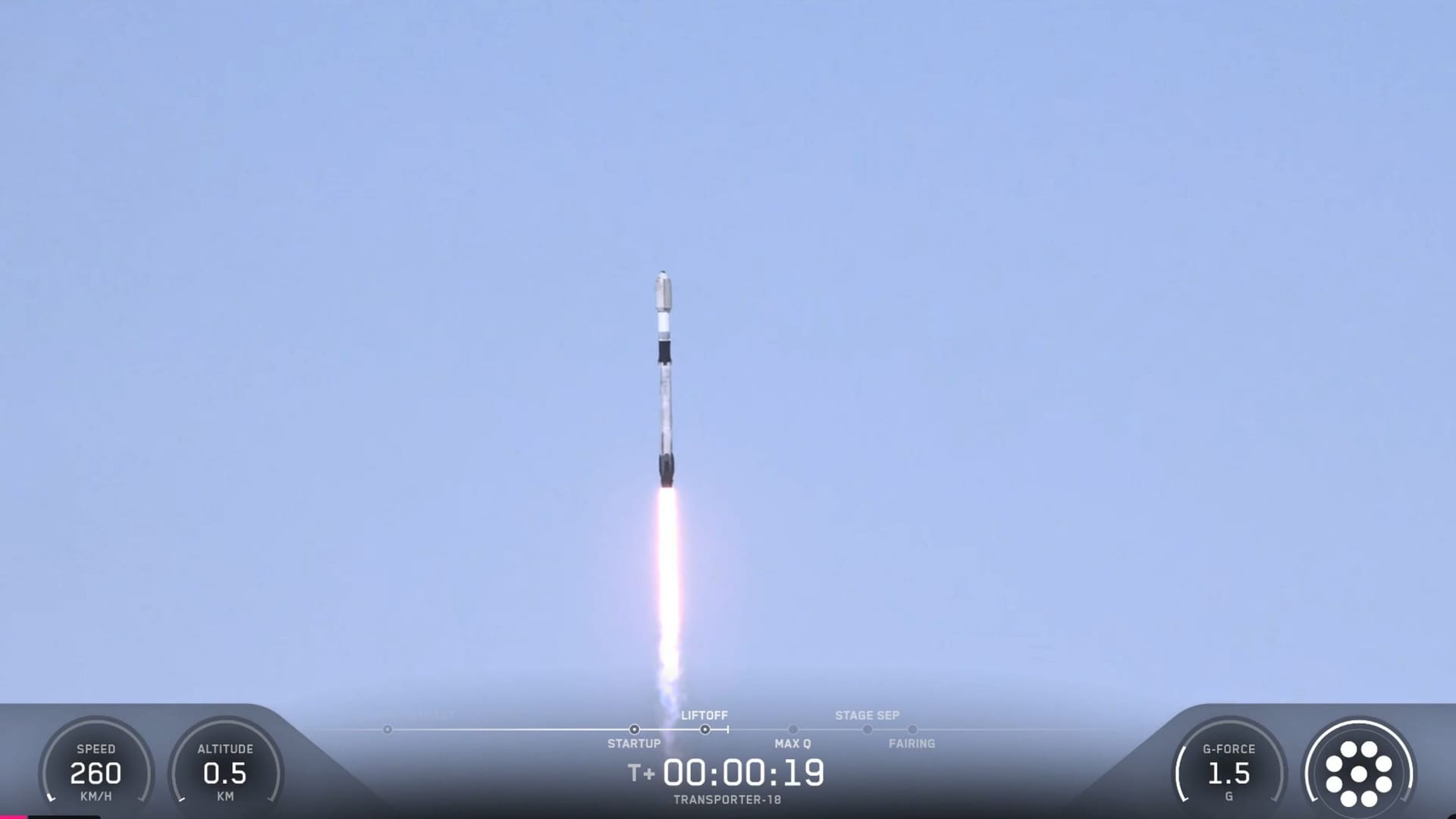 Space.com
Quantum teleportation breakthrough: Scientists crack a 25-year entanglement challenge
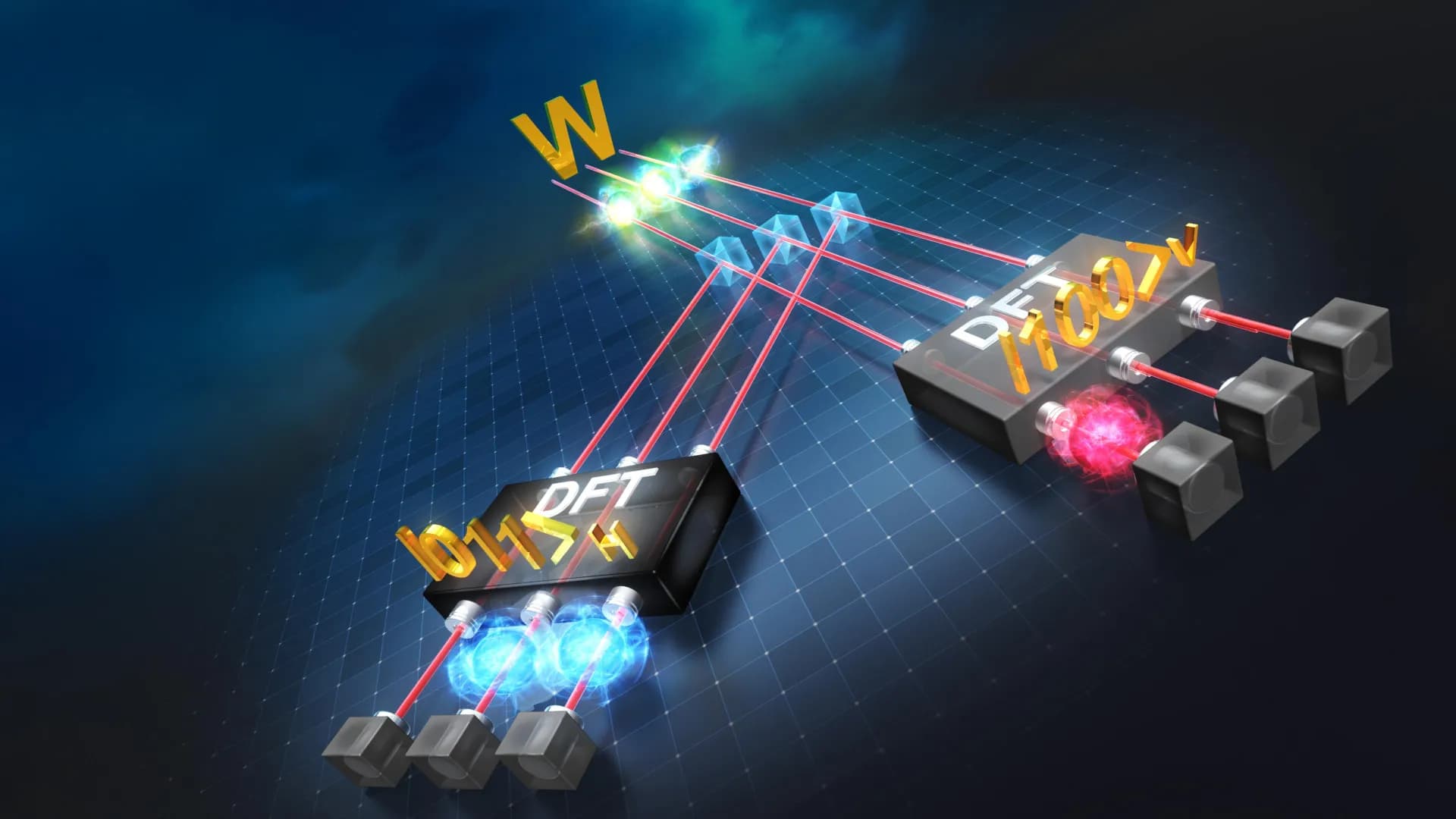
• Scientists developed and experimentally demonstrated a new method to identify W states, which are a complex form of multi-photon quantum entanglement. • This technique solves a 25-year-old challenge by providing a way to measure multi-photon systems that were previously too difficult to identify.
Read original · sciencedaily.com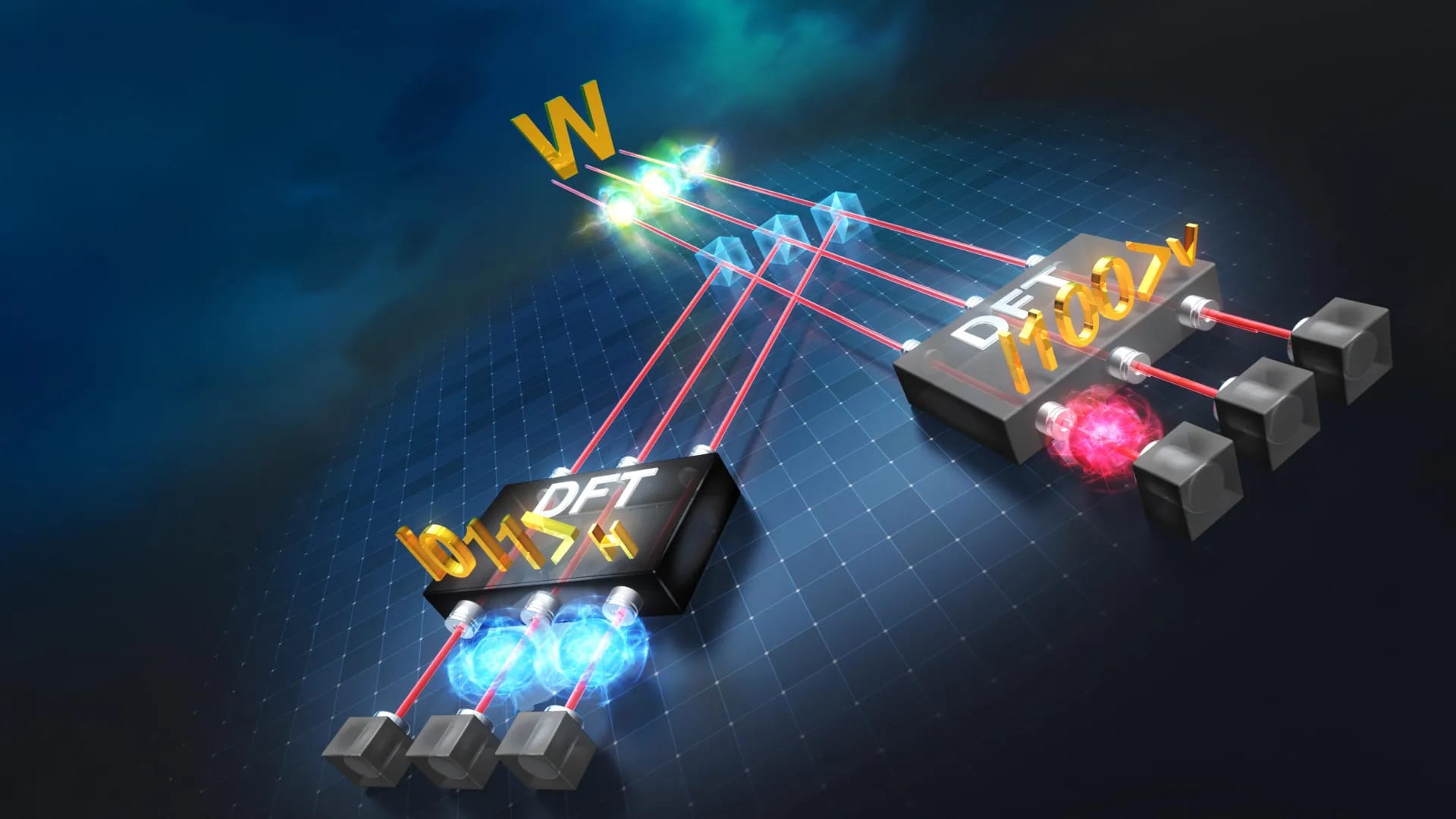 ScienceDaily
Scientists may have misread a 2-billion-year-old clue about Earth
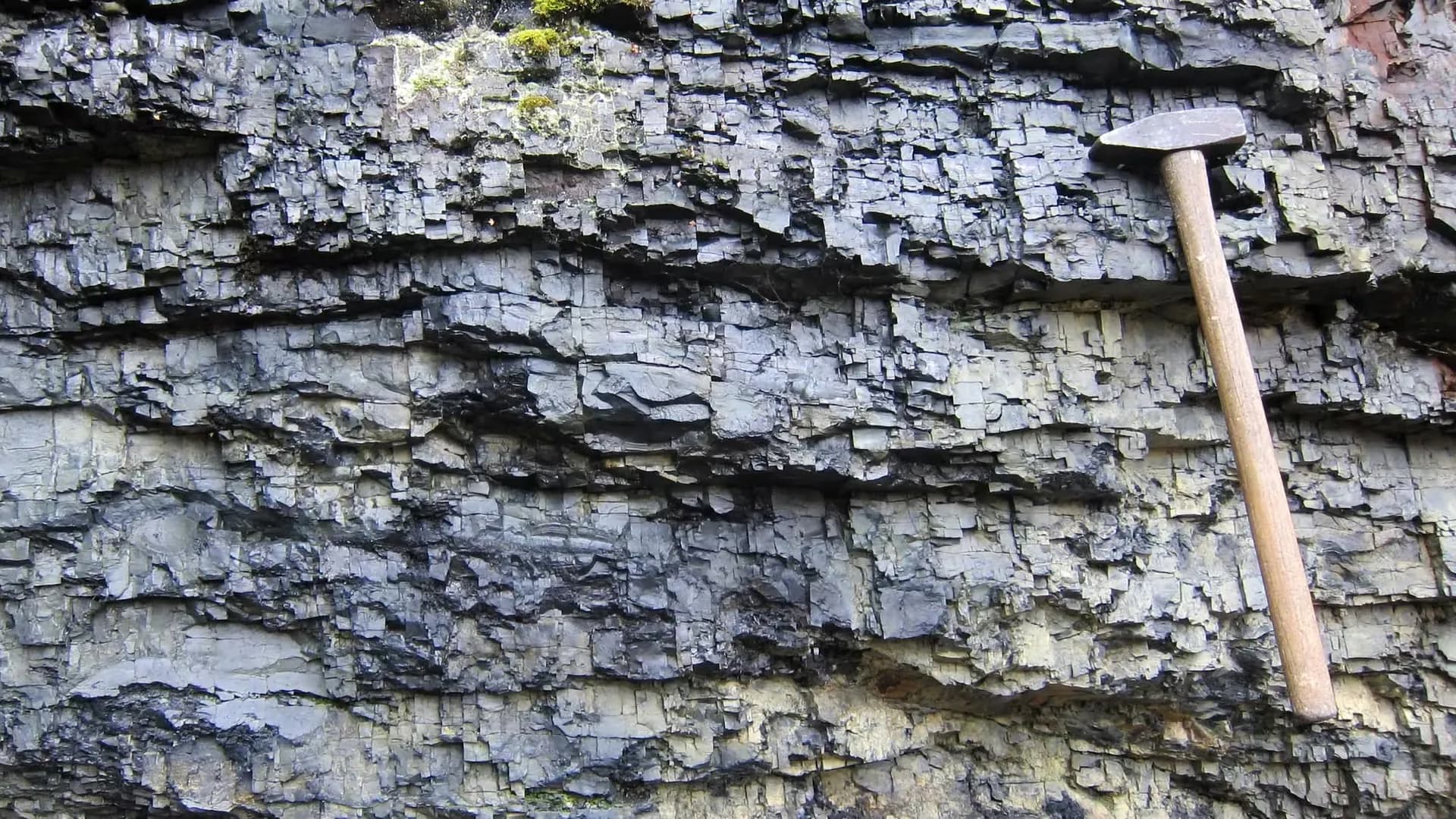
• Scientists discovered that a 2-billion-year-old chemical signature previously linked to a global carbon cycle shift may have been caused by local magma and microbes. • The signature was likely produced by a combination of hydrocarbons and methane-eating microbes rather than a planet-wide event.
Read original · sciencedaily.com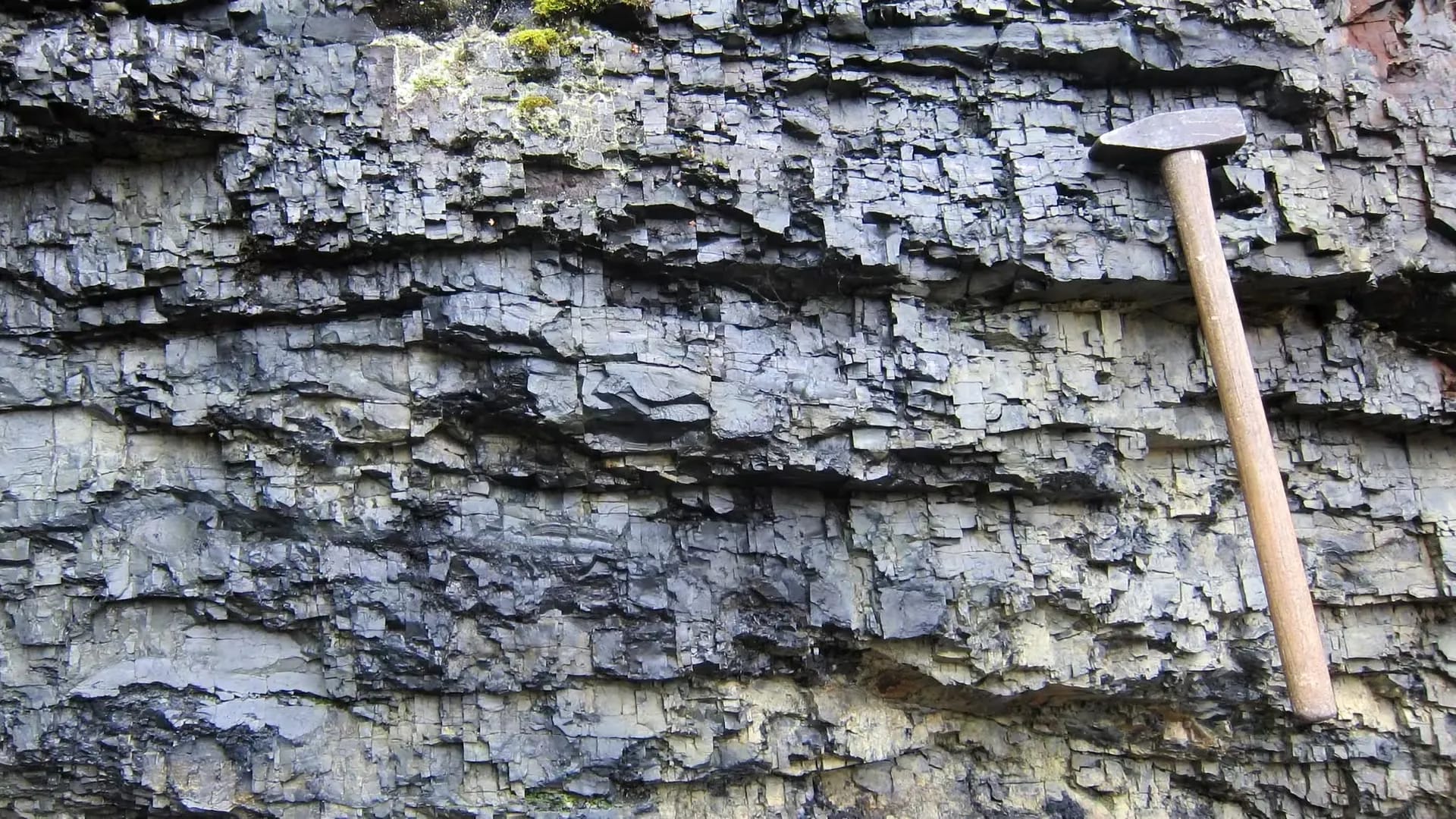 ScienceDaily
Astronauts arrive at International Space Station just 8 hours after launching
• SpaceX launched a crew of four astronauts from the U.S., Canada, and Russia to the International Space Station on Thursday. • The crew reached their destination using an express flight that lasted only eight hours.
Read original · apnews.comWho Will Win the 2026 Nobel Prize? Scientists Make Their Predictions
• Readers of The Scientist shared their predictions for the 2026 Nobel Prizes in Physiology or Medicine, Physics, and Chemistry. • The Nobel Committee will announce the official laureates between October 5 and October 12.
Read original · the-scientist.comEnvironmental Science News -- ScienceDaily
• ScienceDaily published a collection of environmental research updates covering climate data errors, chemical weaknesses, and energy breakthroughs. • Reported stories include a critical Atlantic Ocean current weakening and a new hydrogen process that converts waste heat into clean fuel.
Read original · sciencedaily.com'We're rapidly running out of time': 7 of Earth's 9 life support systems already breached, and the situation is getting worse, report warns
• Scientists released an annual health check report warning that seven of Earth's nine life support systems have already been breached. • The report states that the planet is rapidly running out of time to reverse these damages.
Read original · livescience.com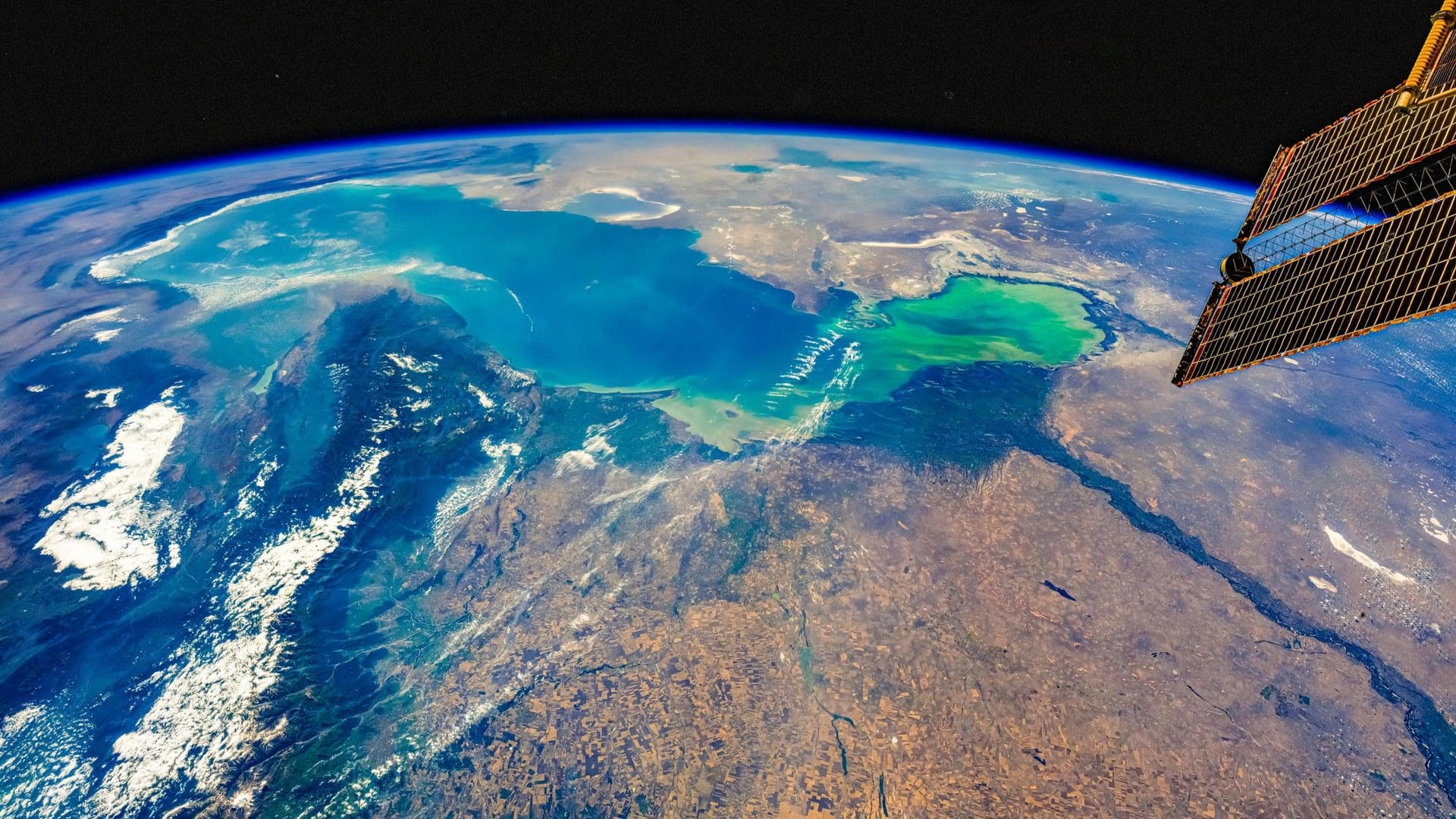 Live Science
Jupiter-bound JUICE spacecraft just got an 8,000 mph speed boost from Earth: 'This is great news for science'
• The JUICE spacecraft returned to Earth on Sept. 28 to perform a gravity assist, which uses a planet's pull to increase a vehicle's velocity. • This maneuver provided the spacecraft with a speed boost of 8,000 mph to help it continue its voyage toward Jupiter.
Read original · space.com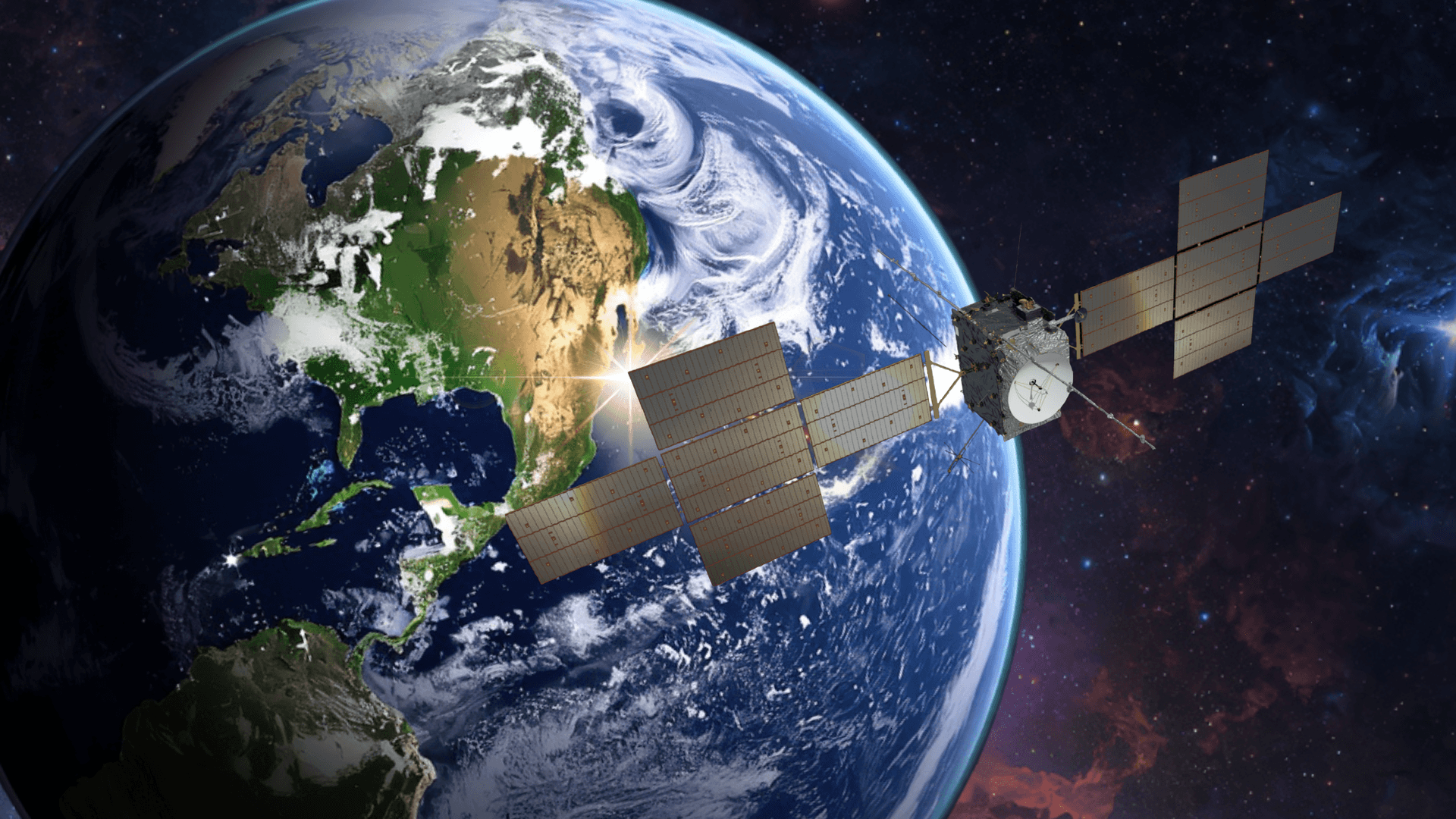 Space.com
Genetics News -- ScienceDaily
• Scientists mapped cat cancer genetics on a large scale on September 26, 2026, and discovered surprising similarities to human tumors. • The research identified genetic patterns in feline cancers that mirror those found in human oncology.
Read original · sciencedaily.comNASA teases new PRIMA telescope that could peer even deeper into the infrared universe than the James Webb Space Telescope
• NASA announced a new telescope concept called PRIMA that is being considered for a launch in 2033. • The mission aims to study the origins of planets and galaxies by peering deeper into the infrared universe than the James Webb Space Telescope.
Read original · livescience.com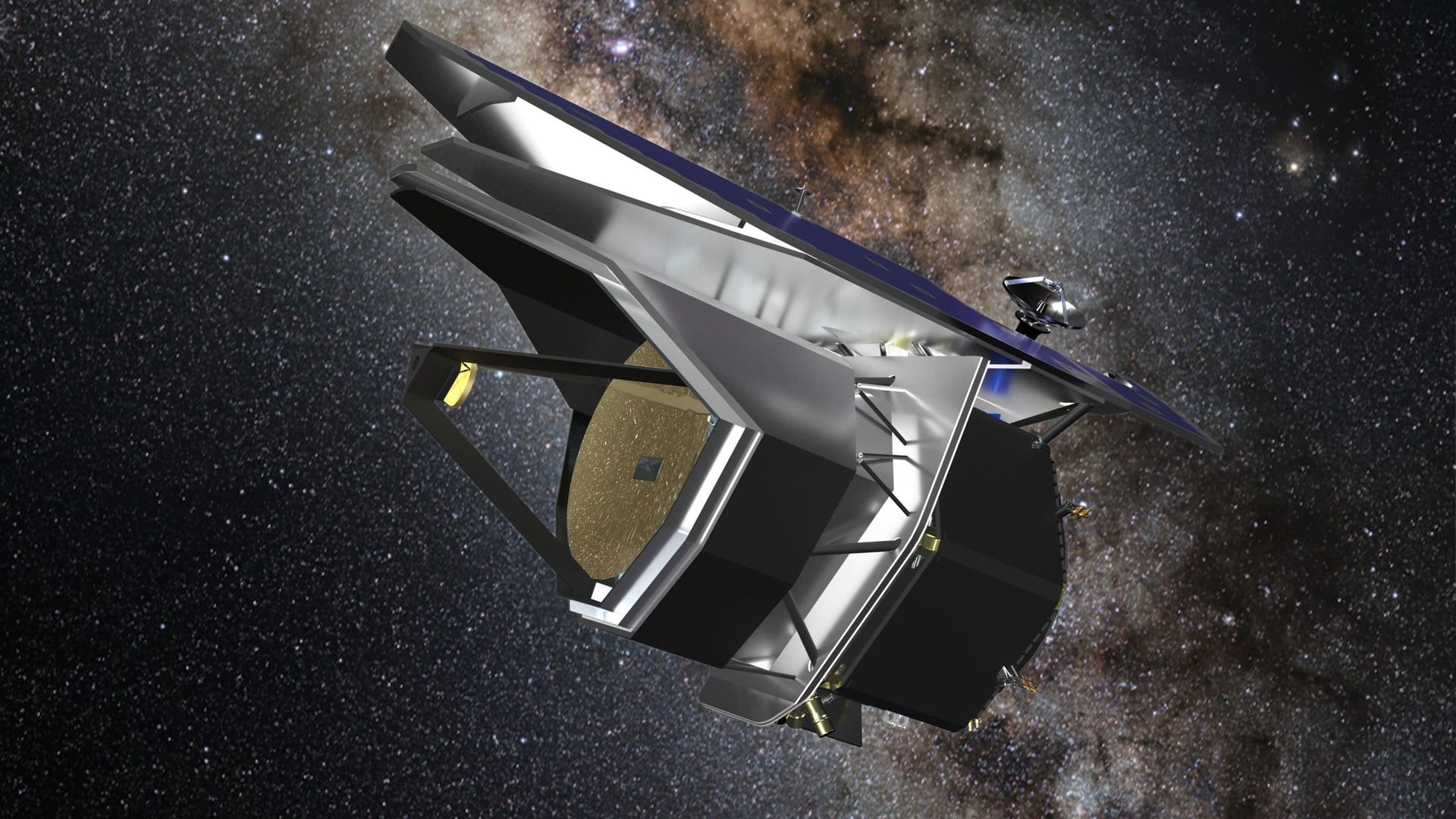 Live Science