Jupiter-bound JUICE spacecraft just got an 8,000 mph speed boost from Earth: 'This is great news for science'
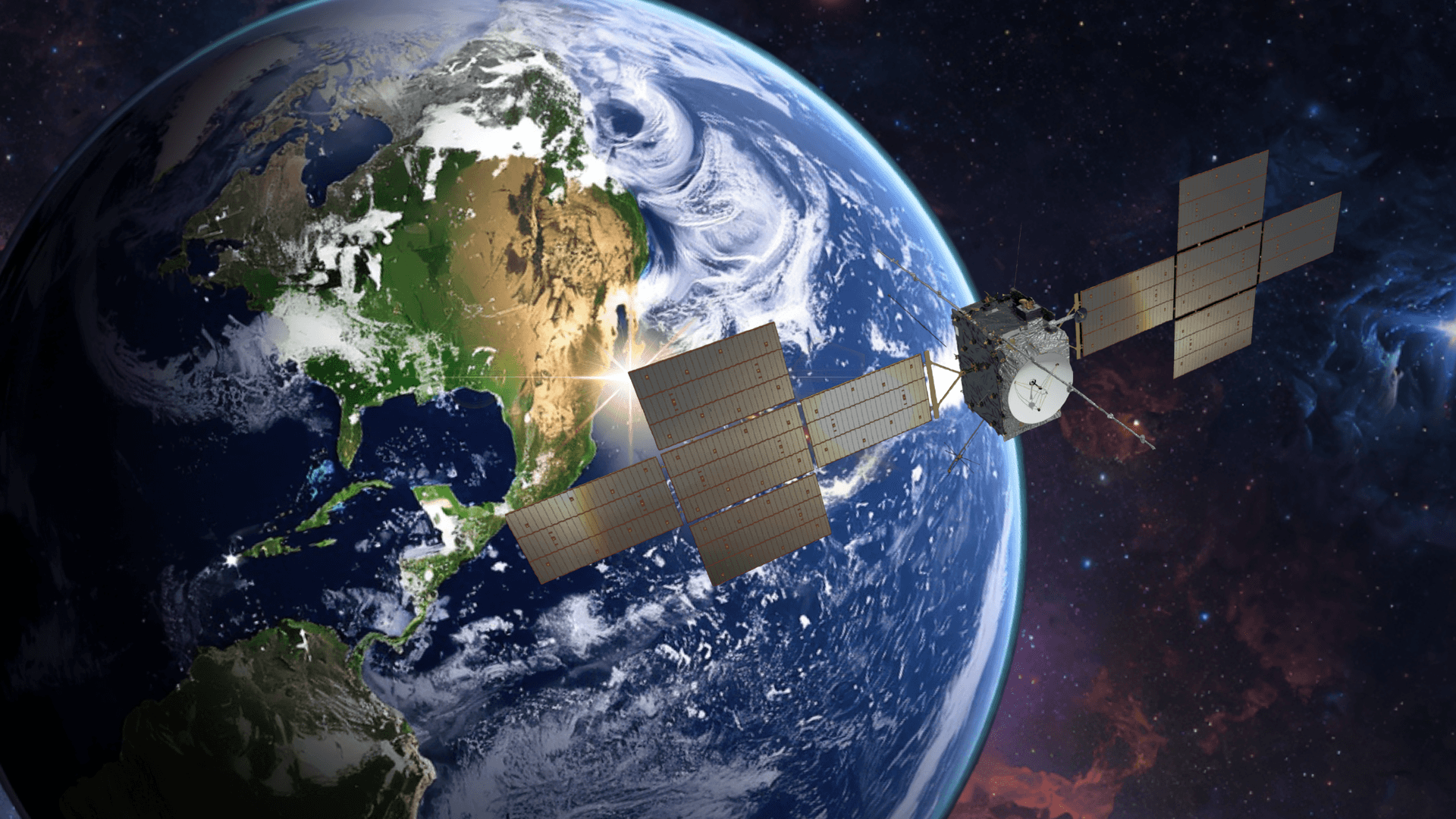
- The JUICE spacecraft returned to Earth on Sept. 28 to perform a gravity assist, which uses a planet's pull to increase a vehicle's velocity.
- This maneuver provided the spacecraft with a speed boost of 8,000 mph to help it continue its voyage toward Jupiter.
- The successful flyby ensures the mission can reach its destination, though officials noted that such maneuvers are risky and require continuous monitoring.
Sources & Citations
1 sourceMore Stories
'We're rapidly running out of time': 7 of Earth's 9 life support systems already breached, and the situation is getting worse, report warns
• Scientists released an annual health check report warning that seven of Earth's nine life support systems have already been breached. • The report states that the planet is rapidly running out of time to reverse these damages.
Read original · livescience.com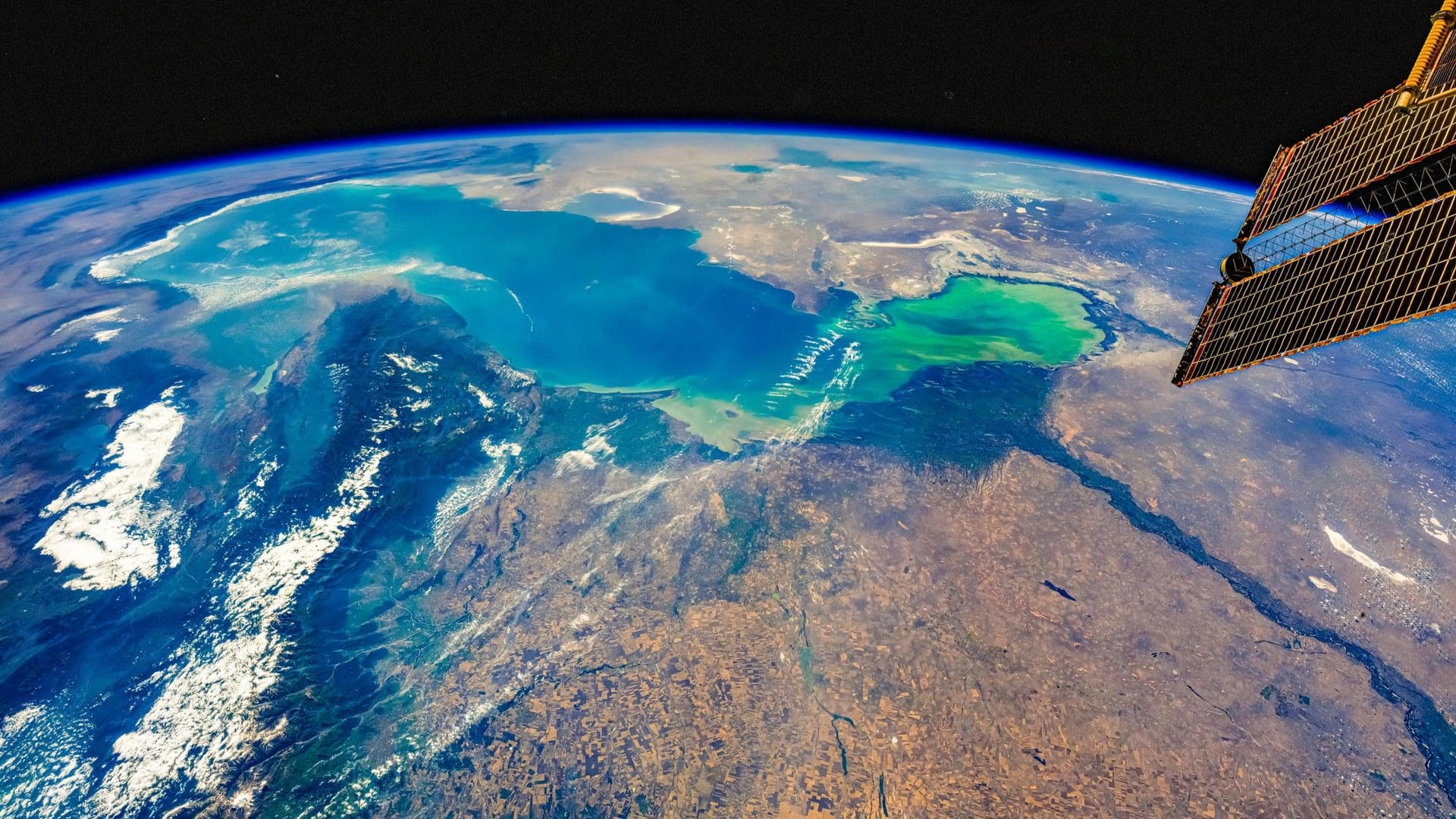 Live Science
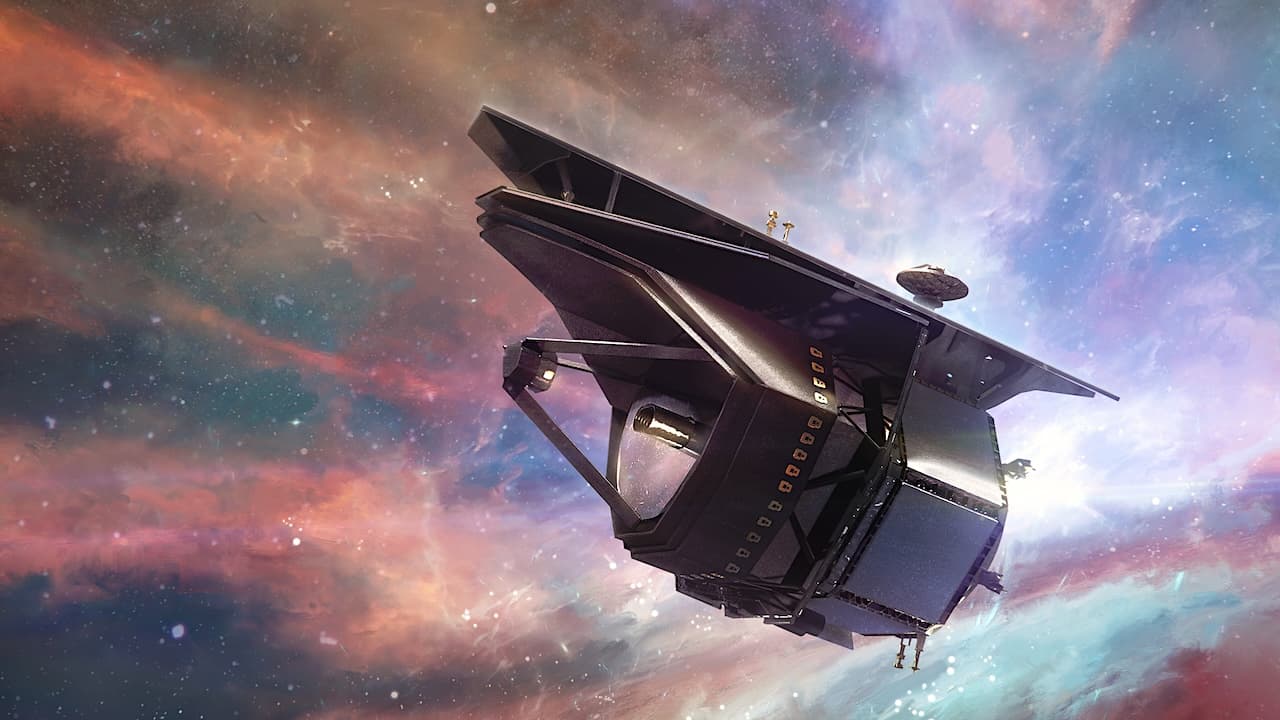
NASA teases new PRIMA telescope that could peer even deeper into the infrared universe than the James Webb Space Telescope
• NASA announced a new telescope concept called PRIMA that is being considered for a launch in 2033. • The mission aims to study the origins of planets and galaxies by peering deeper into the infrared universe than the James Webb Space Telescope.
Read original · livescience.com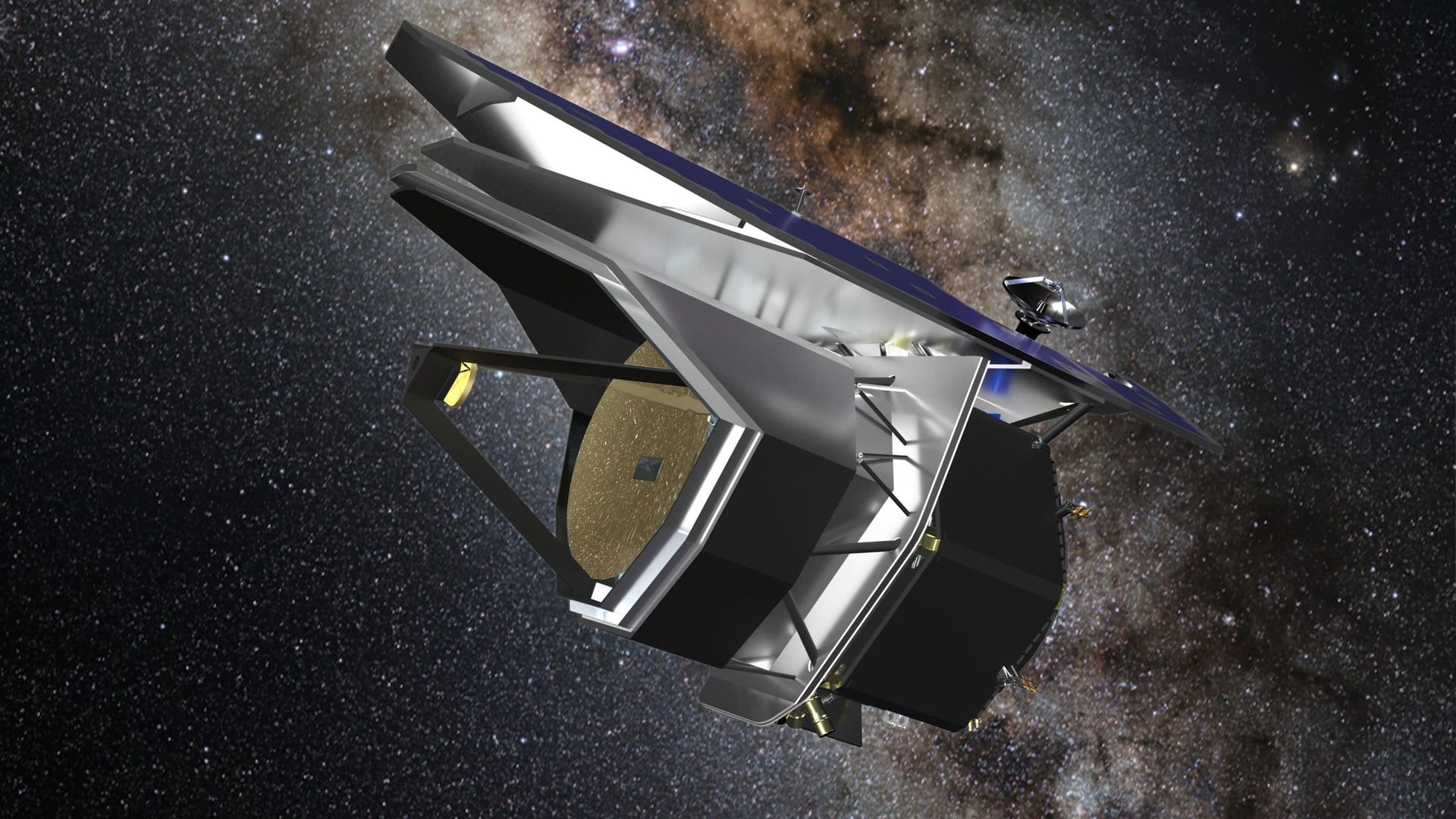 Live Science
Genetics News -- ScienceDaily
• Scientists mapped cat cancer genetics on a large scale on September 26, 2026, and discovered surprising similarities to human tumors. • The research identified genetic patterns in feline cancers that mirror those found in human oncology.
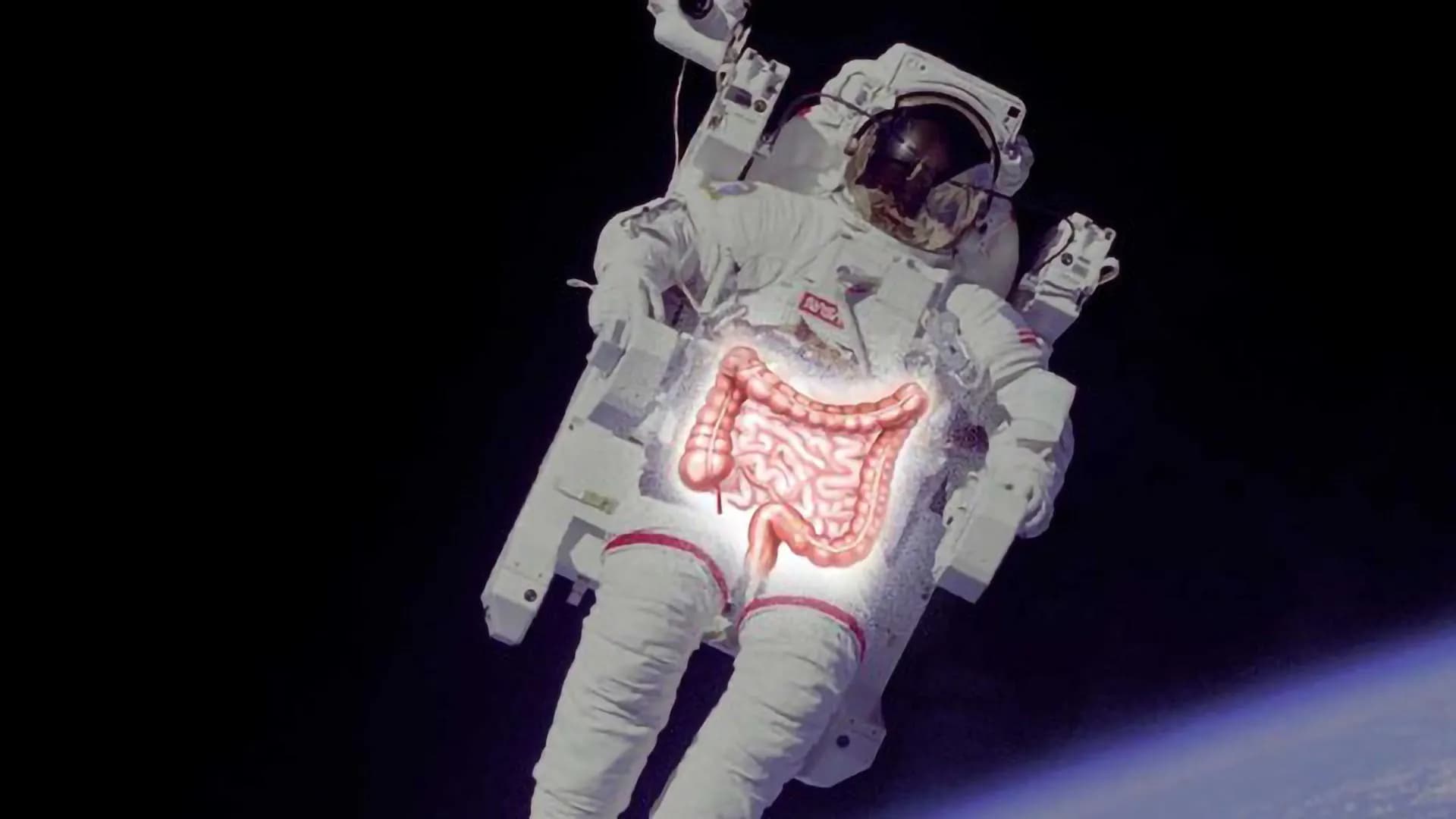
Read original · sciencedaily.comBlood tests reveal why astronauts get constipated in space
• Researchers discovered that spaceflight alters gut bacteria and slows digestion within weeks of leaving Earth. • The change causes bacteria to break down more protein as food moves more slowly through the intestines.
Read original · sciencedaily.com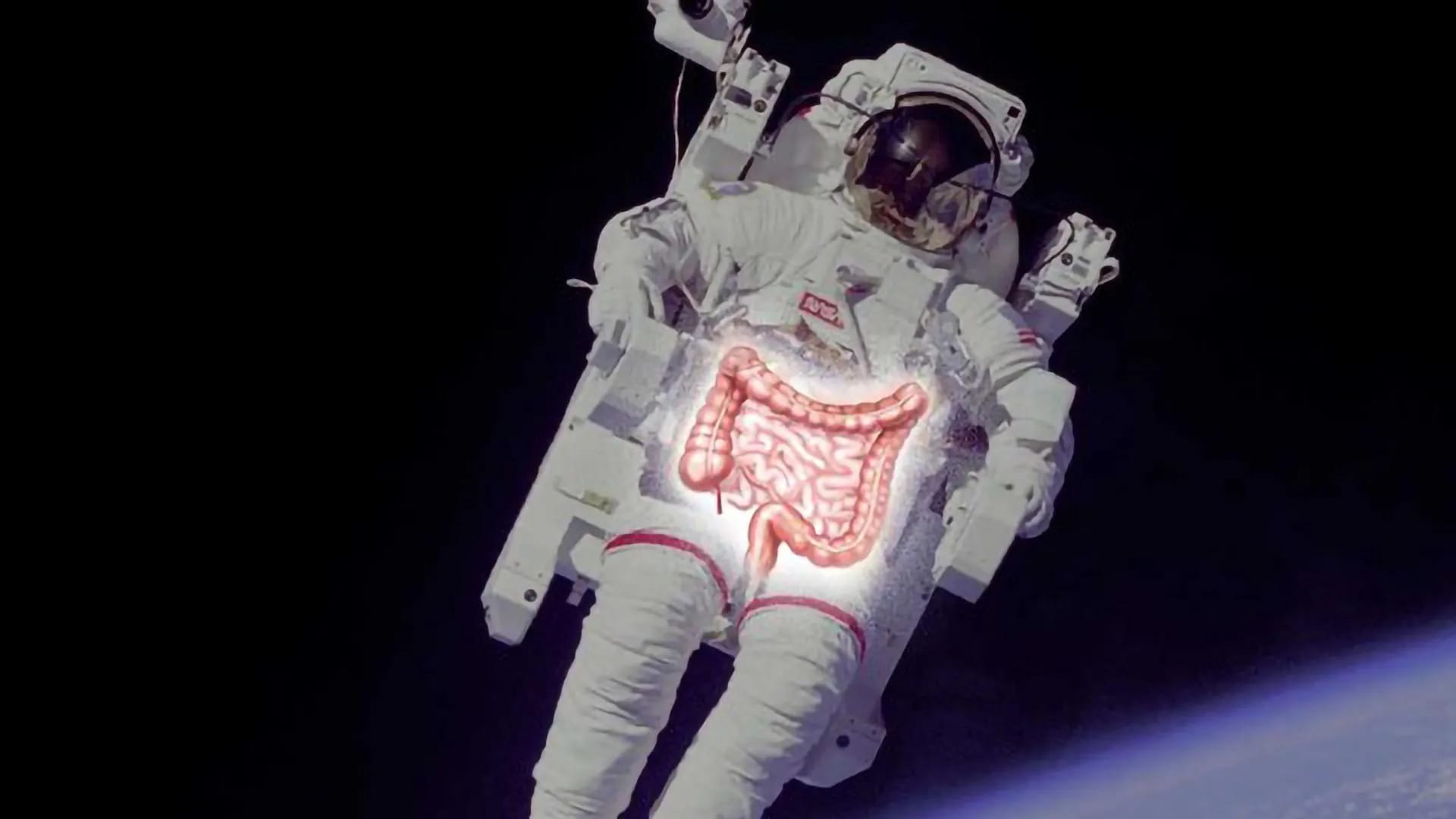 ScienceDaily
NASA Selects PRIMA (PRobe far-Infrared Mission for Astrophysics) Far-Infrared Telescope as First in New Mission Class - Astrobiology
• NASA announced on Wednesday the selection of the PRobe far-Infrared Mission for Astrophysics (PRIMA) as the first telescope in a new Probe Explorers mission class. • The mission follows a recommendation from the National Academies of Sciences, Engineering, and Medicine’s 2020 Decadal Survey to establish this specific category of exploration.
Read original · astrobiology.com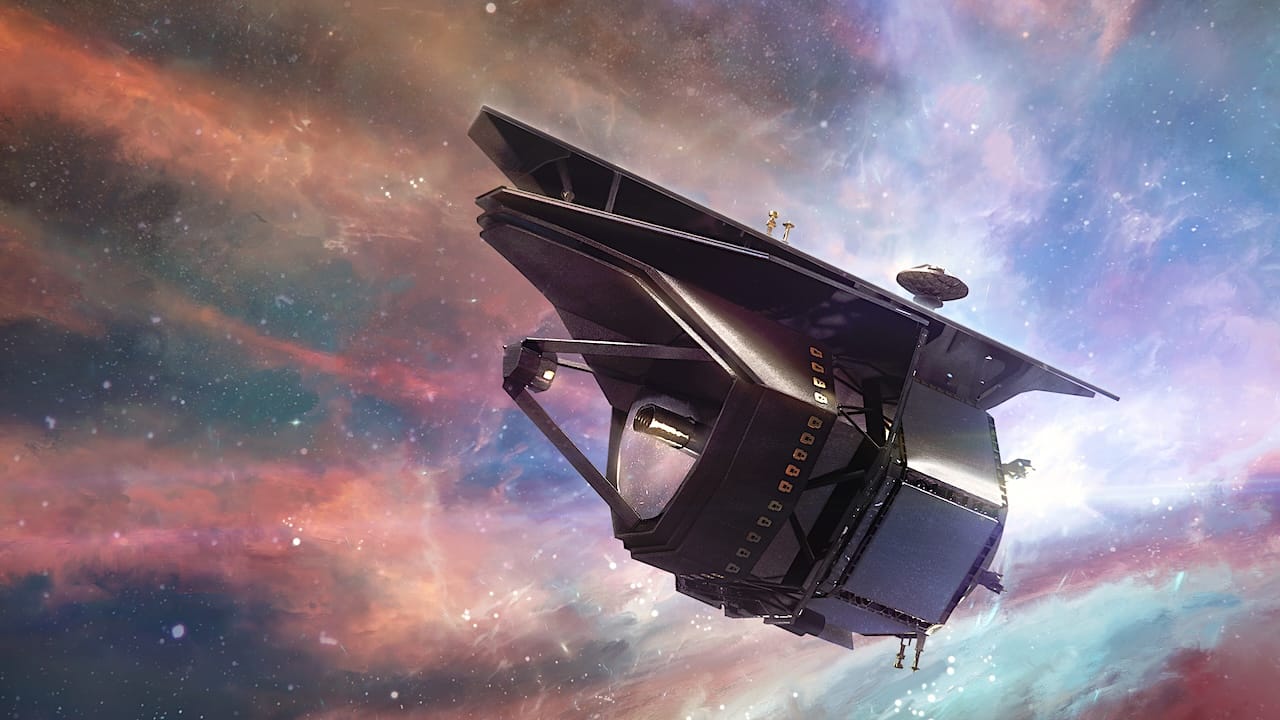 Astrobiology
Stanford scientists regrow lost cartilage and reverse arthritis in major breakthrough
• Stanford scientists developed a treatment that blocks an aging-related protein to regrow lost cartilage and reverse arthritis in old mice. • The researchers used a 15-PGDH inhibitor, a type of drug that has already proven safe and active in Phase 1 clinical trials for muscle weakness.
Read original · sciencedaily.com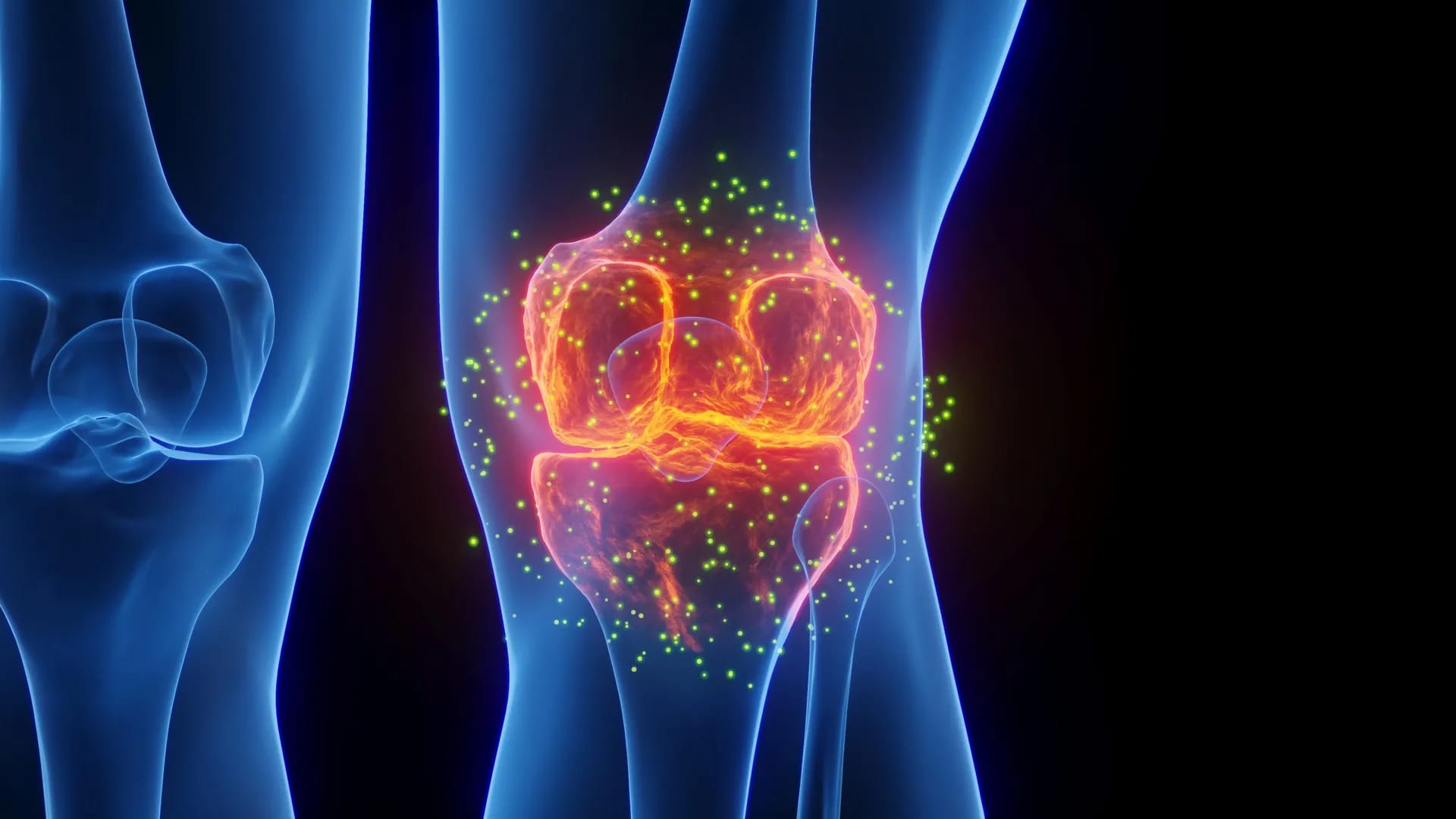 ScienceDaily
With PRIMA, NASA will try to build a billion-dollar space telescope in record time - Ars Technica
• NASA is developing the PRIMA mission to build a high-capability space telescope more quickly and at a lower cost than traditional flagship projects. • The agency plans to reduce expenses by utilizing spare parts from the James Webb Space Telescope.
Read original · arstechnica.com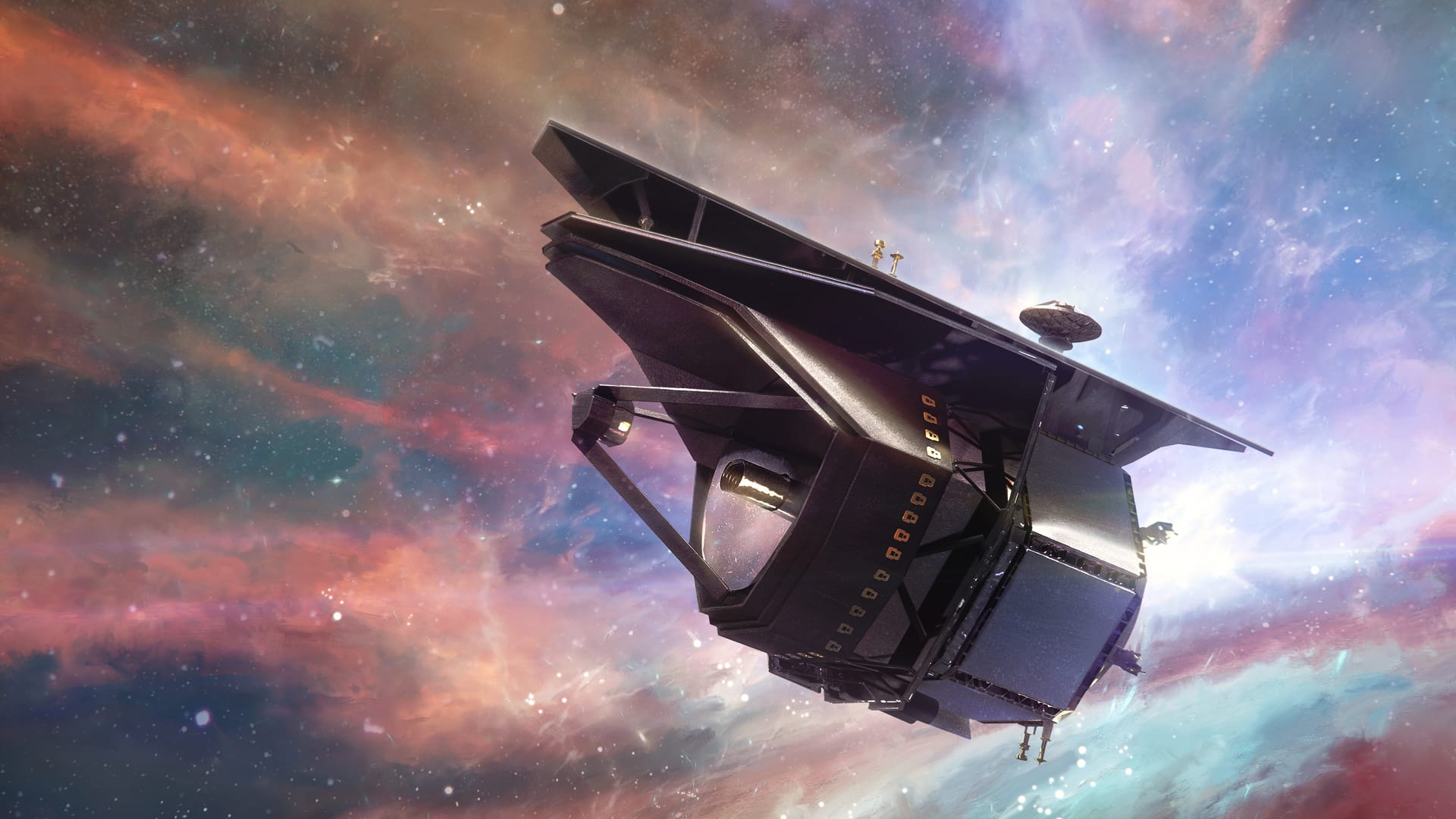 Ars Technica
Science Snapshots: September 27, 2026 - The Hindu
• Researchers published three distinct science breakthroughs on September 27, 2026, covering dam safety, antiviral defenses, and amoeba reproduction. • One study found that PFOS, a type of synthetic chemical, impairs the body's natural antiviral defense mechanisms.
Read original · thehindu.comNASA’s $1.2 billion plan to explore the history and evolution of the universe enters Phase B - The Economic Times
• NASA has progressed the PRIMA mission into Phase B, focusing on creating essential technologies and designs for a new space telescope. • The PRIMA mission has a budget of $1.2 billion and aims to perform detailed far-infrared surveys of the universe, allowing scientists to study cosmic phenomena.
Read original · economictimes.indiatimes.comAPOD: 2026 September 22 - Chance Triple Alignment: Plane, Space Station, Sun - NASA Science
• NASA's Astronomy Picture of the Day for September 22, 2026, features a rare triple alignment of a plane, the Space Station, and the Sun. • The image captures a brief moment when the plane, the Space Station, and the Sun aligned in the sky, creating a unique visual effect.
Read original · science.nasa.gov NASA Science
On this day in space! Sept. 24, 2014: India's 1st Mars probe Mangalyann enters orbit around the Red Planet in epic feat of space engineering
• India's Mangalyaan orbiter successfully entered into orbit around Mars on September 24, 2014, marking the country's first interplanetary mission. • The mission was achieved at a fraction of the cost of a NASA Mars mission, making it a notable achievement in space engineering.
Read original · space.com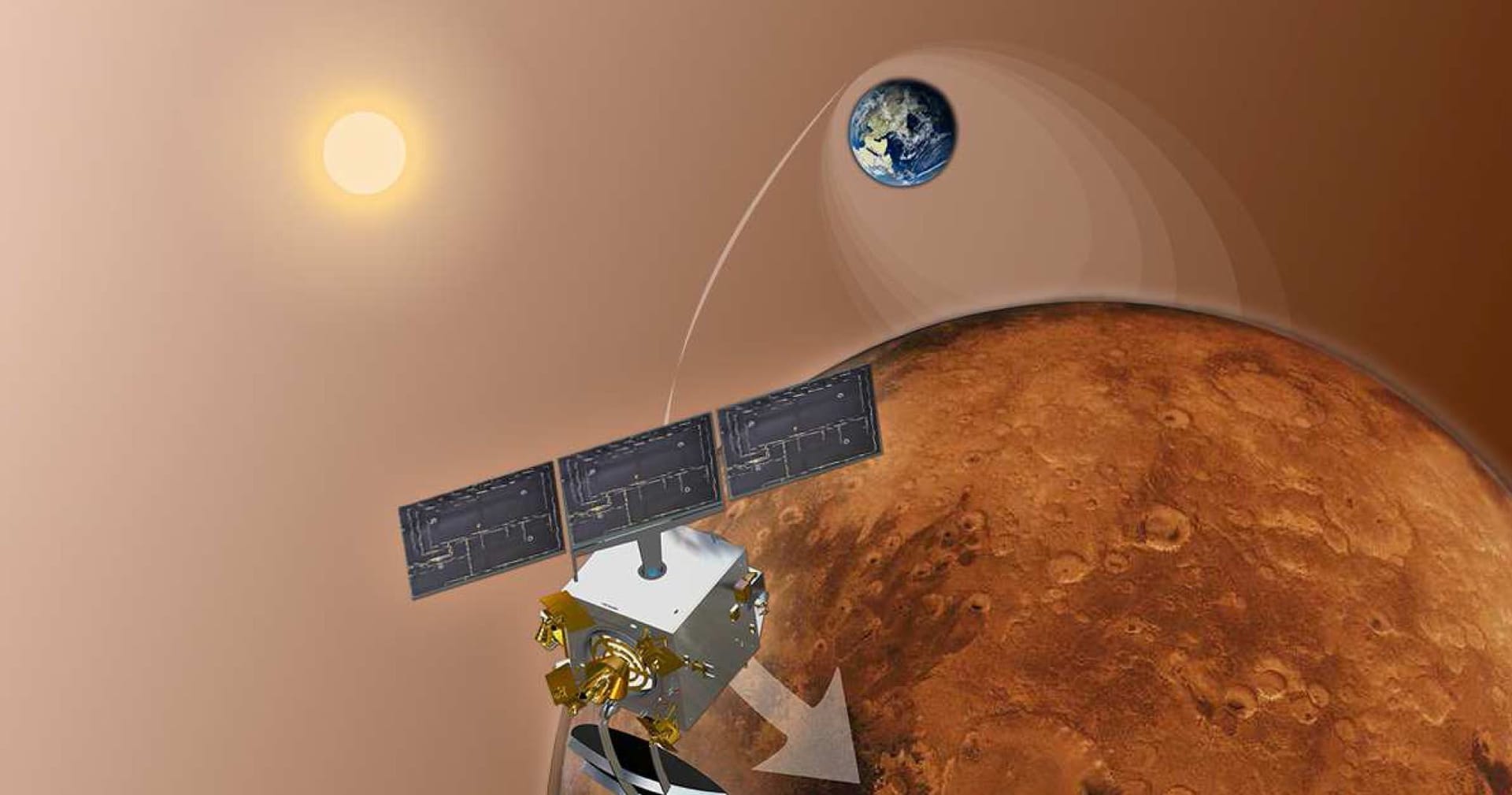 Space.com