Data centers in space: Four big obstacles and Elon Musk's ambitious timeline
- SpaceX CEO Elon Musk is planning to launch orbital data centers by late 2027 to support the growing infrastructure needs of artificial intelligence.
- Other industry observers disagree with this timeline, suggesting that significant scale for space-based computing is more likely to arrive in the 2030s.
- These centers would move massive AI processing loads off-planet, but they require major technical advancements in cooling and power before becoming practical.
Sources & Citations
1 sourceMore Stories
Galaxies tangled in science and spirit
• Students used the Gemini North Telescope on Maunakea to capture images of two spiral galaxies locked in each other's gravity. • The project highlighted the intersection of science and spirit through the observation of these interacting celestial bodies.
Read original · space.com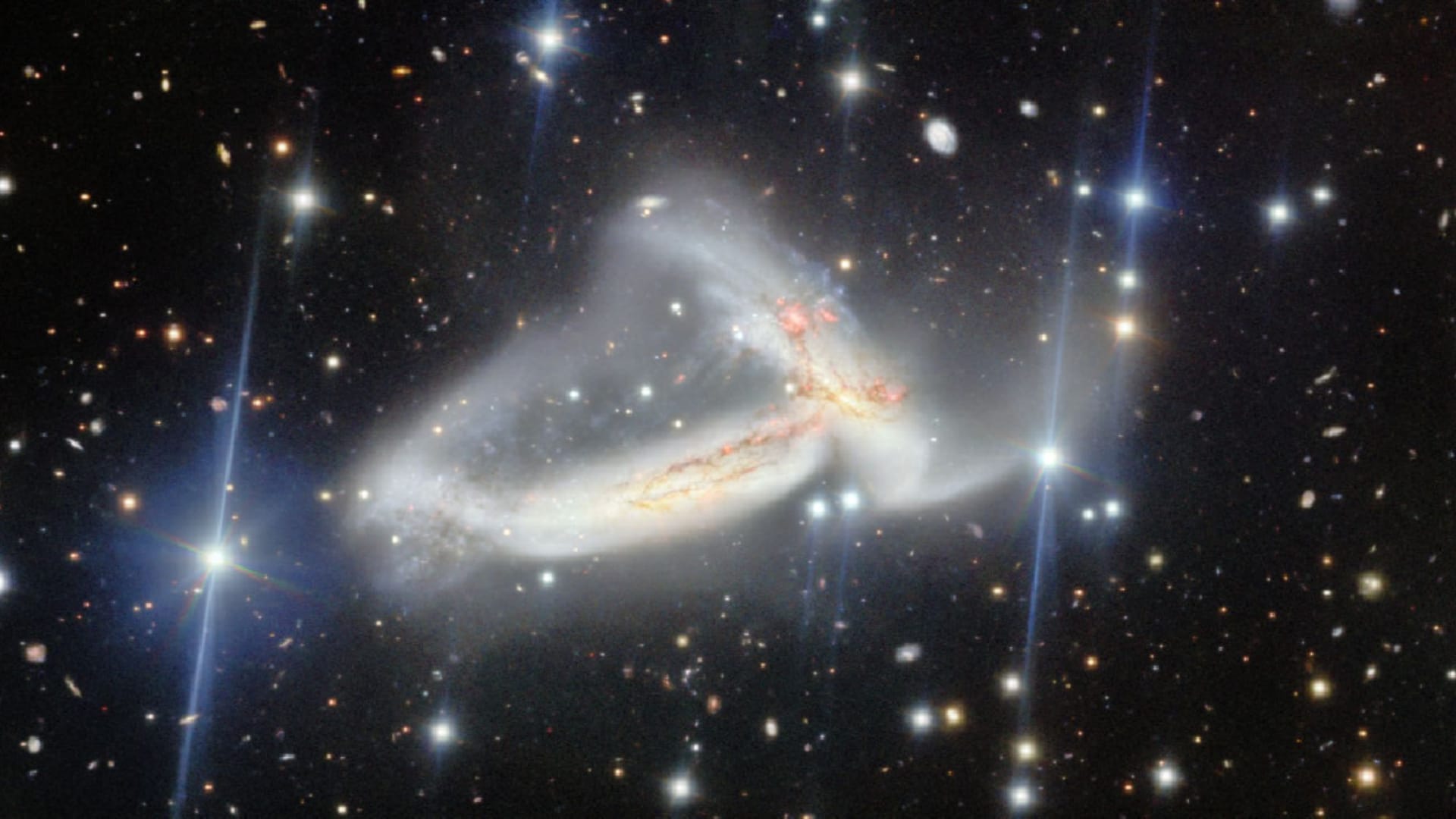 Space.com
Nearly 14 years into its Mars mission, NASA’s Curiosity rover photographed a valley called Valle Grande in June 2026 and found the ground carpeted with honeycomb-like fractures, each just 4–8 centimetres across, stretching in every direction as far as its cameras could see. - ScienceBlog.com
• NASA’s Curiosity rover photographed a valley called Valle Grande in June 2026, discovering a vast field of honeycomb-like ground fractures. • The rover captured images of small polygonal fractures that measure between 4 and 8 centimeters across.
Read original · scienceblog.com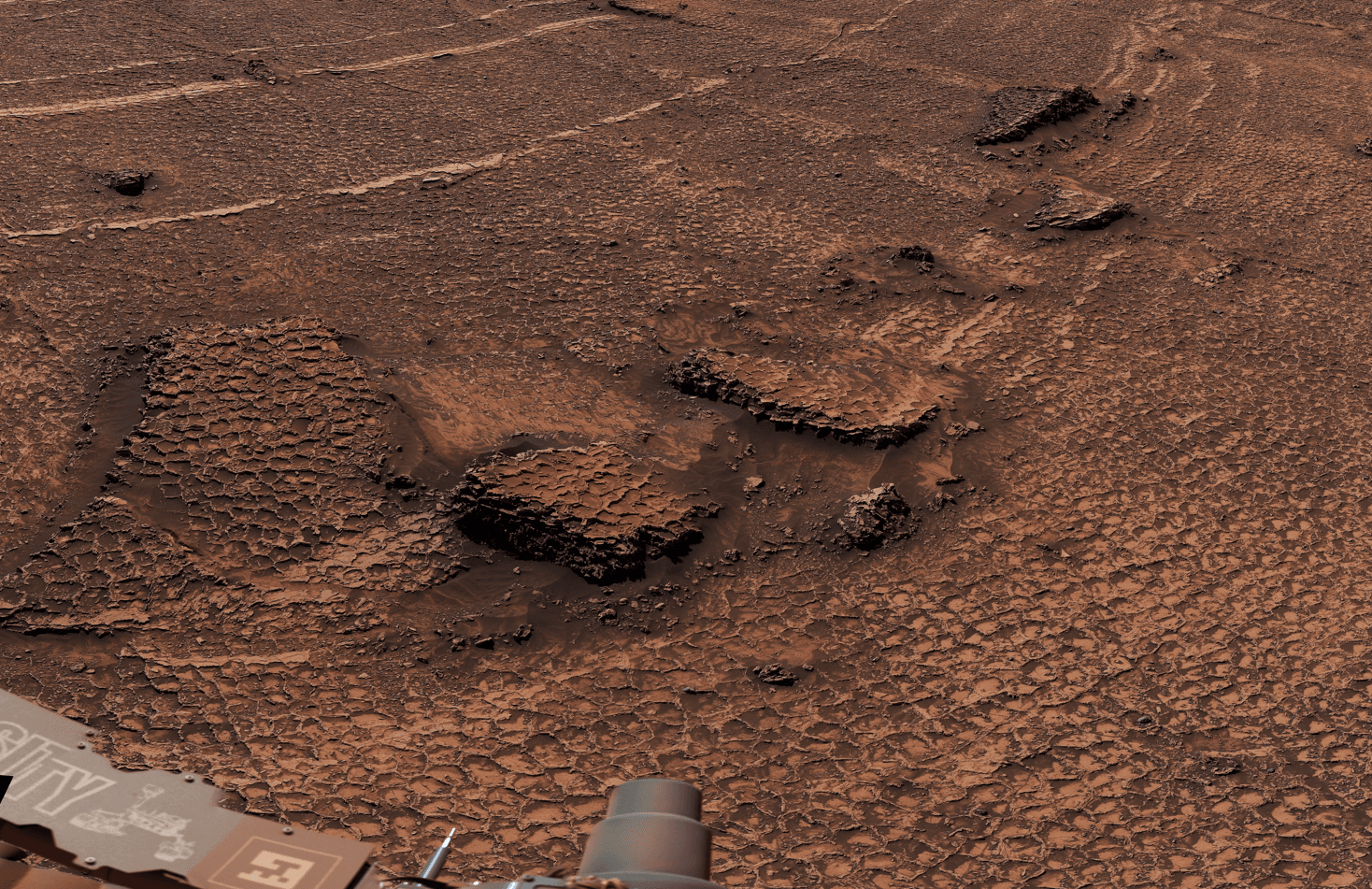 ScienceBlog
The best new popular science books of September 2026 include new titles by Carlo Rovelli and Xand van Tulleken
• Major science authors including Carlo Rovelli, Xand van Tulleken, Maggie Aderin, and Jim Al-Khalili released new books in September 2026. • Carlo Rovelli's new title argues that philosophers have not yet caught up to the revolution brought about by quantum physics.
Read original · newscientist.com New Scientist
Many space missions are searching for life beyond Earth – but are we prepared for the fallout if they succeed?
• NASA and the European Space Agency have launched uncrewed probes, including the Europa Clipper and Jupiter Icy Moons Explorer, to search for life-sustaining conditions on Jupiter's moons. • Researchers are combining data from these probes with findings from the James Webb Space Telescope and future missions to Saturn's moon Enceladus to identify microbial life.
Read original · theconversation.com The Conversation
Science Snapshots: September 6, 2026 - The Hindu
• Researchers developed a new blood drying protocol to detect the Zika virus without using expensive purification equipment. • The method uses a heater and a low-cost sensor to shield RNA from enzymes, delivering results in two hours with accuracy comparable to top labs.
Read original · thehindu.comMIT researchers drilled a 2-by-3-foot hole through 3.6 feet of Arctic sea ice and sent a robot below; the prototype transmitted data through the ice at 1.2 kilobytes per second - The Times of India
• MIT researchers drilled a 2-by-3-foot hole through 3.6 feet of Arctic sea ice to deploy a robotic prototype. • The robot successfully transmitted data through the ice at a speed of 1.2 kilobytes per second.
Read original · timesofindia.indiatimes.comThis NASA-funded 'Slingshot' spacecraft idea could map minerals on planets and moons across our solar system
• NASA funded an early-stage spacecraft concept called "Slingshot" to develop new techniques for mapping minerals on the moon, asteroids, and Martian moons. • Project lead Sobron noted that landing in the wrong location could bankrupt a company or end an entire exploration program due to the high cost of failure.
Read original · space.com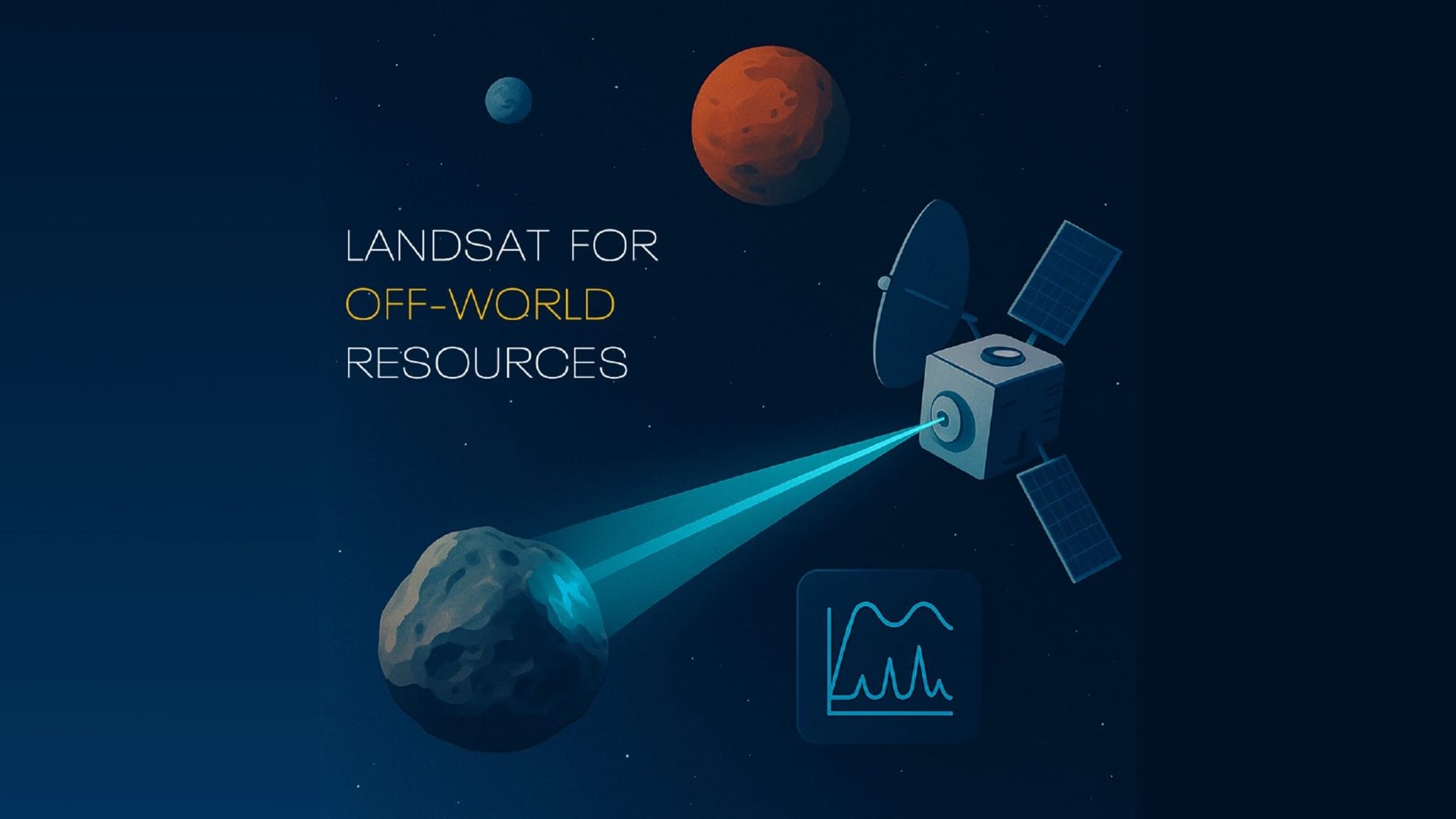 Space.com
Global Warming News -- ScienceDaily
• Scientists have found major errors in the Al Gore-founded Climate TRACE database, which tracks greenhouse gas emissions, and an Antarctic glacier has collapsed at a record speed, with the Hektoria glacier retreating 15 miles in just 15 months. • A study has reported that the Hektoria glacier's retreat is one of the fastest ever recorded, with the glacier moving back 15 miles in 15 months, which is a significantly faster pace than in previous years.
Read original · sciencedaily.comSpace Missions News -- ScienceDaily
• NASA selected the Artemis III crew on June 11, 2026, for a mission scheduled for 2027. • The mission is designed to test the future of lunar exploration through high-stakes operations on the Moon.
Read original · sciencedaily.comNASA PICASSO Awards - NASA Science
• NASA issued 10 new awards through its Planetary Instrument Concepts for the Advancement of Solar System Observations (PICASSO) program. • The PICASSO23 projects focus on creating technology to explore diverse environments ranging from the hot surface of Mercury to icy worlds at the Solar System's edge.
Read original · science.nasa.govAmendment 72: New Opportunity: A.17 Hydrosphere - NASA Science
• NASA issued Amendment 72 for the A.17 Hydrosphere solicitation to request research on the physics of Earth's water. • The program focuses on three specific scientific disciplines: ocean physics, terrestrial hydrology, and precipitation science.
Read original · science.nasa.gov NASA Science