NASA PICASSO Awards - NASA Science
- NASA issued 10 new awards through its Planetary Instrument Concepts for the Advancement of Solar System Observations (PICASSO) program.
- The PICASSO23 projects focus on creating technology to explore diverse environments ranging from the hot surface of Mercury to icy worlds at the Solar System's edge.
- These awards expand the available portfolio of instruments that NASA can use to develop future planetary exploration missions.
Sources & Citations
1 sourceMore Stories
On this day in space! Sept. 2, 2016: Rosetta spacecraft finds long-lost Philae lander on Comet 67P after 2-year search
• The European Space Agency located its Philae lander on the surface of Comet 67P on September 2, 2016, ending a two-year search. • Philae had previously made history as the first spacecraft to achieve a soft-landing on a comet before it disappeared from view.
Read original · space.com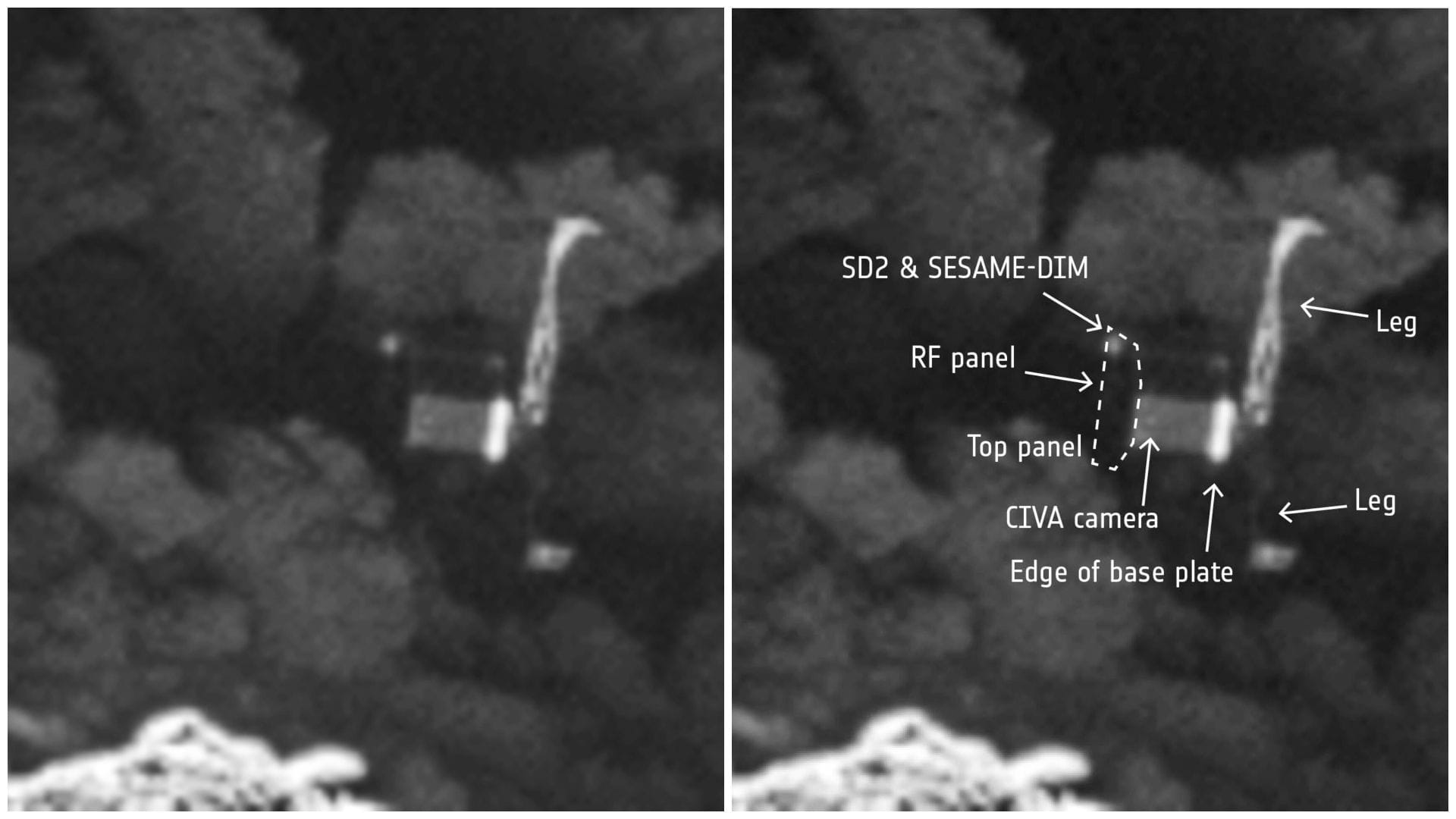 Space.com
Amendment 72: New Opportunity: A.17 Hydrosphere - NASA Science
• NASA issued Amendment 72 for the A.17 Hydrosphere solicitation to request research on the physics of Earth's water. • The program focuses on three specific scientific disciplines: ocean physics, terrestrial hydrology, and precipitation science.
Read original · science.nasa.gov NASA Science
NASA is preparing to launch the Nancy Grace Roman Space Telescope. Here's what to know
• NASA is preparing to launch the Nancy Grace Roman Space Telescope to survey a billion galaxies and trace the evolution of the universe. • The project utilizes decades of research into detector technology and contributions from the United States spy program.
Read original · pbs.org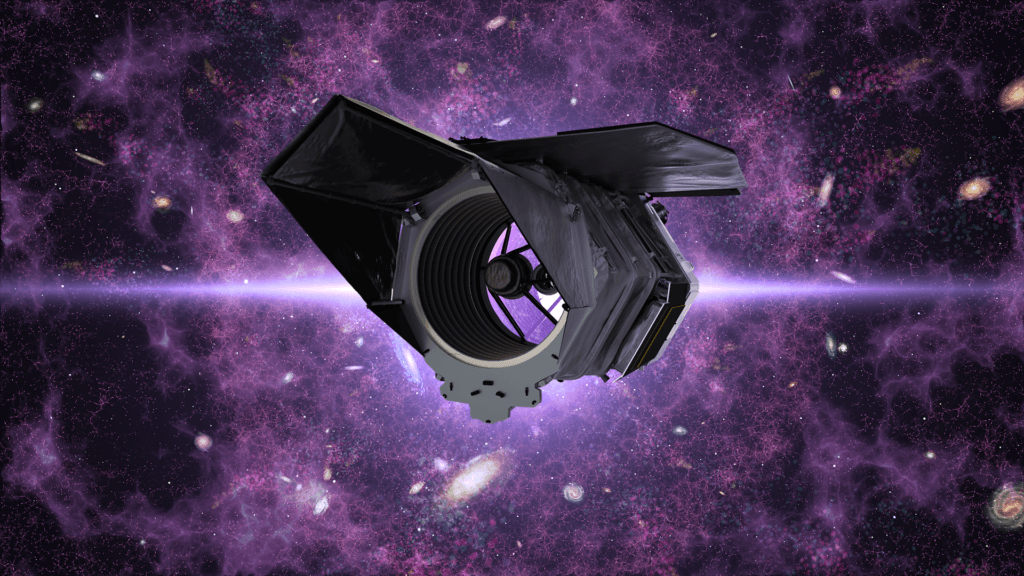 PBS NewsHour
News and Announcements - NASA Science
• NASA selected two science instruments for astronauts to deploy on the Moon's surface during the Artemis IV mission to the lunar south polar region. • These specific tools are designed to improve scientific knowledge of the lunar environment.
Read original · science.nasa.gov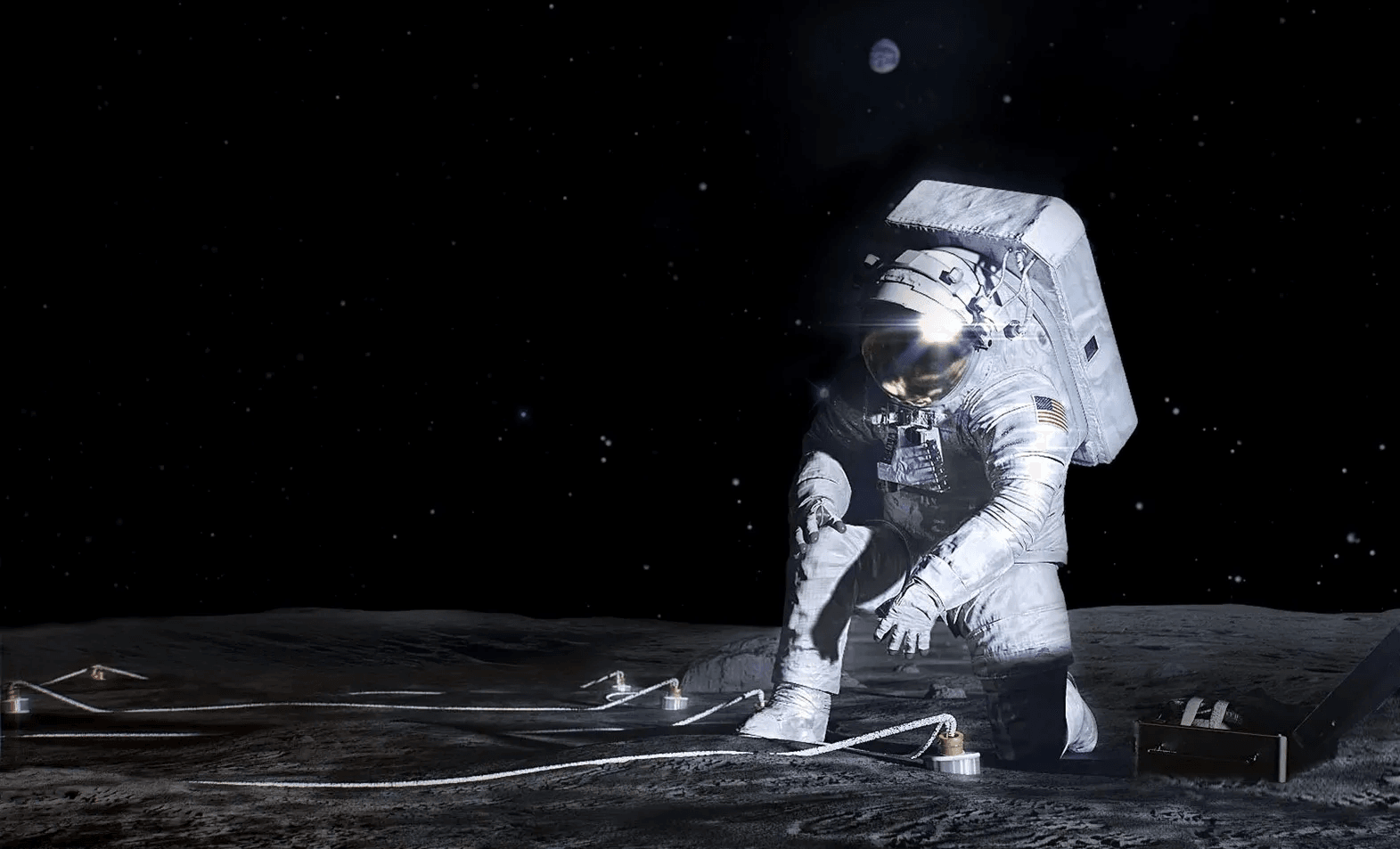 NASA Science
Scientists watch a comet being born 3 billion miles away
• Scientists observed the centaur 450P/LONEOS transforming into a comet by developing a coma, which is a fuzzy cloud of gas and dust. • The object is located approximately 3 billion miles away in the region between Jupiter and Neptune.
Read original · space.com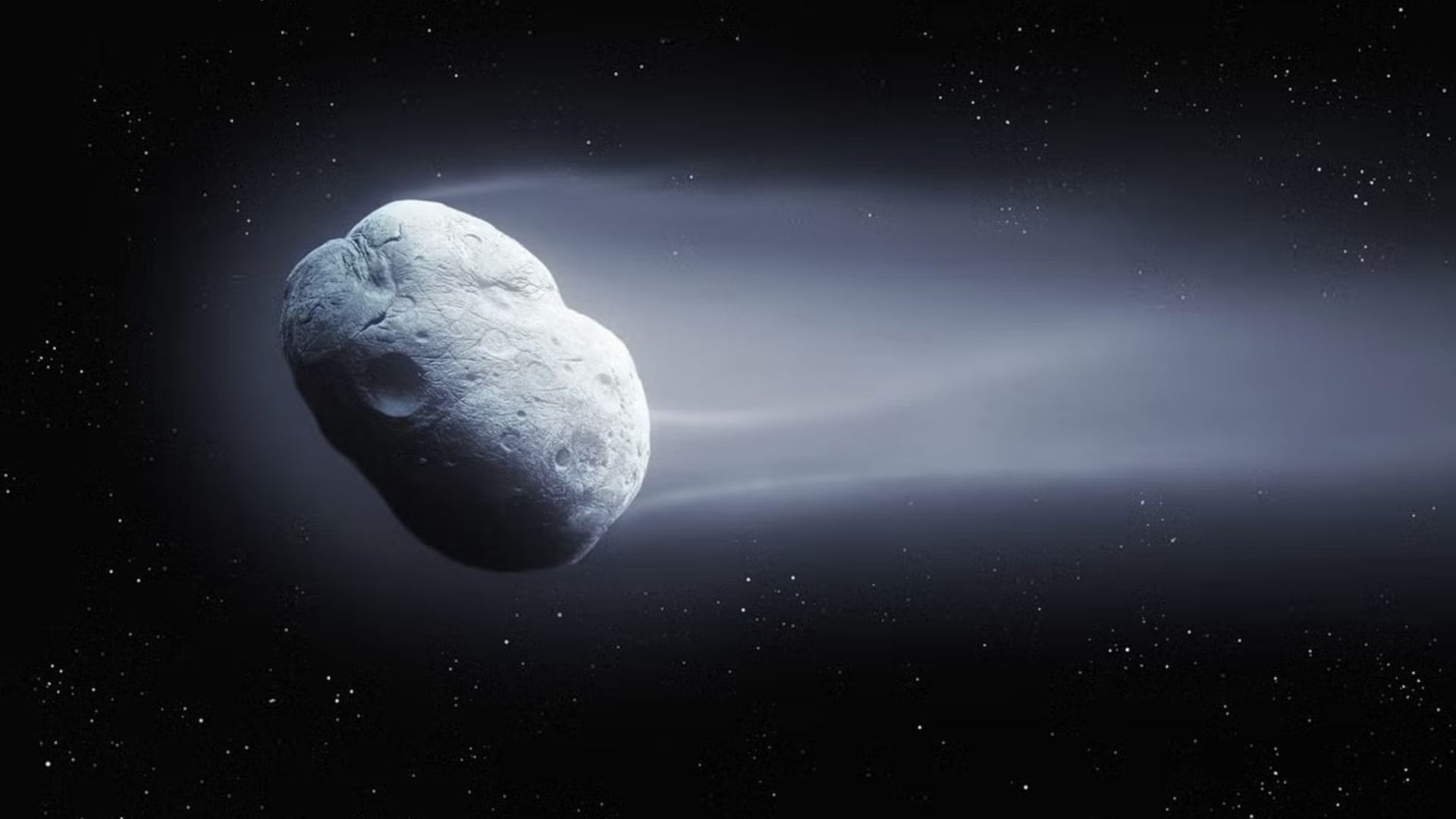 Space.com
NASA's Roman Space Telescope Flying on Its Own
• NASA's Nancy Grace Roman Space Telescope has successfully separated from the second stage of a SpaceX Falcon Heavy rocket. • This flagship mission is designed to conduct vast, deep surveys of the cosmos, focusing on dark matter, dark energy, and exoplanets.
Read original · science.nasa.gov NASA Science
SSERVI CAN-5: Final Text Released - NASA Science
• NASA's Science Mission Directorate (SMD) and Human Spaceflight Mission Directorate (HSMD) have released the final text for the fifth Solar System Exploration Research Virtual Institute (SSERVI) Cooperative Agreement Notice. • The notice, officially designated as NNH26ZDA016C, outlines the framework for the CAN-5 agreement.
Read original · science.nasa.govWhere is the Roman Telescope in space?
• The Nancy Grace Roman Telescope is currently traveling toward a Lagrange point, a strategic location in space where gravitational forces are balanced. • This specific positioning is critical for the telescope's stability and operational efficiency while observing the cosmos.
Read original · scientificamerican.com Scientific American
Reuters Science News Summary
• Scientists conducting an experiment approximately one mile (1.6 km) underground in South Dakota have observed potential hints of dark matter. • While the findings represent a possible breakthrough in identifying the elusive cosmic component, researchers stopped short of claiming a definitive detection.
Read original · devdiscourse.com Devdiscourse
Blue Origin wins $700 million contract to build NASA's next Mars orbiter
• NASA has awarded a $700 million contract to Jeff Bezos' spaceflight company, Blue Origin, to develop its next Mars telecommunications orbiter. • The project requires Blue Origin to design and deliver the orbiter to NASA by the deadline of December 31, 2028.
Read original · space.com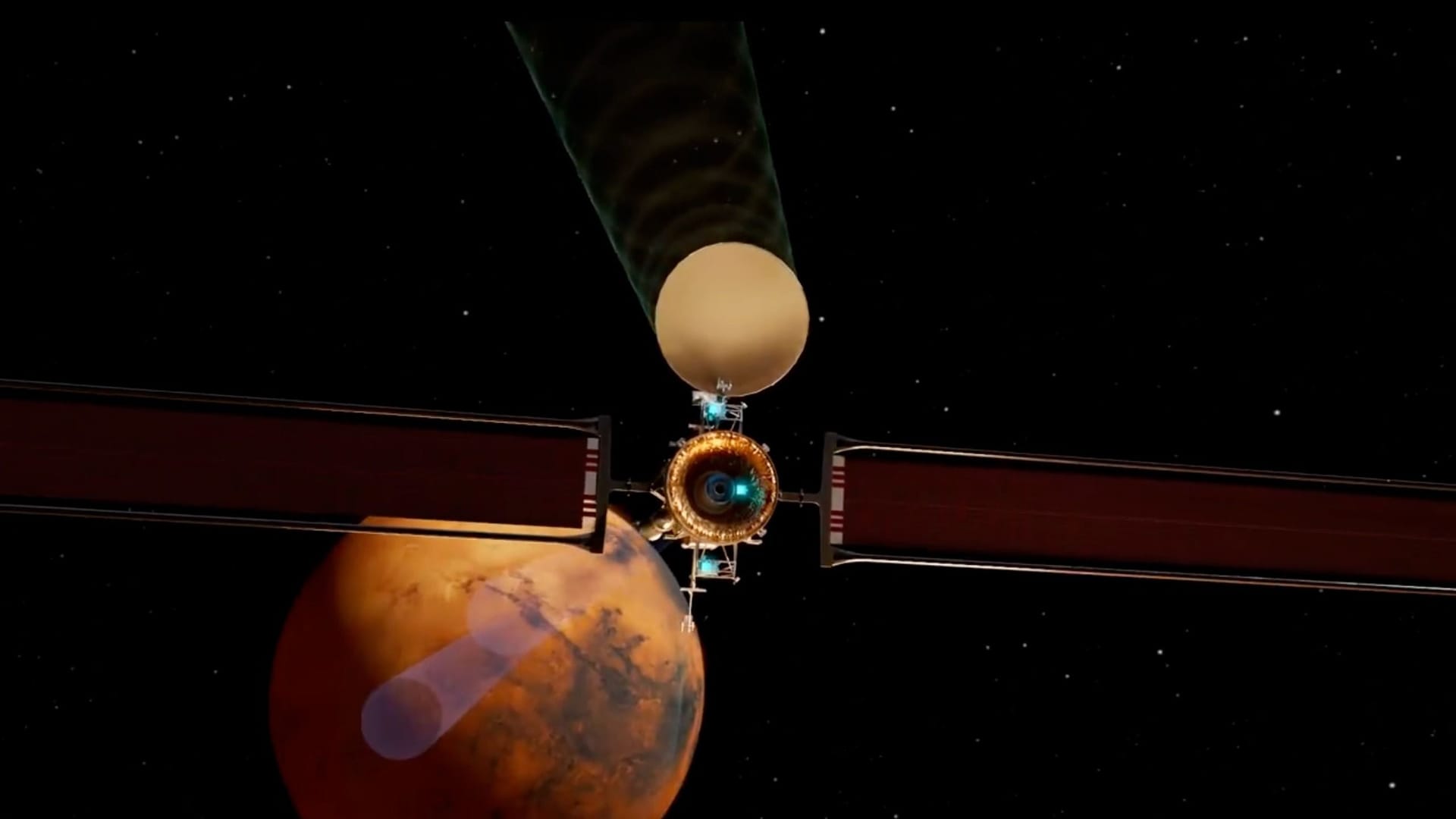 Space.com
Dark Matter News -- ScienceDaily
• Recent theoretical research is exploring whether dark matter particles are produced within jets of standard model particles, utilizing a new detector signature called "semi-visible jets." • A June 16, 2023, breakthrough suggests a new link between the nature of invisible dark matter and the "cosmic web," the large-scale structure of the universe.
Read original · sciencedaily.com