Interstellar comet 3I/ATLAS likely formed where its star's light couldn't touch it
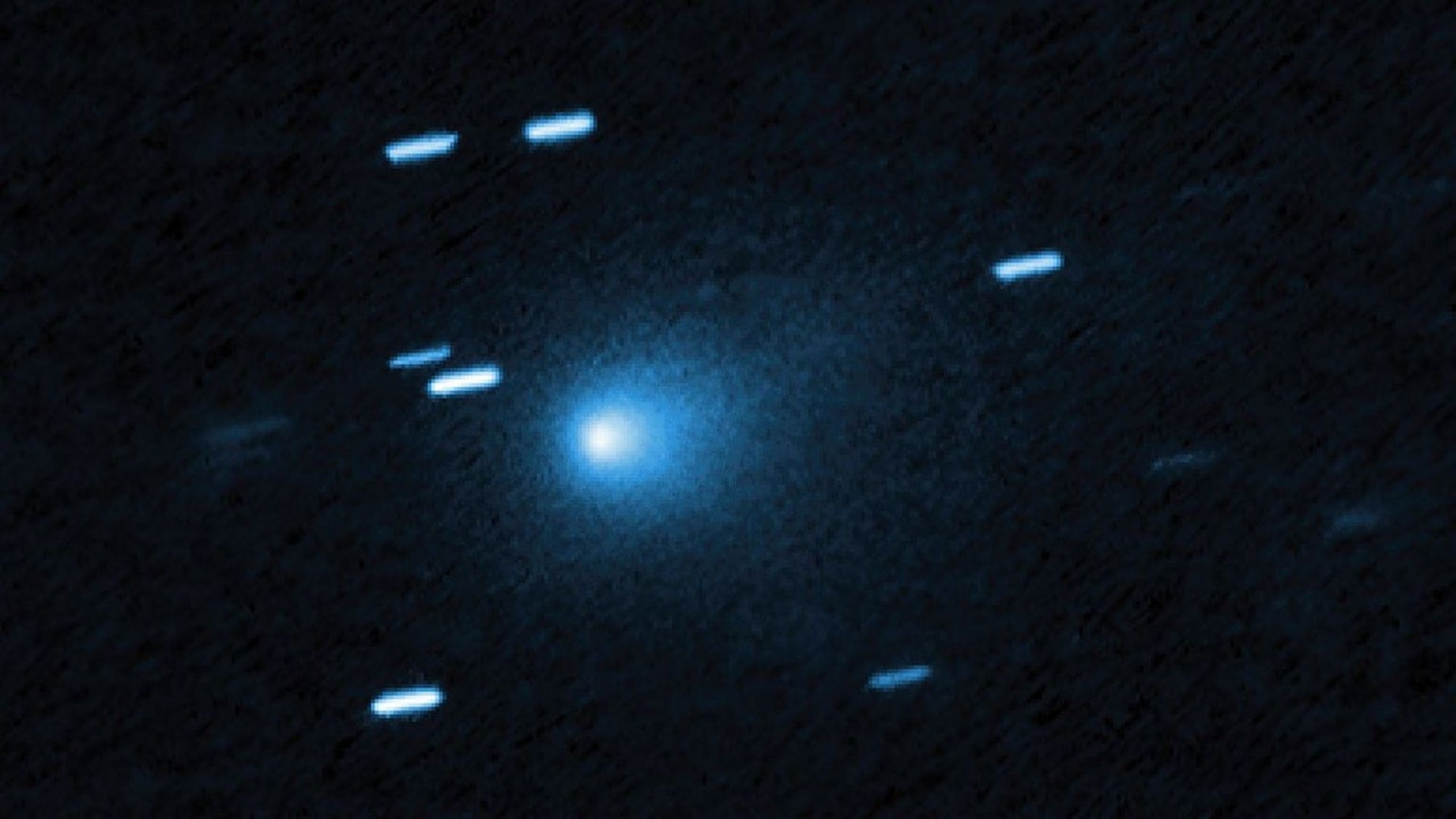
- Scientists determined that the interstellar comet 3I/ATLAS likely formed in a region of its original solar system where its home star's light could not reach.
- Researchers used the object's composition to conclude it originated far from its parent star.
- Studying these interstellar visitors provides data on how planets and smaller bodies form around stars in other parts of the galaxy.
Sources & Citations
1 sourceMore Stories
King Tut’s Tomb May Hide Secret Chambers, Reviving a Search for Queen Nefertiti - NewsBreak
• In 1922, Howard Carter discovered the entrance to Tutankhamun's tomb, a significant discovery in Egyptian archaeology. • The tomb's discovery has led to a renewed search for Queen Nefertiti, with some believing she may be buried in secret chambers within King Tut's tomb.
Read original · newsbreak.com9-Million-Year-Old Capybara Tooth From Chile Hints at Unexpectedly Wet Conditions in the Ancient Atacama Desert - NewsBreak
• Researchers discovered a 9-million-year-old capybara tooth in Chile's Atacama Desert. • The presence of this semi-aquatic rodent suggests the region had unexpectedly wet conditions during that era.
Read original · newsbreak.comScientists discover 27 mysterious objects in far reaches of solar system
• Scientists discovered 27 mysterious frozen objects orbiting in the far reaches of the solar system beyond Neptune. • These tiny worlds are located in the distant outer regions of the solar system.
Read original · independent.co.uk The Independent
Venus May Have Pulled Its Own Moon Back Toward It, Torn It Apart, and Eaten the Remains - NewsBreak
• Astronomer Stephen Kane created computer models to simulate the possibility of Venus having a moon that it pulled back towards itself, tore apart, and consumed. • Kane's models included different masses of hypothetical moons and varied spin speeds of Venus to predict various outcomes, according to his research.
Read original · newsbreak.comArchaeologists Discover 55 Ice Age Artifacts in Oregon Caves Four Times Older Than the Great Pyramid of Egypt
• Archaeologists discovered 55 Ice Age artifacts buried beneath volcanic ash in Oregon caves. • The findings date back more than 15,000 years, making them four times older than the Great Pyramid of Egypt.
Read original · dailygalaxy.com Daily Galaxy
Latest Science News and Research Discoveries Explained – ICO Optics
• ICO Optics is exploring cutting-edge scientific developments and breaking down complex breakthroughs into digestible insights. • Recent studies in fields like quantum physics and deep-space astronomy are redefining our understanding of the natural world, with new findings emerging regularly.
Read original · ico-optics.org ICO Optics
Space scientists discover "mysterious objects" unlike anything seen before | World | News
• Space scientists discovered 84 "hypersoft X-ray sources," which are mysterious objects unlike anything previously observed. • Researchers are investigating whether these objects are the stars that eventually turn into Type Ia supernovae, the explosions used to prove the universe's expansion is accelerating.
Read original · express.co.uk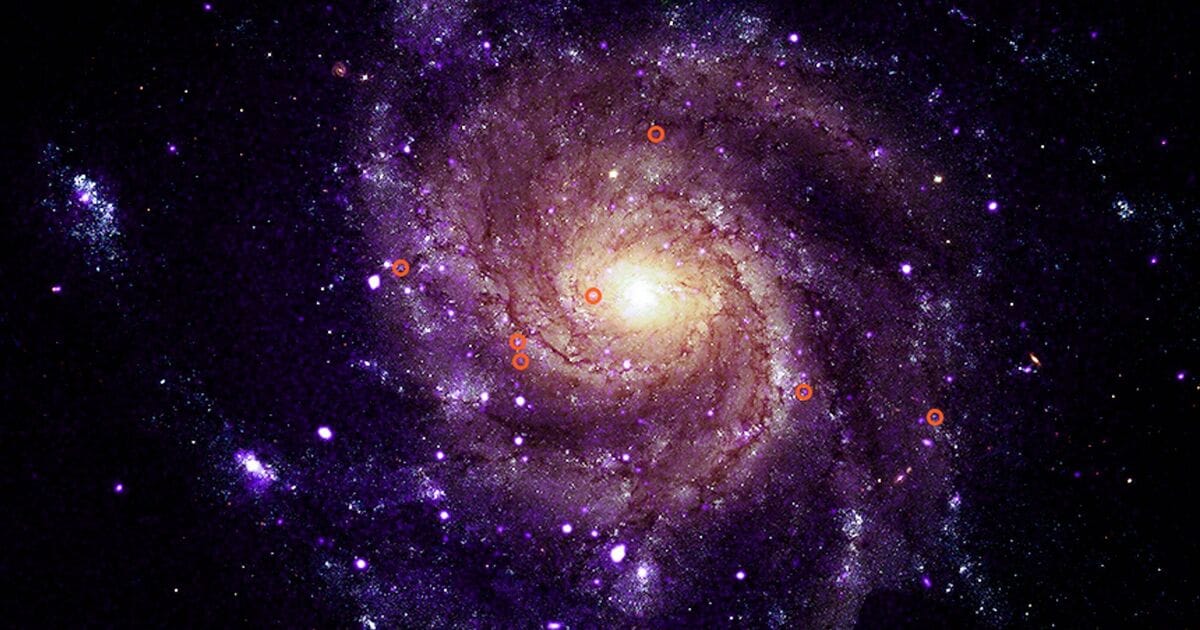 Express.co.uk
New Blood Test Could Catch Pancreatic Cancer at Its Earliest Stages, Helping Fight the "Silent Killer" - NewsBreak
• Researchers have developed a new blood test that could detect pancreatic cancer at its earliest stages, potentially improving treatment outcomes for the disease. • The test aims to identify the disease before it becomes deadly, with medical professionals noting that early detection significantly increases the chances of successful intervention.
Read original · newsbreak.comHunga Tonga methane destruction detected from space, study finds - Sense About Science Blog
• Researchers published a study in Nature Communications finding that the January 2022 Hunga Tonga eruption destroyed methane on an unprecedented scale. • Satellite instruments tracked the chemical destruction continuously for more than ten days following the volcanic event.
Read original · senseaboutscience.org.ukThe questions science may never answer
• The biggest mysteries in science may remain forever unsolved, leaving some questions without answers. • Scientists and journalists are working to tell true and important science stories, with editors and reporters often being experts in their fields.
Read original · scientificamerican.com Scientific American
Climate ‘feedback loops’ could worsen global warming by 30%, study finds | Climate crisis
• A new study warns that natural climate feedback loops, where warming triggers more emissions from the earth, could increase global warming by 30%. • These loops involve the release of methane and carbon dioxide from natural sources like thawing permafrost and warming oceans.
Read original · theguardian.com