The questions science may never answer

- The biggest mysteries in science may remain forever unsolved, leaving some questions without answers.
- Scientists and journalists are working to tell true and important science stories, with editors and reporters often being experts in their fields.
- The unsolved mysteries in science have significant implications for human understanding and the pursuit of knowledge.
- Supporting staff and freelance journalists through subscription helps to fund the creation of compelling science stories.
Sources & Citations
1 sourceMore Stories
New Blood Test Could Catch Pancreatic Cancer at Its Earliest Stages, Helping Fight the "Silent Killer" - NewsBreak
• Researchers have developed a new blood test that could detect pancreatic cancer at its earliest stages, potentially improving treatment outcomes for the disease. • The test aims to identify the disease before it becomes deadly, with medical professionals noting that early detection significantly increases the chances of successful intervention.
Read original · newsbreak.comHunga Tonga methane destruction detected from space, study finds - Sense About Science Blog
• Researchers published a study in Nature Communications finding that the January 2022 Hunga Tonga eruption destroyed methane on an unprecedented scale. • Satellite instruments tracked the chemical destruction continuously for more than ten days following the volcanic event.
Read original · senseaboutscience.org.ukClimate ‘feedback loops’ could worsen global warming by 30%, study finds | Climate crisis
• A new study warns that natural climate feedback loops, where warming triggers more emissions from the earth, could increase global warming by 30%. • These loops involve the release of methane and carbon dioxide from natural sources like thawing permafrost and warming oceans.
Read original · theguardian.comA French trial found that tilting solar panels flat over nectarine trees on nights when frost is forecast warmed the flower buds by up to 1.7 degrees Celsius, and during the frost that caused damage, flower injury fell from 35 percent to under 10 percent - ScienceBlog.com
• French farmers tested a system of tilting solar panels flat over nectarine trees during forecast frost events in 2022 and 2023. • The method warmed flower buds by up to 1.7 degrees Celsius and reduced flower injury from 35 percent to under 10 percent.
Read original · scienceblog.com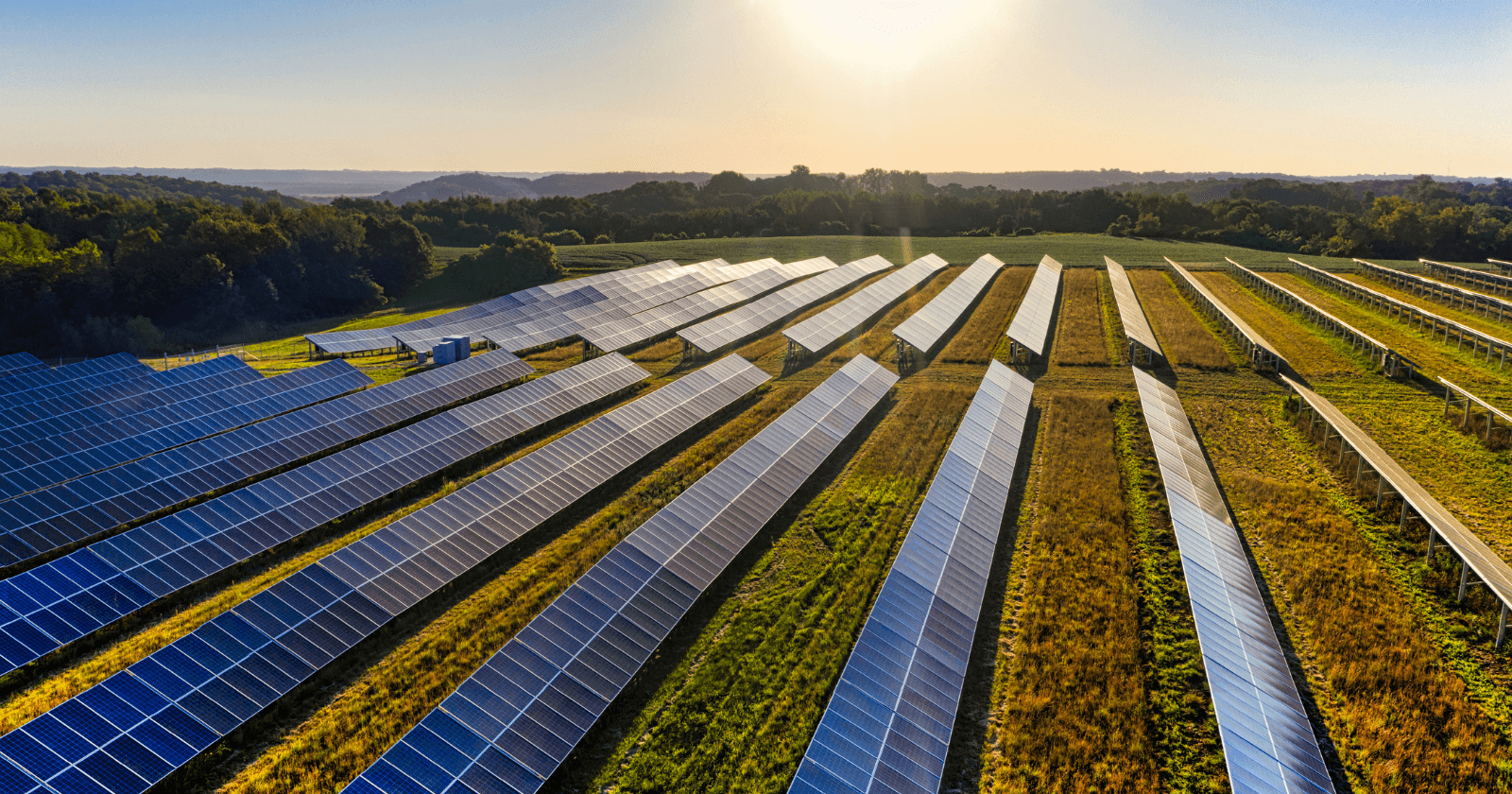 ScienceBlog
150-Million-Year-Old Tail Bones Found in Spain Reveal the First Diplodocus Outside North America - NewsBreak
• Paleontologists discovered 150-million-year-old tail bones in Spain, marking the first confirmed Diplodocus fossils found outside of North America. • Researchers used a synchrotron, a high-energy X-ray source, to create 3D images of the fossils and confirm their identity.
Read original · newsbreak.com22 years of science! NASA's Roman Space Telescope doubles its lifetime with super-precise engine burn
• NASA extended the planned operational lifespan of the Nancy Grace Roman Space Telescope to over 20 years following a super-precise engine burn. • The telescope was originally scheduled for a primary five-year mission followed by a five-year extension.
Read original · space.com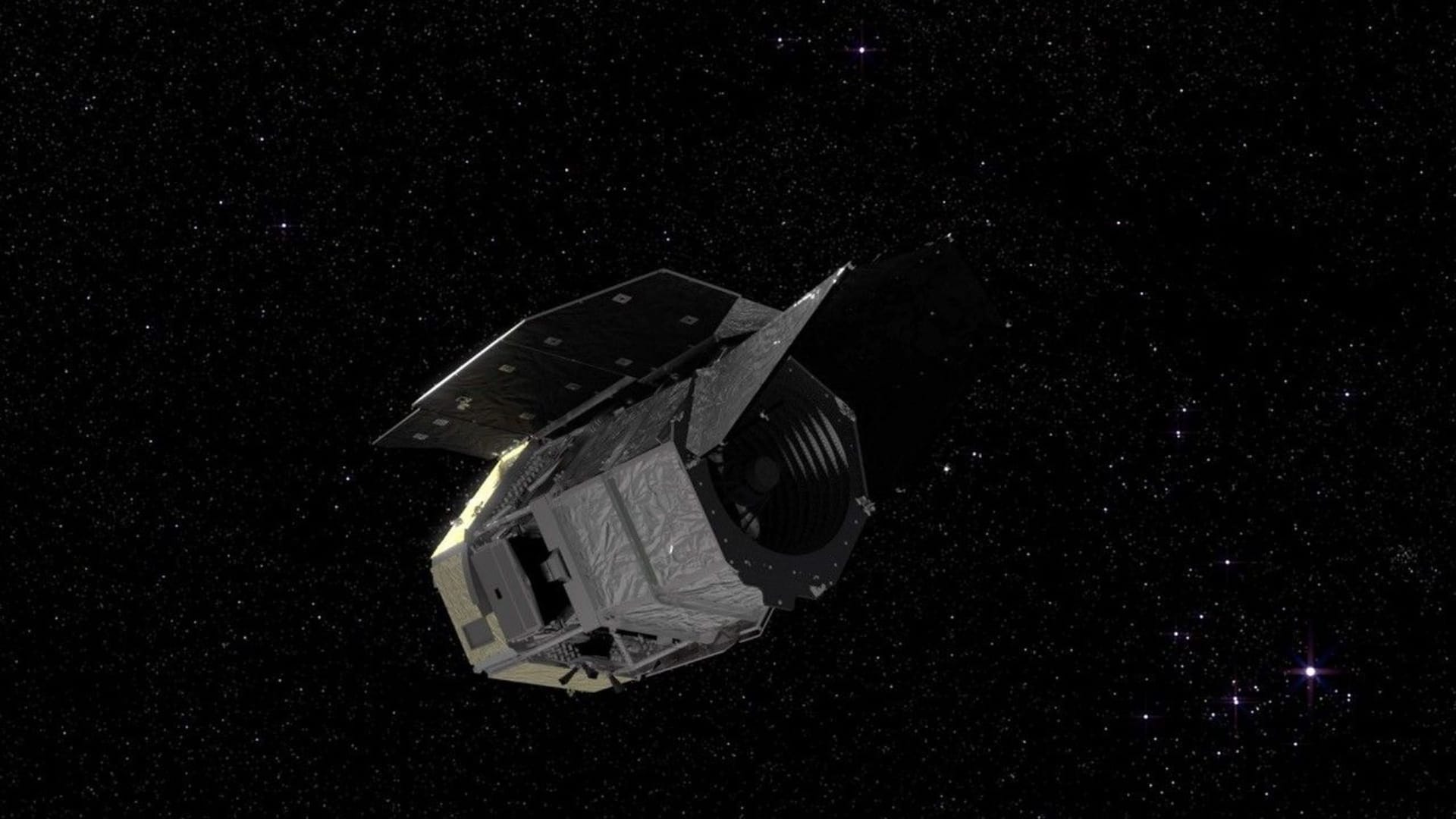 Space.com
Global warming is breaking a 400-year climate link between two oceans
• Scientists have discovered that the long-standing climatic link between the Indian and Pacific oceans is breaking down due to human-caused global warming. • Ancient climate records indicate that while volcanic eruptions disrupted this relationship in the past, the current shift is exceptional and driven by rising temperatures.
Read original · sciencedaily.com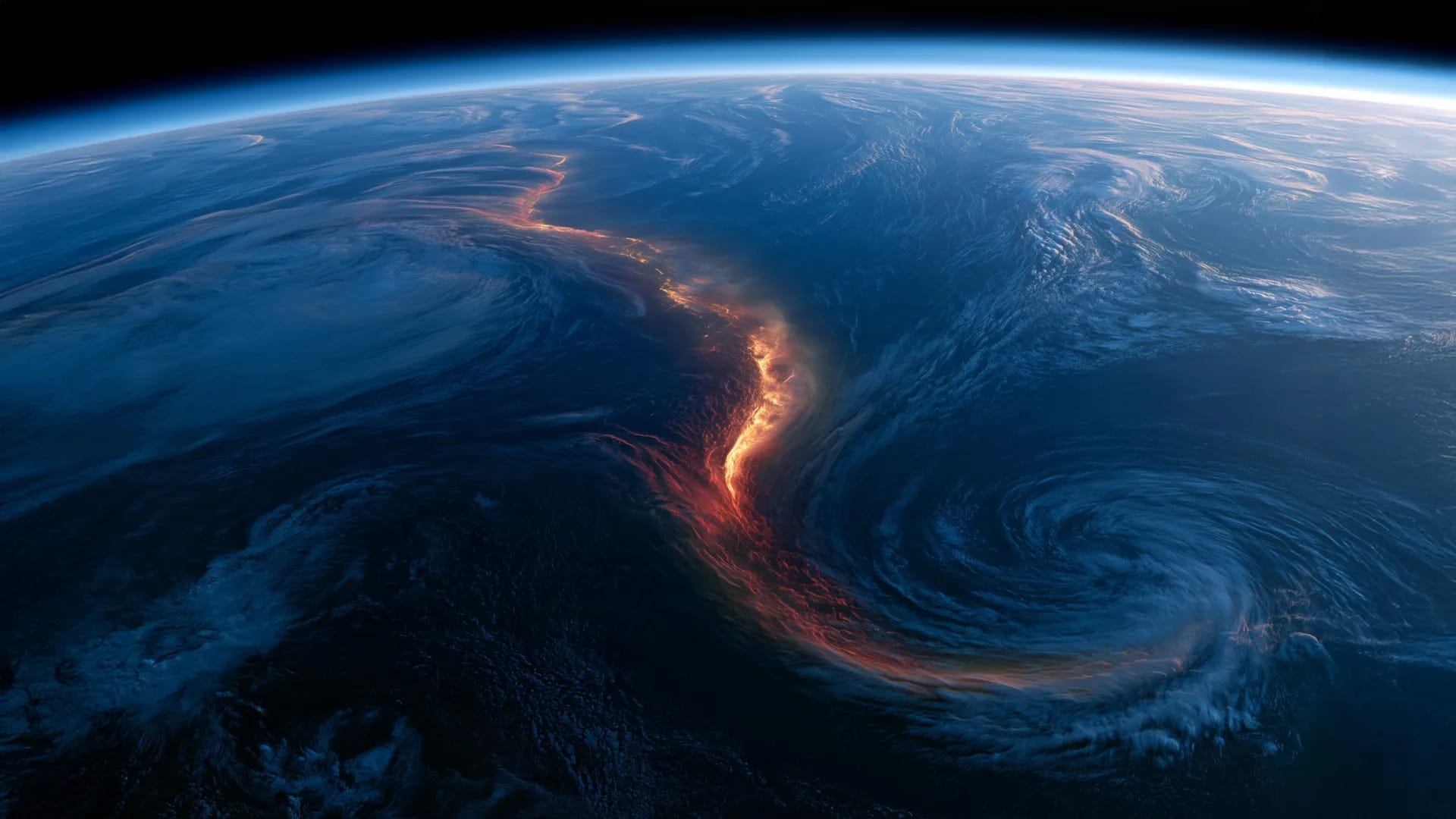 ScienceDaily
The James Webb Telescope's Greatest Discoveries: What We…
• The James Webb Space Telescope captured light from the first galaxies formed 13.5 billion years ago to study the early universe. • These findings challenge existing cosmological models, which are the mathematical frameworks used to explain the origin and evolution of the universe.
Read original · grand-review.comUpdates on Third Early Career Workshop, 22-24 Sept 2026 - NASA Science
• NASA is hosting the Third Early Career Workshop from September 22-24, 2026, to support scientists in the Physics of the Cosmos Program. • The event features a post-launch presentation on the Roman Space Telescope and a tutorial on the NASA Astrophysics Data System Science Explorer.
Read original · science.nasa.govWe're about to exceed 1.5-degree global warming limit, according to the UN
• A 2026 United Nations report indicates that global warming is on track to soon exceed the 1.5-degree Celsius limit. • This threshold was originally established as a critical target by the Paris Agreement to mitigate the worst effects of climate change.
Read original · space.com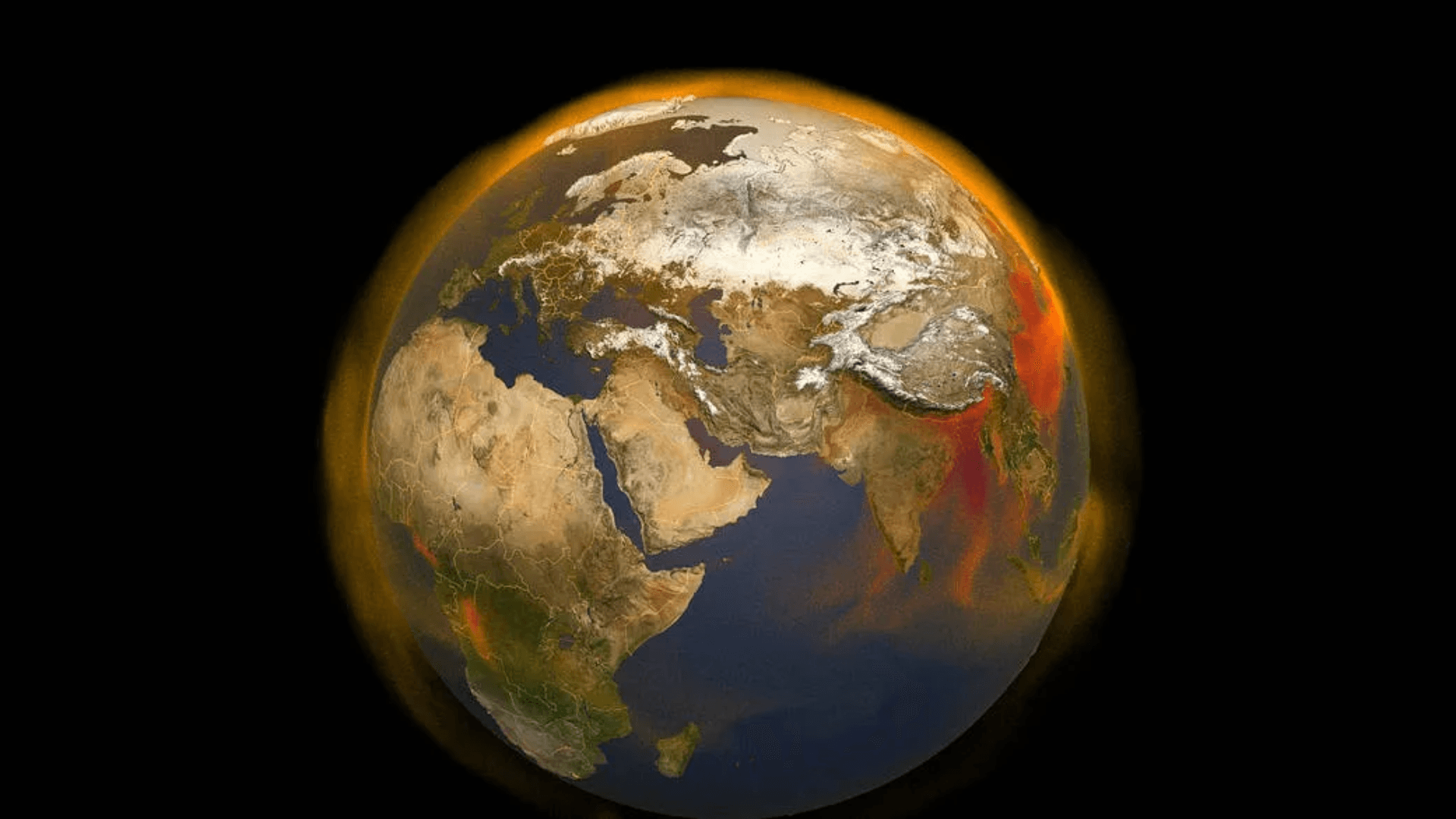 Space.com
On this day in space! Sept. 16, 1949: A US launch of a V-2 rocket explodes, killing its monkey passenger Albert III
• The United States launched a V-2 rocket carrying a monkey named Albert III on September 16, 1949. • The rocket exploded during the flight, resulting in the death of the animal passenger.
Read original · space.com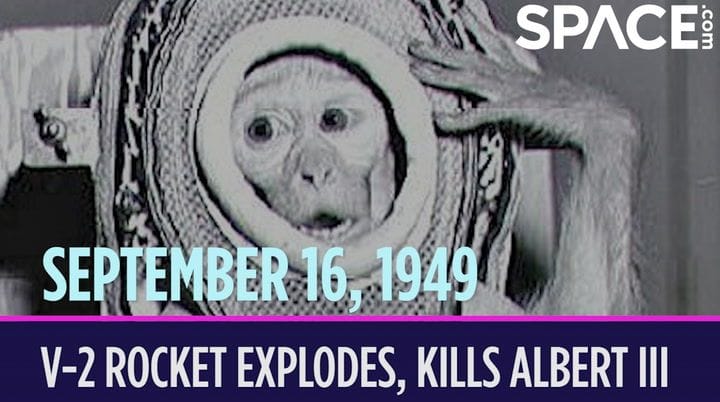 Space.com