Science Snapshots: September 27, 2026 - The Hindu
- Researchers published three distinct science breakthroughs on September 27, 2026, covering dam safety, antiviral defenses, and amoeba reproduction.
- One study found that PFOS, a type of synthetic chemical, impairs the body's natural antiviral defense mechanisms.
- These findings provide critical data for engineers managing seismic risks for dams and biologists studying heat-resistant organisms.
Sources & Citations
1 sourceMore Stories
NASA Selects PRIMA (PRobe far-Infrared Mission for Astrophysics) Far-Infrared Telescope as First in New Mission Class - Astrobiology
• NASA announced on Wednesday the selection of the PRobe far-Infrared Mission for Astrophysics (PRIMA) as the first telescope in a new Probe Explorers mission class. • The mission follows a recommendation from the National Academies of Sciences, Engineering, and Medicine’s 2020 Decadal Survey to establish this specific category of exploration.
Read original · astrobiology.com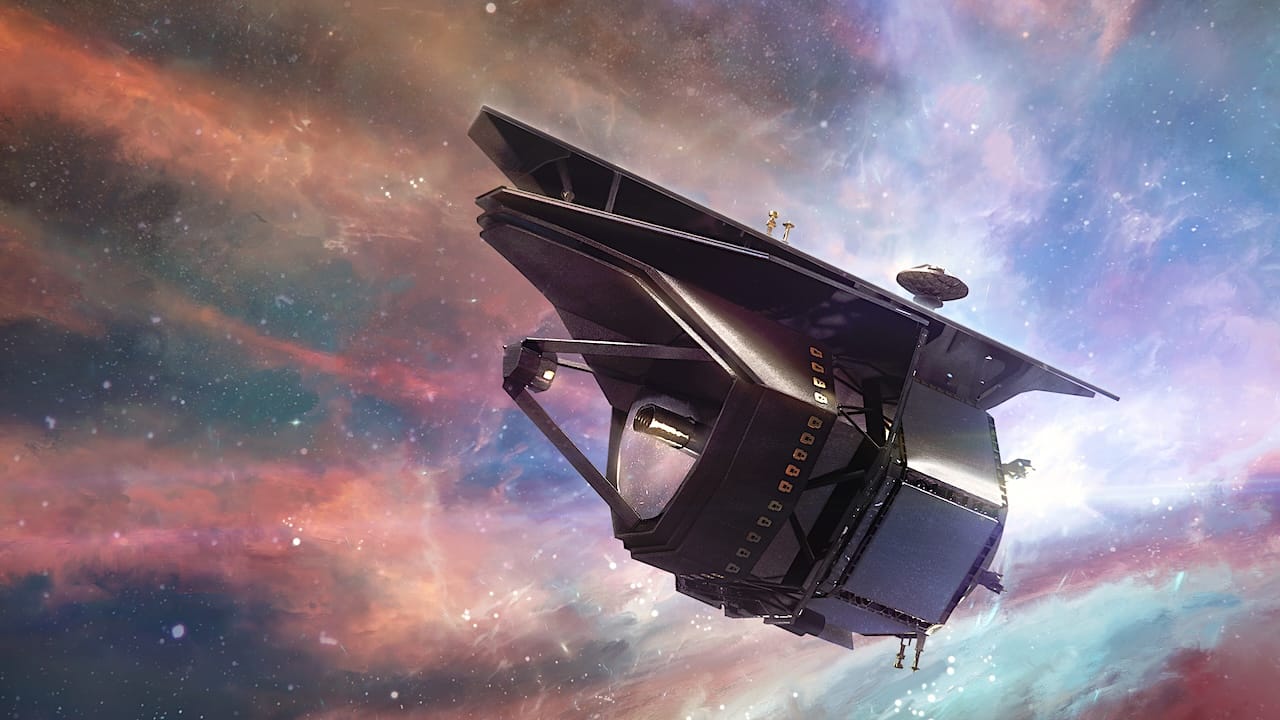 Astrobiology
With PRIMA, NASA will try to build a billion-dollar space telescope in record time - Ars Technica
• NASA is developing the PRIMA mission to build a high-capability space telescope more quickly and at a lower cost than traditional flagship projects. • The agency plans to reduce expenses by utilizing spare parts from the James Webb Space Telescope.
Read original · arstechnica.com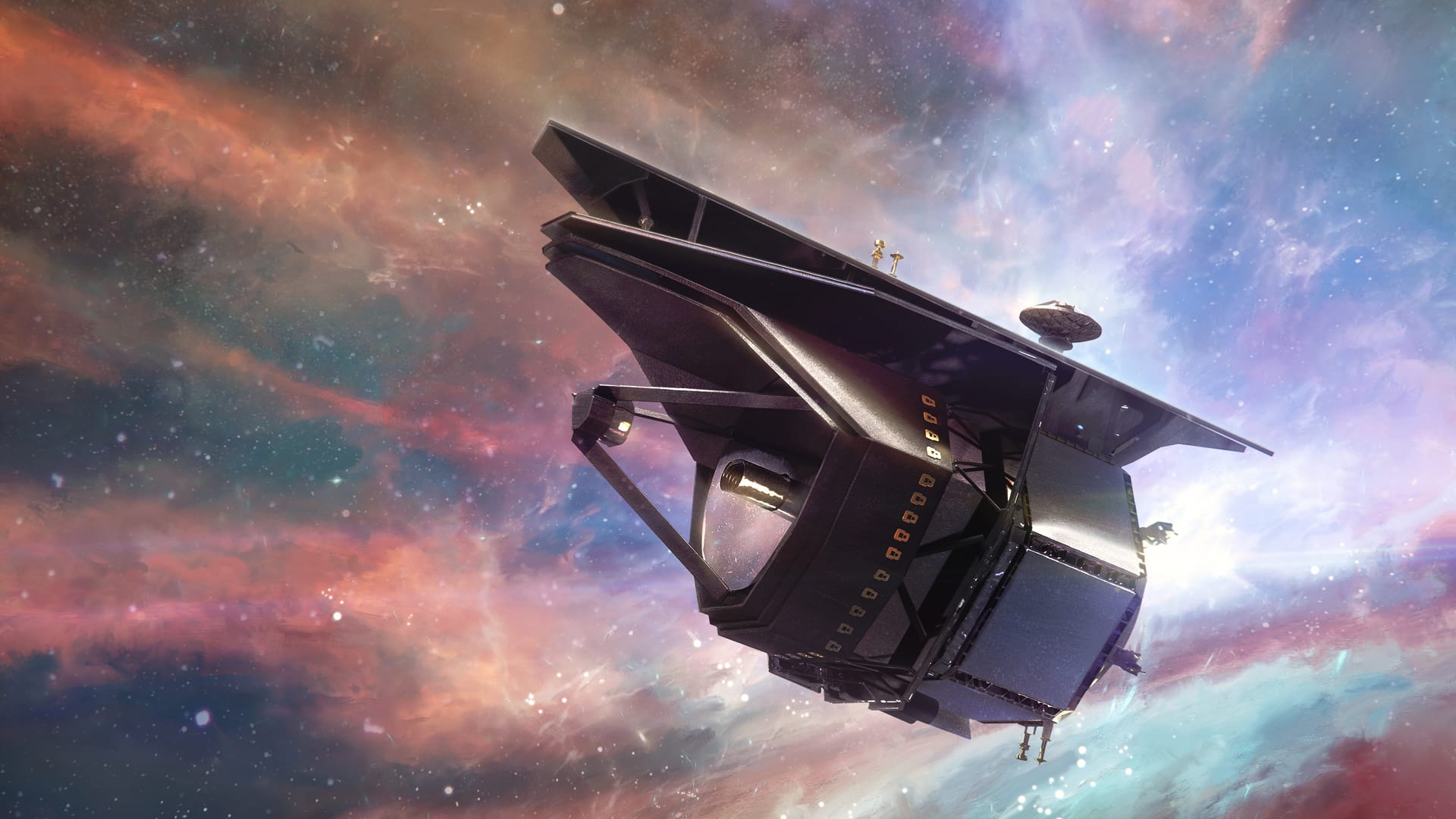 Ars Technica
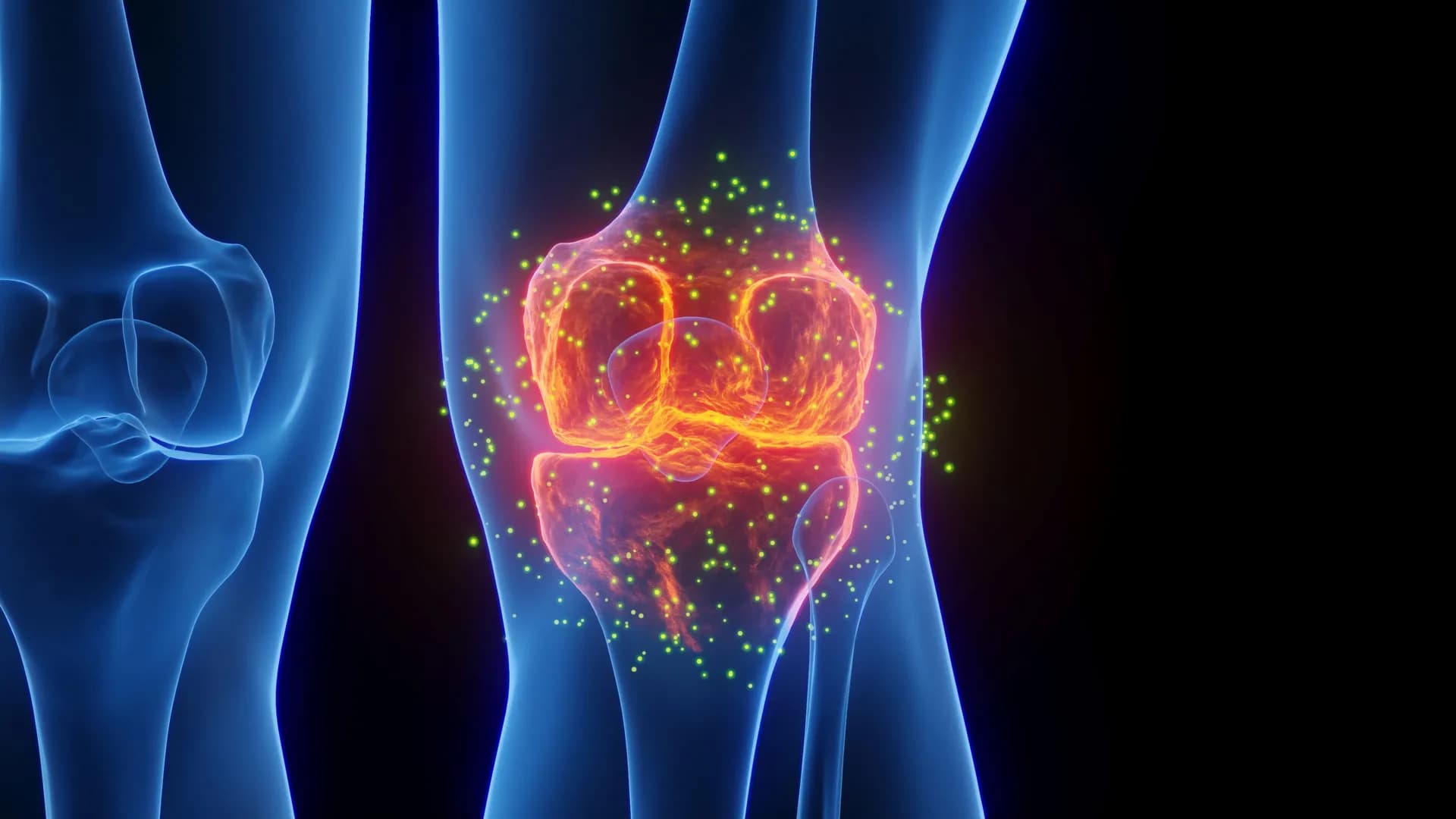
Stanford scientists regrow lost cartilage and reverse arthritis in major breakthrough
• Stanford scientists developed a treatment that blocks an aging-related protein to regrow lost cartilage and reverse arthritis in old mice. • The researchers used a 15-PGDH inhibitor, a type of drug that has already proven safe and active in Phase 1 clinical trials for muscle weakness.
Read original · sciencedaily.com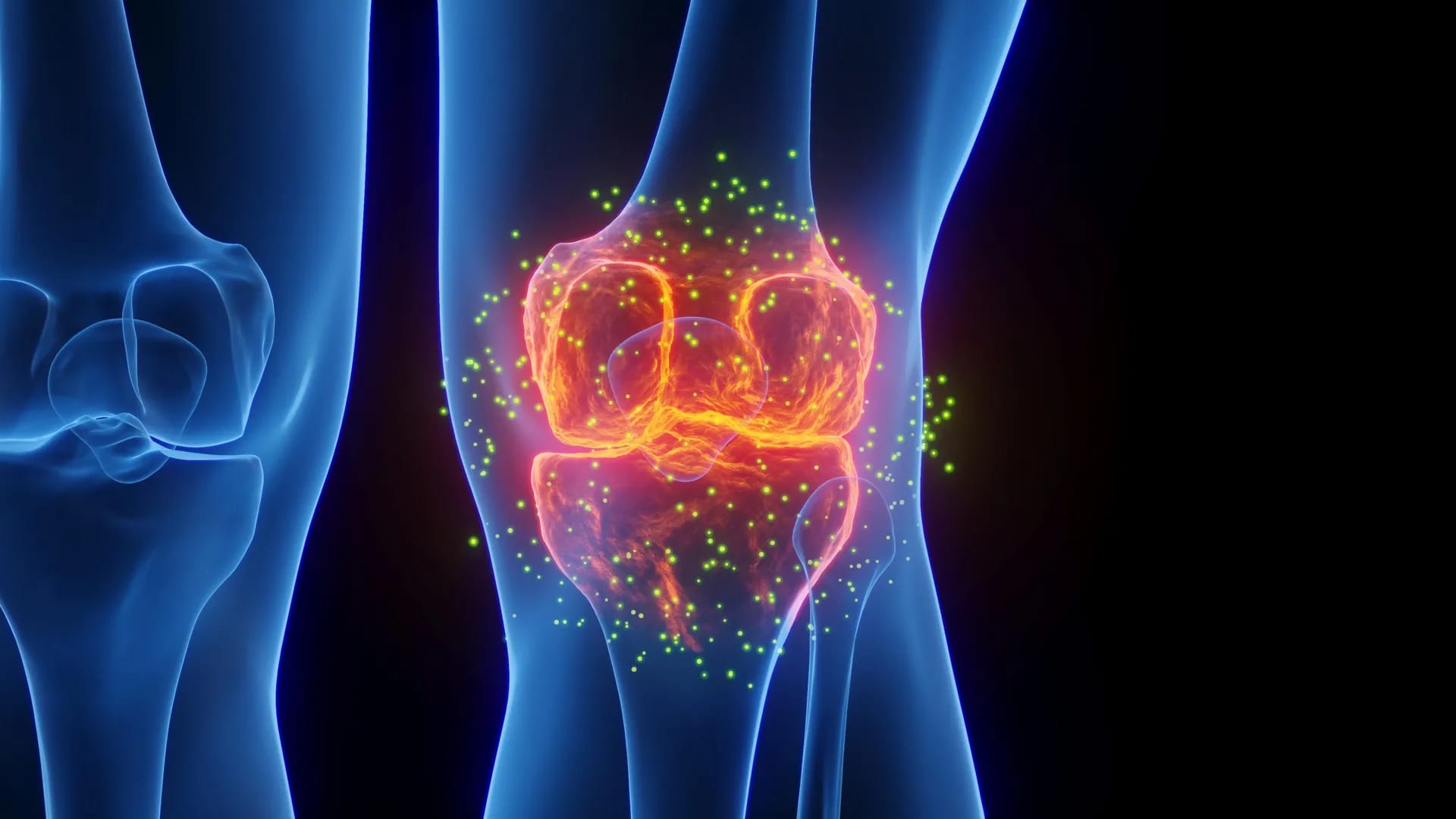 ScienceDaily
NASA’s $1.2 billion plan to explore the history and evolution of the universe enters Phase B - The Economic Times
• NASA has progressed the PRIMA mission into Phase B, focusing on creating essential technologies and designs for a new space telescope. • The PRIMA mission has a budget of $1.2 billion and aims to perform detailed far-infrared surveys of the universe, allowing scientists to study cosmic phenomena.
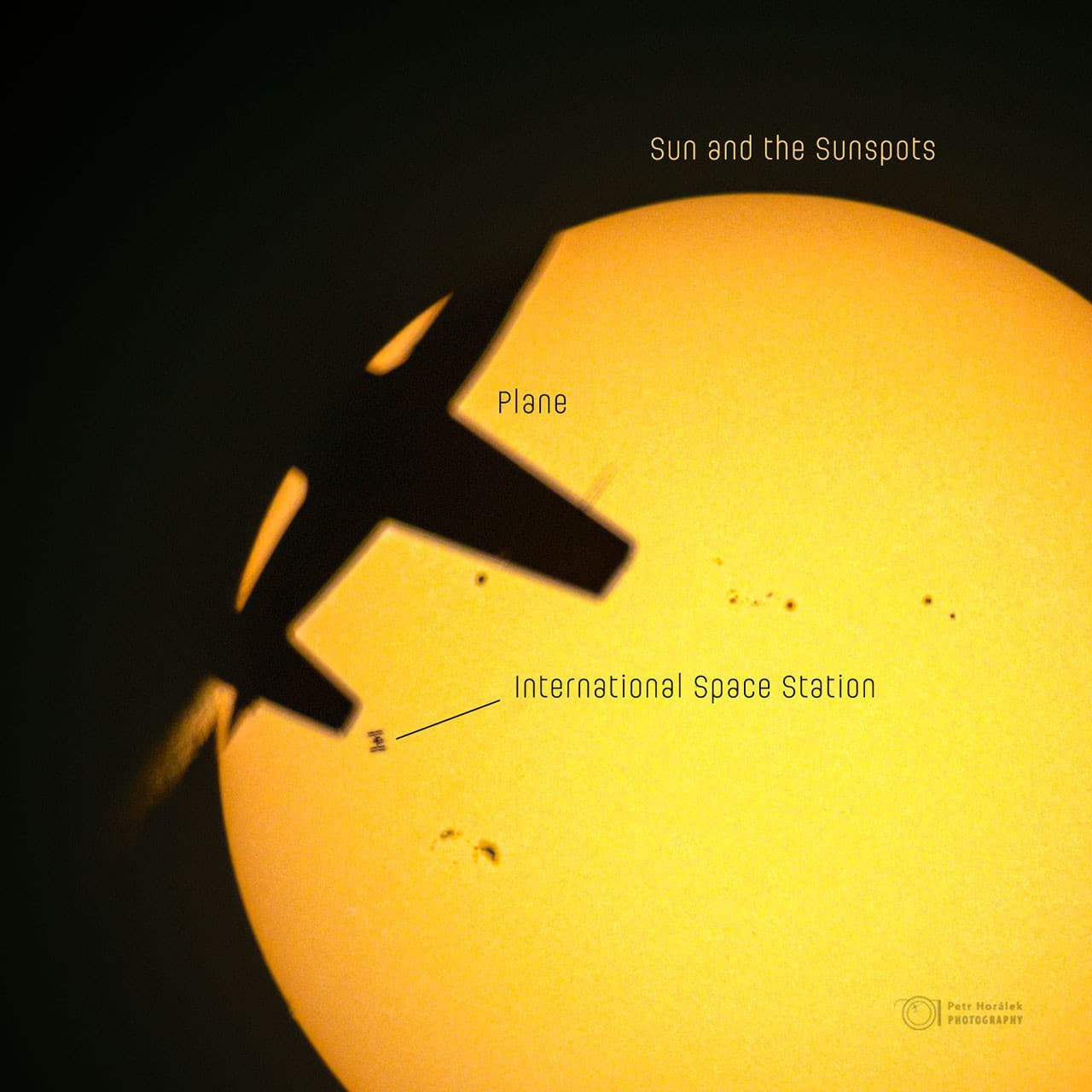
Read original · economictimes.indiatimes.comAPOD: 2026 September 22 - Chance Triple Alignment: Plane, Space Station, Sun - NASA Science
• NASA's Astronomy Picture of the Day for September 22, 2026, features a rare triple alignment of a plane, the Space Station, and the Sun. • The image captures a brief moment when the plane, the Space Station, and the Sun aligned in the sky, creating a unique visual effect.
Read original · science.nasa.gov NASA Science
On this day in space! Sept. 24, 2014: India's 1st Mars probe Mangalyann enters orbit around the Red Planet in epic feat of space engineering
• India's Mangalyaan orbiter successfully entered into orbit around Mars on September 24, 2014, marking the country's first interplanetary mission. • The mission was achieved at a fraction of the cost of a NASA Mars mission, making it a notable achievement in space engineering.
Read original · space.com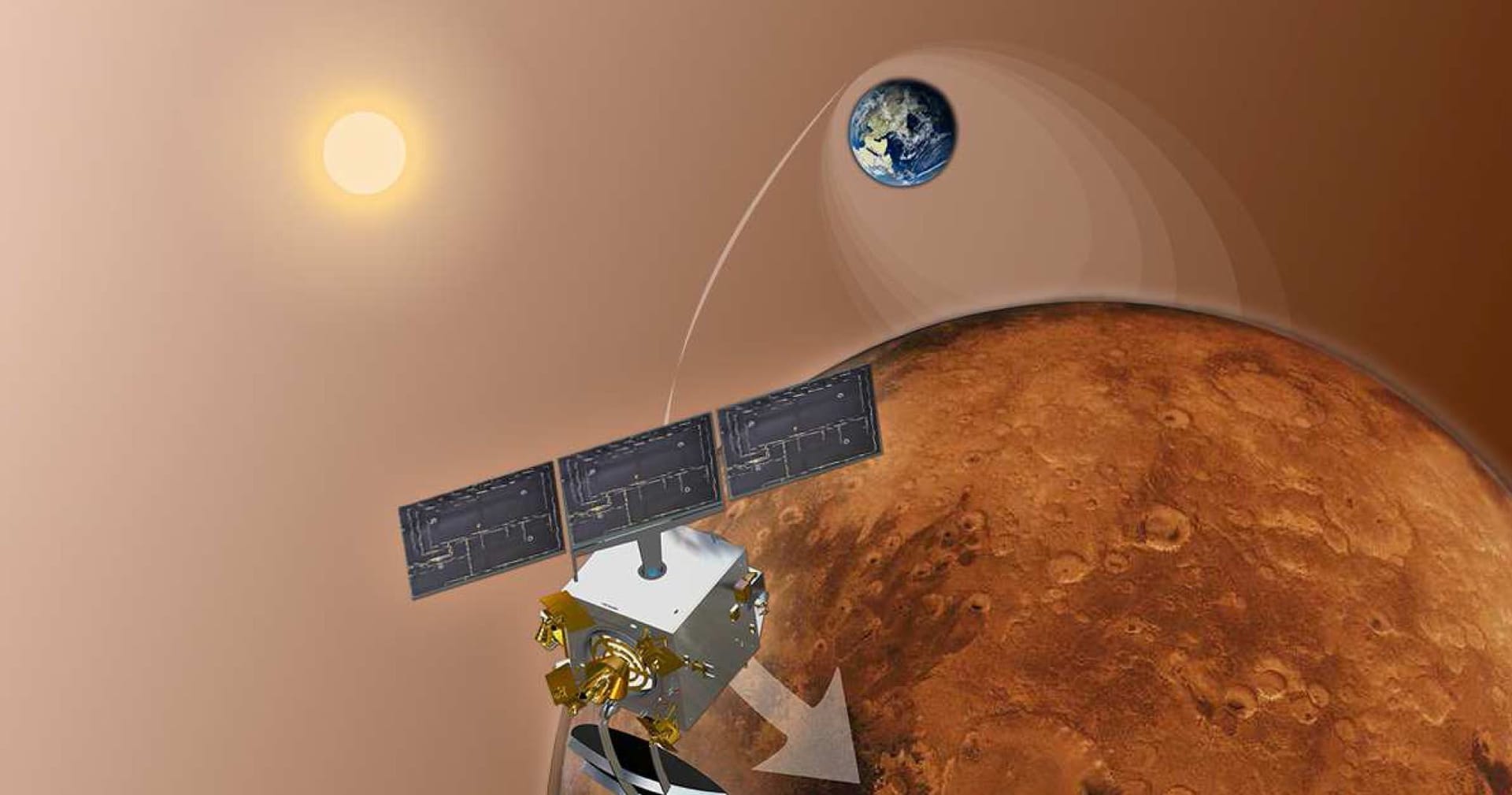 Space.com
Quantum computer simulates matter “popping into existence”
• Scientists used a 13-ion quantum simulator to recreate a particle-forming process linked to the extreme physics of the early universe, allowing them to simulate matter "popping into existence". • The breakthrough, published September 23 in Nature Physics, demonstrates the potential of trapped ion quantum computers to explore fundamental physics questions, such as how matter formed and evolved after the Big Bang.
Read original · sciencedaily.com ScienceDaily
The free-to-read Physics World Big Science Briefing 2026 is out now – Physics World
• Physics World released its free-to-read Big Science Briefing 2026 focusing on how large-scale scientific research addresses the climate crisis. • Sustainability will be a primary theme at the Big Science Business Forum taking place in Maastricht from October 27 to 30.
Read original · physicsworld.com Physics World
Could comet 3I/ATLAS teach us about life beyond Earth? Scientists say the story's not over yet.
• Scientists analyzed the interstellar object 3I/ATLAS to determine if it contains evidence of extraterrestrial life. • This object is only the third interstellar visitor ever discovered by researchers.
Read original · livescience.com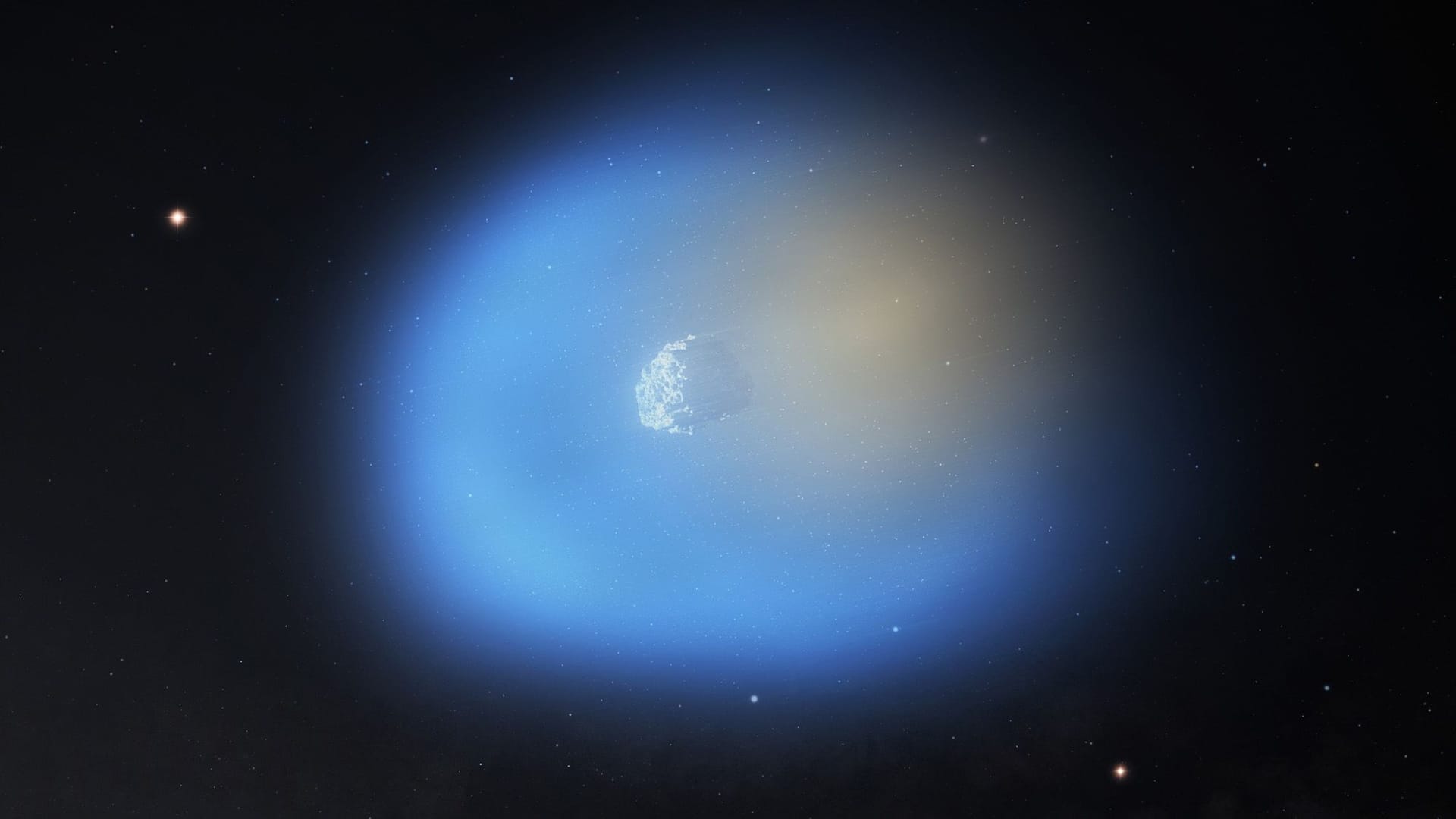 Live Science
SpaceX's next astronaut launch for NASA now set for Oct. 1 after delay
• SpaceX rescheduled the Crew-13 astronaut launch to the International Space Station for Oct. 1. • The mission was delayed from its original Sept. 12 target date due to a leak discovered on the Dragon spacecraft.
Read original · space.com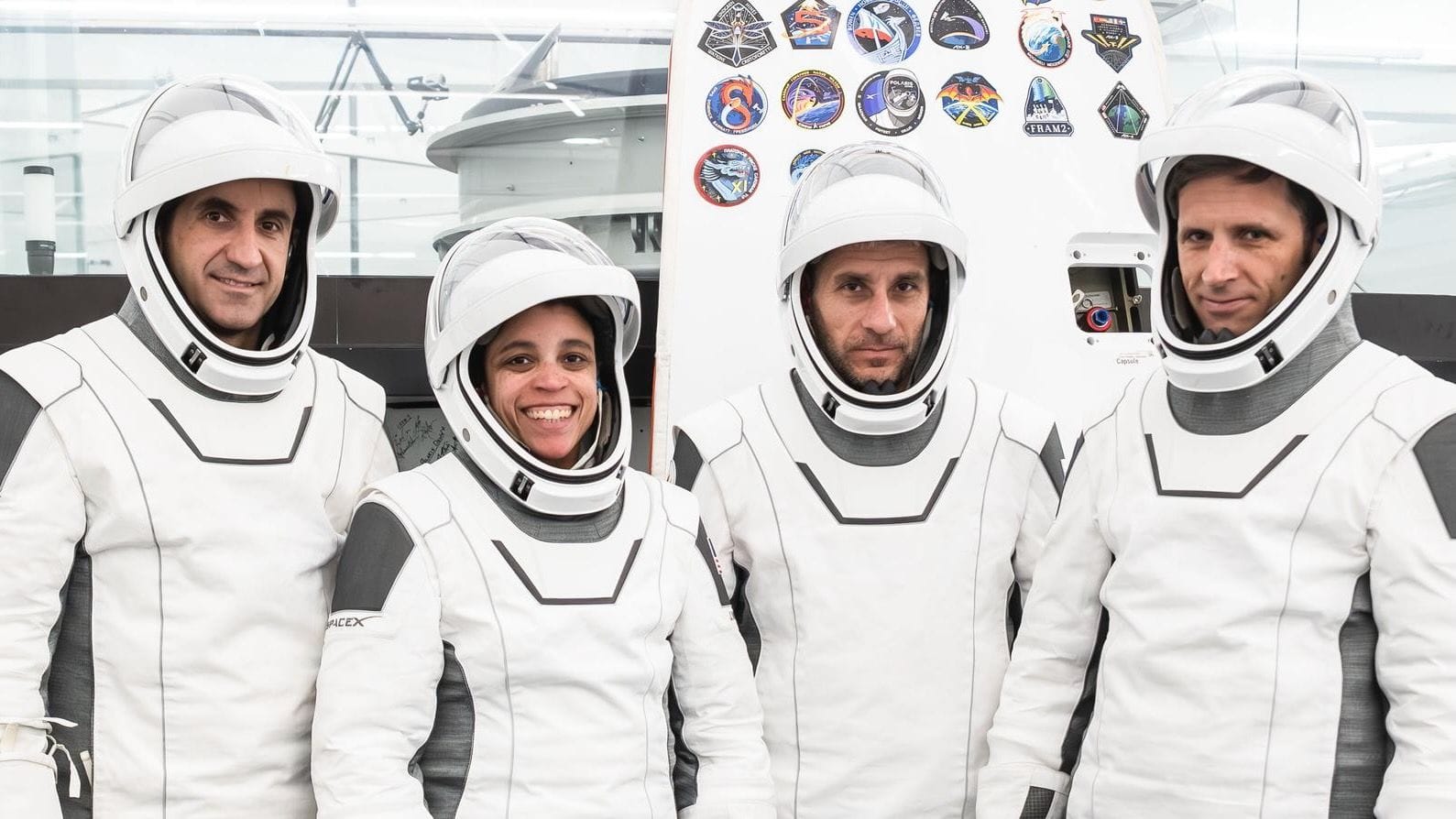 Space.com
Meet Wolf Cukier, the 17-year-old New York student who, on the third day of a NASA Goddard internship in 2019, spotted a planet 6.9 times the size of Earth circling two stars 1,300 light-years away roughly every 95 days, the first of its kind NASA's TESS had ever found - ScienceBlog.com
• Wolf Cukier, a 17-year-old New York student, discovered a planet circling two stars 1,300 light-years away on the third day of his NASA Goddard internship in 2019. • The planet, called TOI 1338, is about 6.9 times the size of Earth and orbits its two stars every 95 days, with one star being about 10 percent more massive than our sun and the other being cooler and dimmer.
Read original · scienceblog.com ScienceBlog